- Category
- World
Russia Muted Air Sirens During Moscow Strike for Parliamentary Elections Turnout
 Prefer U24 Media on Google
- Authors

-111f0e5095e02c02446ffed57bfb0ab1.jpeg "Photo of Roman Kohanets")
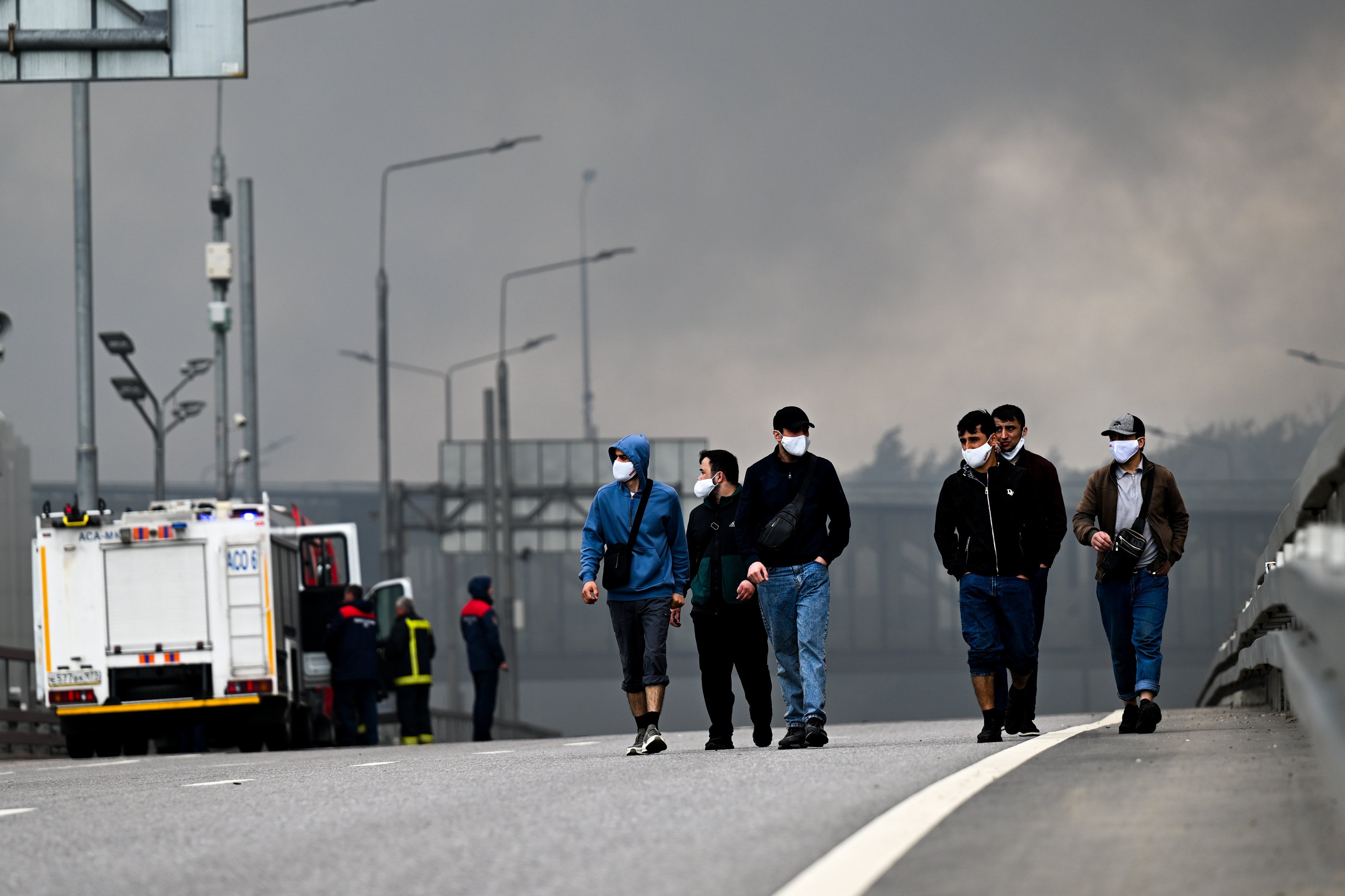
Russian authorities in the Moscow region withheld air-raid sirens and SMS warnings during a major Ukrainian strike as officials appeared to prioritize State Duma election turnout over public safety, according to the Institute for the Study of War.
In its September 20 assessment, ISW noted that authorities had issued sirens and SMS notifications during significantly smaller previous attacks, making the absence of warnings during the September 19–20 strike particularly notable.
We bring you stories from the ground. Your support keeps our team in the field.
ISW described the overnight barrage as the largest combined missile and drone strike package Ukraine has launched against strategic targets in the Moscow region.
Moscow City Mayor Sergei Sobyanin claimed that air defenses had downed more than 1,600 Ukrainian drones since September 19, including 450 on the approaches to the capital.
According to ISW, authorities did restrict mobile service, a routine countermeasure during Ukrainian strikes, but did so without major public announcements.
They did not, however, activate air-alert sirens or send the SMS notifications that residents had received during far smaller attacks.
Moscow region residents voiced anger over the silence, ISW reported, with some posting complaints on the Telegram channel of Moscow region Governor Andrey Vorobyov before the channel disabled comments.
A prominent Kremlin-affiliated milblogger criticized the official response, ISW noted, warning that it eroded public trust in Russian authorities and that the mobile restrictions do "not really help."
The strike extended Ukraine's long-range campaign against Russian oil infrastructure, which has continued in the absence of a Russian agreement to the energy ceasefire that US President Donald Trump proposed on September 14.
Zelenskyy has repeatedly reaffirmed Ukraine's willingness to accept a mutual moratorium on energy strikes, while the Russian leader, Vladimir Putin, has rejected each proposal.
Ukraine's General Staff reported that the barrage struck the Gazpromneft-Moscow Oil Refinery in Moscow City, roughly 450 kilometers from the Ukrainian border, sparking a large fire and damaging its primary oil-processing unit.
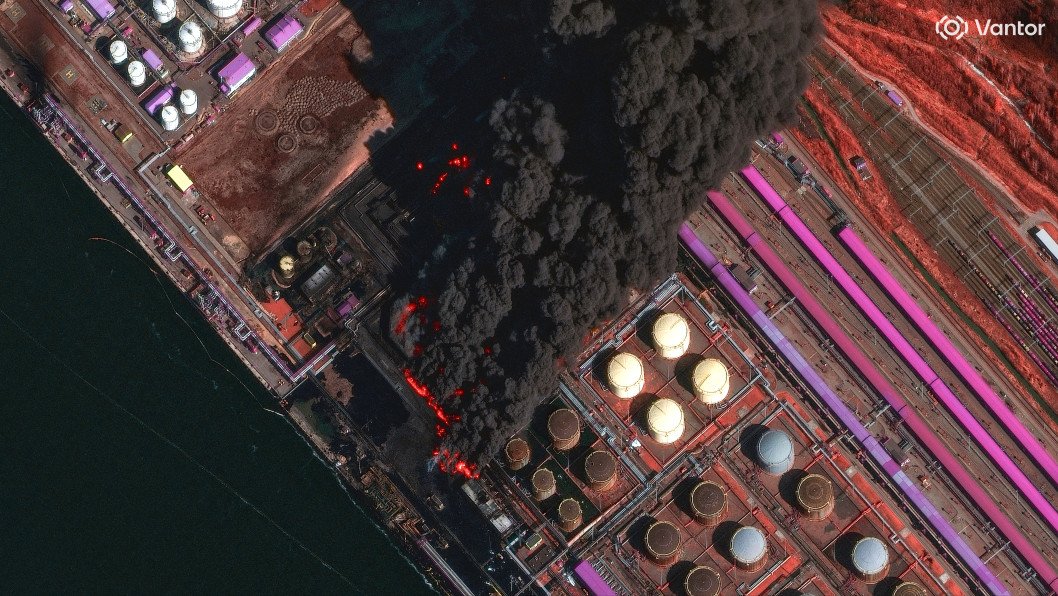
The refinery ranks among Russia's largest, with an annual capacity of about 12 million tons. Ukrainian manufacturer FirePoint reported that its FP-1 drones forced the plant to pause refining and lifted the share of offline Russian refining capacity from 10 to 14 percent.
Russian officials acknowledged strikes across 17 Moscow municipalities as voting in the State Duma elections concluded on September 20.
ISW assessed that Ukrainian forces did not deliberately target polling stations or other electoral infrastructure, and that authorities appeared to place a high turnout above civilian protection.
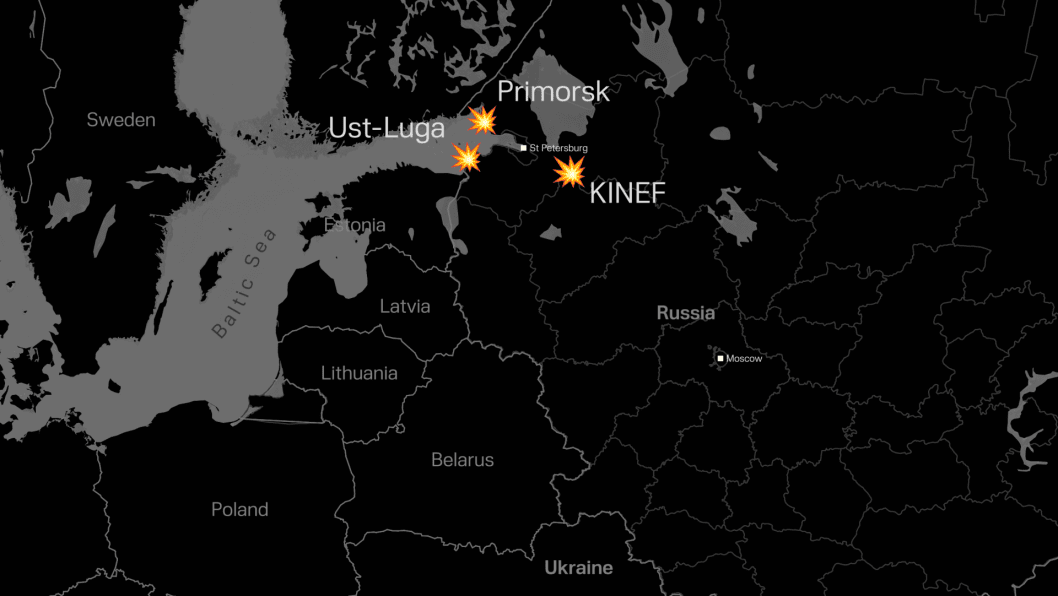
The Moscow refinery strike extended a rapid series of Ukrainian long-range attacks on Russia's oil-processing network.
On September 13, drones hit the TANECO refinery in Nizhnekamsk, Tatarstan, roughly 1,200 kilometers from Ukraine, setting a storage tank ablaze.
The same night, in response to the Russian military aggression, Ukraine strikes damaged a processing unit and a tank farm at the Sloviansk-EKO refinery in the Krasnodar region, one of Russia's largest independent plants, which produces more than 4 million tons of crude a year. A separate strike hit the nearby Slavyansky refinery, which processes about 5.2 million tons annually.
Discuss this article:
-9a7b3a98ed5c506e0b77a6663f5727c5.png)




-c439b7bd9030ecf9d5a4287dc361ba31.jpg "Photo of Katherina Popilnichenko")