- Category
- World
Russia’s Share of Global Inventions Drops Below 0.8% as Patent Filings Hit Historic Low
 Prefer U24 Media on Google
- Authors

-c439b7bd9030ecf9d5a4287dc361ba31.jpg "Photo of Katherina Popilnichenko")
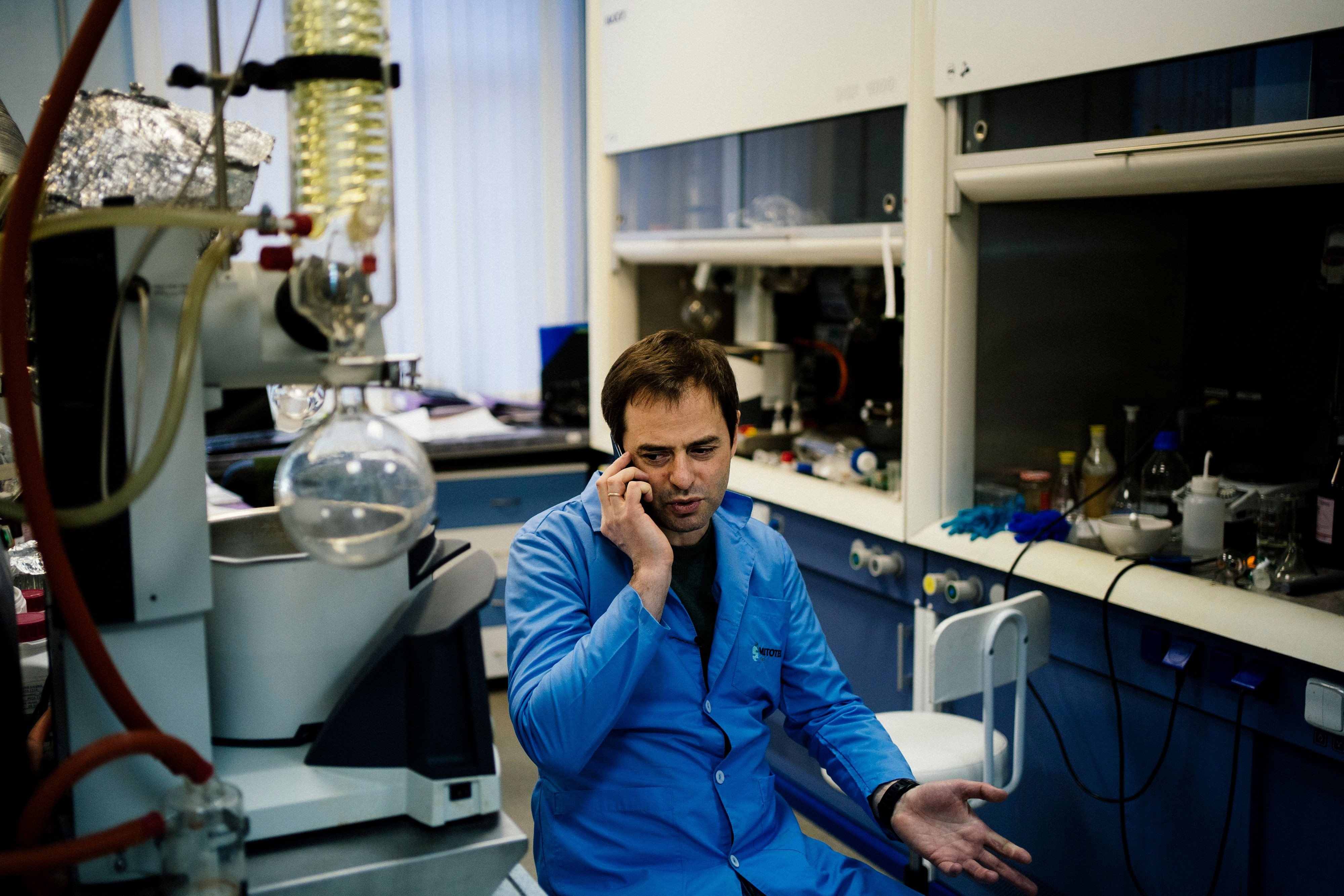
Russia’s portion of global patent applications for inventions fell to 0.8% as of October 2025, according to calculations by the Institute for Statistical Studies and Economics of Knowledge at the Higher School of Economics (ISSEK HSE).
Before Russia’s full-scale invasion of Ukraine, the country accounted for 0.9% of global inventions, down from 1.2% ten years ago and 1.6% in 2010. Over the past 16 years, Russia’s share in world innovation has halved, dropping below the 1% threshold for the first time in modern history as reported by The Moscow Times on August 12.
We bring you stories from the ground. Your support keeps our team in the field.
Leonid Gokhberg, director of ISSEK HSE, noted several years ago that "This has never happened before, even under the conditions of USSR isolation, this share was significantly higher."
Russia currently trails significantly behind other major economies in registered inventions. Its output is less than half that of India and France, which both hold an 1.8% global share. It lags 5.5 times behind Germany at 4.5%, 10 times behind South Korea at 8.2%, and nearly 15 times behind Japan at 11.8%.
The global leaders in innovation remain far ahead, with the United States recording 18.5 times more patent filings than Russia with a 14.8% share, while China registers 58 times more inventions, holding 46.5% of the world total.

Inside Russia, domestic filings have also seen a sharp drop. Last year, Rospatent received 26.4 thousand patent applications for inventions, marking the lowest figure since at least the 1990s.
This total reflects a 25% drop compared to 2020 and nearly a 50% decline from the 44.5 thousand filings recorded in 2010. While domestic applicants saw a modest 1.4% increase in submissions over the past year, filings from foreign applicants dropped to historic lows.
Analysts point to systemic issues within the country's academic environment as a primary factor in this decline. Experts at the Berlin-based organization Science at Risk noted in January that Russia, alongside other authoritarian regimes, is experiencing a "degradation of academic freedom for scientists," which carries risks of "weakening the country's intellectual potential."
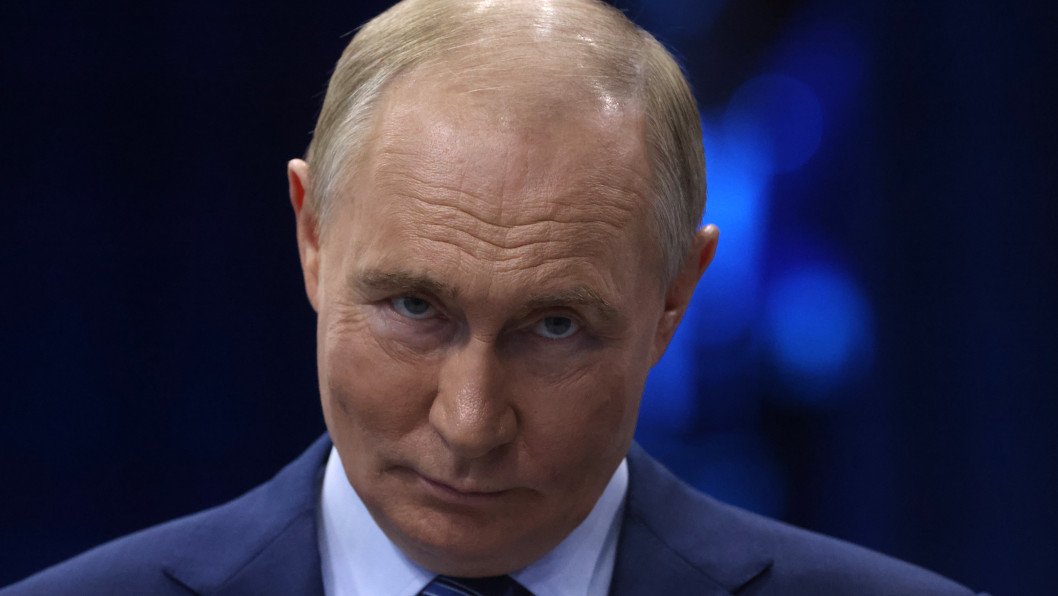
They added that "Restrictions on freedoms, isolation, and an unsafe environment lead to the departure of scientists and students — and this becomes the 'long tail' of a crisis that will affect science and education for years."
The research environment in Russia was relatively open during the 1990s, but conditions began to shift after Vladimir Putin came to power and deteriorated further following Russia’s full-scale invasion of Ukraine.
According to Science at Risk, initial declines in university autonomy, speech restrictions, and reduced international exchanges have evolved into direct political oversight within academic institutions, functioning as "de facto military censorship."
-52de963481c20795b0c54f94bd238840.jpg)
Previously, it was reported that Russia’s domestic spending on research and development has fallen to 0.97% of its GDP, placing it behind Malaysia (1.01%), Egypt (1.03%), and Lithuania (1.05%).
The data shows a significant gap between Russia and global leaders in research funding. Israel leads the world by allocating 6.35% of its GDP to R&D, which is more than six times Russia's share.
Discuss this article:

-111f0e5095e02c02446ffed57bfb0ab1.jpeg "Photo of Roman Kohanets")


-72b63a4e0c8c475ad81fe3eed3f63729.jpeg "Photo of Cyril Barabaltchouk")