- Category
- World
Russia’s Spy Teens: How the Kremlin Grooms Europe’s Youth
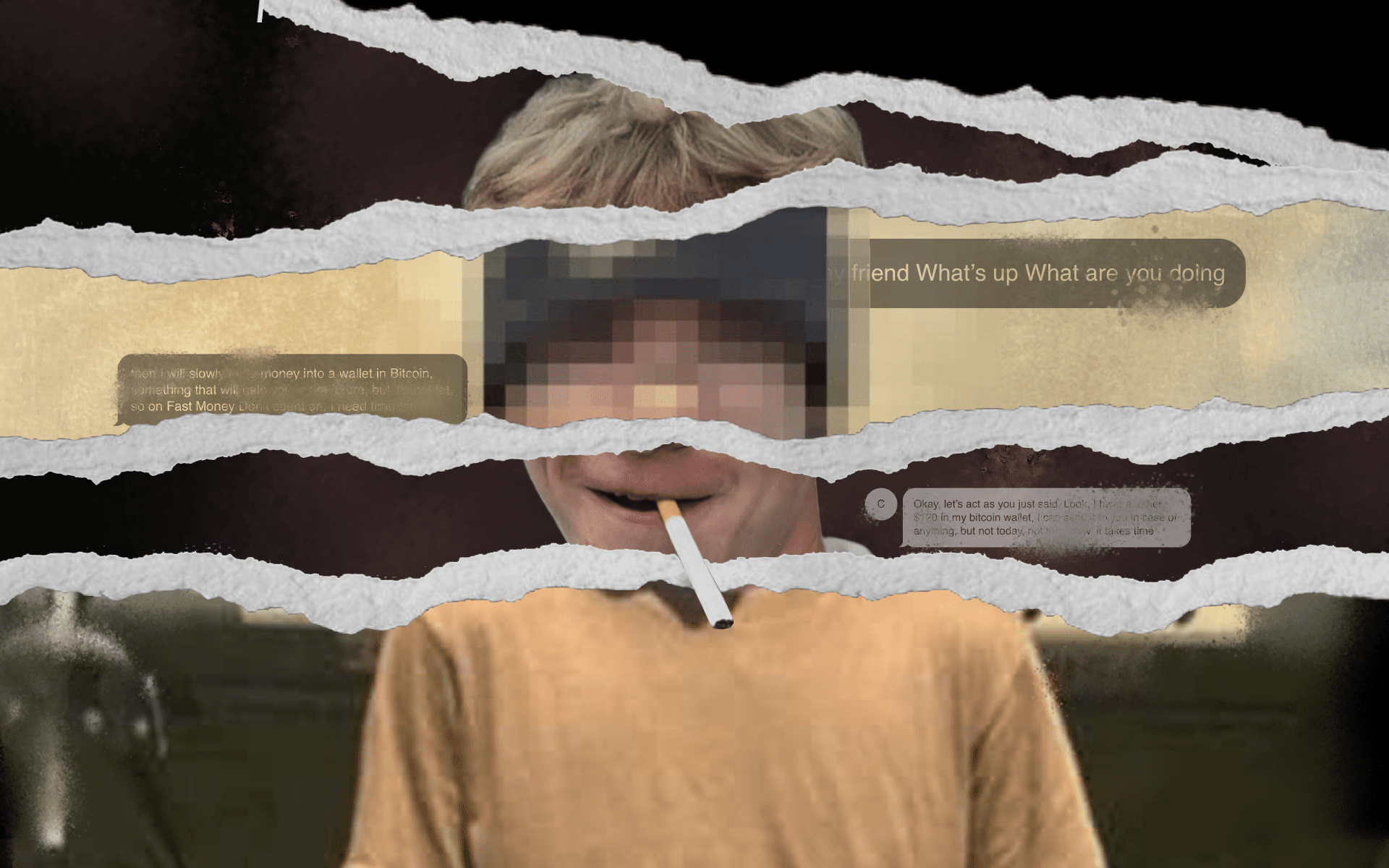
Russia is turning teenagers in Europe into tools of espionage and sabotage, offering pocket money for deadly missions. The UK and the EU warn that this hybrid war campaign is only escalating.
 Prefer U24 Media on Google
- Authors

-46f6afa2f66d31ff3df8ea1a8f5524ec.jpg "Photo of Jess Daly")
Schoolchildren from the UK have been arrested by detectives, suspected of being hired by Russia and Iran to carry out sabotage acts against their own country, Commander Dominic Murphy, head of the Metropolitan police’s counter-terrorism unit, said on July 15, 2025.
Russia and the Soviet Union have a rich tradition of recruiting spies and conducting acts of sabotage. Historically, militaries have enlisted ordinary people for espionage, and Soviet agencies back in the Cold War era would go to great lengths to train them.
Europe now is not a second Cold War but a very real hot war, where ethical restraints, including those for the intelligence agencies, become the first casualty.
Since Russia’s full-scale invasion of Ukraine, Russia has turned to recruiting children, approached via social media, mainly Telegram channels, and offered money to conduct the Kremlin’s dirty work. European intelligence officials warn that Russia’s espionage and sabotage campaign across Europe is only escalating.
Russia is increasingly targeting children to conduct espionage
The UK is seeing Russia, Iran, and China “undertaking threat-to-life operations in the UK,” Murphy said. Children as young as 13 across the UK are being arrested on terrorism charges.
The threats from these three states account for more than a fifth of the counterterror policing network’s caseload in the UK, Vicki Evans, the UK’s Counter Terrorism Policing Senior Coordinator, said.
A prevent-style scheme is needed for children amid threats that have risen far more than expected across the country, Murphy added.
Young people [are] being drawn into [being] influenced by the Russian state, Wagner … We do need to think differently about how we might speak to these people about the realities of the risk they are taking.
Head of the Metropolitan police’s counter-terrorism unit
The threat is now five times higher in the UK since Russia’s 2018 Novichok nerve agent attack in Salisbury.
“While the Russian military grinds away on the battlefield, at horrendous human cost, we’re also seeing Putin’s henchmen seeking to strike elsewhere, in the misguided hope of weakening Western resolve,” MI5 Director General Ken McCallum said.
These operations are part of Moscow’s hybrid warfare on Ukraine and the West, while being falsely framed by the Kremlin's propaganda as acts of resistance. The recruits are considered disposable and provide plausible deniability for Kremlin operations.
Canadian pressured into spying for Russia in Europe
One of the most notable cases is that of the Canadian teenager Laken Pavan. In May 2024, he confessed to hotel staff in Poland, then police, that he was working for Russia as a spy.
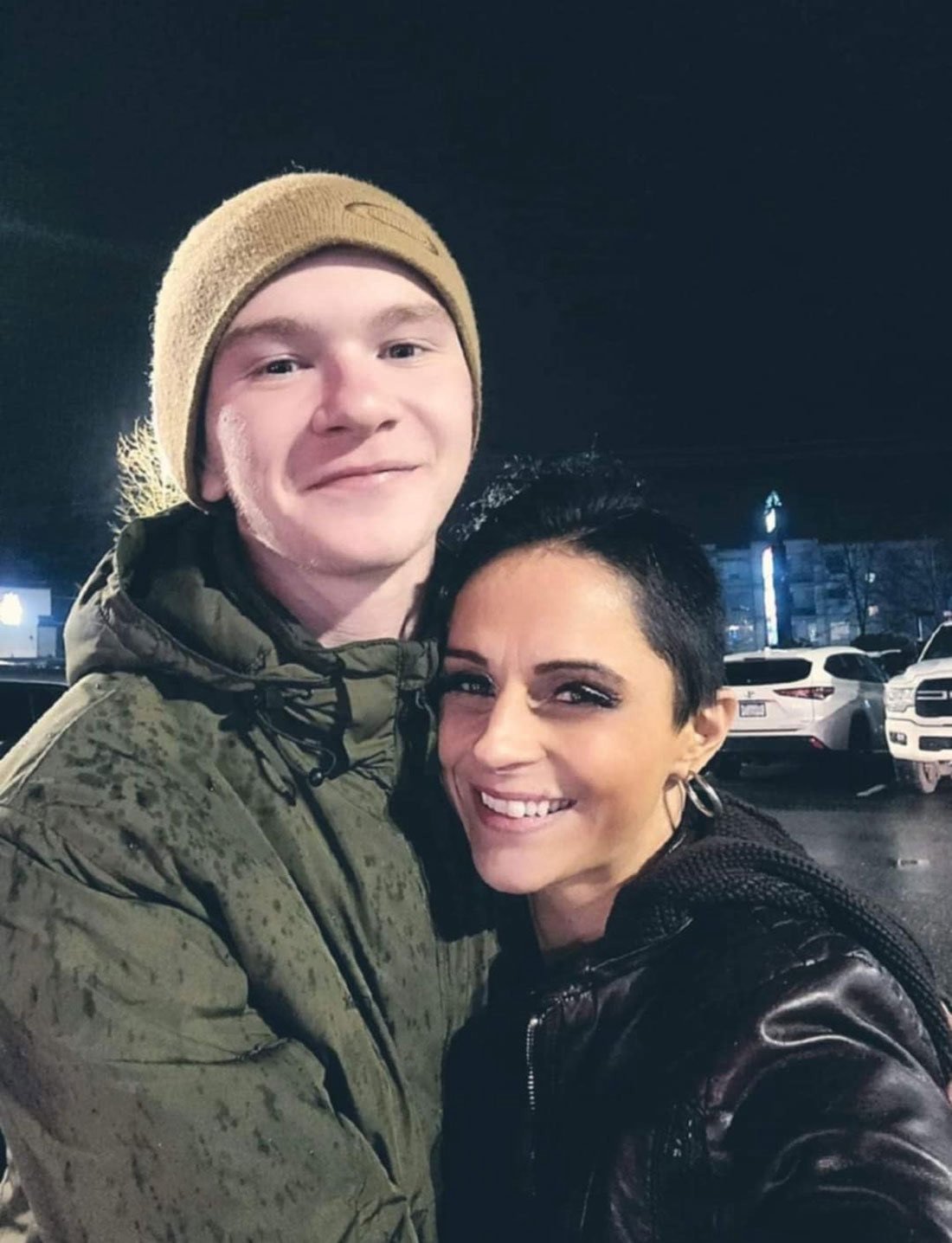
Pavan told Polish investigators that he went to Donetsk expecting to volunteer with a humanitarian group, but according to reports, he only volunteered for about a week.
One night, he was drunk in Donetsk and was arrested by Russian authorities. Pavan told Polish prosecutors that he had a bag put over his head and was interrogated by a group of at least six FSB officers.
Several days later, he was pressured into engaging in espionage, or be killed, Pavan said.
This work was to consist of traveling around Europe and taking photos. In Ukraine, on the other hand, I was to enlist in the Ukrainian army; I was to receive detailed instructions for this later, after arriving in Ukraine.
Lekan Pavan
Pavan was given a mobile phone and three SIM cards to communicate with his handler, known as “Slon.” He was told to go to Poland and collect information on the Polish military and make contacts there, despite only being able to speak English.
Slon instructed Pavan to report his passport as stolen, to hide his stopover in Russia. The courts stated that there was no evidence of Pavan giving any sensitive information to the handler. He has since been charged and is due to be released in 2026.
Bitcoin wallets funding teenage spies
Pavan was paid in small amounts of Bitcoin , commonly used to fund these Russian operations.
An investigation by Reuters and bitcoin analysts traced the Bitcoin wallets used to pay Pavan and found that one of the wallets has processed over $600 million since its creation in June 2022.

The wallet has transferred bitcoins to a crypto exchange called Garantex, Global Ledger said, which has been sanctioned by the EU and the US for its close association with sanctioned Russian banks.
“Transactions from wallets linked to the FSB followed a structured laundering pattern, involving fund splitting, mixing with larger sums, and routing through unconnected deposit wallets,” Global Ledger told Reuters reporters. Attributing a cryptowallet to an adversary is difficult; often, the owners of these wallets are untraceable.
In December 2024, the UK’s National Crime Agency uncovered a Moscow-based multi-billion-dollar money laundering operation embedded in UK street gangs.
The Russian network stretches across 30 different countries, allowing drug dealers to exchange their cash for cryptocurrency.
Semen Kuksov—the son of a Russian oil executive, Vladimir Anatolyevich Kuksov—collected more than £12m in drug money over just 10 weeks to exchange into virtual cash. He was jailed for almost 6 years in February 2024.
The same network was also found to fund Russia’s espionage operations.
Working for Russia means death
Russia’s security services are also exploiting Ukrainian children, offering up to $1,000 for tasks like photographing military equipment, setting fire to strategic sites, and in some cases instructed to plant explosives.
Since the spring of 2024, Ukraine’s security services have detained over 700 individuals linked to espionage, arson, and bombing plots coordinated by Russian intelligence. Around 175 of them—roughly a quarter—were minors under the age of 18.
On March 11, 2024, two Ukrainian teenagers were heading to plant an explosive device in Ivano-Frankivsk, western Ukraine, when Russian agents detonated the bomb remotely, killing one and hospitalizing the other.
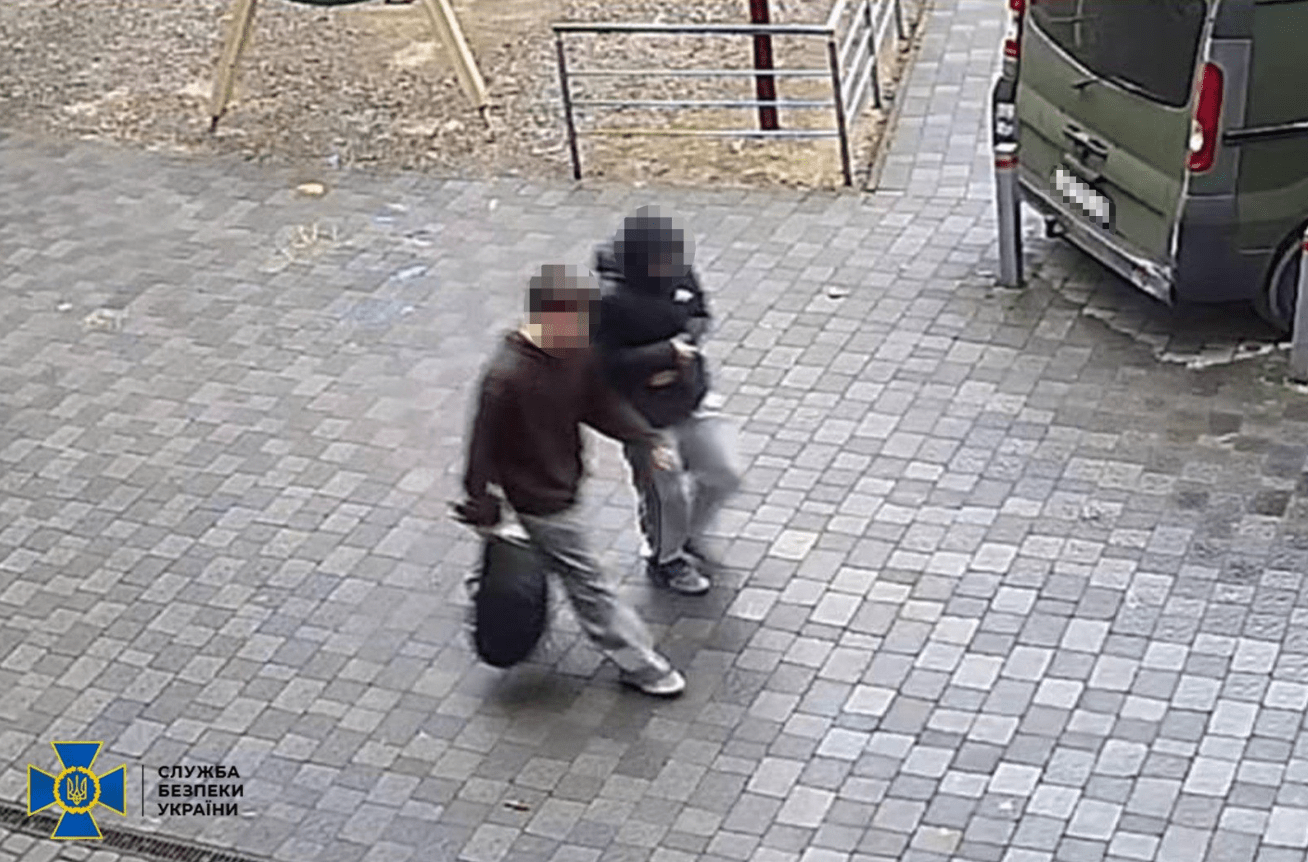
Russian intelligence attempted to turn a 15-year-old Ukrainian girl into a suicide bomber, forcing her to carry an explosive device hidden in a thermos flask into a police station in Chernihiv.
One of the most alarming incidents took place in Kharkiv, where a 19-year-old woman was arrested for allegedly carrying out a bombing that targeted a military-donated e-scooter, killing one Ukrainian soldier and injuring another.
Local authorities said that she had responded to a job advertisement on Telegram and received instructions from Russian operatives on how to assemble and plant the explosive device.
A recent UN report argues that children who are recruited to “commit sabotage and arson targeting military objects or public property with links to the military” in Ukraine are victims of war crimes.
“Should these incidents be linked to the armed conflict, such use of children would be in violation of the prohibition in international law on the recruitment or use of children in hostilities,” the UN report added.
How untrained youth are recruited through social media
Children are increasingly being recruited online through social media, messaging apps, gaming platforms, and streaming services, raising concerns about online radicalization, the European Parliament reported.
A Russian-linked Telegram network inciting terrorism and hate crimes across the UK is offering cash rewards for those conducting the crimes. The network has offered “£2,500 or more than $3300 to anyone willing to burn a British police vehicle and a cash prize of £100, more than $130 for videos of vandalism against mosques.”
The channels have also been hosting a “library of terrorism manuals, including instructions on how to make homemade explosives, remote detonators, landmines and grenades with blueprints for 3D printers.”
The channels are linked to a recent wave of vandalism against Islamic centers in London, in which at least seven mosques and Islamic schools have been targeted.
-9f68eb75f0626350a3188a987a41405a.png)
Ukraine’s security services (SBU) have now launched a Telegram chatbot called “Burn the FSB Agent,” encouraging citizens to report Russian recruitment attempts.
From mid-December 2024 to April 2025, more than 1,300 reports were made.
"Russia will reach out and recruit anybody it can, because that is now very much cheaper and easier thanks to online access," Keir Giles, a senior consulting at Chatham House said.
Russia places very little value on the people that it recruits. They are disposable.
Keir Giles
Chatham House
In June 2025, Lithuania’s Ministry of Education formally advised all schools across the country about Russian intelligence services potentially attempting to recruit teenagers for covert activities.
The warning emphasized that they’d likely be approached via social media, while there have been no documented cases at the time of the advisory, the warning is part of a broader Baltic alert.
As Moscow's war in Ukraine goes on, sabotage is likely to intensify, an unnamed senior security official told the Guardian. “They (Russia) are crossing one red line after another, and we don’t know how far they will go,” the official said.
Discuss this article:

-c439b7bd9030ecf9d5a4287dc361ba31.jpg "Photo of Katherina Popilnichenko")



-72b63a4e0c8c475ad81fe3eed3f63729.jpeg "Photo of Cyril Barabaltchouk")