- Category
- World
Türkiye Could Offload Its Russian S-400s to the Gulf in Bid to Rejoin America’s Defense Club
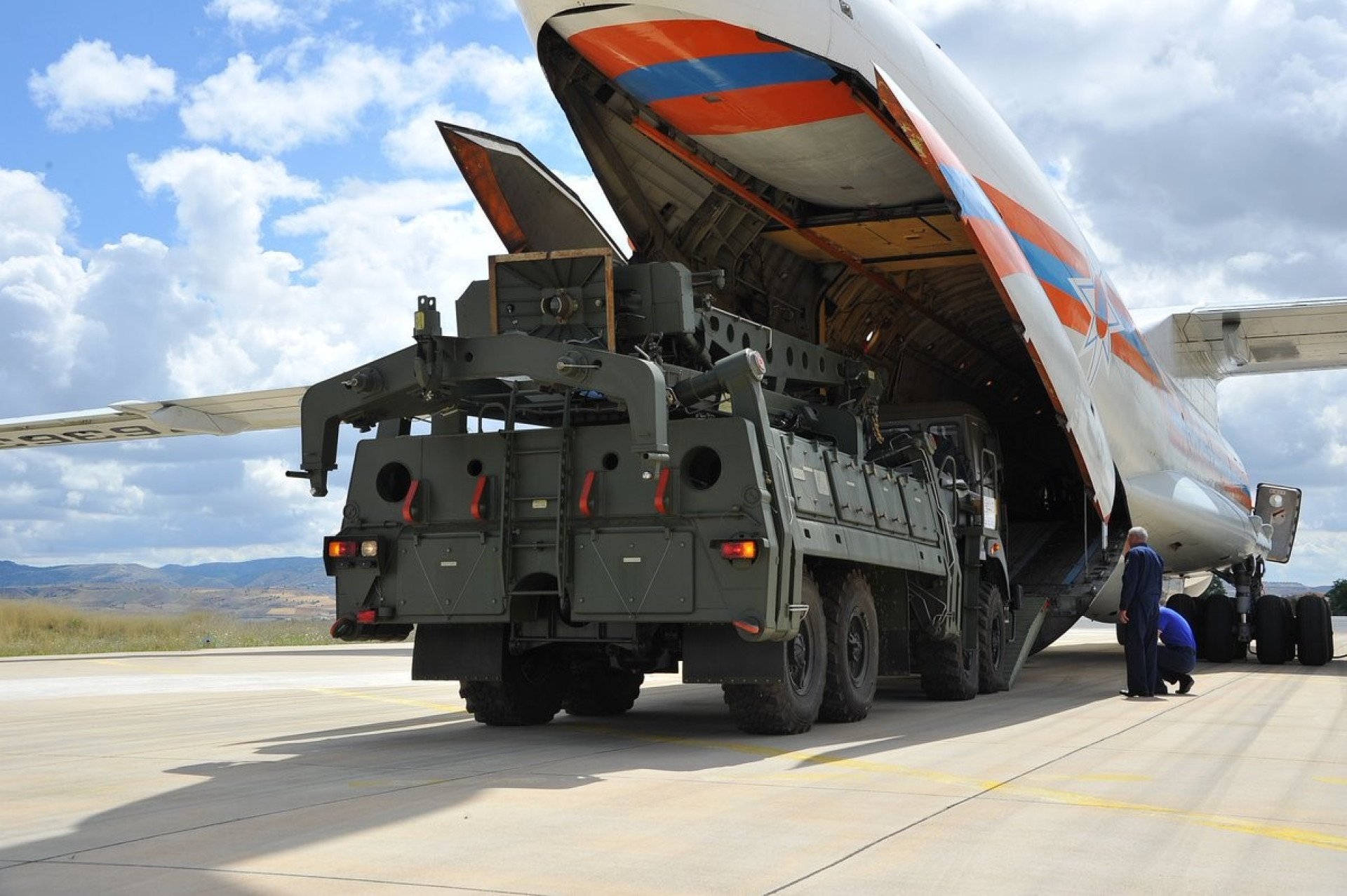
Türkiye may have finally found a way out of its $2.5 billion Russian S-400 problem: sell the systems to a Gulf state, satisfy Washington’s demands, and reopen the door to US defense cooperation, F-35 talks, and engines for its KAAN fighter.
 Prefer U24 Media on Google
- Authors


Türkiye is reportedly preparing to sell its Russian-made S-400 air defense systems to a Gulf country in a move aimed at removing US sanctions and restoring full defense cooperation with Washington, Turkish newspaper Hürriyet reported on July 10.
We bring you stories from the ground. Your support keeps our team in the field.
According to the outlet, the deal has already been fully agreed, with the final obstacles removed overnight. An official announcement could come soon.
The most likely buyers are believed to be either the United Arab Emirates or Qatar.
For Ankara, the sale would not simply be a weapons transaction. It would be a way to get rid of one of the most politically expensive military purchases in modern Turkish history.
Türkiye bought the S-400 from Russia for $2.5 billion, but the deal triggered US sanctions, led to Ankara’s removal from the F-35 program, and froze part of its defense relationship with Washington.
Defense Express described the system as a “toxic suitcase without a handle”—expensive, politically damaging, and increasingly difficult for Türkiye to justify keeping.
What Washington wants
According to Hürriyet, selling the S-400 is a condition for lifting US sanctions. For that to happen, President Donald Trump would need to send a special letter to Congress.
Washington has reportedly put forward three main demands: Türkiye must not use the S-400, must give up ownership of the Russian systems, and must guarantee that similar military-technical cooperation with Russia will not continue.
The S-400 issue has been at the center of US-Turkish defense tensions since 2019, when Ankara received the systems from Russia. Washington argued that the Russian air defense system posed a security risk to NATO and was incompatible with Türkiye’s participation in the F-35 program.
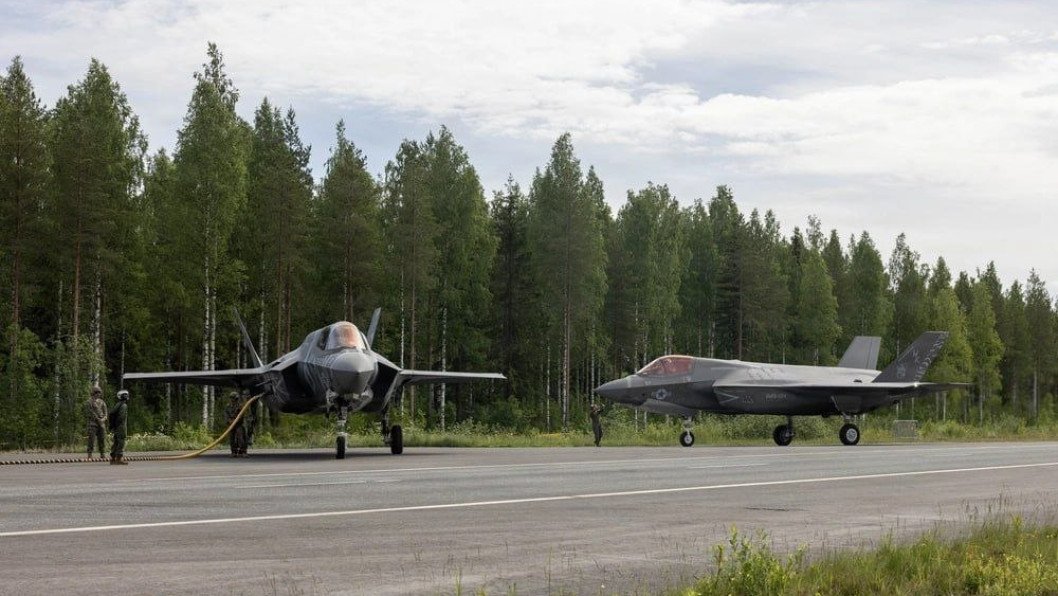
Türkiye had been a Level III partner in the F-35 program, alongside countries such as Australia, Canada, Denmark, and Norway. Turkish companies were expected to produce more than 900 parts for the fighter jet, which Ankara estimated could have brought around $9 billion in revenue over the program’s lifetime.
What Türkiye could get in return
If the S-400 sale clears the way for sanctions relief, Türkiye expects a triple benefit.
First, Ankara would remove the CAATSA sanctions that have restricted its defense cooperation with the United States.
Second, Türkiye hopes to secure engines for its KAAN fifth-generation fighter program.
Third, the deal could reopen the possibility of F-35 deliveries, although any Turkish return to the program would likely come under different terms than before.
Germany, Italy, Japan, South Korea, and other US allies have all shown how critical American technology remains for modern combat aircraft programs. For Türkiye, removing the S-400 obstacle could be the price of returning to that defense ecosystem.
What Türkiye actually bought from Russia
Türkiye’s Defense Ministry officially announced the selection of the S-400 in February 2017, saying the system would operate separately and would not be integrated into NATO’s air defense network.
The contract was signed on April 11, 2017, and was worth $2.5 billion.
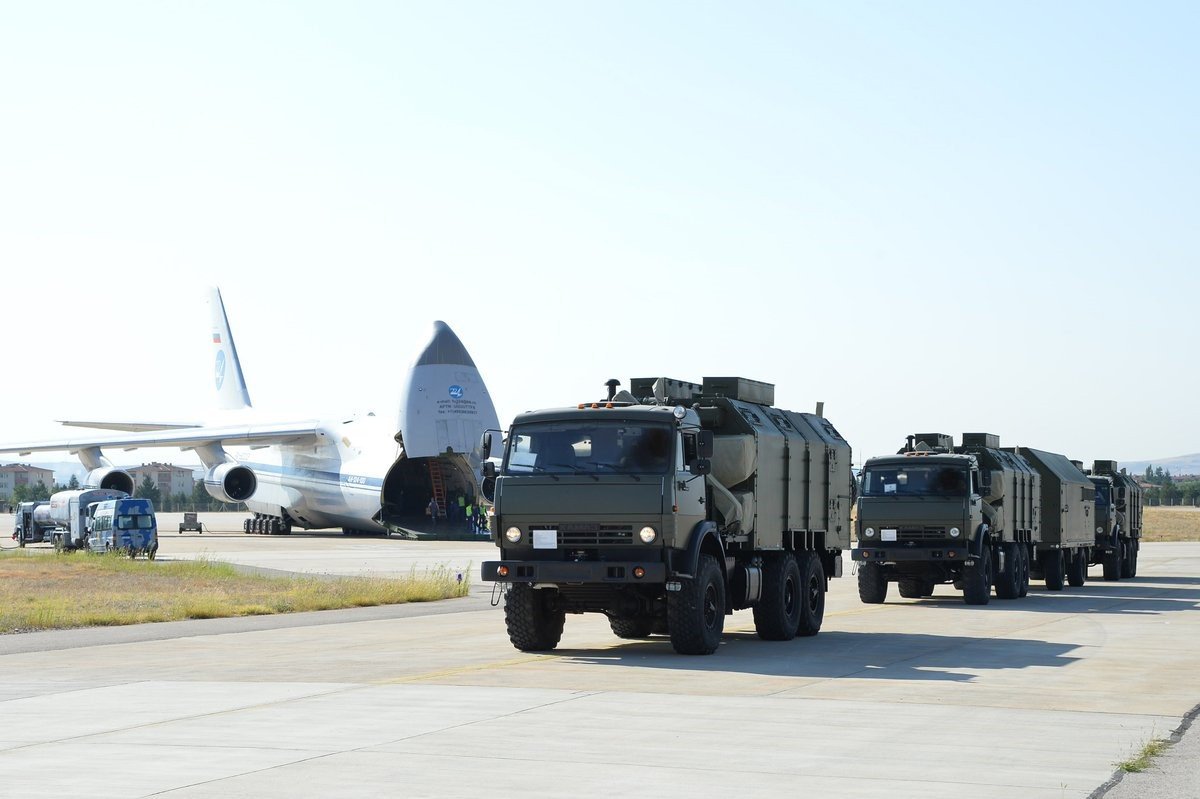
The deal covered two S-400 regimental sets, or four batteries. The exact export configuration was never officially disclosed, but analysts generally assess that each set could include a 55K6E command post, a 91N6E acquisition radar, 92N6E multifunction engagement radars, and two batteries with up to nine 5P85TE2 or 5P85SE2 launchers each.
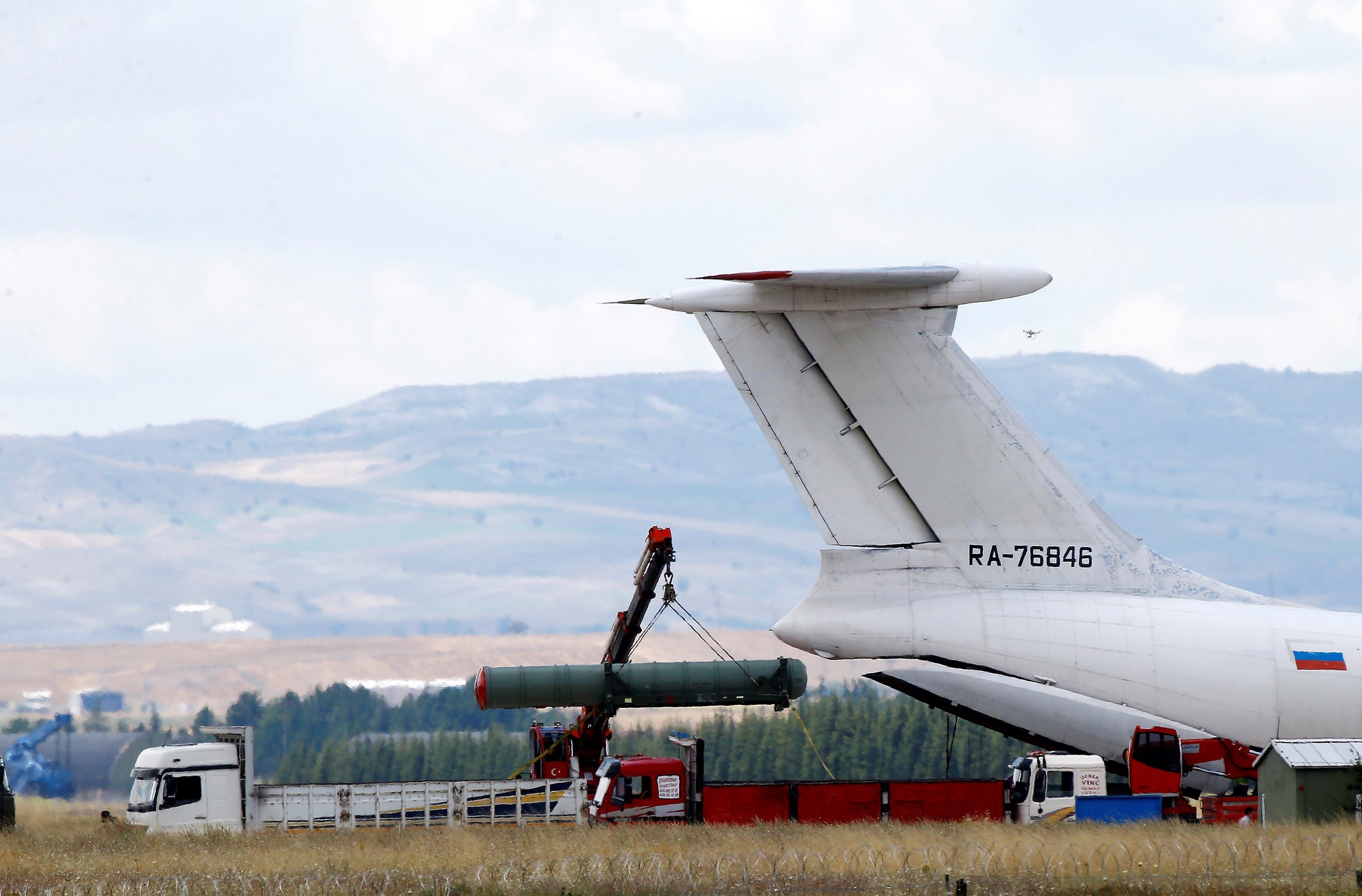
The package included 48N6E3 missiles with a range of up to 250 kilometers. It is possible that 40N6 missiles with a range of up to 400 kilometers were also supplied, but this has not been confirmed.
Deliveries began in July 2019 using An-124 transport aircraft and were completed in 2020.
[New 🇷🇺 loss detected]
— LostWar Bot (@LostWarBot) July 6, 2026
A Russian 51P6 launcher of the S-400 Triumph complex, based on the MZKT-7930, was destroyed near the village of Kosenki in the Bryansk region. pic.twitter.com/rqIvKNavkD
Why Gulf buyer makes sense—and why it is still awkward
Defense Express noted that rumors about Türkiye wanting to get rid of the S-400 have circulated actively since 2025, with Turkish-US negotiations reportedly beginning in the fall of that year.
Earlier options reportedly included returning the systems to Russia or selling them to South Korea. A sale to Qatar or the UAE had not previously been the main public scenario, but it looks plausible.
According to Defense Express, Gulf states are now looking for additional air defense capacity amid the threat from Iran and Iranian-linked drones and missiles. That could make any available air defense system attractive, even one carrying major political baggage.
But there is an obvious catch: Russian air defense systems have not exactly enjoyed a brilliant reputation in recent wars.
-aaca08d17834dc695b5a72974ac4305b.png)
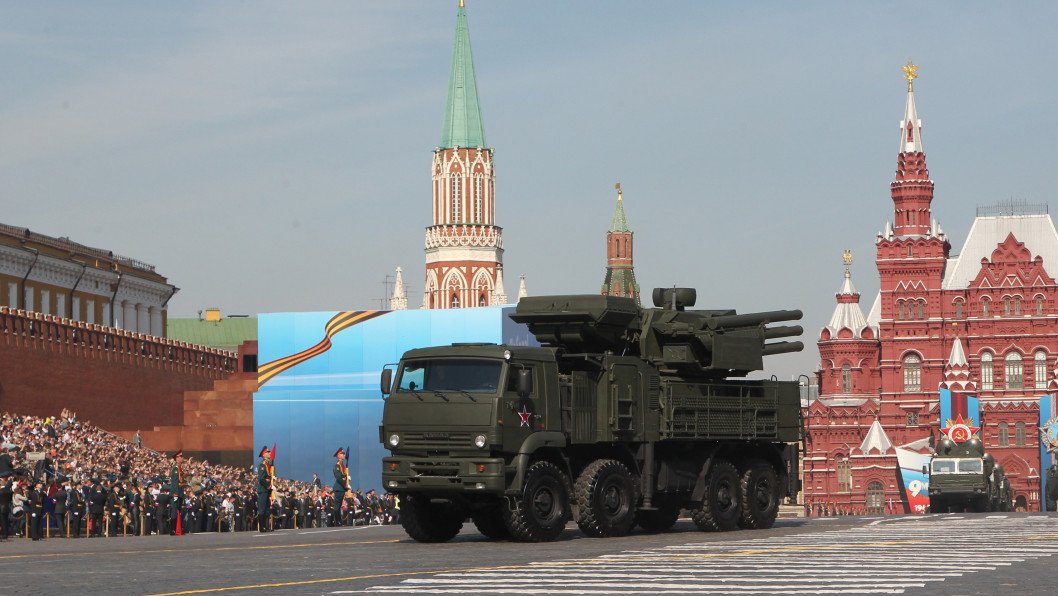
Russian systems have been repeatedly destroyed in Ukraine, including S-300, S-400, and Pantsir. Ukrainian drones and missiles have also continued penetrating Russian air defense coverage around Crimea, oil refineries, military airfields, and logistics hubs.
The Middle East has raised similar questions. Several Gulf states previously bought Russian Pantsir systems in expensive deals, but drone attacks linked to Iran still got through.
The UAE, Saudi Arabia, and Iraq all operate Russian Pantsir systems, originally acquired partly to counter Iranian drone threats.
The UAE bought around 50 Pantsir-S1 systems in 2000, while Saudi Arabia reportedly signed a deal around 2021 for 39 Pantsir-S1M systems worth about $2.3 billion. Iraq purchased 24 systems before 2014. Yet publicly available footage and regional incidents have shown drones reaching sensitive sites, including oil infrastructure and military facilities.
That context matters because a Gulf buyer of Türkiye’s S-400 would not only be buying a Russian system. It would also inherit questions about missiles, spare parts, maintenance, sanctions exposure, and battlefield reputation.
Russia’s air defense reputation not helping
The S-400 remains one of Russia’s most advertised weapons exports, but its political and operational value has become harder to sell.
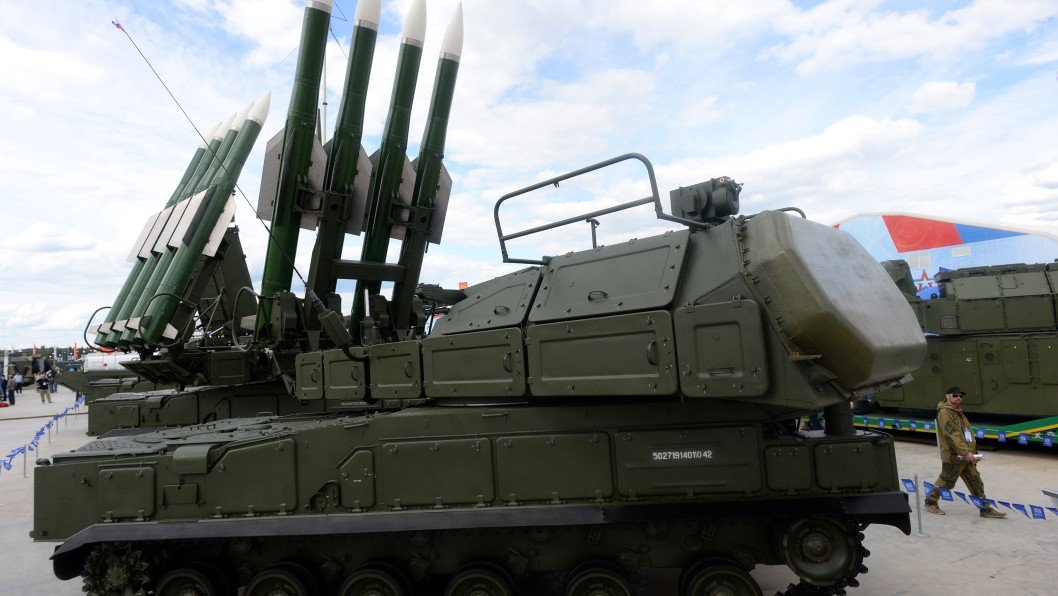
In Ukraine, Russian air defense systems have been hunted systematically by drones, missiles, special operations forces, and long-range strike campaigns. Their losses have forced Moscow to move older systems back into service, including large Soviet-era radar platforms.
At the same time, Russia is burning through its own air defense ammunition while trying to protect the front line, occupied Crimea, Moscow, oil refineries, airfields, and military plants deep inside its territory.
That raises a practical question for any new S-400 buyer: where will the missiles, maintenance, and long-term support come from if Russia itself is under pressure?
For Türkiye, that question may be exactly why the system has become more of a burden than an asset. Ankara paid billions for the S-400, lost access to the F-35, was hit with sanctions, and never integrated the system into NATO defenses.
Now, if the Hürriyet report is confirmed, Türkiye may finally be trading away the Russian system that cost it years of trouble—for a chance to return to Western defense cooperation.
Discuss this article:
-9a7b3a98ed5c506e0b77a6663f5727c5.png)


-c439b7bd9030ecf9d5a4287dc361ba31.jpg "Photo of Katherina Popilnichenko")


-72b63a4e0c8c475ad81fe3eed3f63729.jpeg "Photo of Cyril Barabaltchouk")