- Category
- World
Ukraine Targets Russian Military Supply Chains With New Sanctions
 Prefer U24 Media on Google
- Authors

-c439b7bd9030ecf9d5a4287dc361ba31.jpg "Photo of Katherina Popilnichenko")
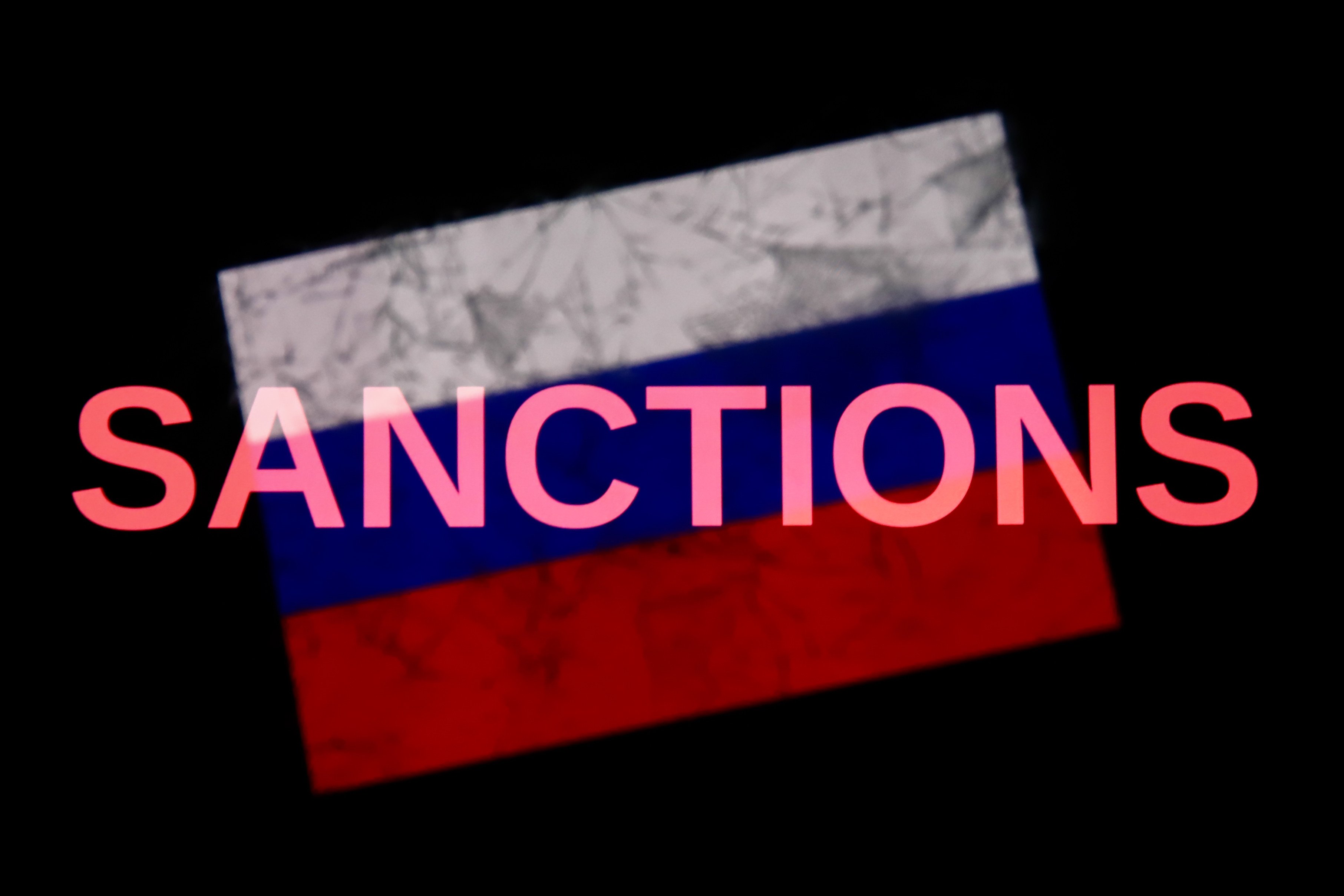
President Volodymyr Zelenskyy signed new decrees on May 12 imposing sanctions on Russian individuals and companies supplying products to Russia’s military-industrial complex, as well as entities involved in circumventing existing international restrictions.
We bring you stories from the ground. Your support keeps our team in the field.
The new measures include the extension of sanctions against 13 individuals and 21 companies that were originally blacklisted in 2023. Officials noted that four enterprises from that previous group have since stopped their illegal activities.
Among those with extended sanctions are individuals linked to the financial-industrial group VS Energy Management, which was established by Russian citizens connected to organized groups.
A second decree applies sanctions to 32 Russian companies and 34 individuals, many of whom are directors or founders of these businesses. The list focuses on companies involved in supplying goods for S-300 and S-400 missile systems, as well as Topol, Yars, and Iskander ballistic missiles. It also targets manufacturers of gunpowder, rocket fuel, and ammunition components.
The sanctions also impact Russian enterprises producing radio-technical reconnaissance equipment and specialized aircraft. Additionally, the measures target companies integrated into supply chains that bring high-precision industrial equipment and electronic components into Russia by evading sanctions.
The list includes individuals who attempted to organize the lifting of American sanctions and soften the position of the European Union toward Russia.
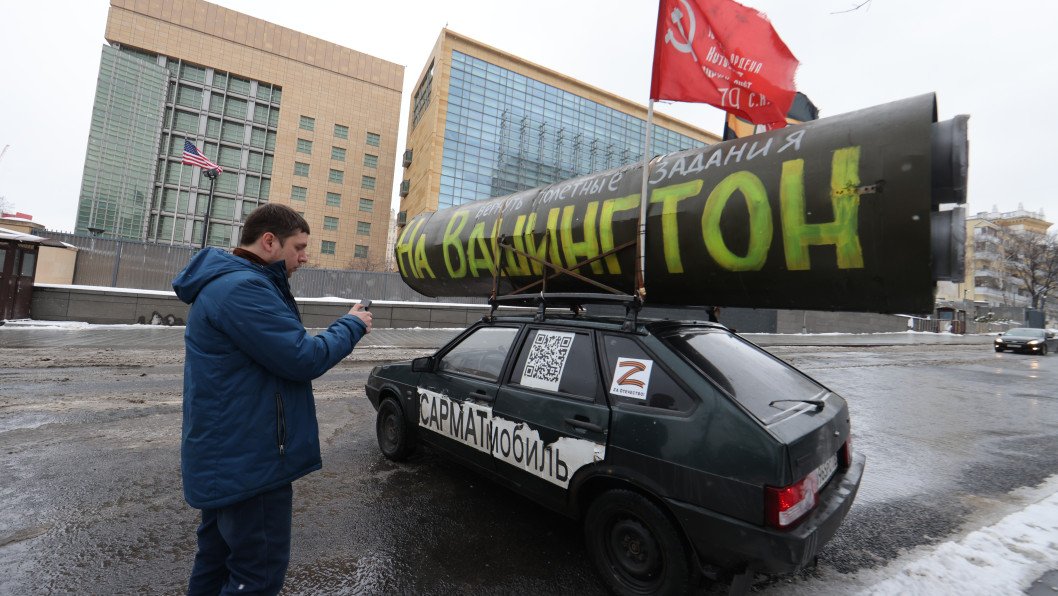
Vladyslav Vlasyuk, the Presidential Advisor on Sanctions Policy, commented on the strategic importance of these actions.
“We continue systematic work to identify key enterprises of the Russian defense industry. The introduction of sanctions against such companies significantly complicates their international commercial activities, access to technology, financing, and global supply chains. Each sanction decision means fewer opportunities for the production of Russian missiles and drones that the enemy uses against Ukraine,” he stated.
Ukraine intends to share all relevant data with international partners to ensure that sanctions are synchronized across different jurisdictions.
Previously, the European Union officially approved its 20th package of sanctions against Russia, which included over 100 individual restrictions and increased pressure on the energy sector and the "shadow fleet."
The package also introduced new actions against financial institutions in third countries and companies that supported the Russian military-industrial complex. These measures strategically targeted key sectors that funded Russia’s full-scale invasion of Ukraine, including a ban on port access for 46 additional vessels and new restrictions on the export of specialized technology.
Discuss this article: