- Category
- Culture
Ai Weiwei on the Frontlines of Art and War: From Chinese Detention to Ukraine, an Interview
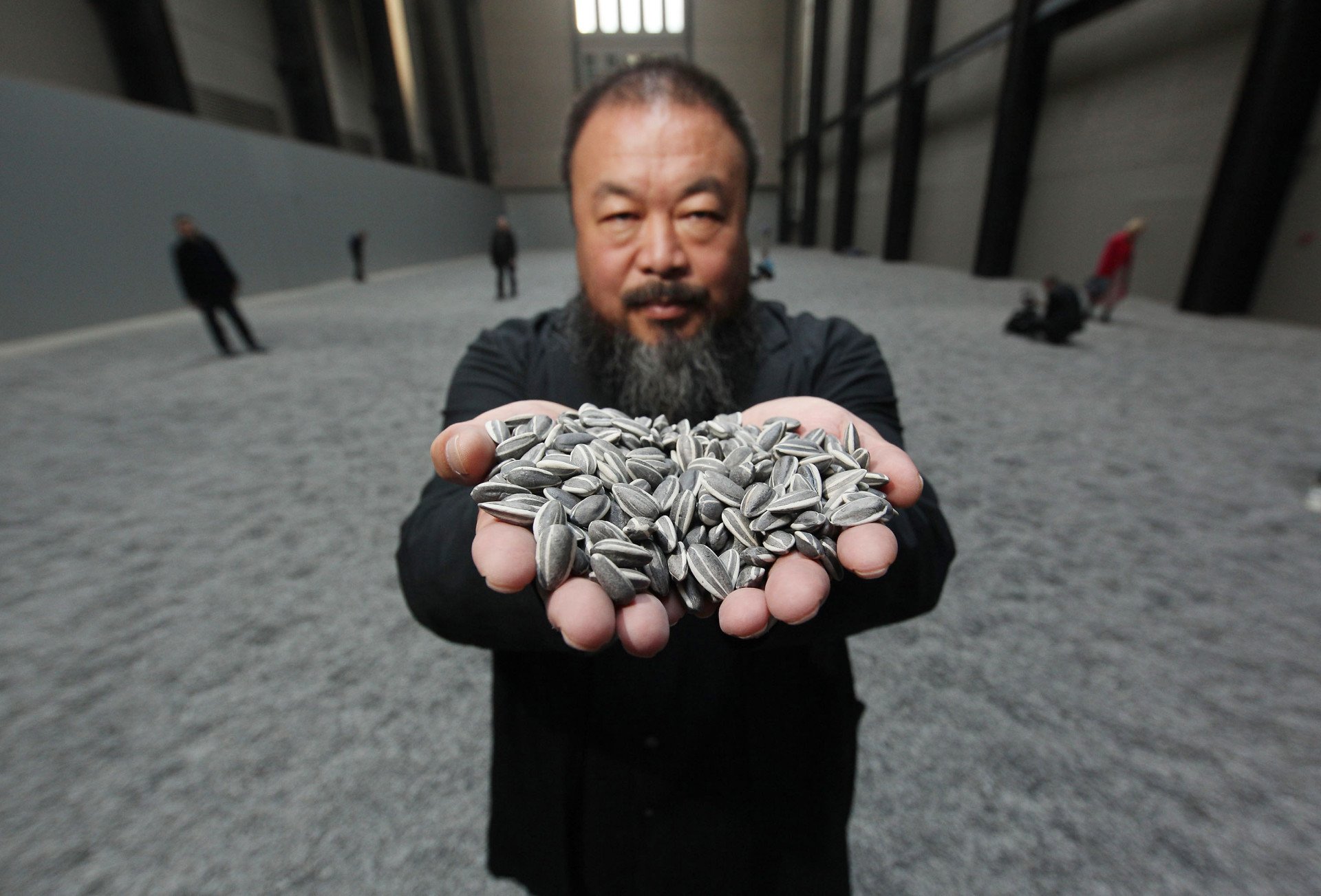
From smashing a 2,000-year-old Han dynasty urn to carpeting the vast halls of the Tate Modern with millions of ceramic sunflower seeds, the career of Chinese artist Ai Weiwei has been defined by large-scale statements. The very established artist, who started off as a dissident not only in China but in the art world itself, talks to us about his time in Ukraine.
 Prefer U24 Media on Google
- Authors

-554f0711f15a880af68b2550a739eee4.jpg "Photo of Lucile Brizard")
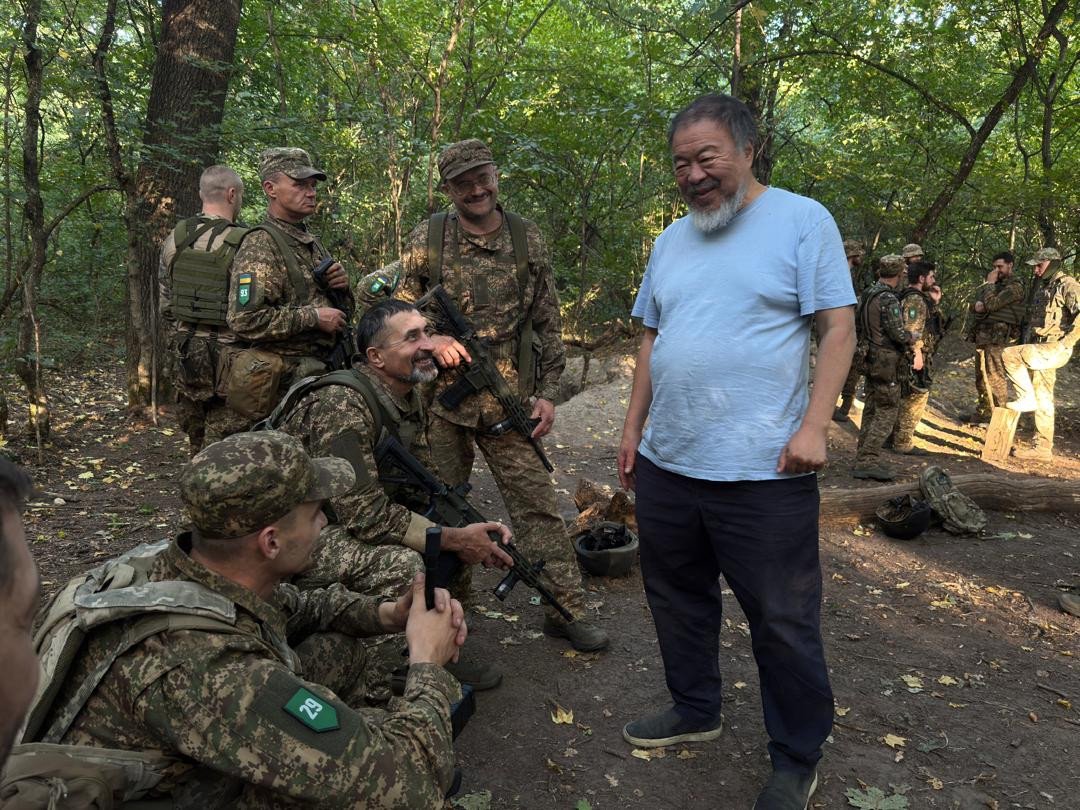
The renowned Chinese artist, Ai Weiwei, has visited Ukraine many times since 2025. Presence can be seen as an act of solidarity, he says. Indeed, Ai was seen on the Ukrainian frontlines beside the 13th “Khartiia” Brigade. Then, he opened up a new installation—Three Perfectly Proportioned Spheres and Camouflage Uniforms Painted White—at Kyiv’s Pavilion 13.
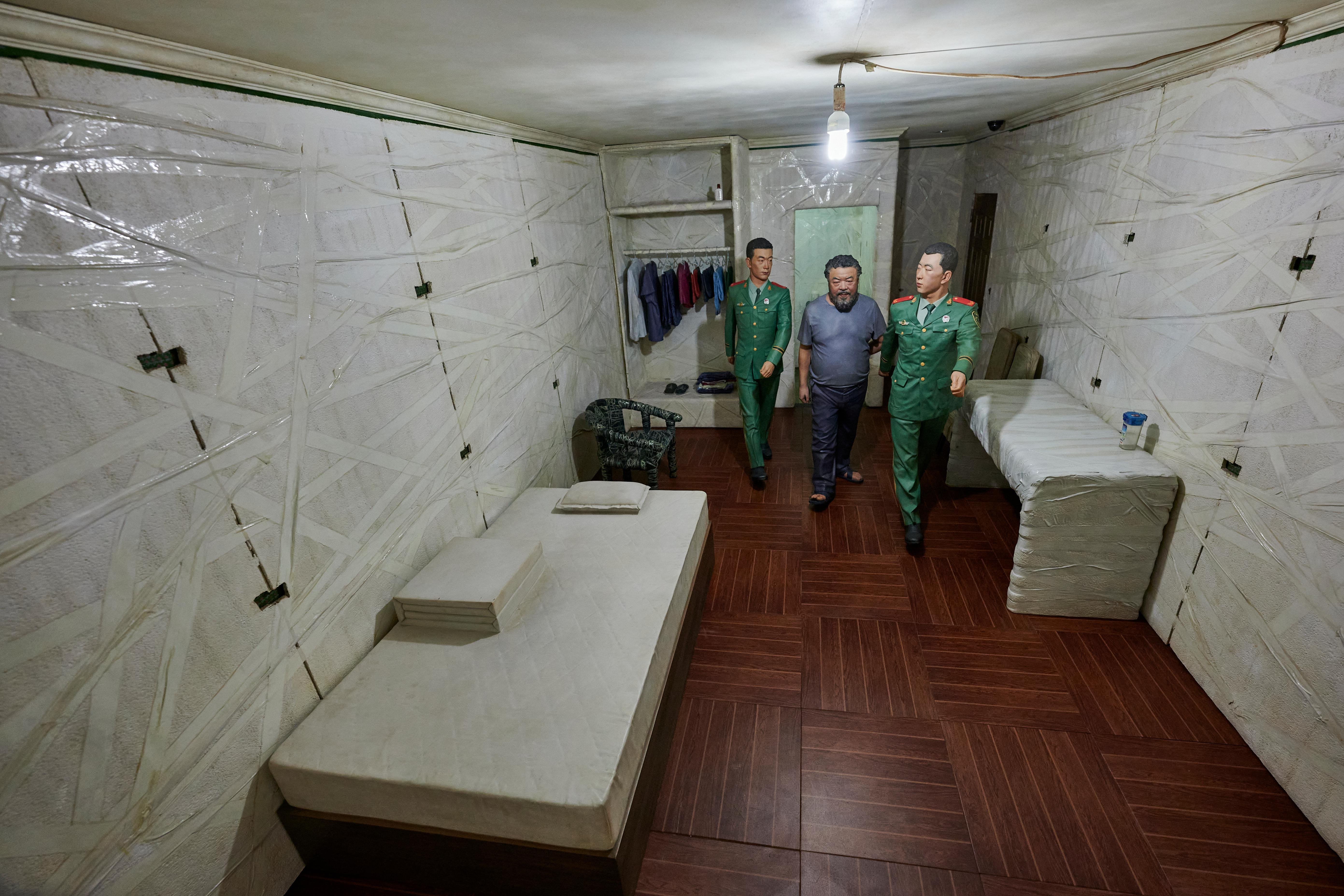
Detained by Chinese Authorities for alleged tax evasion in 2011, Ai was kept in a cell 4m by 4m (170 sq ft) for more than 80 days, describing the experience as “close to death.” The imprisonment shaped his understanding of the human spirit and what it can endure, Ai stating that in war, “The highest principle is to protect oneself.”
Never shy of controversy, the artist’s works span from millions of ceramic sunflower seeds on the Tate Modern’s Turbine Hall floor to “Dropping a Han Dynasty Urn.” The previously mentioned 1995 triptych depicts the artist dropping a priceless vase, photographing himself in the act.
Confrontation, central to Ai’s work, was absent at pavilion 13 in Kyiv, the installation instead designed in the hopes of testifying to the possibilities of art during war.
In this conversation, Ai emphasizes that art is a personal pursuit, and his decision to come to Ukraine reflects this belief, expressing a distrust of answers provided by others—“I have to be there myself,” says the artist.
You’ve spent a lot of time in Ukraine, while many artists have avoided coming during Russia’s war. Why did you choose to come?
I have the kind of character that draws me toward places of chaos. I like going where things are messy. In the confusion and destruction of war, I believe we can see many things more clearly. This is a defining trait of my work. There are too many things I don’t know, and I don’t trust the answers given by others—so I have to be there myself.
Your work draws inspiration from beyond the art world—from history, science, and politics. Would you say that’s a fair assessment?
I never believed art could exist independently of aesthetics, philosophy, or ethics. Without these, art simply wouldn’t exist. My personal work is rooted in my understanding of history, my lived experience, and my perspective on the world.
At the talk at Pavilion 13 in Kyiv, you said that if you could write a postcard to a Ukrainian POW still in captivity, it would say: “Stay alive.” Could you expand on what you meant?
War consumes people’s lives. No one likes war. Ukrainian soldiers and their families are involved in this conflict because they want to end a war initiated by Russia. In war, I believe the highest principle is to protect oneself. Peace will eventually arrive, and at that moment, we will realize just how important life is.
How do you see the role of art during a time of war? Is it still worth making?
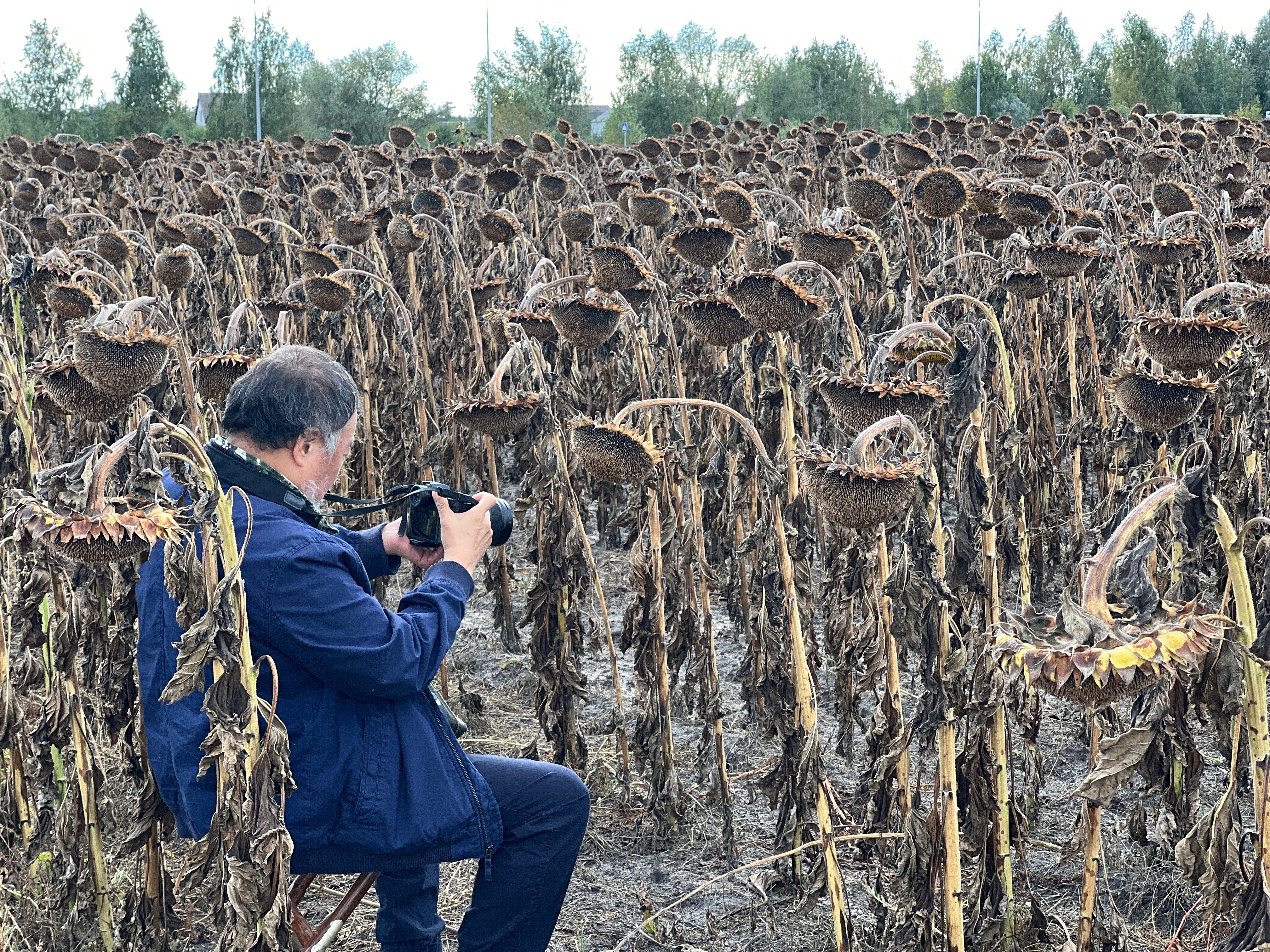
If art is connected to human feelings, emotions, and expression, then in times of war, it requires a special kind of emotion and a different mode of expression that doesn’t exist during peace. The necessity of direct experience and immersive engagement is the most fundamental basis of art.
In previous interviews, you’ve said that if you were Ukrainian, you would take up arms. As an artist, how do you view the roles of an artist and a soldier during war?
A true artist is a kind of soldier, whether in times of war or peace. Artists challenge established orders—albeit in peaceful ways. So, if an artist does not see themselves as a soldier, they have denied the most fundamental quality of being an artist.
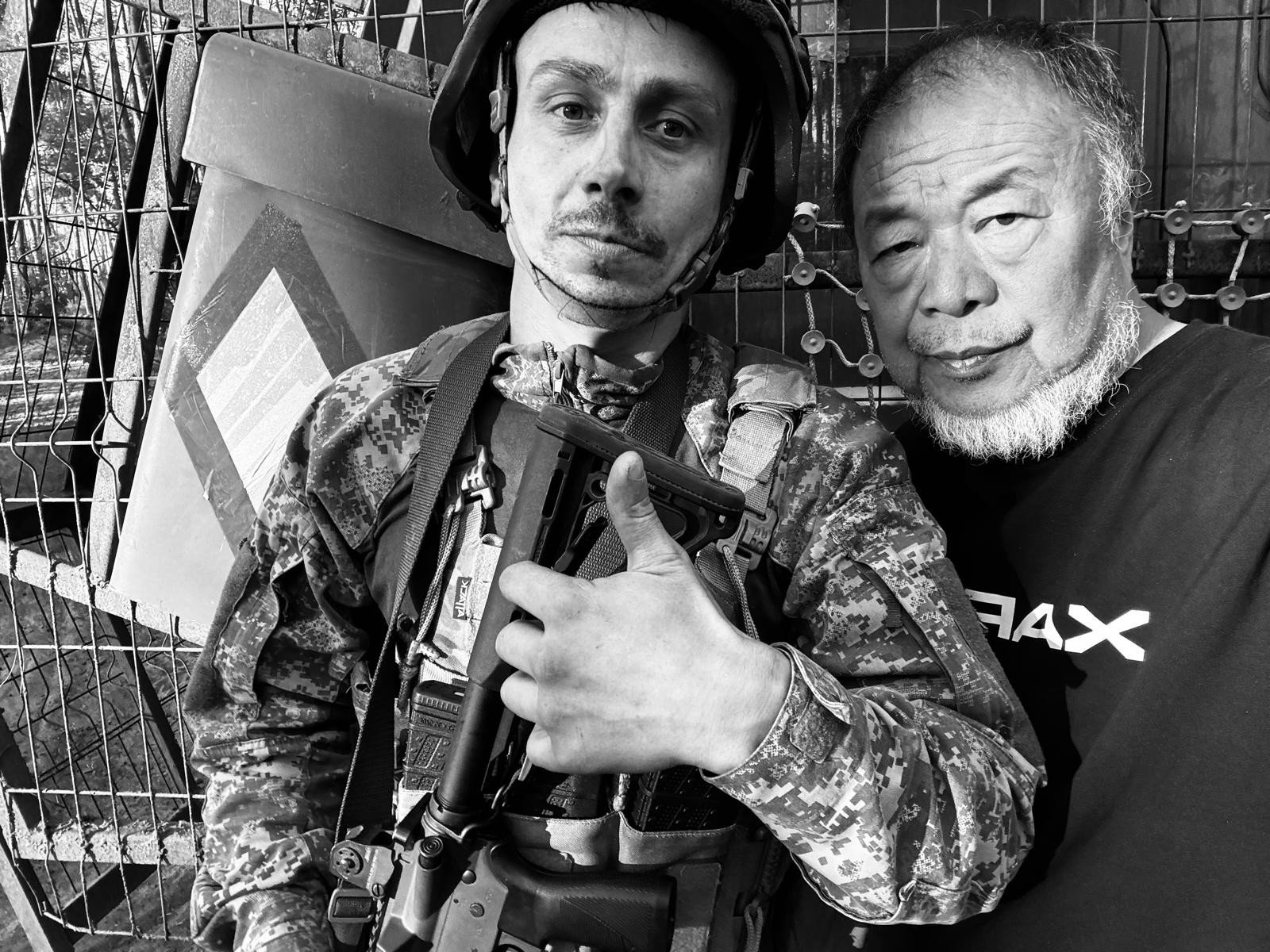
Presence can also be seen as an act of solidarity. How did Ukrainian soldiers react to your visit to the Khartiia Brigade?
Presence or absence makes a profound difference. We live on a planet, and this planet exists within a solar system—we all occupy very specific places. When Ukrainian soldiers saw me at the frontline, in the most dangerous area, after the war had been going on for three years, I think it offered them at least a bit of comfort. It showed that their actions are seen and that the values they are defending matter to others.
What do you hope Ukrainian audiences take away from your installation? And how do you envision it resonating with viewers abroad?
This is a very difficult question to answer. Artists, to a great extent, create their work for themselves—and that’s certainly true in my case. I believe that if there is a significant difference between myself and others, perhaps my work will resonate with them. But art is not simply propaganda—it requires people to engage with it during its creation, its experience, and through historical change, for its value to be revealed.
Some believe animals can absorb or reflect the pain of others. Do you share this view, and is that what sparked your interest in incorporating them into your work?
Animals that we see—or that live around us—have endured countless catastrophes because of humanity’s foolish actions. These disasters have caused them irreparable harm, loss, and in many cases, extinction. If people can feel the pain of animals, only then can humanity be truly complete.
You’ve said that freedom does not guarantee “good art”—that great art has emerged even under terrible regimes. So, in your opinion, what makes a good work of art?
To me, meaningful artworks are those created in the fight for spiritual liberation. They should serve as a warning or help people overcome the painful barriers of reality. They provide human beings—spiritual animals—with a warm home.
You’ve said you’re afraid of losing your memory—that “it’s what makes us.” Is this a new direction in your work?
Regarding memory, it’s something I’ve come to understand gradually. When we lose memory, we are losing life itself. In today’s fast-paced world, people—either intentionally or unintentionally—are erasing memory and history. I see this as an act of self-destruction.
Your father, born in 1910, was a great poet who wrote in vernacular Chinese. He seems to have deeply influenced both your life and your artistic approach. Is this true?
My father lived through the hardest times in our people’s history. He was deeply influenced by French literature, art, and poetry, as well as Russian literature, which was widely read at the time. This literary background gave him the ability to express himself, and that expression became an essential voice in the struggle for liberation. As an artist and a literary figure, he understood that his work had to carry the burden of history. That understanding may have influenced me as well.
Discuss this article:
-8321e853b95979ae8ceee7f07e47d845.png)

-e00d178a31a987cd514e15ad3a8c2131.jpeg "Max Klymenko wearing the Etnodim, featuring embroidery inspired by traditional Ukrainian crafts. (Source: Ian Treherne)")

-e88c01988249cd60b6f04f79d29156b7.jpeg "Damage to “Cosmogony,” the largest painting in Ukraine, following a Russian drone attack on Lutsk on October 13, 2026. (Source: @sashyyna/Instagram)")
-480d70a36b9b34492b0b32ca04af4489.jpg "People attend the funeral ceremony of the famous Ukrainian writer Victoria Amelina at the Garrison Church, in Lviv, Ukraine, on July 5, 2023. (Source: Getty Images)")