- Category
- Latest news
$400K Missiles vs $20K Shaheds—Why Ukraine Needs Cheaper Defenses
 Prefer U24 Media on Google
- Authors


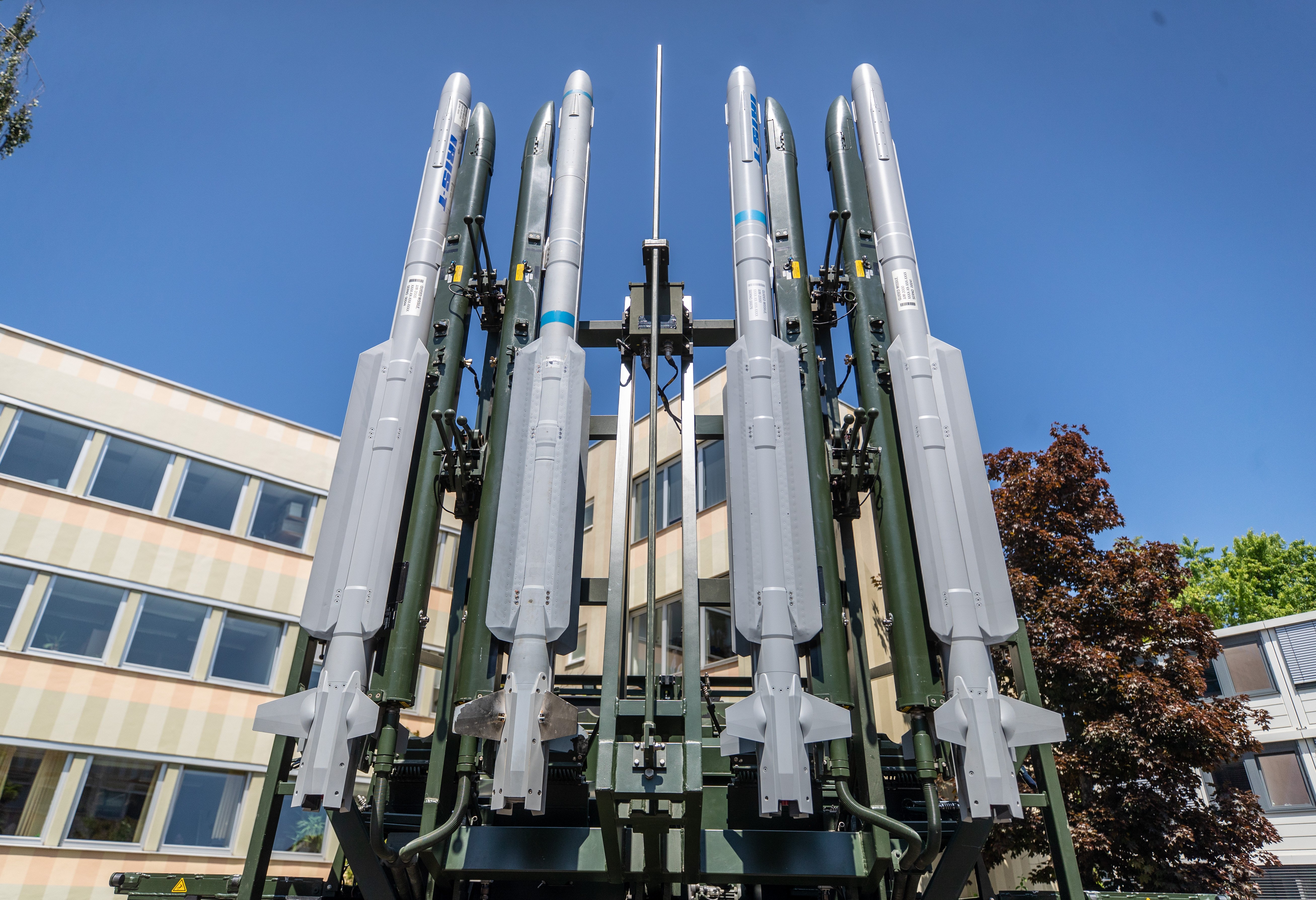
Missile warfare analyst Fabian Hoffmann has raised concerns about whether Western defense industries can keep pace with Russia’s large-scale air attacks on Ukraine, particularly involving cruise missiles and Shahed drones. Writing for the German outlet Hartpunkt, Hoffmann highlights a growing imbalance between Russia’s offensive production and the West’s air defense output.
According to data from Ukraine’s Defense Intelligence Directorate, Russia’s defense industry can produce up to 1,600 cruise missiles annually and had scaled Shahed drone output to at least 6,000 per year by the end of 2024. By mid-2025, Russian forces had produced approximately 30,000 Shaheds and decoy drones since the start of the full-scale invasion.
According to Ukraine’s military intelligence, as of June 15, Russia had more than 6,000 strike drones in its arsenal, including Geran-2 (Shahed-136) and Harpia-A1 models, as well as over 6,000 decoy drones known as "Gerbera." The Main Intelligence Directorate estimates that Russia is currently capable of producing up to 170 such drones per day, including both attack and decoy types.
In comparison, Western missile production remains limited. Germany’s Diehl Defence currently manufactures just 500 to 600 IRIS-T interceptors per year, with plans to increase that to 800 to 1,000 by 2026. Raytheon, a major American defense and aerospace company, produces up to 1,200 AIM-120 AMRAAMs annually, though only a portion is available to Ukraine. The AIM-9X , which can also be used with NASAMS, is produced at a higher rate—around 1,600 per year, with plans to scale to 2,500—but again, Ukraine receives only a fraction.

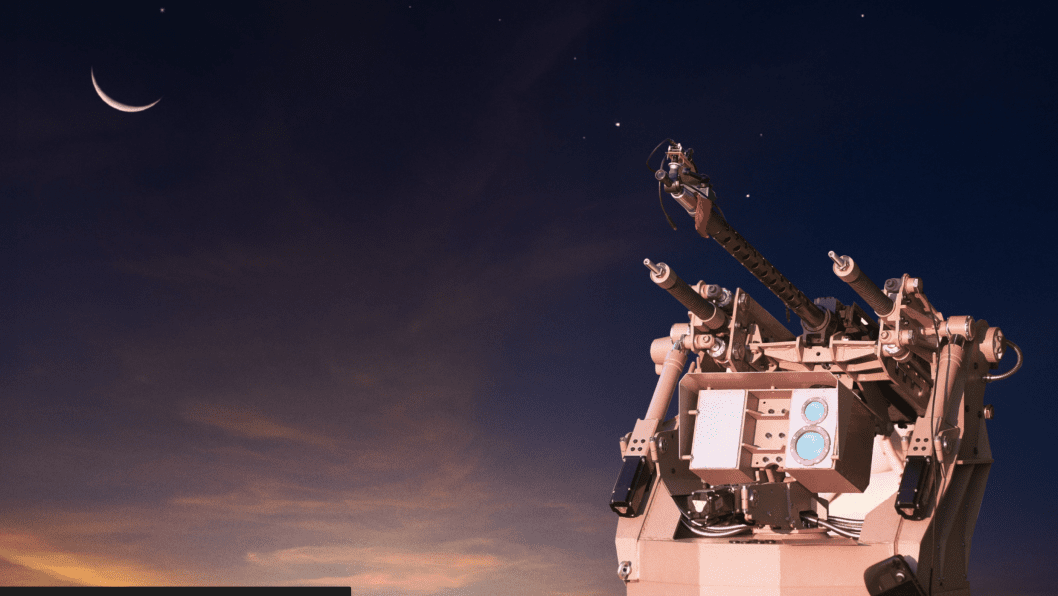
Hoffmann argues that using such high-end interceptors against cheap drones is unsustainable. Instead, he advocates for deploying cheaper, scalable countermeasures—including expanded use of traditional anti-aircraft artillery—to reserve advanced missiles for higher-priority threats like cruise and ballistic missiles.
Ukrainian media outlet Defense Express notes the value of Hoffmann’s piece lies in both its comparison of Russian strike capabilities versus Western interceptor output and its insight into how Western analysts view Ukraine’s air defense needs. However, the original article overlooks key systems already in use.
For instance, anti-aircraft artillery accounts for a significant share of Shahed interceptions. Alternatives like the APKWS precision rocket, which is cheaper and more widely available than IRIS-T or AIM-120 missiles, are also widely used, according to Defense Express. MANPADS , another vital component of Ukraine’s defense, is not mentioned.
-4a231d1d99053f64a758529c488b327d.jpg)
Meanwhile, Ukraine is increasingly turning to drone interceptors and micro-missiles like the Frankenburg Mk 1 as cost-effective solutions. In this context, using a $400,000 missile to take down a $20,000 Shahed is a costly luxury. Advanced interceptors must be preserved for the most dangerous threats, Defense Express notes.
Previously, it was announced that the US State Department has approved a possible sale of support equipment to Ukraine for its air defense systems and M109 self-propelled howitzers, according to a July 24 announcement from the US Defense Security Cooperation Agency on July 24.
Discuss this article:


-dd35be762f08867915b1187d08f5b7cb.jpg "Aftermath of a Ukrainian Neptune missile strike on a Russian Borisoglebsk airfield, October 15, 2026.")
-111f0e5095e02c02446ffed57bfb0ab1.jpeg "Photo of Roman Kohanets")
-f1e0a0eb8dc4159d1ee6f9483ef88571.jpg "Malambahe Sabtar Sabanal, a Philippine national identified by Ukrainian military intelligence as a Russian military recruit who was killed during assault operations in the Donetsk region. (Source: HUR)")