- Category
- Latest news
Australia Provides $7.1 Million to Ukraine Energy Fund Amid Russian Attacks
 Prefer U24 Media on Google
- Authors

-c439b7bd9030ecf9d5a4287dc361ba31.jpg "Photo of Katherina Popilnichenko")
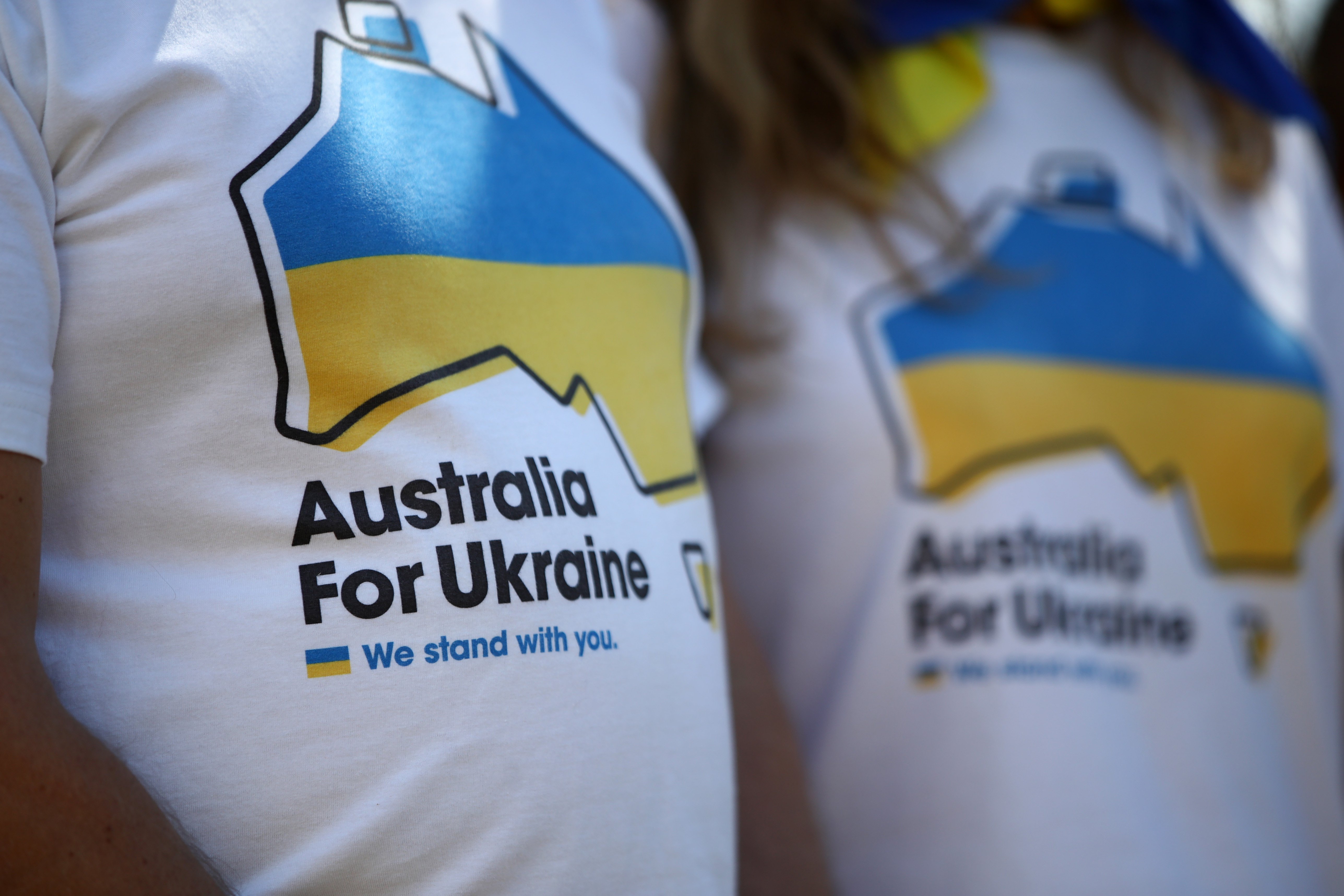
Australia’s Department of Foreign Affairs and Trade provided a $7.1 million grant to the Ukraine Energy Support Fund, a move that brought Australia’s total contributions to the fund to $29.1 million. The funding was specifically allocated to address urgent infrastructure needs and ensure energy stability across the country, according to the Ministry of Energy of Ukraine on February 14.
We bring you stories from the ground. Your support keeps our team in the field.
The funding was earmarked for urgent infrastructure requirements amid ongoing Russian attacks on Ukraine’s energy infrastructure.
First Deputy Prime Minister and Minister of Energy Denys Shmyhal noted, “The funds will be directed toward financing the priority needs of the energy sector, taking into account current energy security challenges.”
-26996f853b997cc6c286f0a8b0d3740c.jpg)
Australian contributions were already utilized to purchase essential technical equipment. This included transformers of various capacities, complete transformer substations, autotransformers, and microprocessor-based relay protection terminals, all of which were deployed to ensure the reliability of the country’s power grids.
The primary objective of this grant was to facilitate the restoration and reinforcement of energy infrastructure. By securing these funds, Ukraine was able to address critical vulnerabilities in its distribution and trunk networks, strengthening the overall resilience of the national energy system.
-2c94bac1e8c9a358ba022714af576ecb.jpg)
Throughout the winter of 2025–2026, Ukraine’s energy infrastructure was pushed to a breaking point by a relentless campaign to “island” the national grid. By February 2026, more than 200 targeted strikes had severely damaged the country’s power generation, leaving the system able to meet only about 60% of national demand.
The assault—culminating in the massive February 7 attacks—focused on high-voltage 750kV and 330kV transmission lines and thermal plants such as Burshtyn and Dobrotvir. As a result, millions of Ukrainians faced sub-zero temperatures with just three to four hours of electricity per day.
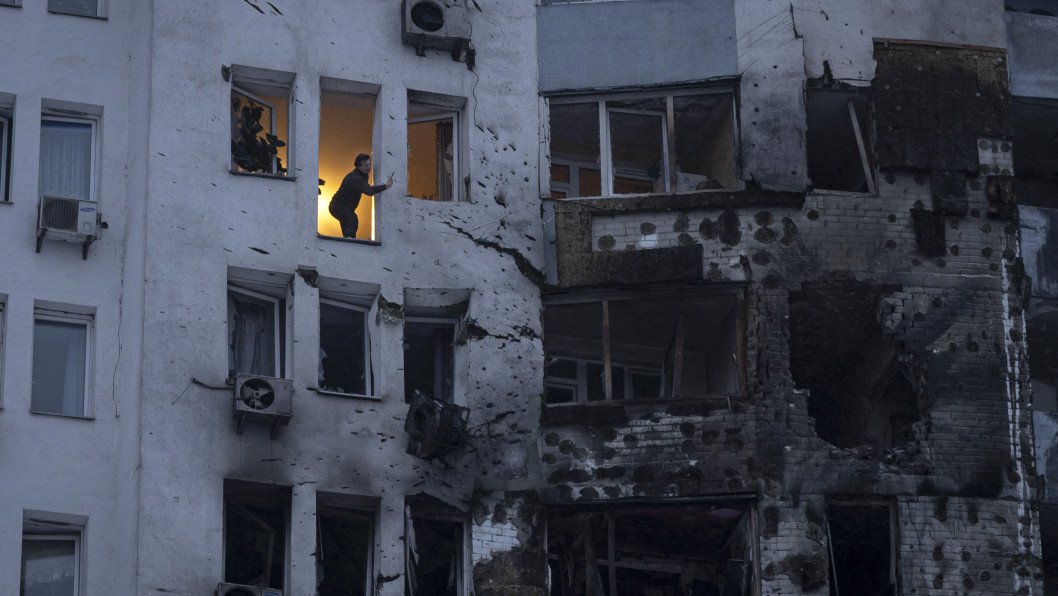
This sustained damage has not only disrupted daily life but also crippled industrial centers and defense manufacturing, leaving Ukraine’s energy security at its most fragile since the start of the full-scale invasion.
Earlier, it was reported that President Volodymyr Zelenskyy and Ukraine’s international partners had been working to finalize what was expected to be the largest energy assistance package to date by February 24, marking the fourth anniversary of the full-scale invasion.
Speaking on the sidelines of the Munich Security Conference, Zelenskyy had noted that these discussions focused on urgent infrastructure needs and record-setting support beyond existing aid. This effort coincided with a major Ukraine Defense Contact Group meeting where 17 countries had pledged nearly $38 billion for 2026, as disclosed by official reports at the time.
Discuss this article: