- Category
- Latest news
Belgian Defense Minister: “If Putin Fires at Brussels, We Will Level Moscow”
 Prefer U24 Media on Google
- Authors


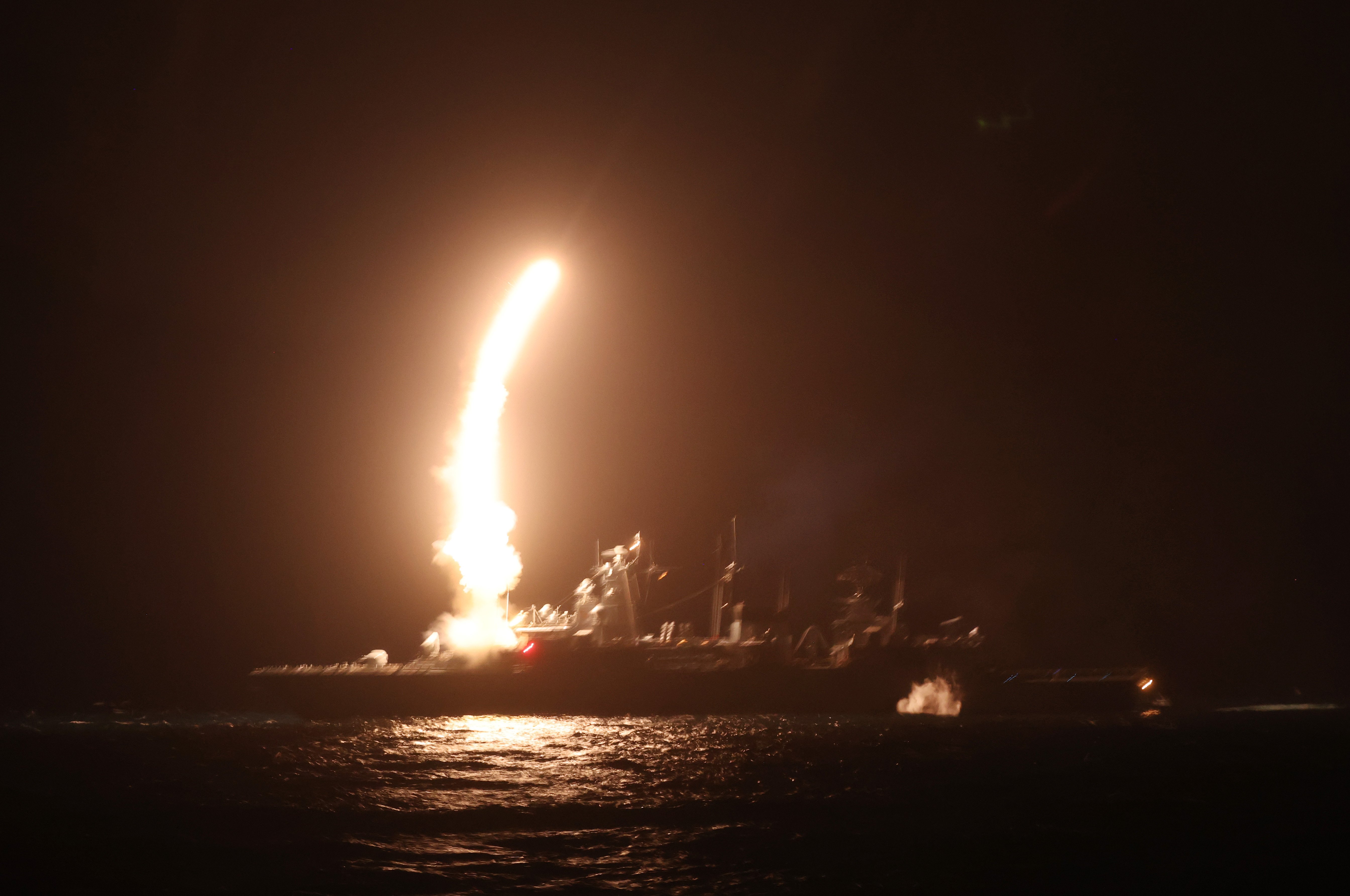
Belgian Defense Minister Theo Francken warned Moscow that any Russian strike on European cities would trigger “harsh consequences,” telling local press that an attack on Brussels would amount to a strike “in the very heart of NATO” and provoke a devastating response, Francken said in an interview with Belgian newspaper DeMorgen on October 26.
Francken said he does not believe Vladimir Putin would dare launch a cruise missile at Belgium, but urged Europe to stop underestimating Russian military capacity.
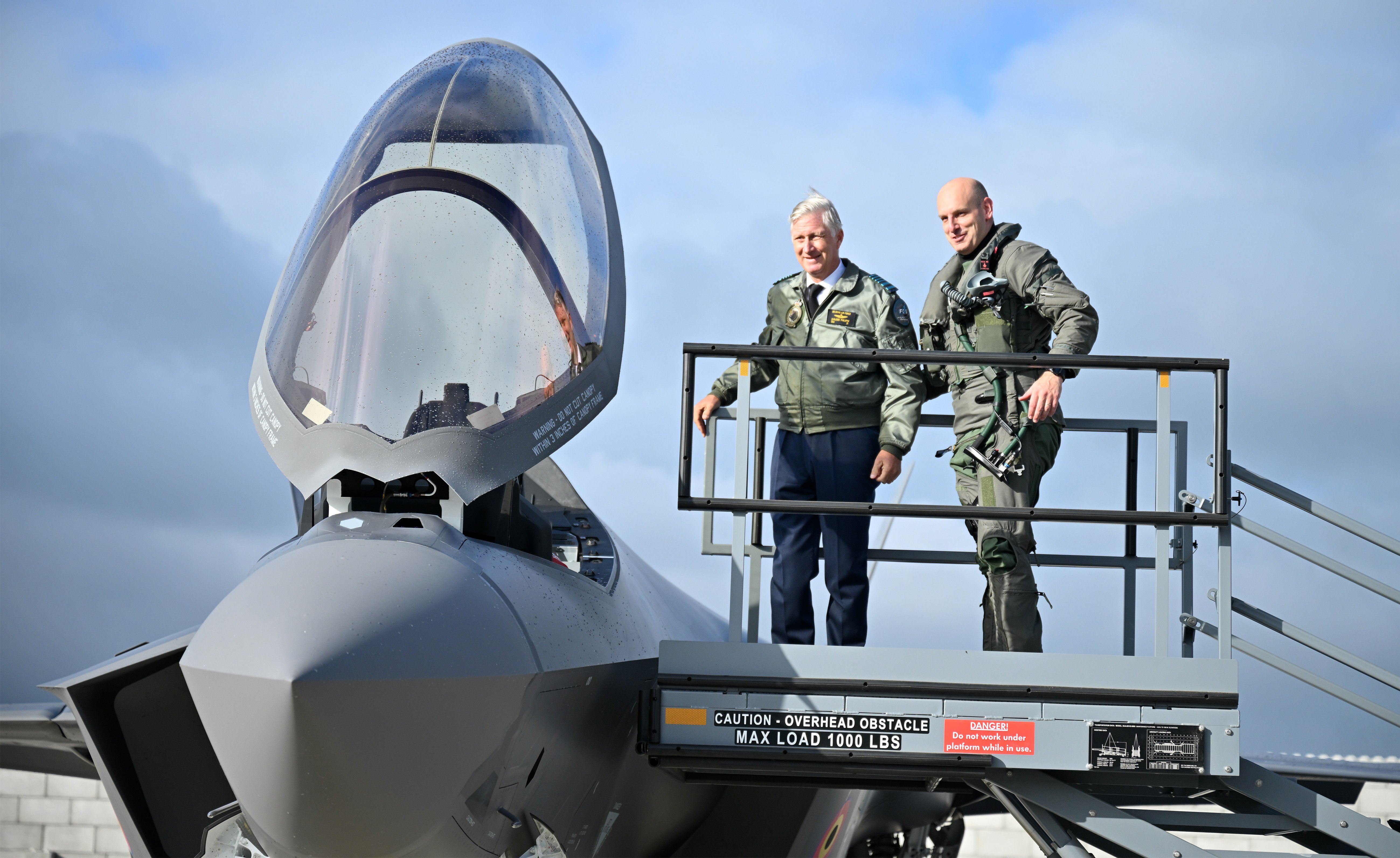
“The Russians have increased their capabilities. Their war economy produces four times more munitions than the whole of NATO combined,” he said, arguing that Moscow can buy “much more” with the same money than Western states can.
Pointing to Russia’s recent operational reach—from Chechnya to Syria and Africa—Francken said Europe lacks a centralized command and immediate force projection: beyond “a few Eurocorps units in Strasbourg,” he said, there is little to throw into combat on short notice.
🇧🇪 According to De Morgen Belgium is planning several large defence investments. Here are the highlights.
— Jeff2146🇧🇪 (@Jeff21461) June 2, 2025
- 21 additional F-35As for a total fleet size of 55 (to be assembled in Italy)
- 2 additional MQ-9B SkyGuardian for a total fleet of 6 (Will be armed)
- 1 additional ASW… pic.twitter.com/eFrhv9U1Mn
Still, he praised Ukrainian resistance as a brake on Russian ambitions. On prospects for a negotiated peace, Francken said he sees “no realistic path” so long as Putin seeks to exploit European weakness.
He urged faster rearmament in Europe and economic pressure on Moscow: “We must try to break Russia economically. That means: expand economic sanctions and dry up their oil and gas revenues, because that is the engine of their war economy. In recent months, Ukraine has struck about a quarter of Russian refineries with deep strikes.”
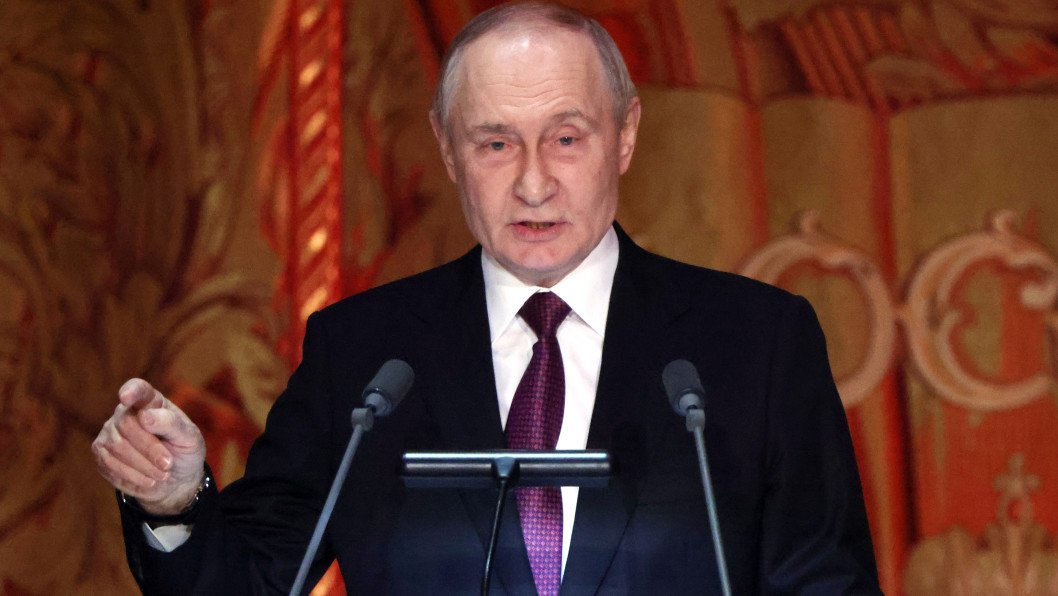
Francken also warned of so-called “grey zone” threats short of full invasion, where Moscow might foment unrest among Russian-speaking minorities in NATO countries. “Before you know it, they’ve annexed a piece of Estonia,” he said.
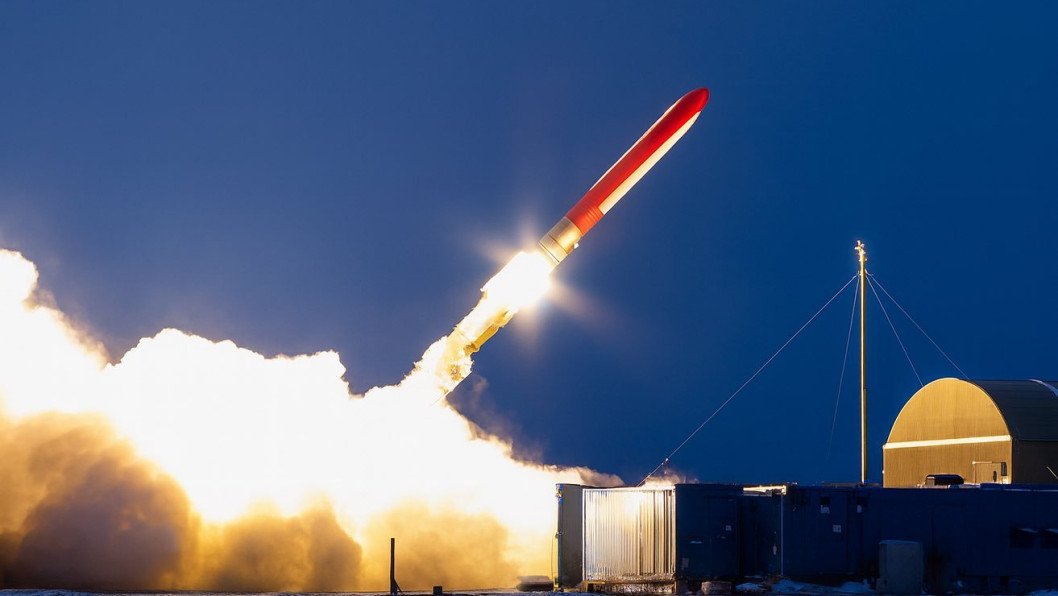
Asked whether he feared Putin would ever fire a non-nuclear missile at Brussels, Francken replied, “No, because that would hit the heart of NATO, and then we would level Moscow.”
On transatlantic guarantees, he said European doubts about US reliability are overblown: “He has literally said America will support its NATO allies 100 percent.”
Francken urged European leaders to accept the political and fiscal consequences of arming Ukraine: without a durable funding and ammunition plan, he suggested, the war of attrition will favor Moscow. “How faster we rearm, the smaller his chances to conquer Ukraine,” he said.
Earlier, reports emerged that former NATO leaders and senior British commanders called for a joint deterrence pact amid concerns over US reliability and Moscow’s escalating nuclear rhetoric.
Britain should consider sharing its nuclear deterrent with Germany to strengthen Europe’s defenses against an increasingly aggressive Russia, senior British defense officials have said.
Discuss this article: