- Category
- Latest news
Breaking: Ukraine’s Commander in Chief Reveals Counteroffensive That Trapped Russian Forces Near Pokrovsk
 Prefer U24 Media on Google
- Authors


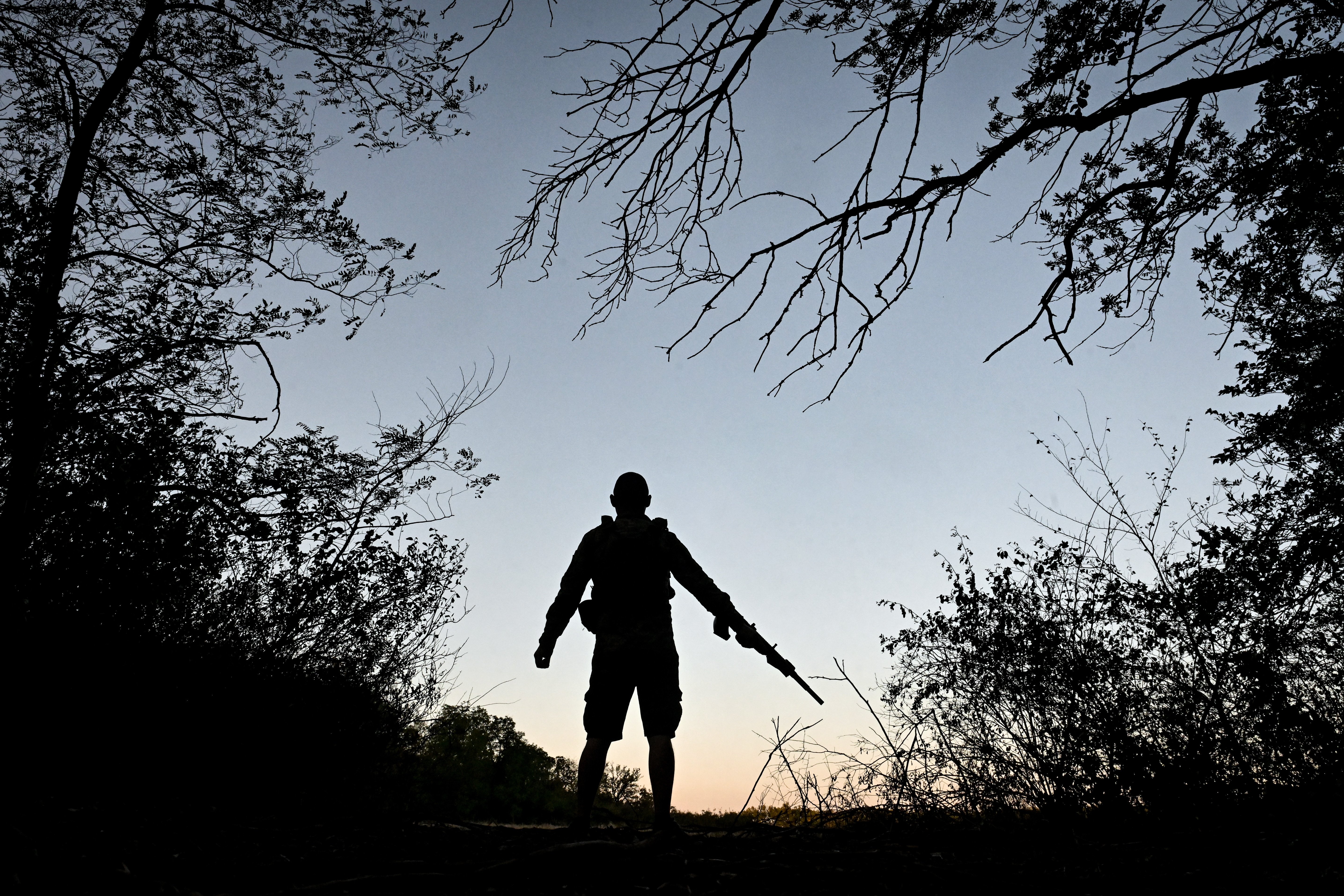
Ukrainian Commander-in-Chief Oleksandr Syrskyi said Ukrainian forces have trapped and are destroying Russian units that advanced near Pokrovsk, after weeks of heavy fighting that shifted the front line northward. He shared this at a briefing with journalists on September 26, according to a UNITED24 Media correspondent.
Syrskyi said Moscow’s original spring and summer objectives—creating buffer zones in Kharkiv and Sumy regions, seizing the Pokrovsk agglomeration, reaching the Donetsk border, and advancing in Zaporizhzhia, Dnipropetrovsk and Kherson—“were not realized thanks to the skillful actions of our warriors, smart decisions by commanders, timely reforms, and effective strikes on the enemy rear.”
He noted that Russia has since adopted a new tactic he called the “thousand cuts,” relying on small assault teams of four to six soldiers to infiltrate Ukrainian territory, disrupt logistics, and create pressure without committing large formations. This approach, he said, has been used on the Dobropillia and Novopavlivka fronts by the 8th and 51st armies and the 68th corps.
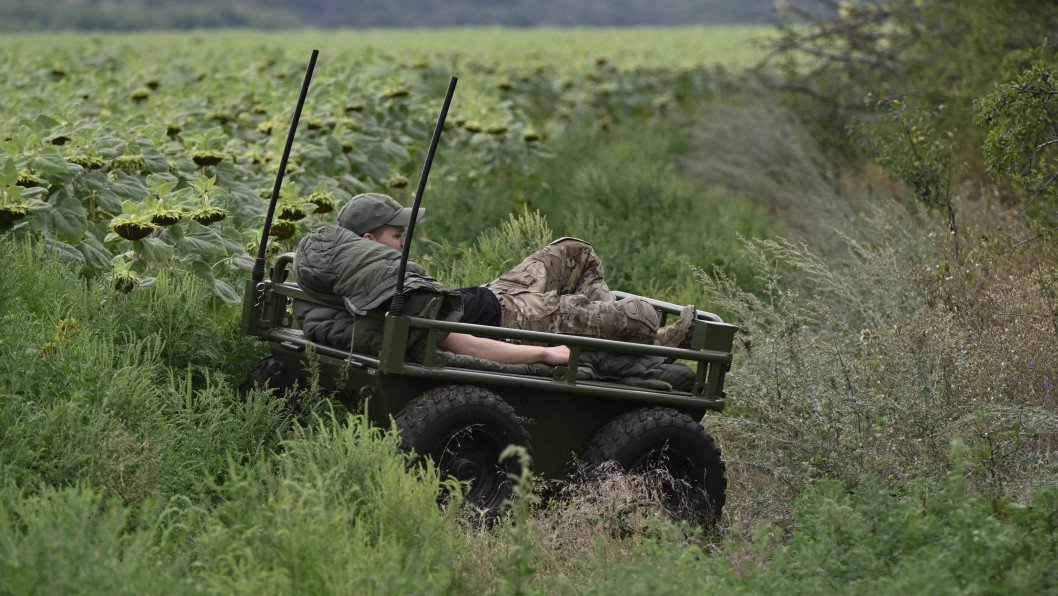
Near Pokrovsk, Syrskyi said Russian units advanced in groups 12 to 20 kilometers deep, but Ukrainian forces anticipated the maneuver and cut them off at the Kazennyi Torets river.
“Anticipating such a development, we redeployed a number of military units. The plan was to cut the enemy grouping along the barrier line—the Kazennyi Torets river. Thus the enemy units that had advanced in depth found themselves in a kind of ‘bag.’ At the same time we closed that line with actions by our Air Assault Forces units on converging axes from the north and south. The enemy ended up trapped. Its destruction is now actually underway,” Syrskyi stated.
He reported that 168 square kilometers of territory have been liberated, with another 182 square kilometers cleared of Russian sabotage groups—about 360 square kilometers in total. He compared the operation to last year’s fighting near Kursk, when Ukrainian forces used newly formed brigades to strike ahead of schedule and seize the initiative.
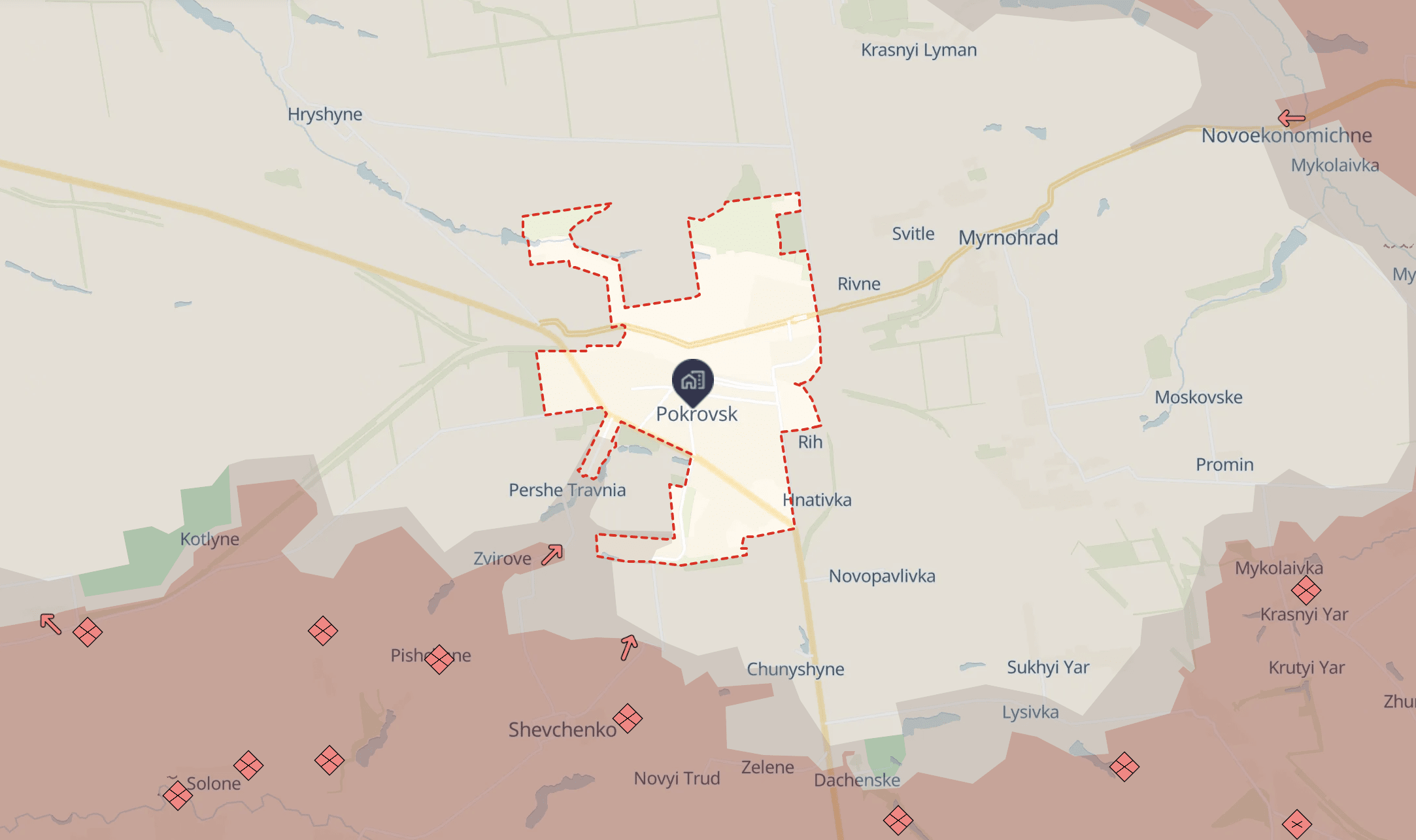
Syrskyi added that Russia had to redeploy naval infantry brigades from Sumy and Novopavlivka to the Dobropillia sector, abandoning other offensive plans. Those units, he said, suffered losses and failed to gain ground. Daily enemy casualties there now exceed 200 troops.
“Every day we destroy there, by various estimates, 200 or more enemy servicemen. Of course this situation will continue to develop. I anticipate that the enemy will continue to use reserves, redeploying them,” he said.
“I want to note the very successful actions of our assault regiments and Air Assault Forces, which demonstrated high levels of training and motivation and proved their high effectiveness in practice,” Syrskyi concluded.
Previously, it was reported that Russian forces on the Pokrovsk front are experiencing an acute shortage of equipment, according to the ATESH resistance movement on September 18.
Discuss this article: