- Category
- Latest news
Can the US Fix Its Weapons Production Issues? Pentagon Looks to Auto Giants to Scale Up
 Prefer U24 Media on Google
- Authors


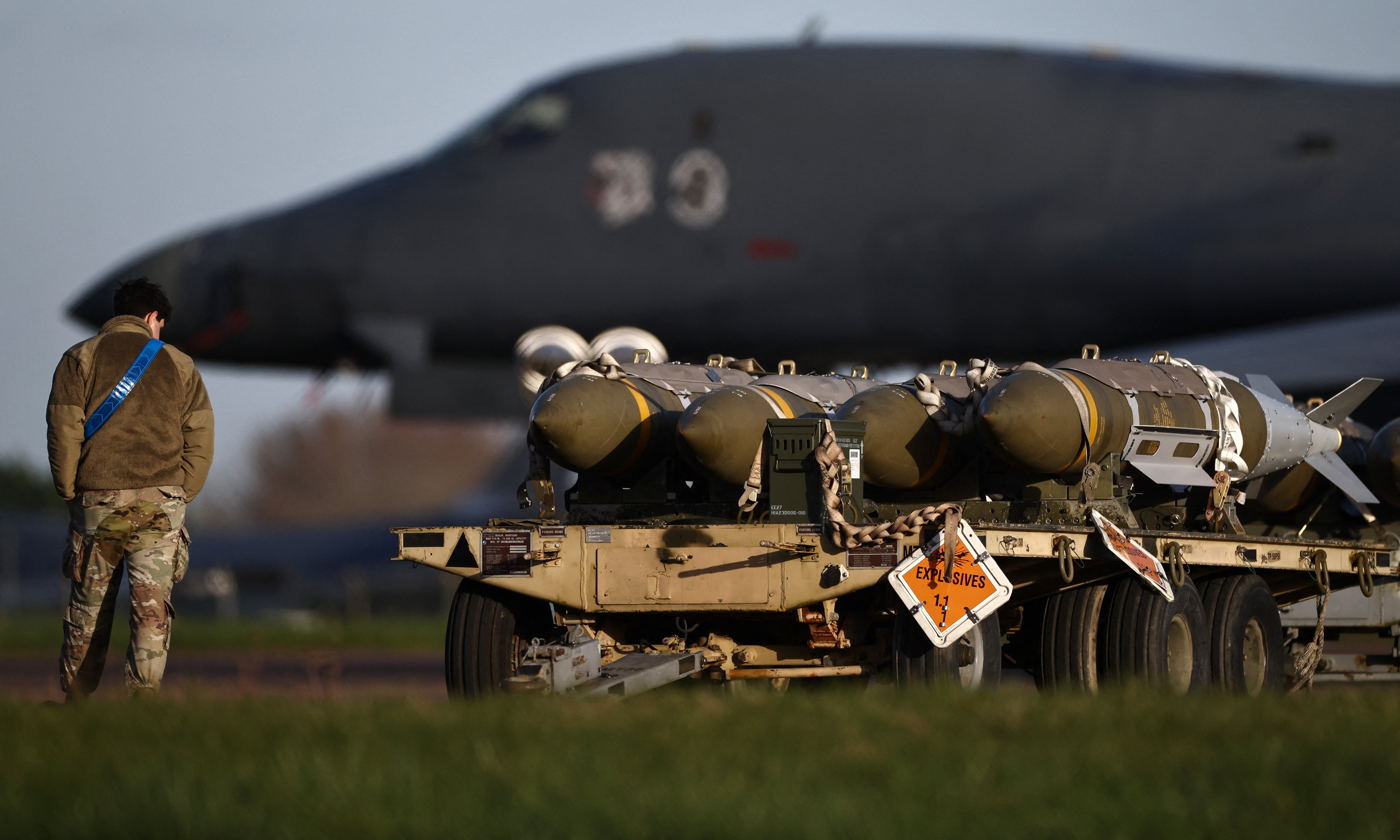
The United States is exploring the possibility of involving major civilian manufacturers, including automakers, in defense production as concerns grow over the capacity of existing military supply chains.
We bring you stories from the ground. Your support keeps our team in the field.
According to The Wall Street Journal on April 16, US defense officials have begun preliminary discussions with companies such as General Motors and Ford Motor about whether their industrial capabilities could be adapted for producing weapons, ammunition, and military equipment.
The talks are described as early-stage and focused on assessing feasibility rather than immediate implementation.
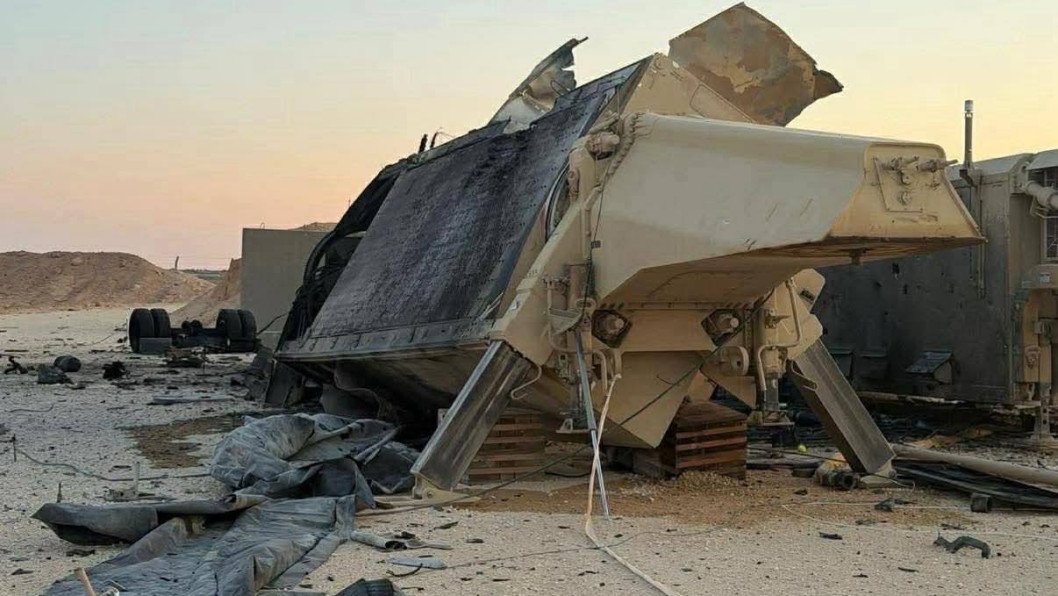
The Wall Street Journal reports that the Pentagon is evaluating how quickly civilian factories could be retooled for defense manufacturing, as well as identifying regulatory and contractual barriers that could delay such a transition. The discussions also involve other industrial and aerospace firms, including GE Aerospace and Oshkosh Corporation.
The initiative comes amid concerns within the Pentagon that current defense contractors alone may not be able to scale production at the pace required. According to The Wall Street Journal, prolonged military commitments—including support for Ukraine and rising tensions in the Middle East—have placed sustained pressure on US weapons stockpiles.
US officials are examining whether expanding the defense industrial base through partnerships with private-sector manufacturers could accelerate output, particularly in areas such as munitions and unmanned systems. The approach has drawn comparisons to World War II-era mobilization, when American automakers shifted to large-scale military production.
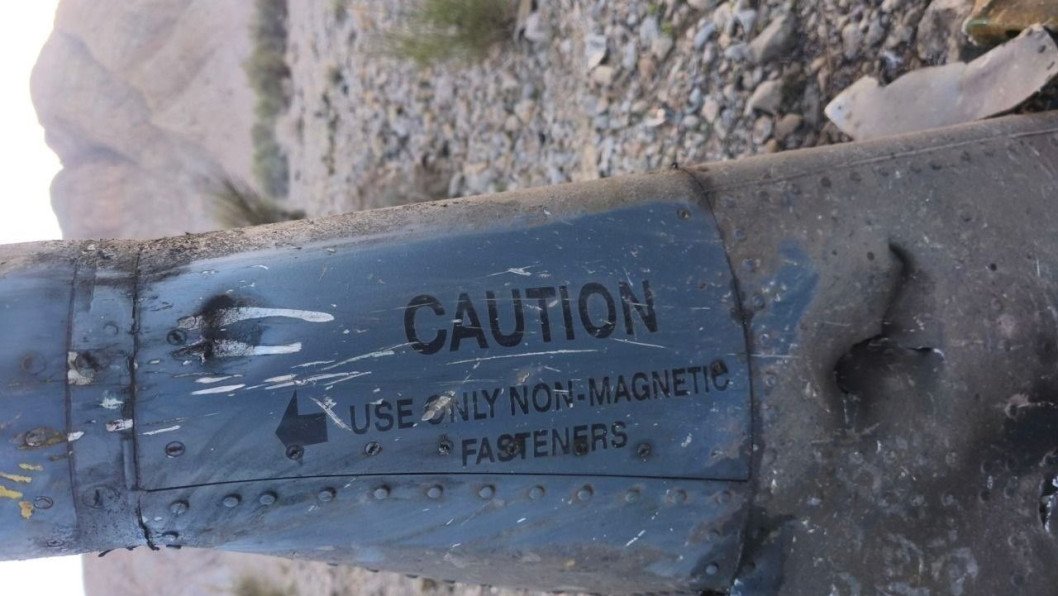
According to The Wall Street Journal, the discussions coincide with broader expectations of increased defense spending, with a future US defense budget potentially reaching $1.5 trillion and prioritizing investments in ammunition production and drone technologies.
Earlier, the US Navy confirmed the first loss of an MQ-4C Triton reconnaissance drone near Iran, according to The War Zone on April 14. The $180 million aircraft went down on April 9 after transmitting emergency codes and deviating toward Iranian airspace while returning from a mission over the Strait of Hormuz. The cause remains unclear, with no confirmation of Iranian involvement.
Discuss this article:
-9a7b3a98ed5c506e0b77a6663f5727c5.png)