- Category
- Latest news
Drones and Helicopters: How Ukraine’s Air War Is Changing US Army Doctrine
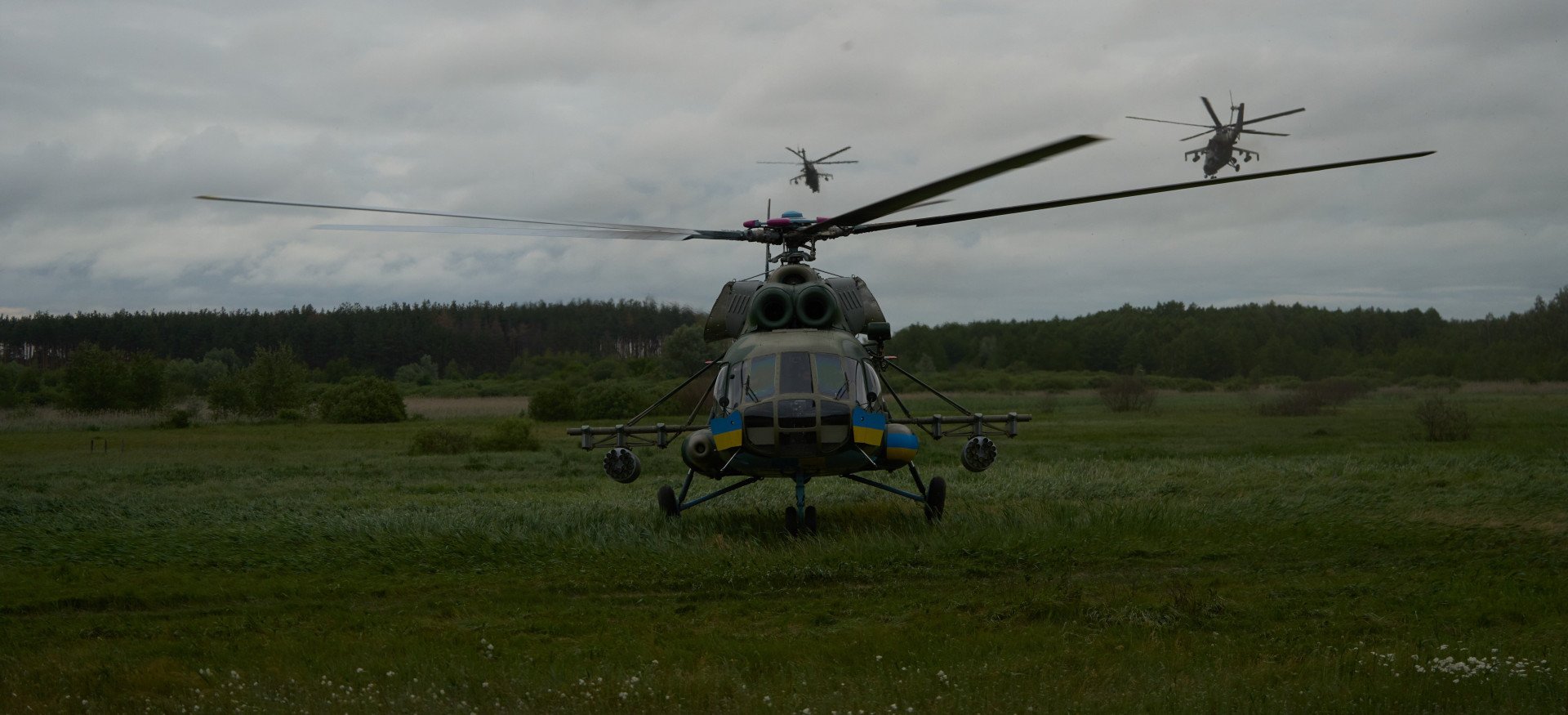
The Russian war against Ukraine has rewritten the rulebook on how helicopters survive—and die—in modern combat. With both Russia and Ukraine suffering heavy aviation losses to drones, air defenses, and precision strikes, the US Army is watching closely. But as top generals tell The War Zone, the real challenge isn’t copying Ukraine’s playbook—it’s learning the right lessons without fighting the wrong war.
 Prefer U24 Media on Google
- Authors


US Army leaders are analyzing how to adapt future rotary-wing warfare—without overcorrecting in ways that would weaken American capabilities in a larger conflict, particularly against a peer like China, according to The War Zone (TWZ) in an October 16 analysis.
Maj. Gen. Clair Gill, commanding general of the US Army Aviation Center of Excellence, told TWZ that while Ukraine offers “a lot of lessons to be learned,” not all of them apply to how the US fights.
No matter the task, no matter the risk, when they are called, Ukraine‘s pilots and their crews lift off and fly to confront the enemy head-on.
— UNITED24 Media (@United24media) July 3, 2025
Happy Ukrainian Army Aviation Day! pic.twitter.com/bM5jamDJPB
Learning—not copying—from Ukraine’s air war
“When we talk about Ukraine, there are a lot of lessons to be learned,” Gill said on the sidelines of the Association of the United States Army (AUSA) conference in Washington, D.C. “We focus on the right lessons to be learned.”
“There are some differences between positional warfare with drones—they’re doing World War One with drones right now in Ukraine—and the way that the United States Army fights, particularly as a member of the combined arms team and as a member of the joint force,” he added.
-5f89d1e5af9a27c70d81d23f6e8b597d.jpeg)
According to TWZ, Gill also suggested that while both sides in Ukraine use deception, the US holds a clear edge in coordination and night operations.
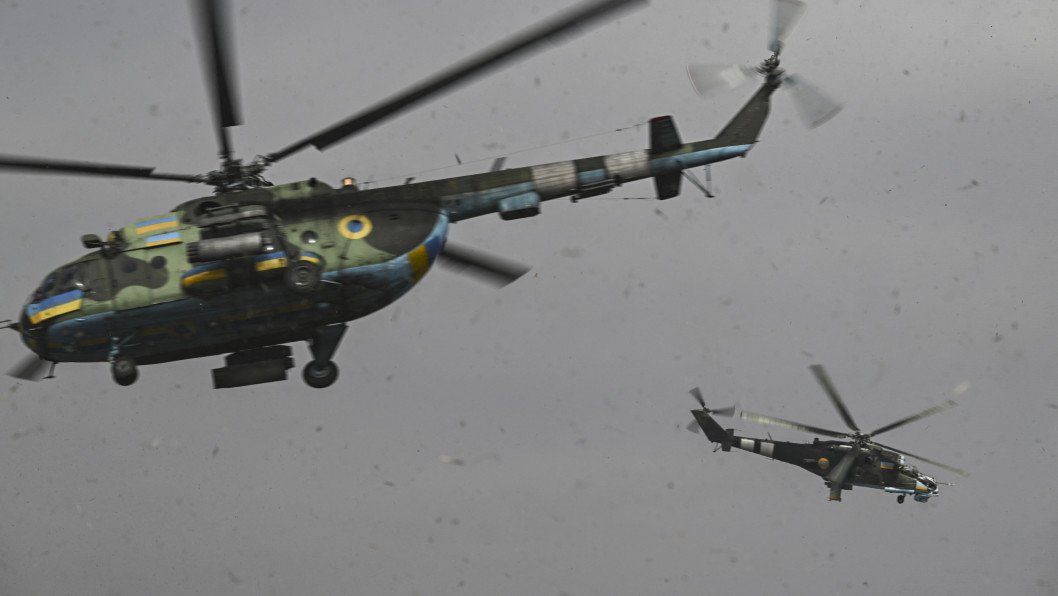
“Using the night, using the terrain, using the degraded visual environment—we’ve got some pretty exquisite capabilities, and some well-trained folks, as do the Ukrainians,” he said.
“Don’t throw the baby out with the bathwater”
Gill warned against drawing the wrong conclusions from Russia’s failures.
“On the Russian side, I’ve seen some shoot-downs that make me wonder—flying around the daytime, at altitude, flying the same routes. That just makes me think you can’t equate the way that they’re flying with the way that we might fly,” he said.
-8712d69369339b07355373a04b3b3d93.jpg)
“So I think there’s a lot of opportunity there for us to learn some things, but not throw the baby out with the bathwater.”
Gill noted that the Army is still committed to manned helicopters even as it invests heavily in unmanned systems, TWZ noted.
“We have to make changes, right? We have to see the world the way it is,” he said. “I know we’re not done with rotorcraft. Everything that we’re flying right now is going to be on the ramp for a long time.”
Precision planning and data integration take center stage
Brig. Gen. Phillip C. Baker, the Army’s aviation future capabilities director, told TWZ that the devastation seen in Ukraine underscores how crucial detailed mission planning has become.
“We’ve got to have that ability to have really good planning tools going into mission sets,” Baker said. “Planning tools are driven by data integration across all our combat systems—intel, maneuver, fires.”
War in Ukraine- 2022 🇺🇦 Russian helicopter brought down by Ukrainian Forces. Polish-supplied Piorun MANPADS was used #Ukraina #Russia #UkraineWar pic.twitter.com/sC3OZizH3P
— Skënderbej_ (@AncientAlien01) March 21, 2024
Baker pointed to Next Generation Command and Control (NGC2) as one of the Army’s key programs: “It provides us an integrated data path so our crews—both manned and unmanned—understand the enemy, the electronic spectrum, the weather, all before they go in.”
He added that new communication upgrades—including satellite links and mesh networks—will be tested in Army experiments next spring to improve real-time coordination and decision speed, according to TWZ.
The push for standoff weapons
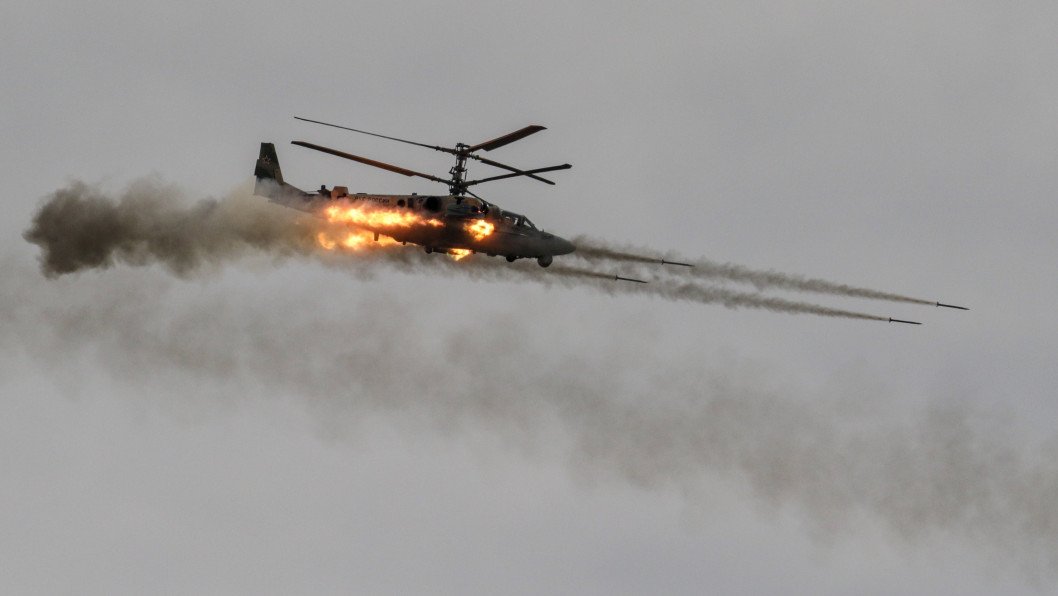
The Army is also fast-tracking a suite of long-range “launched effects”—unmanned systems fired from helicopters or ground vehicles that can scout, jam, decoy, or strike.
“The role of launched effects is to provide that standoff capability—not like a Hellfire at eight kilometers, but multiple, multiple kilometers out,” Baker explained.
Excellent skills of Ukrainian Helicopter pilots, staying low. pic.twitter.com/HXmM9OGczI
— ✙ Constantine ✙ (@Teoyaomiquu) February 13, 2023
As TWZ has reported, systems like the Israeli-designed Spike-NLOS missile are already giving Apaches precision strike capability well beyond the line of sight—a key advantage in surviving against modern air defenses.
Operating in the dark: surviving in degraded environments
TWZ wrote that Baker also emphasized that new sensors are being designed to help crews operate in the most dangerous and unpredictable environments.
Ukrainian Mi-24 helicopter pilot flying ultra-low pic.twitter.com/1NobJC3Kpy
— War Monitor Clips (@WarMonitorClips) September 28, 2025
“As we bring new sensors onto the aircraft, we want to truly operate in those environments that give us the highest capability and survivability,” he said. “During darkness, during dust—in the conditions where we can operate, not in daytime.”
According to TWZ, these efforts directly stem from observing how Ukrainian pilots adapted to night flying, low-altitude maneuvers, and thermal deception tactics to evade Russian air defenses.
Protecting the skies—and the ground below
Maj. Gen. Lori Robinson, commanding general of Army Aviation and Missile Command, told TWZ that one key takeaway from Ukraine’s war is that threats no longer come only from the horizon.
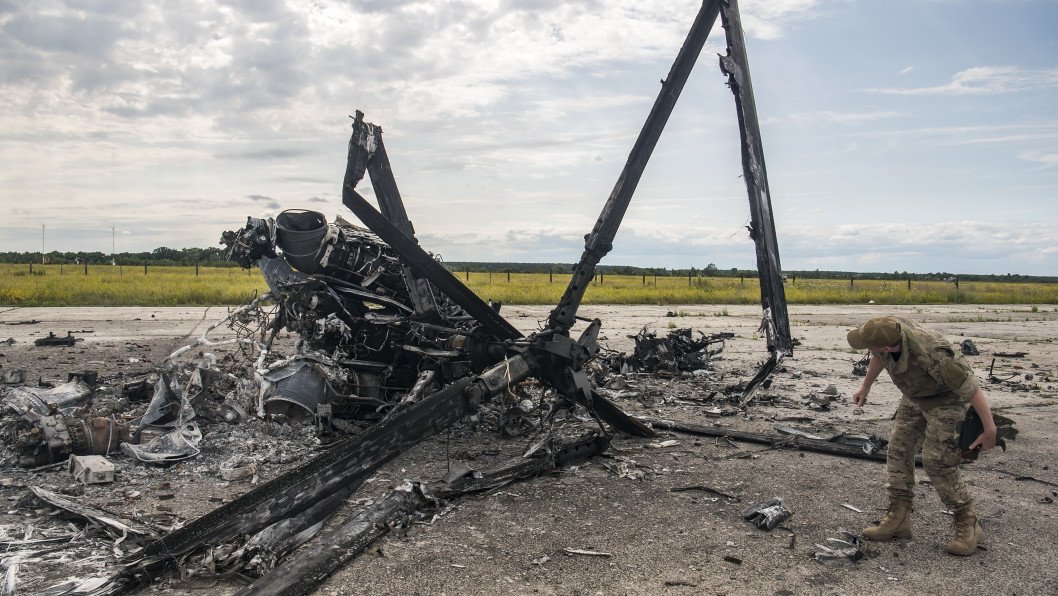
“I think the right lesson is that everyone does have to look up,” Robinson said. “That includes your sustainment footprint on the ground. So we’re looking into how to make that mobile—we don’t have a mound of stuff sitting there.”
She stressed that soldiers maintaining aircraft on the ground must be as aware of aerial threats as those flying them—a reflection of how drone warfare has redefined the battlefield.
Ukrainian fields crisscrossed with optical cables as drone war infrastructure spreads, captured in stunning helicopter footage. pic.twitter.com/Y9MuEAnxJa
— UNITED24 Media (@United24media) August 6, 2025
Designing the next generation: the Bell Valor
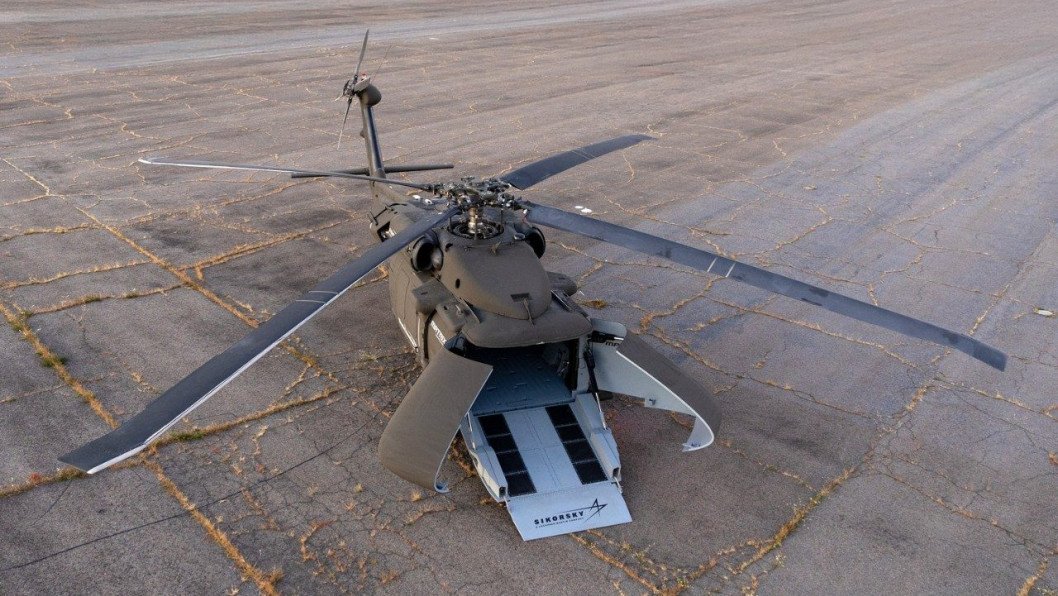
Brig. Gen. David Phillips, program executive officer of Army Aviation, told TWZ that the service’s new Bell MV-75 Valor tiltrotor program directly incorporates lessons from Ukraine.
“You can look at the equipment decisions that we’re making on MV-75 and tie them directly to these lessons learned,” Phillips said. “How we integrate launched effects, how we integrate networks, how we integrate survivability—on and off the platform—are all lessons we’re applying right now.”
The unmanned future takes shape
Ultimately, Gill told TWZ that uncrewed systems will take the lead role in future conflicts, with manned aircraft playing a supporting but still essential part.
“The Army made a decision to move toward unmanned capability,” Gill said.
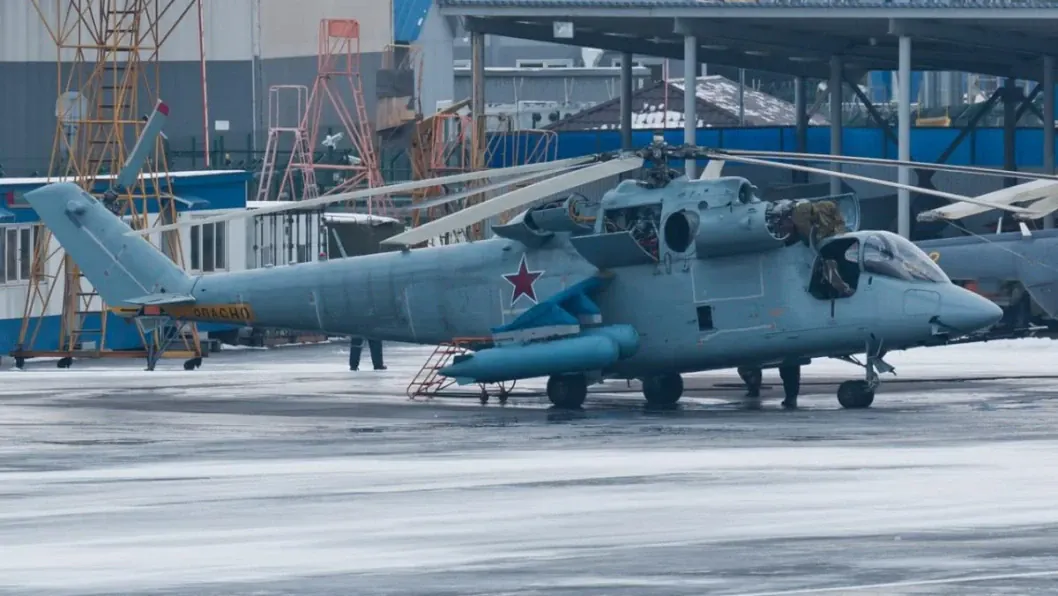
Earlier, reports emerged that Russia intensified efforts to develop new countermeasures to protect its helicopters from FPV drones, which Ukrainian forces increasingly use to threaten low-altitude aircraft.
The Russian helicopter manufacturer “Russian Helicopters” acknowledged that some of its rotorcraft had been damaged or destroyed by FPV drones, and announced ongoing efforts to devise protective upgrades.
Discuss this article:

-111f0e5095e02c02446ffed57bfb0ab1.jpeg "Photo of Roman Kohanets")
-72b63a4e0c8c475ad81fe3eed3f63729.jpeg "Photo of Cyril Barabaltchouk")
-e00d178a31a987cd514e15ad3a8c2131.jpeg "Max Klymenko wearing the Etnodim, featuring embroidery inspired by traditional Ukrainian crafts. (Source: Ian Treherne)")
