- Category
- Latest news
Estonia Denounces Merkel’s Suggestion That Baltic States and Poland Influenced Russia War
 Prefer U24 Media on Google
- Authors


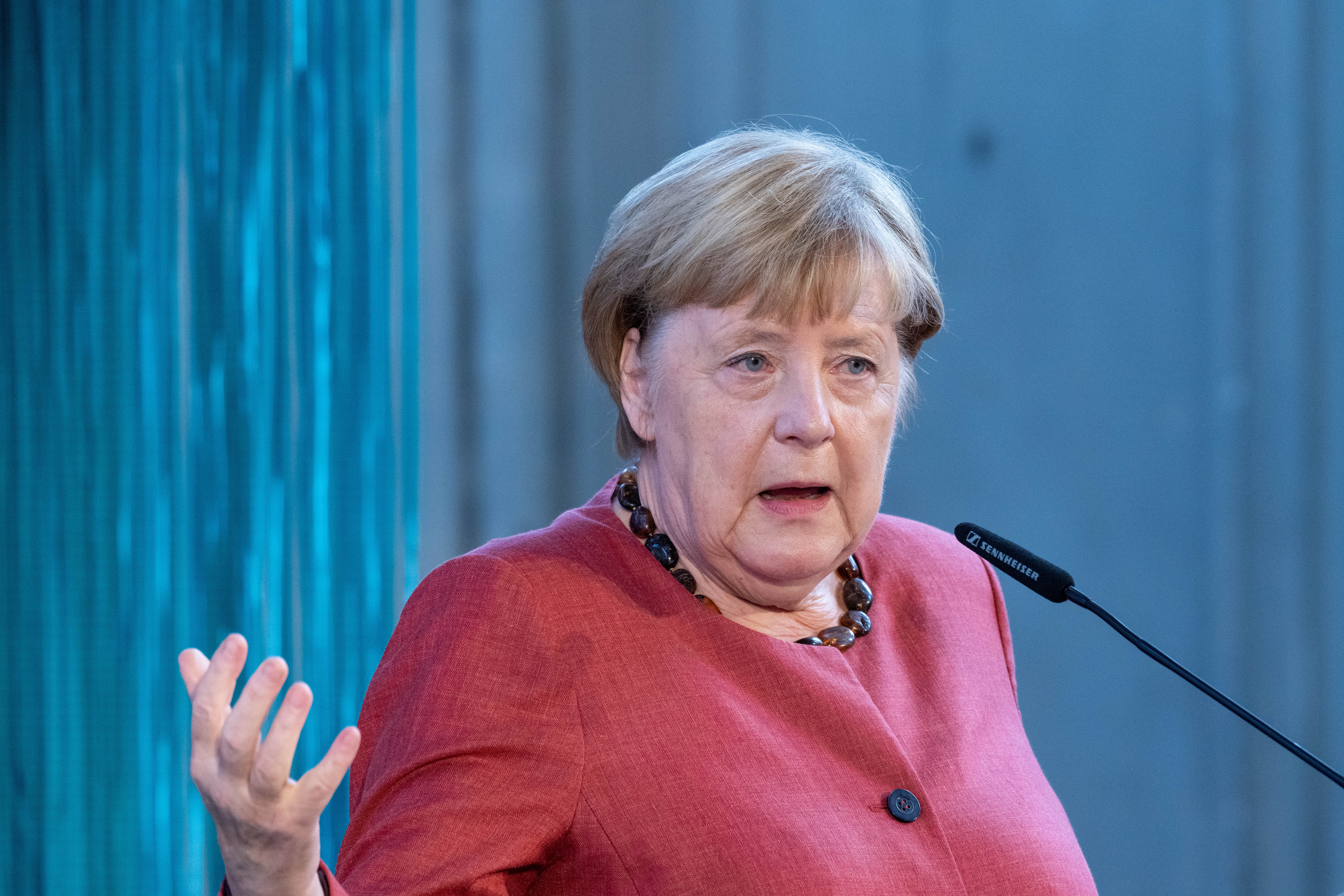
Estonian officials criticized recent remarks by former German Chancellor Angela Merkel regarding Russia’s full-scale war against Ukraine, according to Radio Svoboda on October 6.
Former German Chancellor Angela Merkel suggested that the suspension of peace talks with Russia had been influenced, among other factors, by the positions of Poland and the Baltic states.
The Chairman of the Foreign Affairs Committee, Marko Mihkelson, called Merkel’s comments “new and unfortunately very low point from Angela Merkel: to blame the Baltic states and Poland for triggering Russia’s imperial war.”
“Sadly, this casts a shadow over her entire period as Germany’s chancellor. I won’t even start talking about Nord Stream here,” Mihkelson added.
This is a new and unfortunately very low point from Angela Merkel: to blame the Baltic states and Poland for triggering Russia’s imperial war.
— Marko Mihkelson 🇪🇪🇺🇦 (@markomihkelson) October 6, 2025
Sadly, this casts a shadow over her entire period as Germany’s chancellor. I won’t even start talking about Nord Stream here. pic.twitter.com/fdlzmAy5tq
Estonia’s Foreign Minister, Margus Tsahkna, later responded—without naming Merkel—that there is only one reason for Russia’s war against Ukraine: Moscow’s refusal to accept the collapse of the Soviet Union and its enduring imperial ambitions.
“Russia alone is to blame for this aggression,” Tsahkna stressed.
Merkel made the remarks in an interview with the Hungarian outlet Partizán, where she said that, near the end of her term, she had sought to create a new format for direct talks between the European Union and Russian leader Vladimir Putin. She explained that she “felt he no longer took the Minsk agreements seriously.”
“That’s why I wanted a new format … where we would speak directly with Putin as the European Union … Some did not support that. These were primarily the Baltic States, but Poland was also against it because they feared that we would not have a common policy towards Russia,” Merkel said.
Media outlets widely interpreted Merkel’s comments as placing part of the blame for the full-scale invasion on Poland and the Baltic states.
Previously, it was reported that the European Commission is set to unveil its “Readiness 2030” strategy, a blueprint for strengthening European defense by 2030, which will be discussed at an informal European Council summit in Copenhagen on October 1, according ro Radio Svoboda on September 30.
Discuss this article: