- Category
- Latest news
Estonia Prepares Strategic Plan for 30-Day Autonomy and Deep Strikes into Enemy Territory
 Prefer U24 Media on Google
- Authors


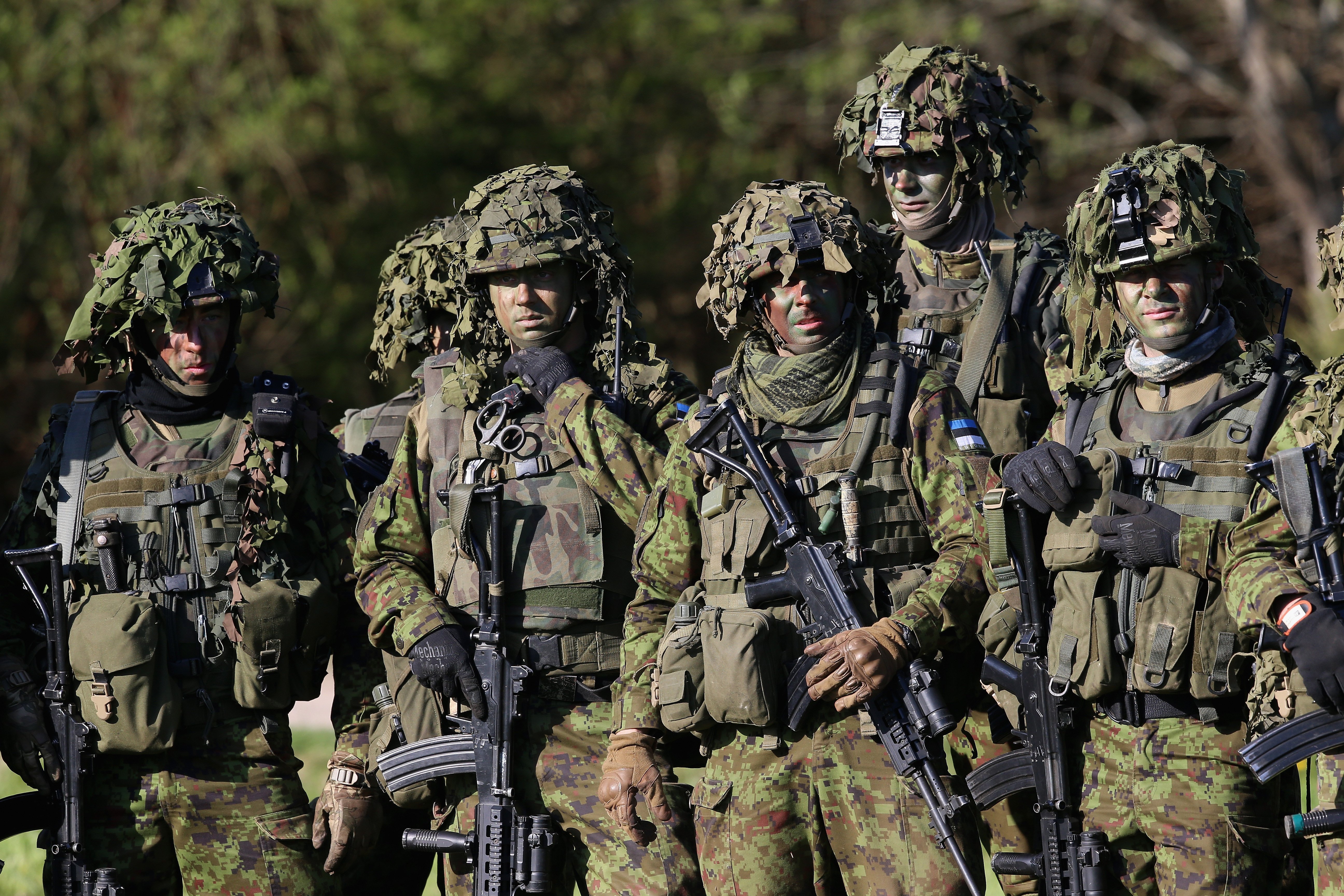
Estonia is making strategic preparations for the possibility of a full blockade by aggressors, a scenario that could see the country cut off from external assistance for up to 30 days.
The country's new security principle is focused on achieving maximum autonomy in the event of a blockade. Estonia is not only preparing to defend its borders but also plans to strike back at enemy targets deep within their territory.
We bring you stories from the ground. Your support keeps our team in the field.
According to ERR on April 9, Estonia's new defense strategy outlines the country’s capacity to function independently for at least a month in the event of an air, sea, and land blockade. During this time, Estonia aims to restore external communication and rely on NATO support to resume full operations.
The country’s government is imposing stricter survival requirements for its citizens. Every Estonian is expected to maintain a seven-day supply of essentials to ensure survival without state assistance. The primary priorities for the population include ensuring continuous access to energy and communication, maintaining adequate food and fuel supplies, securing access to medical services, and having functioning public media for information dissemination.
In response to these preparations, Tallinn is also altering its approach to warfare. The previous principle of “territorial defense” has been significantly enhanced, with the Estonian military planning to engage proactively. The objective is to prevent large-scale battles on Estonian soil by conducting preemptive strikes on enemy forces.
-a0b35bfcbe089eb7ede164b42f6aba00.png)
Under this revised strategy, Estonia’s military aims to inflict deep strikes into enemy territory, neutralizing adversarial forces before they can cross the border. The goal of this active defense approach is to reduce civilian casualties by halting the enemy’s advance earlier.
“Military defense is based on the principle of active defense, which includes taking proactive measures to prevent or hinder an attack or reduce the effectiveness of an attack, including deep strikes into enemy territory. Territorial defense remains crucial, but the primary goal is to ensure that combat does not occur on Estonian soil,” as outlined in the country’s defense documents.
In response to the ongoing conflict and shifting defense priorities, Estonia has made a strategic adjustment to its military spending. The government has decided to cancel its plan to purchase new combat vehicles, opting instead to allocate the €500 million ($585 million) originally intended for that program toward enhancing its air defense capabilities, drones, and unmanned technology.
Estonian Defense Minister Hanno Pevkur explained that this change was driven by both the evolving situation on the defense market and lessons learned from Russia's full-scale invasion of Ukraine. The Commander of the Defense Forces provided key military recommendations that influenced the government's decision.
Pevkur emphasized the importance of extending the service life of Estonia's existing combat vehicles, particularly the CV-90.
“To move forward with other necessary decisions, as well as with extending the service life of existing combat vehicles, this decision had to be made today,” Pevkur said.
The updated plan will see the CV-90 vehicles used for an additional 10 years, which, while costly, will be significantly more affordable than purchasing an entirely new fleet. The minister noted that the changing nature of modern warfare, where heavy equipment plays a less dominant role, also informed the decision.
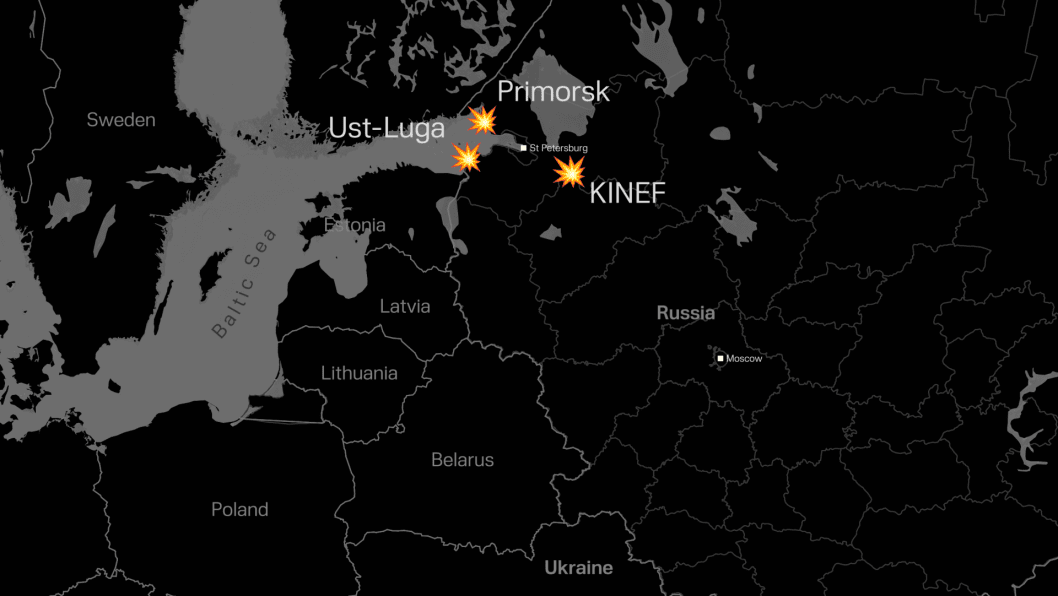
In March, Michael Wiggers Hyldgaard, the head of Denmark's General Staff, expressed concerns that European countries are not yet fully equipped to face the realities of war.
Hyldgaard cautioned that Russia could potentially launch an attack on NATO territory before the decade concludes.
“We have to change our approach: move from analysis to action. We are no longer very surprised, but we are also not ready. We don't need to be perfectly prepared, we need to be better prepared than our opponent,” he stated.
Discuss this article:
-9a7b3a98ed5c506e0b77a6663f5727c5.png)

-72b63a4e0c8c475ad81fe3eed3f63729.jpeg "Photo of Cyril Barabaltchouk")
-1e2b00aa06eeb4887728b6b94f4c81fc.jpg "Fire breaks out in a non-residential outbuilding and a private residential home after Russian shelling in the Shevchenkivskyi district, in Kyiv, Ukraine on October 15, 2026. (Source: State Emergency Service/Getty Images)")
-111f0e5095e02c02446ffed57bfb0ab1.jpeg "Photo of Roman Kohanets")