- Category
- Latest news
Europe’s Busiest Port Reserves Space for NATO Ships Amid Rising Russia Threat
 Prefer U24 Media on Google
- Authors


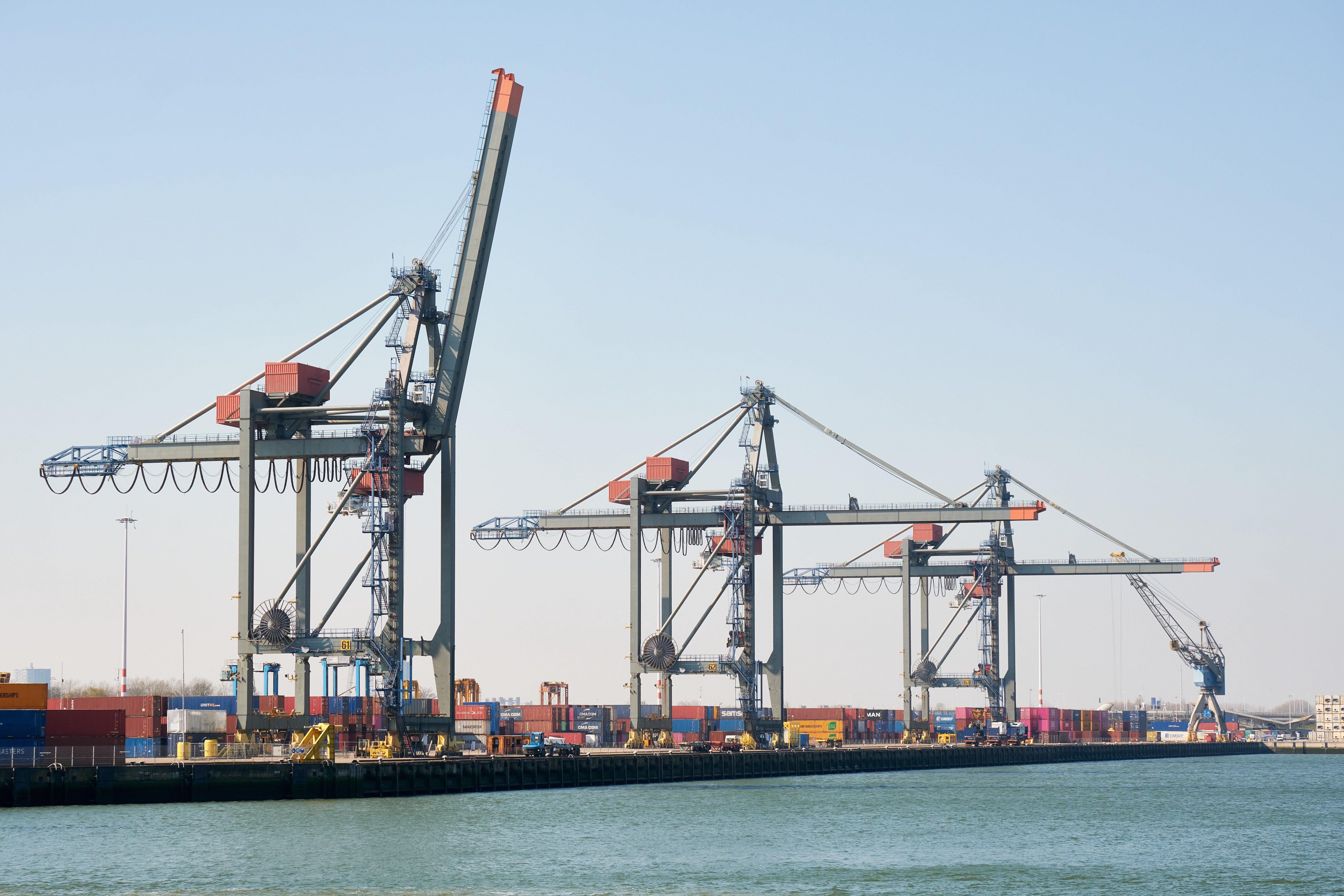
The Port of Rotterdam, Europe’s largest seaport, has begun reserving dedicated dock space for NATO military cargo ships in response to increasing concerns over a potential armed war with Russia, according to the Financial Times on July 8.
Port officials are implementing contingency measures that include preparing terminals for military logistics and developing plans to redirect commercial cargo in case of emergency.
The initiative is part of broader NATO coordination efforts aimed at improving Europe’s military readiness.
Boudewijn Siemons, CEO of the Port of Rotterdam Authority, said the port is working closely with Belgium’s Port of Antwerp—the second-largest in the EU—to ensure seamless handling of defense-related shipments.
“Not every terminal is suited to handle military cargo,” Siemons noted. “If we face high volumes, we will rely on Antwerp or other ports to share the load, and vice versa. We increasingly see each other less as competitors and more as partners.”
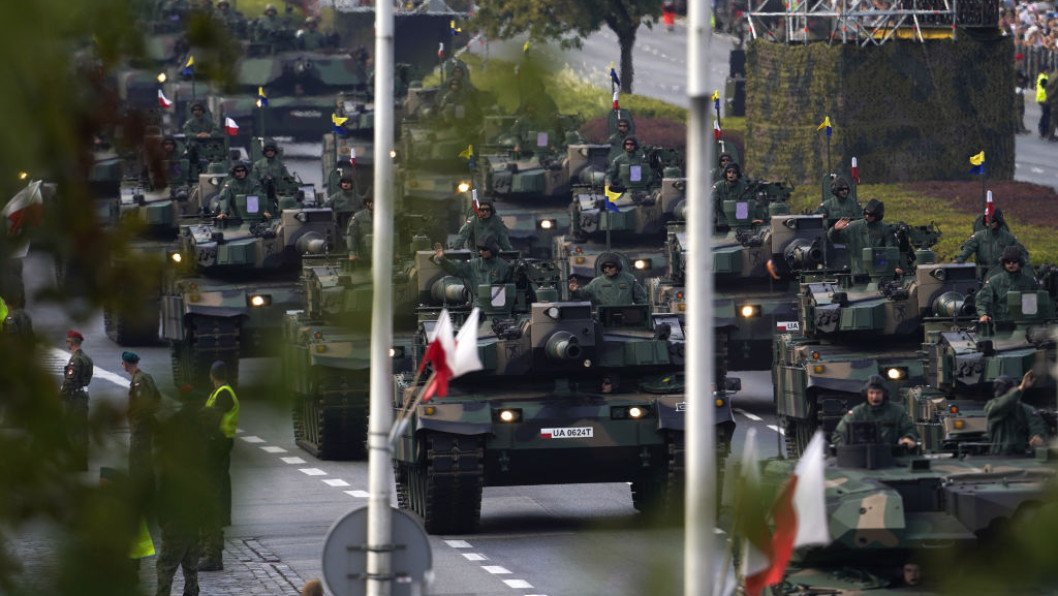
As part of these measures, a container terminal is being repurposed to facilitate the safe transfer of ammunition and other military supplies between vessels. While the port has previously handled weapons shipments, it has never had a permanent military-designated dock, even during the Cold War.
According to Siemons, the port expects to host such military vessels approximately four to five times per year, with each docking lasting several weeks. Additionally, amphibious landing exercises are planned to be held at the port multiple times annually.
In May, the Dutch Ministry of Defense confirmed that Rotterdam would provide berthing space for NATO shipments as part of the EU’s broader rearmament strategy. The effort aims to reduce European reliance on the United States for defense logistics.
The port also serves as a strategic oil storage site. In this context, Siemons called on European nations to consider safeguarding other critical materials such as copper, lithium, and graphite—resources essential for defense and energy systems.
Handling up to 470 million tons of goods annually, the Port of Rotterdam is a key hub in global trade. It spans 105 square kilometers along a 40-kilometer stretch of the North Sea coast, positioned at the confluence of the Rhine and Meuse rivers.
The port comprises five districts and three main cargo zones, serving more than 40 million consumers and processing a wide range of goods, from bulk chemicals and fuels to food products and industrial equipment.
On July 8, the EU is expected to unveil its “strategic stockpiling strategy,” which will include provisions for essential raw materials, energy infrastructure, medical supplies, food, and water.
Discuss this article:


-c439b7bd9030ecf9d5a4287dc361ba31.jpg "Photo of Katherina Popilnichenko")