- Category
- Latest news
France and Germany Step Up Long-Range Strike Plans With 1,000km Missile
 Prefer U24 Media on Google
- Authors


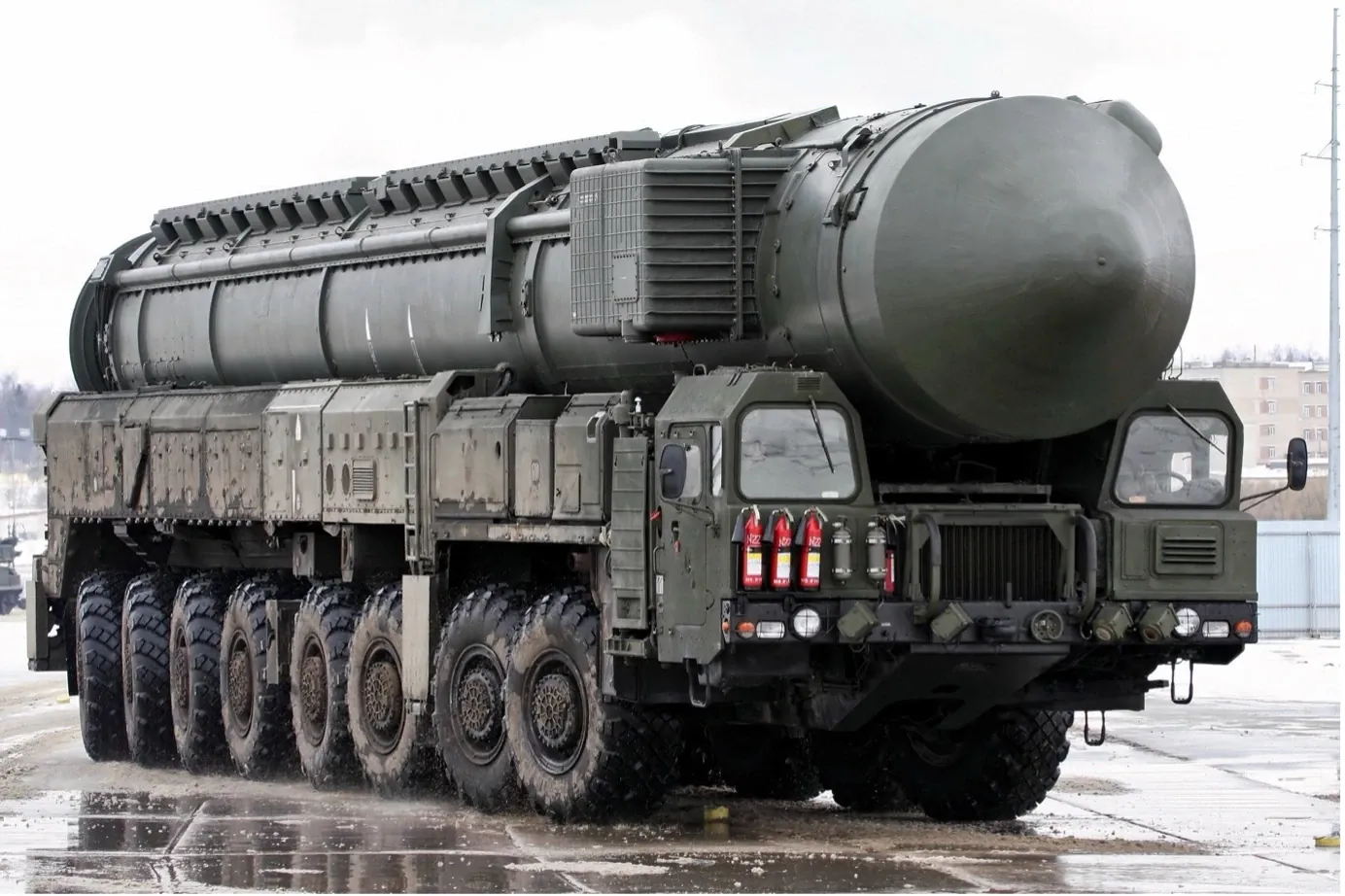
France and Germany are examining a proposed land-based ballistic missile system put forward by aerospace manufacturer ArianeGroup, reflecting a broader effort to bolster Europe’s long-range strike capacity amid heightened security risks.
This was reported by Reuters on February 12.
We bring you stories from the ground. Your support keeps our team in the field.
ArianeGroup confirmed that it is holding talks with France’s Ministry of the Armed Forces about the concept, which would be capable of striking targets at distances exceeding 1,000 kilometers within minutes. The company added that it has also been in contact with the German government, supplying Berlin with details about the system’s potential.
Vincent Pery, ArianeGroup’s director of defense programs, said the firm is conducting “preliminary discussions with several countries” on how a ballistic capability could be integrated into the current geopolitical landscape. Speaking at the Munich Security Conference, Pery pointed to Russia’s ongoing missile attacks on Ukraine and the use of ballistic weapons in the Middle East as factors driving renewed interest in such systems.
According to Reuters, the initiative comes as European governments continue to reevaluate their military strategies in the wake of Russia’s full-scale invasion of Ukraine in 2022.
-fe851b90d8a0ba797c376cd41cd6a9ac.png)
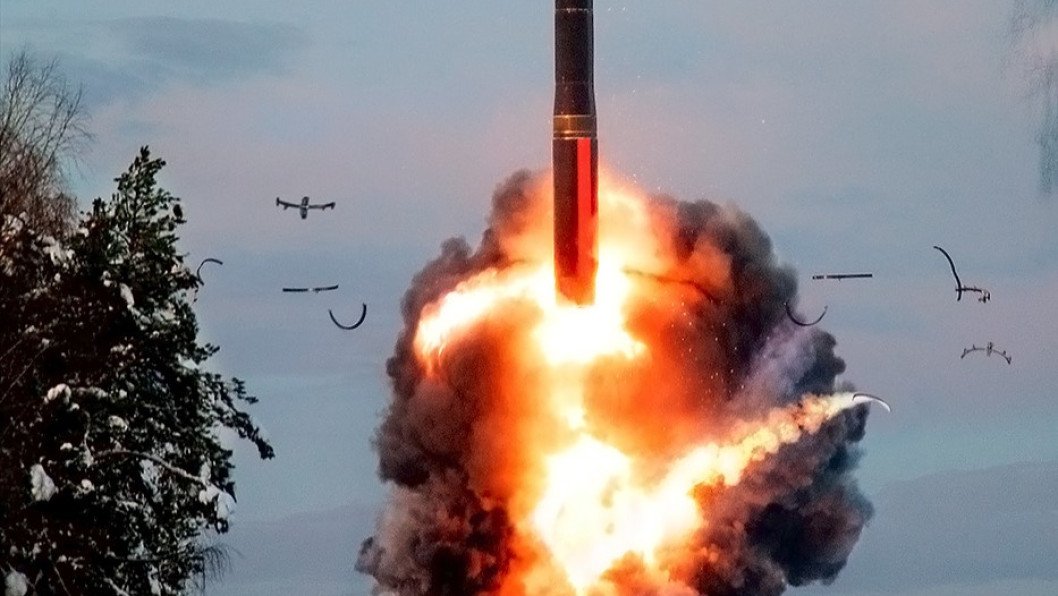
In January, Russia’s hypersonic Oreshnik missile was used in an overnight strike on a workshop belonging to a Ukrainian state enterprise in the western city of Lviv.
The missile, launched toward an area near the border with NATO member Poland, reportedly dispersed multiple submunitions upon impact. The Ukrainian official told Reuters that the strike caused “minor penetrations of concrete structures” within the workshop, while additional submunitions landed in a nearby wooded area, leaving several craters.
The attack represented the second confirmed deployment of the Oreshnik intermediate-range ballistic missile in Russia’s war against Ukraine, underscoring Moscow’s continued use of advanced missile systems despite limited tactical impact.
French President Emmanuel Macron has argued that Europe needs comparable tools to maintain credible deterrence.
“We are within range of these missiles,” Macron said last month, urging stronger European defensive capabilities. France’s proposed defense budget earmarks up to around $1.08 billion for the development of a ground-based ballistic missile program.
As of January 25, Russia had only three to four units of its new Oreshnik medium-range ballistic missile system in its arsenal, but Moscow is preparing to move the weapon into serial production in 2026, according to Ukraine’s Foreign Intelligence Service.
In an interview with Ukrinform, First Deputy Head of the Foreign Intelligence Service Oleh Luhovskyi said the Russian Ministry of Defense plans to establish production capacity for at least five Oreshnik missiles per year starting this year.
“We know that the Russian Ministry of Defense intends to launch Oreshnik into serial production in 2026 and acquire the capacity to produce five or more such missiles annually,” Luhovskyi stated.
He suggested that the missile’s importance lies less in its battlefield utility and more in its political messaging. According to Luhovskyi, the Oreshnik serves “primarily as a tool for intimidating Ukraine’s European partners,” while its actual combat effectiveness remains “dubious” and based on aging technological components.
Earlier, satellite images taken on February 9 suggested that Belarus is constructing a new military facility that may be intended to host Russia’s Oreshnik missile system.
Discuss this article:



-111f0e5095e02c02446ffed57bfb0ab1.jpeg "Photo of Roman Kohanets")

-72b63a4e0c8c475ad81fe3eed3f63729.jpeg "Photo of Cyril Barabaltchouk")
-e00d178a31a987cd514e15ad3a8c2131.jpeg "Max Klymenko wearing the Etnodim, featuring embroidery inspired by traditional Ukrainian crafts. (Source: Ian Treherne)")