- Category
- Latest news
Hack Exposes Russia’s Faulty Zhuk-ME Radars That Crippled India’s MiG-29K Fleet
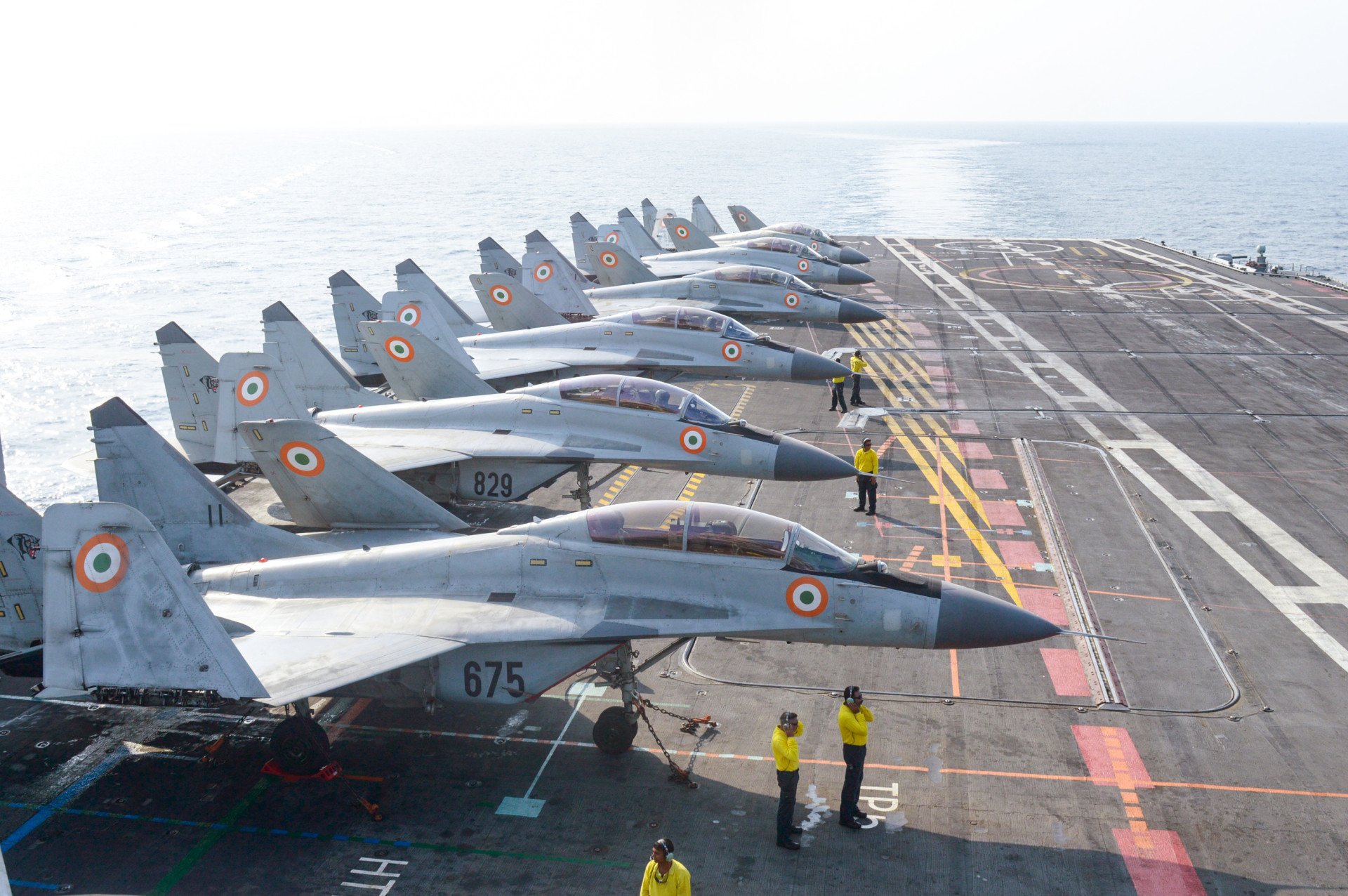
A new hack reveals how Russia’s defective Zhuk-ME radars crippled India’s front-line MiG-29K jets—and how Moscow allegedly covered it up.
 Prefer U24 Media on Google
- Authors


Black Mirror hacker team has leaked internal Russian documents exposing years of unresolved technical failures in the Zhuk-ME radar system installed on India’s carrier-based MiG-29K and MiG-29KUB fighter aircraft, defense media outlet Defence Blog reported on October 9.
The files, reportedly obtained from sources linked to Rostec—Russia’s state defense conglomerate — reveal persistent reliability issues, repeated radar breakdowns, and Moscow’s failure to meet its contractual obligations to the Indian Ministry of Defense.
MiG-29K made its maiden landing on INS Vikrant yesterday
— Lt Gen Satish Dua 🇮🇳 (@TheSatishDua) February 7, 2023
Kudos to @indiannavy and more strength to indigenisation.
Jai Hind 🇮🇳 pic.twitter.com/YnEslg4Yiw
Chronic radar failures and false performance claims
According to the leaked “Report on the Reliability and Performance of the Zhuk-ME Radar in MiG-29K/KUB Aircraft of the Indian Navy,” Russia’s radar systems performed far below the standards promised in India’s 2004 procurement deal with RAC MiG.
The contract stipulated a mean time between failures (MTBF) of 150 flight hours and a mean time between defects (MTBD) of 120 hours.
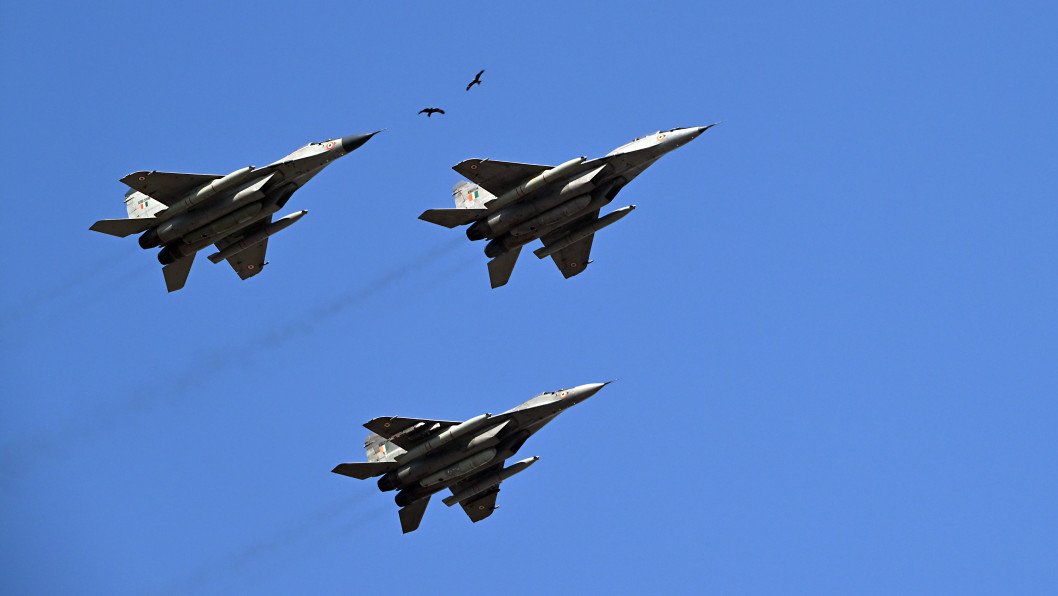
In reality, reliability was a fraction of that. Data gathered at annual Russo-Indian reliability conferences at the Indian Navy’s INS Hansa Air Base showed the radar lasting just 20 hours between failures in early 2016—seven times worse than agreed.
By mid-2017, the situation had deteriorated further, Defence Blog notes, with MTBF dropping to 60 hours. Even after limited redesigns, Indian naval officers continued to file formal complaints about “unsatisfactory radar operation,” citing frequent system malfunctions and long repair delays.
Indian military pushback and Russian denial
The documents reference multiple internal memoranda from India’s Navy, dated between March and July 2018, highlighting recurring radar breakdowns and Russia’s slow response.
According to Defence Blog, Indian officials demanded that Moscow overhaul all Zhuk-ME systems at its own expense after test results from three “modernized” units showed only “satisfactory”—not reliable—performance.
One section of the leak claims that Russian reliability statistics were deliberately inflated by counting flights conducted with mock radar modules. “The actual indicator cannot represent the factual reliability of the Zhuk-ME radar,” the report states.
IAF MiG-29 Touchdown on Ganga Expressway in Shahjahanpur, UP 🛣️
— Vivek Singh (@VivekSi85847001) May 2, 2025
These types of Runways are very crucial during War time.
pic.twitter.com/4MocYB4REh
Phazotron’s failed fix and India’s final cut
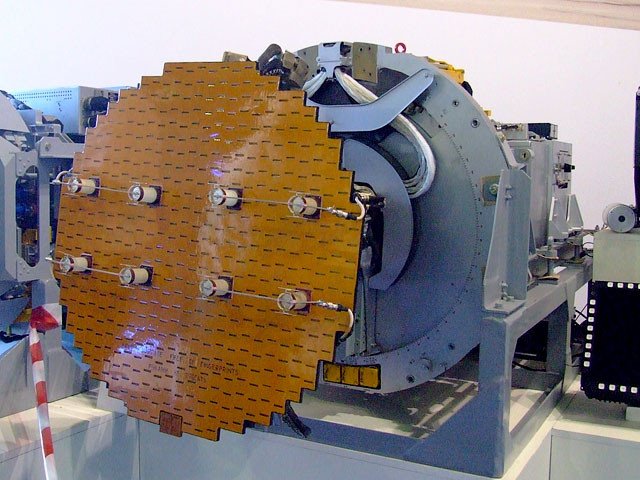
Russia’s NIIR Phazotron, the Zhuk-ME’s manufacturer, allegedly attempted several redesigns and component replacements under the supervision of KRET, another Rostec subsidiary. But despite these efforts, the radar never met its contractual specifications.
By May 2019, the Indian Navy officially delisted the Zhuk-ME from its Original Manufacturer Certificate, effectively disqualifying it as a certified component for its MiG-29K/KUB fleet—the service’s primary carrier-based fighters, Defence Blog reported.
Bigger picture: cracks in Russian-Indian defense ties
The leak underscores growing tension between New Delhi and Moscow over defense reliability, particularly as India diversifies its military partnerships with Western suppliers.
It also adds to a pattern of exposure by the Black Mirror group, which has repeatedly targeted Russian defense firms under Rostec, revealing issues of corruption, falsified performance data, and quality failures across multiple weapons programs.
Earlier, reports emerged that India’s long-delayed plan to procure 114 multi-role fighter aircraft under the MRFA (Multi Role Fighter Aircraft) program may end without a competitive tender. Instead, the Indian Air Force is expected to place an order for more Rafale jets from French manufacturer Dassault Aviation, skipping Russian offers of Su-57 jets.
India has been operating Rafale jets since 2016, when it ordered 36 aircraft for €7.8 billion, followed by an April 2025 order for 26 Rafale-M naval variants worth €6.6 billion. The country has already invested in Rafale-compatible weapons, training, and infrastructure, and is localizing production through Tata, which assembles fuselages.
Discuss this article:






-c439b7bd9030ecf9d5a4287dc361ba31.jpg "Photo of Katherina Popilnichenko")