- Category
- Latest news
Heeding Ukraine’s Warning, EU Funds Drone and Cyber Defenses for Eastern Power Networks
 Prefer U24 Media on Google
- Authors

-72b63a4e0c8c475ad81fe3eed3f63729.jpeg "Photo of Cyril Barabaltchouk")
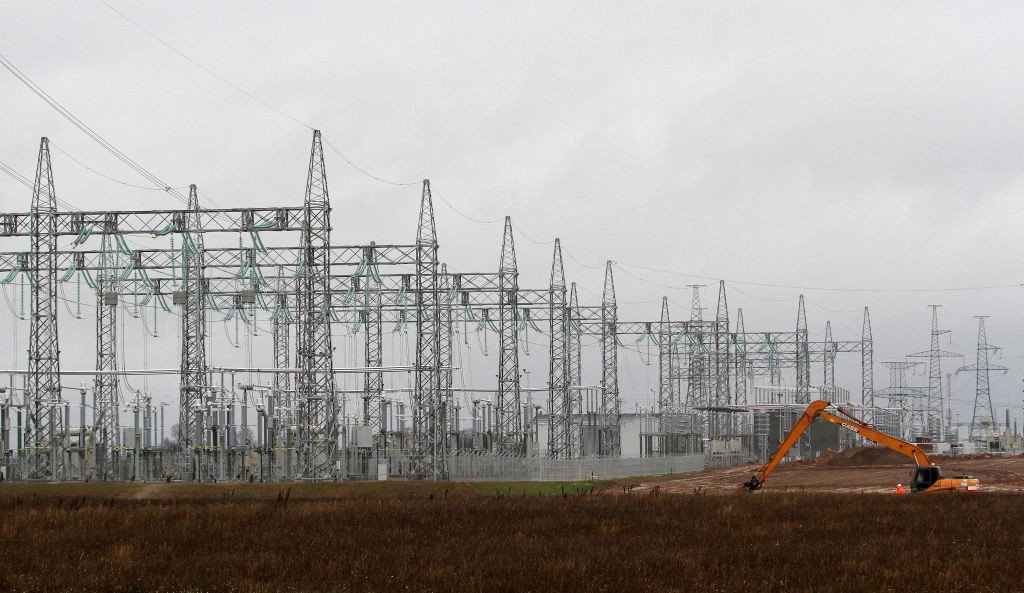
European countries bordering Russia are stepping up security to defend vital energy infrastructure, following Russia’s repeated strikes on Ukraine’s power grid, Politico reported on February 25.
Estonia, Latvia, Lithuania, and Poland have been granted €113 million ($133 million) by the European Union to enhance defenses against potential military and cyberattacks on energy networks.
We bring you stories from the ground. Your support keeps our team in the field.
This funding marks the first time the EU has distributed financial support for critical infrastructure security. The funds will be used for physical barriers, drone-jamming technology, digital defenses, rapid-repair teams, and increased military presence around key facilities.
According to Žygimantas Vaičiūnas, Lithuania’s energy minister, “In peacetime, protection is the responsibility of energy companies. In wartime, it becomes the responsibility of the Ministry of Defense.”
The urgency of the situation became clear after Russia’s daily assaults on Ukraine’s energy systems, with over 6,000 drones, aerial bombs, and missiles deployed in January alone, leaving millions without power in freezing temperatures. These attacks highlighted the vulnerability of Europe’s own energy infrastructure, prompting a renewed focus on defense, Politico wrote.
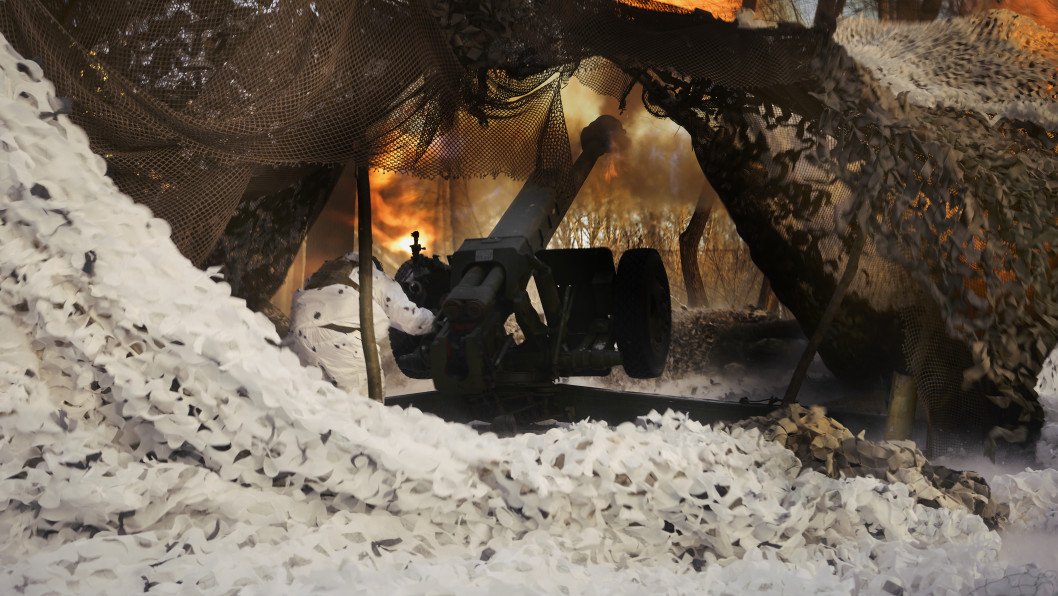
Ukraine’s Security Service (SBU) had previously classified Russia’s systematic strikes on Ukraine’s energy infrastructure as crimes against humanity, citing extensive evidence that the attacks are aimed at destroying civilian living conditions.
According to SBU, its investigators have documented a sustained campaign by Russia targeting power generation and heating systems as part of a broader policy directed against Ukraine’s civilian population.
The EU funding, while not substantial, is seen as symbolic support for future initiatives. Latvia’s energy minister Kaspars Melnis emphasized, “It’s not a huge amount of money, but it’s something. And it’s important support.”
The funding will also aid cross-border connectivity projects to strengthen Europe’s energy grid against future attacks. With growing threats from Russia and other actors, energy ministers from Estonia and Latvia stress that further investments are necessary to bolster the resilience of Europe’s power networks.
Earlier, First Deputy Prime Minister and Minister of Energy of Ukraine Denys Shmyhal had visited one of Kyiv’s Combined Heat and Power (CHP) plants alongside Ukraine’s international allies.
The visit, which included prominent guests such as European Commission President Ursula von der Leyen, European Council President António Costa, and the Presidents of Finland, Estonia, and other European countries, highlighted the severe impact of Russia’s attacks on Ukraine’s energy infrastructure.
During the visit, the Minister reflected on the devastating consequences of Russian missile and drone strikes. He emphasized, “At such sites, war ceases to be just a statistic or an image on a screen. Here, it is clear that Russia is waging war against light, heat, and the ability to live normally.”
Discuss this article:


-c439b7bd9030ecf9d5a4287dc361ba31.jpg "Photo of Katherina Popilnichenko")