- Category
- Latest news
How Reverse-Engineered Russian Drones Ended Up Flying for Ukraine
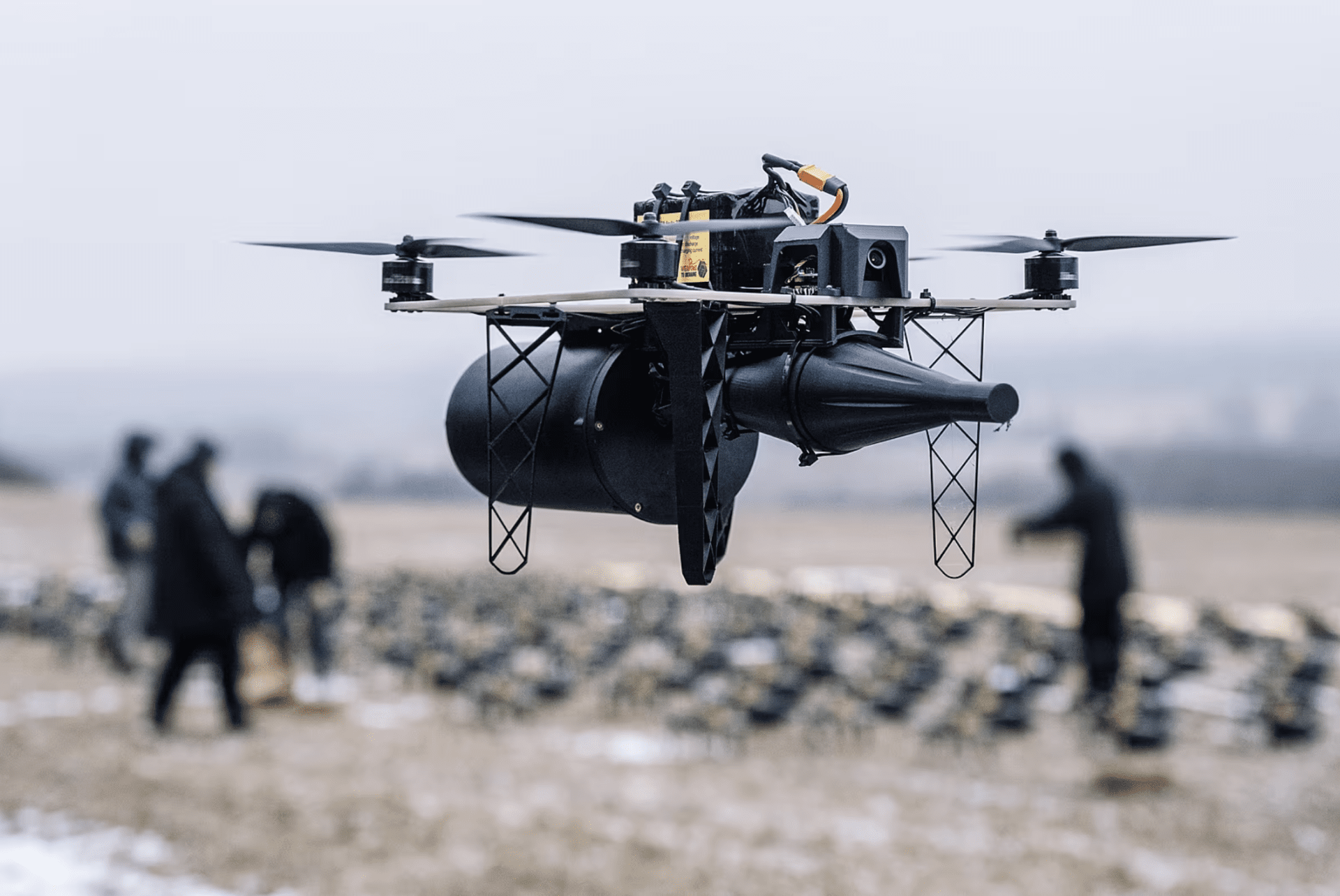
Technology once used by Russian forces on the battlefield is now being turned back against them, as a Czech company supplies Ukraine with fiber-optic FPV drones developed from reverse-engineered Russian unmanned aerial vehicles.
 Prefer U24 Media on Google
- Authors


A Czech company, working in cooperation with volunteers, is supplying Ukraine with fiber-optic FPV drones developed using technology taken from captured Russian unmanned aerial vehicles.
This was reported by the Czech news outlet iDNES on January 25.
We bring you stories from the ground. Your support keeps our team in the field.
The new FPV drone, named “Jan Žižka” after the well-known Czech military commander, uses a fiber-optic communication system, making it resistant to electronic warfare.
The drone was developed by the Czech company SPARK, which based its work on Russian technology. Ukrainian troops provided volunteers with a captured Russian fiber-optic drone known as “Prince Vandal of Novgorod.” Engineers studied the device in detail and used it as the basis for creating the new model, Jan Žižka.
Most of the drone’s components are produced in the Czech Republic, including a green fiberglass body, 3D-printed supports, as well as batteries and fiber-optic spools with a length of up to 25 kilometers.
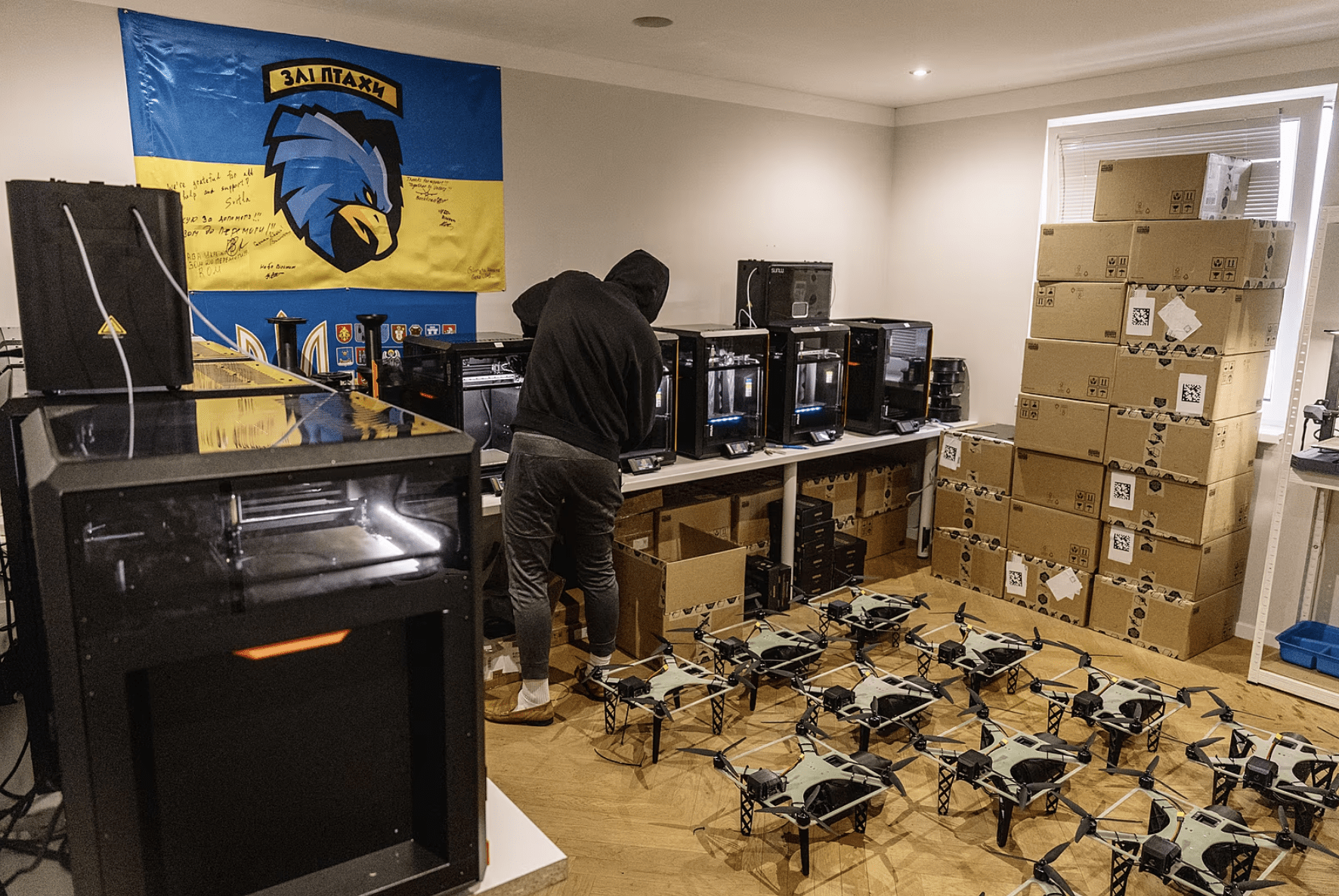
According to the report, the drone’s cost is roughly three times lower than that of comparable systems.
The company was able to launch mass production of the drones thanks to funding from the civic initiative Dárek pro Putina (“A Gift for Putin”).
According to the outlet, Russian forces began using these drones in Ukraine roughly a year ago. They are now flown tens of kilometers beyond the front line, where they are set down along roads and left to lie in wait. When armored equipment or vehicles carrying soldiers come near, the drone lifts off and launches an attack.
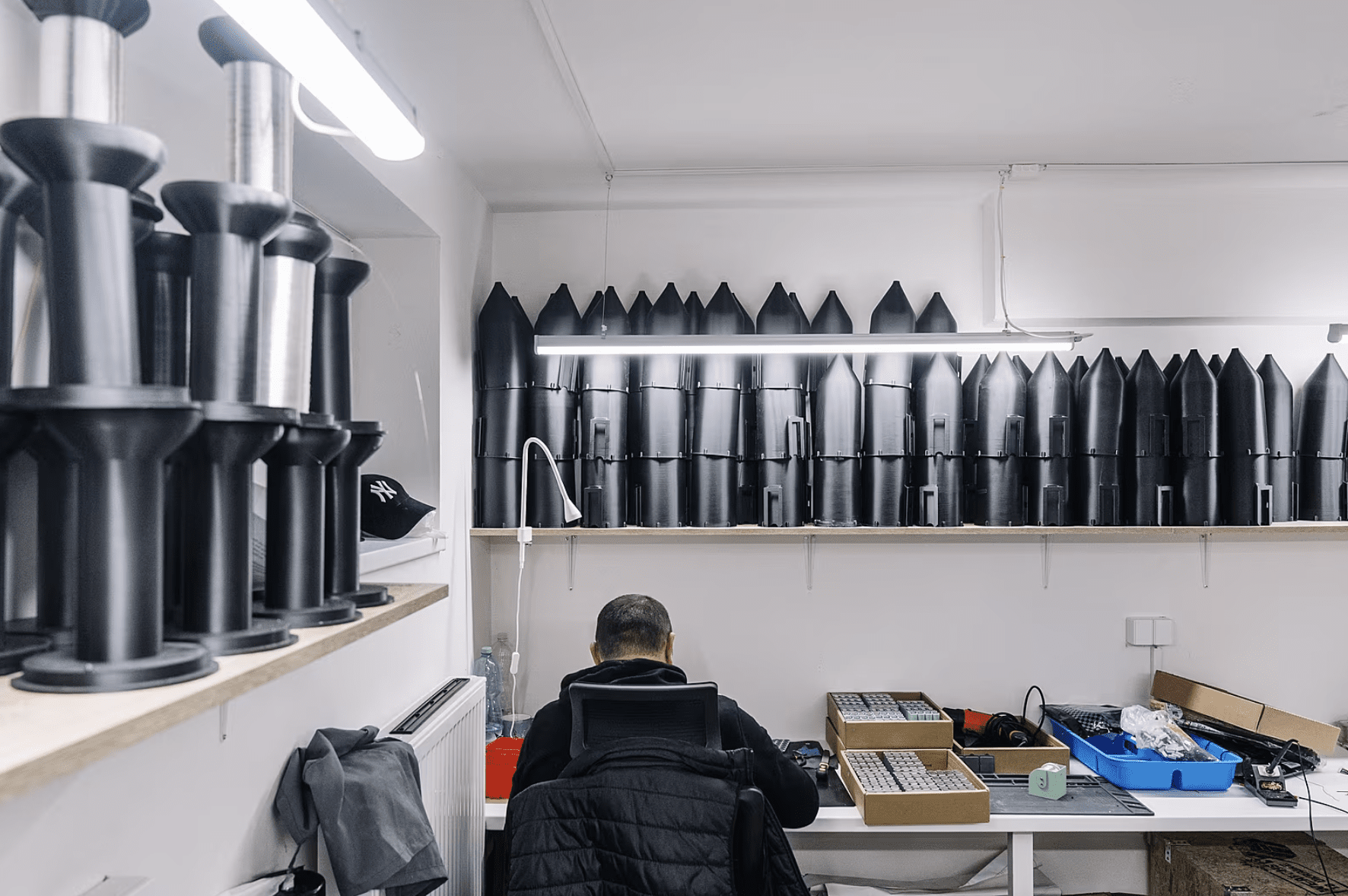
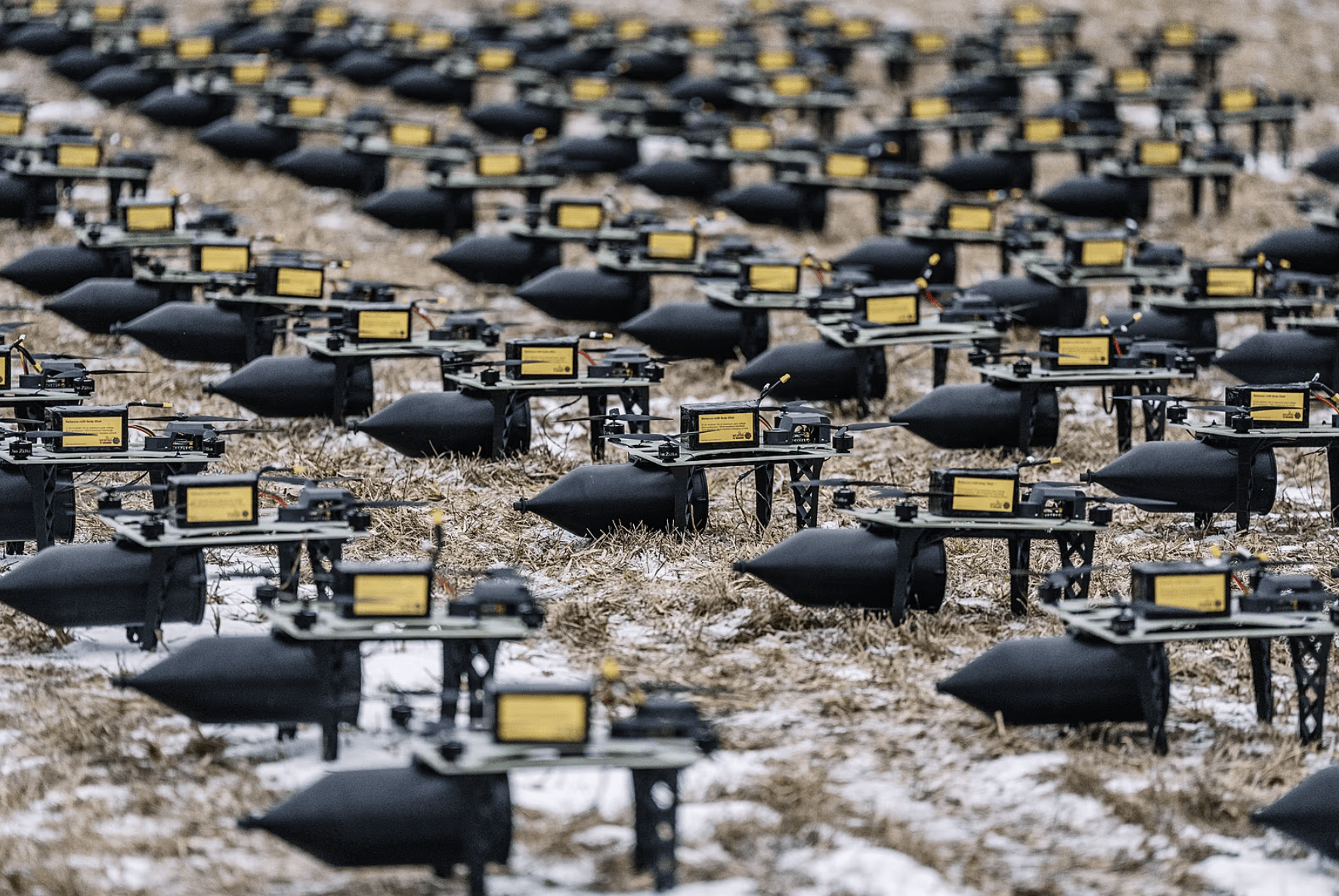
“We told ourselves that we would return to the Russians what they send us,” said Lesya Kopchuk, head of the association, laughing. “I often saw the remains of these drones during my trips to Ukraine, but they were unusable. This one was truly a gift from heaven,” added the businesswoman, who has been delivering aid to Ukrainian soldiers on the front line for four years.
Ukraine is prioritizing the development of long-range, fiber-optic-controlled drones as part of broader efforts to strengthen its military capabilities and narrow the technological gap with Russian forces.
According to Yevheniy Khmara, head of Security Service of Ukraine, expanding the range of these systems is essential for gaining a tactical edge in the war. He added the Ukrainian Defense Forces need advanced operational and tactical tools capable of delivering precise and powerful strikes against Russian positions, particularly in heavily fortified areas.
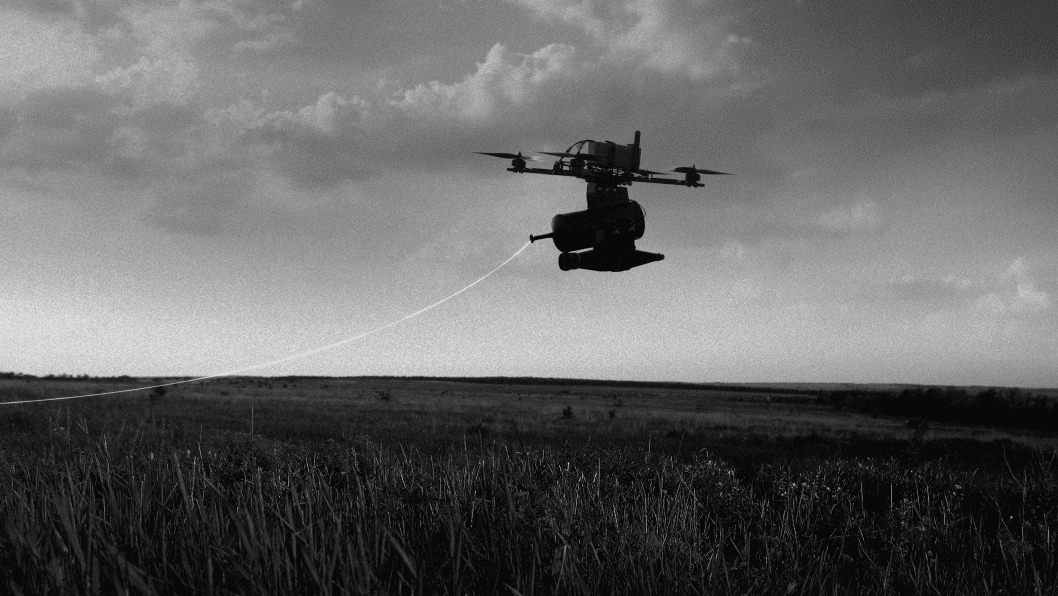
Oleksandr Yabchanka, head of robotic systems for the Da Vinci Wolves battalion, noted that fiber-optic technology plays a decisive role in overcoming communication and electronic warfare challenges, as it provides stable links unaffected by jamming and enables platforms to operate at greater distances.
The delivery comes days after Czech parliamentary speaker and leader of the Freedom and Direct Democracy party, Tomio Okamura, said his party would continue efforts to end all forms of assistance to Ukraine, including support for refugees.
Okamura said the continuation of the ammunition initiative for Ukraine only as what he described as a “difficult compromise,” stressing that the agreement was conditional on the termination of state funding and the absence of any deployment of Czech troops to Ukraine.
-e5e2358f676d2926947b90a73136b91d.jpg)
Speaking to journalists during a break in a lower house session, Okamura said his party would keep pressing for the ammunition initiative to be shut down entirely. He added that had Freedom and Direct Democracy won the elections, the Czech Republic would not have taken part in the initiative at all.
“We will not give any money from the Czech budget under humanitarian initiatives. And we have agreed that no Czech soldiers will be in Ukraine,” Okamura said, adding that his party would continue to pressure the government on the issue.
Earlier, a donor who chose to remain anonymous provided around $4.81 million to the Czech pro-Ukraine fundraising initiative Dárek pro Putina.
Discuss this article:


-72b63a4e0c8c475ad81fe3eed3f63729.jpeg "Photo of Cyril Barabaltchouk")
-e88c01988249cd60b6f04f79d29156b7.jpeg "Damage to “Cosmogony,” the largest painting in Ukraine, following a Russian drone attack on Lutsk on October 13, 2026. (Source: @sashyyna/Instagram)")

-dd35be762f08867915b1187d08f5b7cb.jpg "Aftermath of a Ukrainian Neptune missile strike on a Russian Borisoglebsk airfield, October 15, 2026.")