- Category
- Latest news
Hungarian FM Confirms Calling Russian Counterpart During EU Meets
 Prefer U24 Media on Google
- Authors

-72b63a4e0c8c475ad81fe3eed3f63729.jpeg "Photo of Cyril Barabaltchouk")
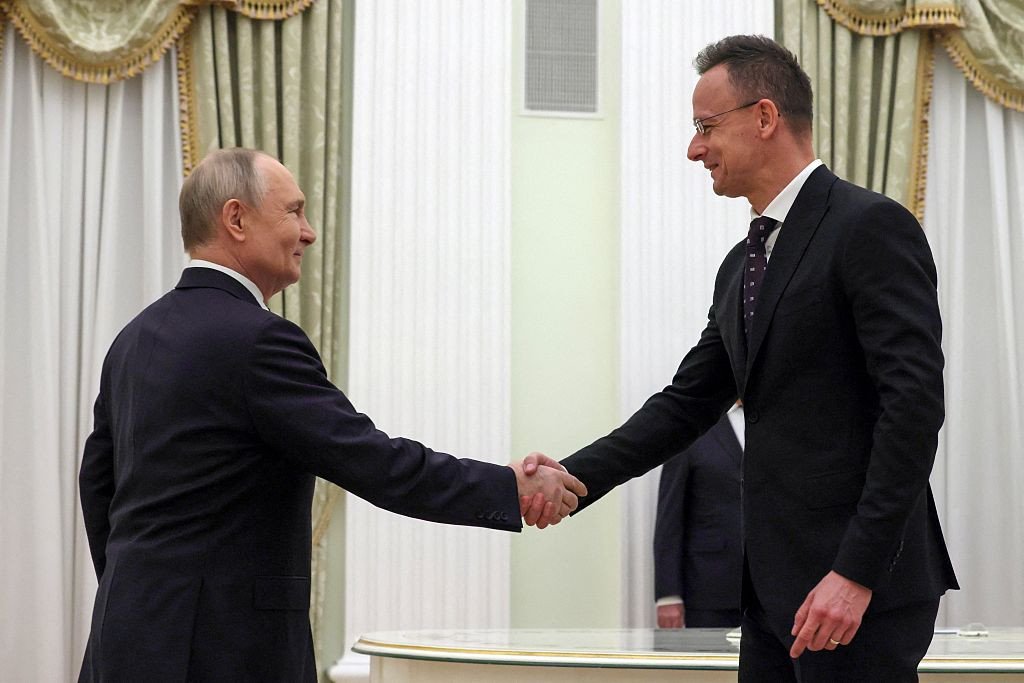
Hungarian Foreign Minister Péter Szijjártó has confirmed regular communication with Russian Foreign Minister Sergei Lavrov during confidential EU meetings, Euronews reported on March 24.
This follows reports alleging that Szijjártó routinely updates Moscow during breaks in EU summits. While the Hungarian government initially dismissed these allegations as “fake news,” Szijjártó confirmed the calls during a campaign event on the evening of March 23.
We bring you stories from the ground. Your support keeps our team in the field.
Defending the practice as a diplomatic necessity, Szijjártó stated, “Yes, these issues must be discussed with our partners outside the European Union. I talk not only to the Russian Foreign Minister, but also to our American, Turkish, Israeli, Serbian and others before and after European Union Council meetings.”
He further dismissed concerns regarding security breaches or the use of mobile devices during sensitive talks, claiming that “the suggestion that there are any security protocols falls into the category of stupidity.” He added, “Every minister brings their phone into the room except me. What I say may sound harsh, but diplomacy is about talking to the leaders of other countries,” Euronews wrote.
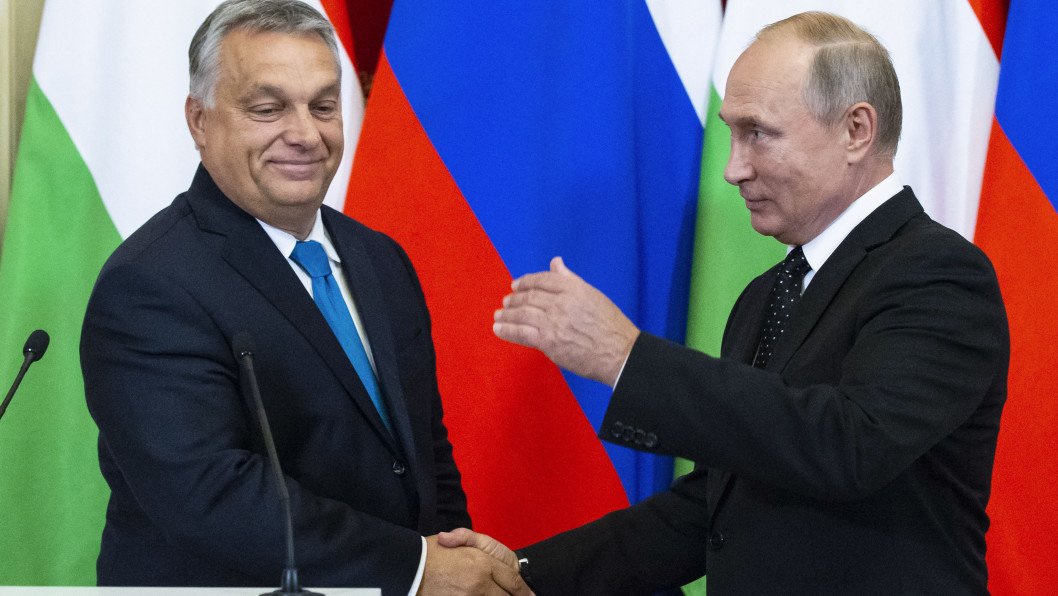
The European Commission has labeled the reports “concerning,” as EU member states are bound by the principle of sincere cooperation regarding confidential proceedings. These revelations emerge as the ruling Hungarian Fidesz party faces an intense challenge from Péter Magyar’s Tisza Party ahead of the April 12 elections.
Despite significant pressure from Brussels, Hungary remains one of the few European nations maintaining direct ties with the Kremlin, with Szijjártó visiting Moscow 16 times since Russia’s full-scale invasion of Ukraine in 2022 and meeting Russian leader Vladimir Putin as recently as March 4.
The diplomatic rift between Budapest and Brussels deepened this month as Hungary utilized its veto power to stall critical support for Kyiv. Hungarian officials have previously blocked a €90 billion ($104 billion) financial aid package, triggering sharp condemnation from fellow EU leaders who labeled the move “unacceptable.”
Discuss this article: