- Category
- Latest news
Inside Ukraine’s Defense Reset—What Was Changed in Just Three Months
 Prefer U24 Media on Google
- Authors


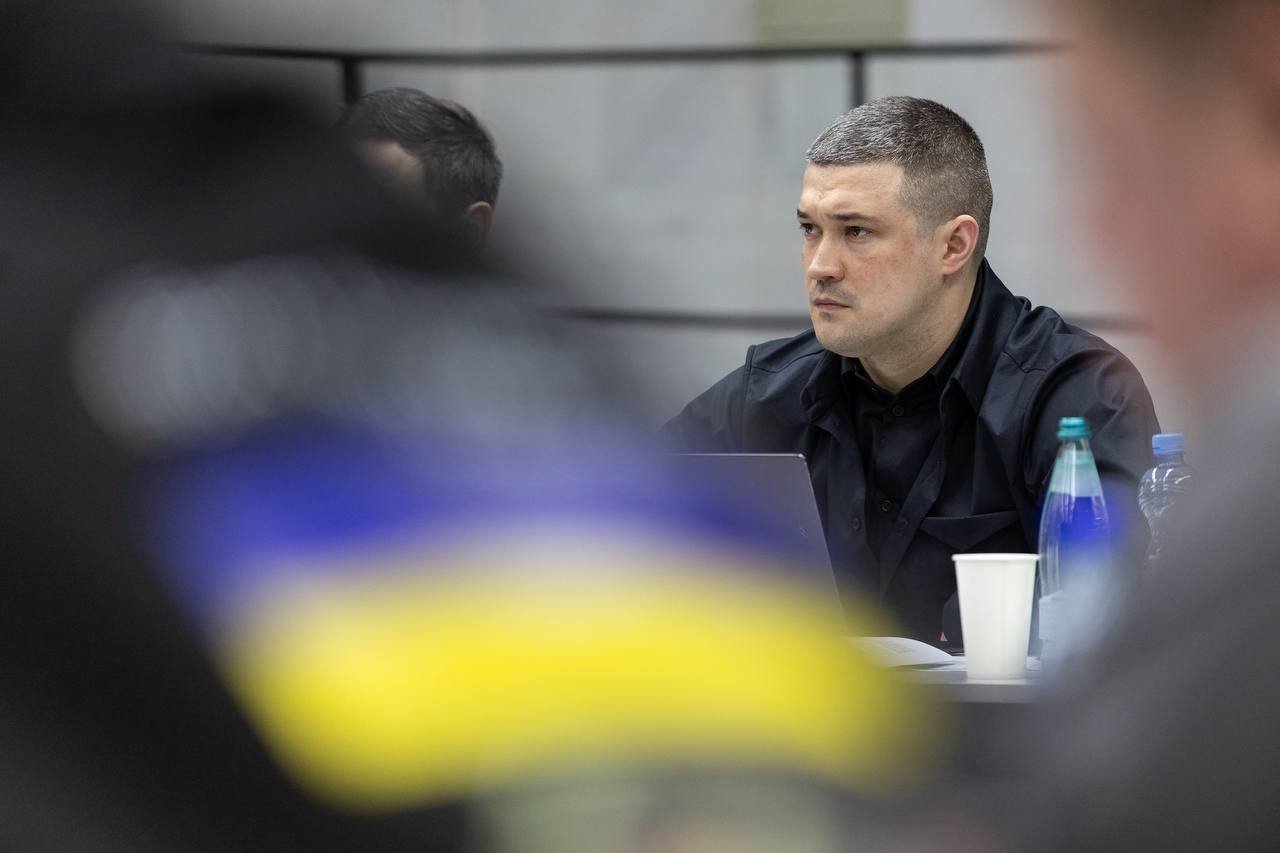
Ukraine’s Minister of Defense, Mykhailo Fedorov, says his first three months in office have been defined by an urgent effort to overhaul a system affected by longstanding systemic inefficiencies and gaps in accountability, while trying to accelerate battlefield results in the middle of an ongoing war, the Minister wrote on April 24.
We bring you stories from the ground. Your support keeps our team in the field.
He framed his mandate from Ukrainian President Volodymyr Zelenskyy as a rapid transformation aimed at accelerating the defeat of Russian forces both in the air and on the ground while also exhausting Russia’s economic capacity to sustain the war.

Air defense and battlefield adaptation
Among the most immediate changes, Fedorov highlighted efforts to strengthen Ukraine’s air defense capabilities.
He said Ukraine had moved to block Russian use of Starlink systems, a step that helped counter drones guided via satellite connectivity and “fundamentally changed the situation on the front line.”
Starlink whitelist is working — authorized terminals operate normally. We continue verification and are working with @SpaceX to ensure rapid terminal registration. This is the first case globally being implemented in real time. Grateful to the SpaceX team for their 24/7…
— Mykhailo Fedorov (@FedorovMykhailo) February 5, 2026
He also pointed to the introduction of after-action review processes to improve responses to large-scale airstrikes, particularly those targeting energy infrastructure. According to Fedorov, these adjustments contributed to a higher interception rate across various types of aerial threats.
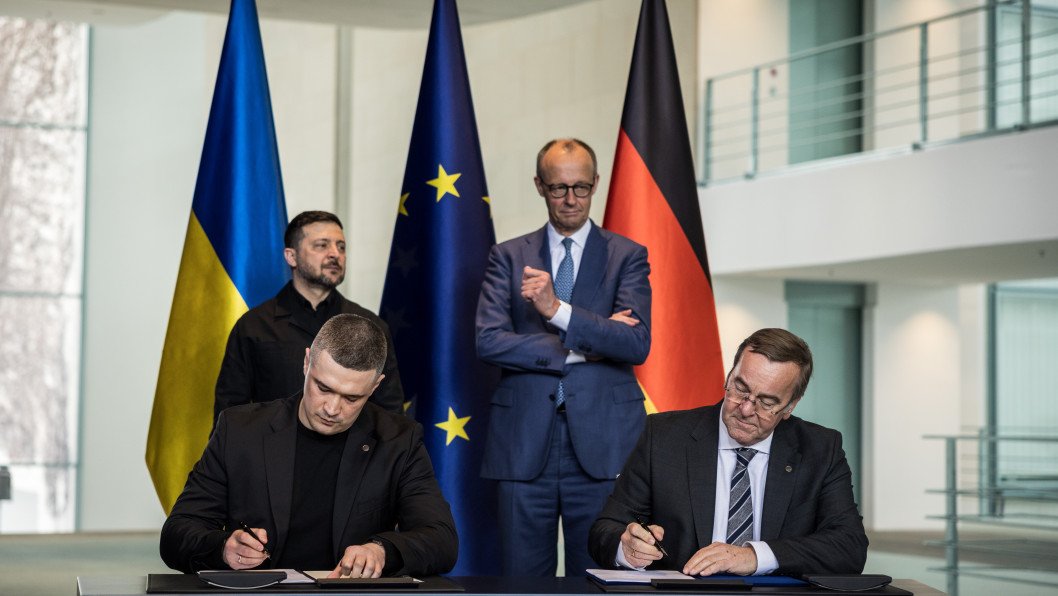
Structural reforms included the creation of a dedicated “small air defense” command and leadership changes within air defense forces. At the same time, Ukraine secured a major agreement for Patriot interceptor missiles, backed by Germany, which is expected to support future deliveries.
Drones, data, and new warfare concepts
Fedorov placed significant emphasis on drones and unmanned systems, describing a shift toward data-driven procurement and operational planning. He said Ukraine has abandoned manual assessments of battlefield needs in favor of analytics-based demand forecasting.
Purchases of drones and robotic platforms in the past quarter exceeded the total for the previous year, he said, while new systems for real-time mission tracking—described as “Mission Control”—now provide visibility into every aerial operation.
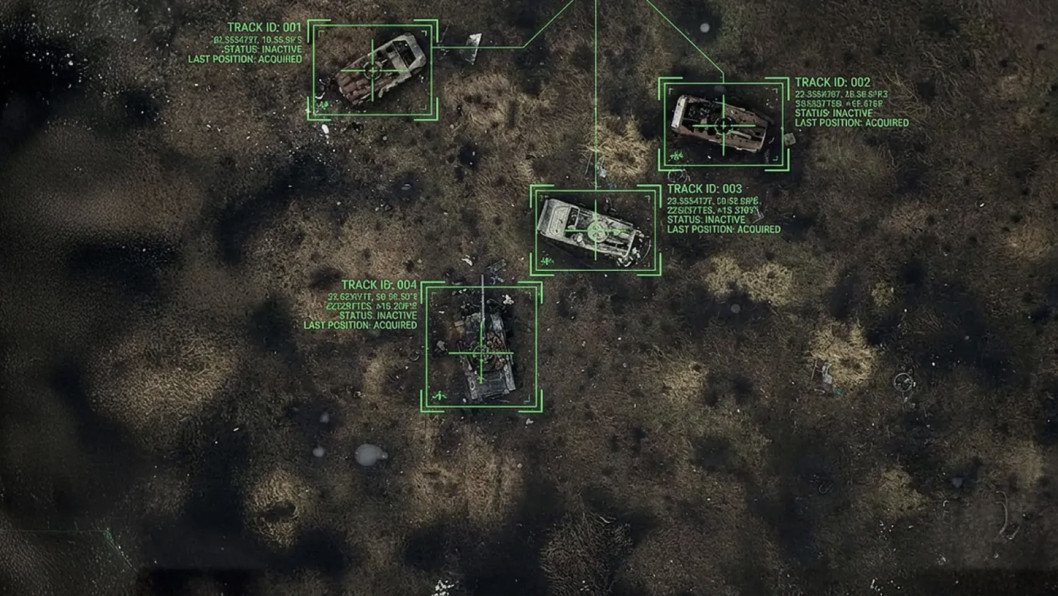
He also noted increased investment in fiber-optic drones, reconnaissance systems, and so-called mid-strike capabilities, which are expected to be deployed at scale in the near future.
According to Fedorov, units involved in Ukraine’s “Drone Line” initiative are already responsible for destroying roughly one in four enemy targets on the battlefield.
In parallel, Ukraine is developing new operational concepts built around the integration of drones and ground forces to systematically degrade enemy positions and slow advances.
Moment of a strike by an unknown Ukrainian guided mid-strike drone with a new interface on a Russian Bastion missile system. Crimea, tonight. https://t.co/c2h0gMEhYB pic.twitter.com/0o3yPZISF5
— Special Kherson Cat 🐈🇺🇦 (@bayraktar_1love) March 24, 2026
Procurement, industry, and anti-corruption measures
The Minister described a broad restructuring of the Ministry of Defense, including leadership changes and the introduction of professional advisory teams. A new organizational structure took effect on April 1, with the stated goal of eliminating corruption and dramatically improving efficiency.
He said Ukraine had also completed the first phase of an audit of its state defense industry, leading to decisions aimed at addressing systemic weaknesses and halting what he described as numerous corrupt schemes.

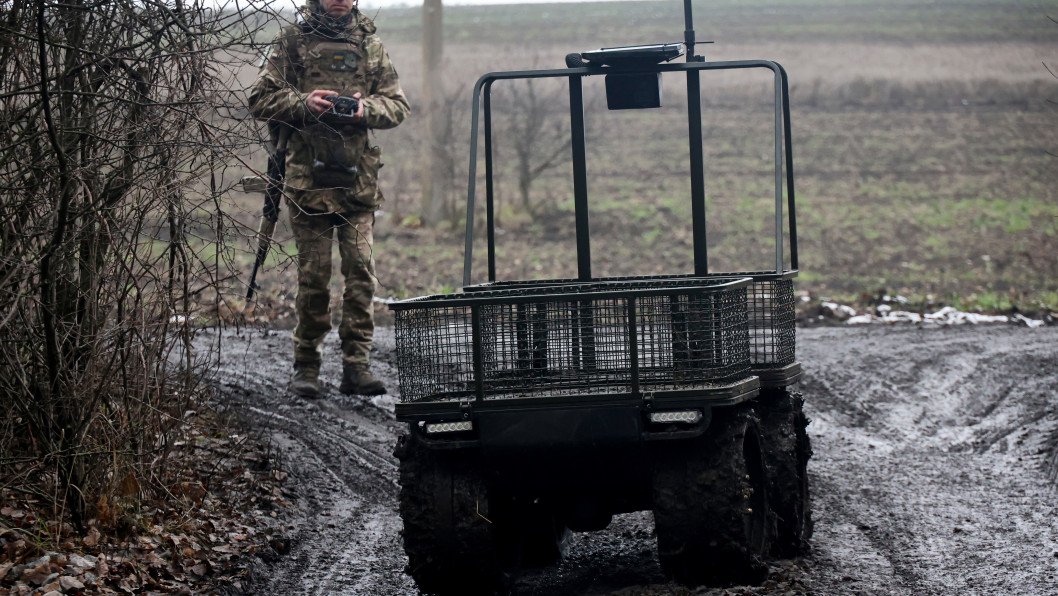
On the procurement side, Fedorov reported record levels of investment, including large-scale purchases of drones, robotic systems, and vehicles for frontline use. For the first time, Ukraine has launched a mass procurement of pickup trucks to support operations.
The government has also approved experimental defense procurement programs worth billions of hryvnias and introduced reforms in weapons certification to reduce the time between development and deployment.
181k+ drones and EW systems delivered via e-Points in 2026. Units procured equipment through @BRAVE1ua Market. A unique system enabling AI model training on verified combat data. A new generation of the mathematics of war. pic.twitter.com/TwnDa4Y7Q9
— Mykhailo Fedorov (@FedorovMykhailo) April 23, 2026
Personnel and systemic reform
Fedorov said Ukraine is building new systems to analyze battlefield effectiveness and track the causes of casualties among service members, with real-time performance monitoring for brigades and corps.
He also outlined plans to reform recruitment and service conditions, with a large-scale transformation program underway. The first phase of reforms is nearing completion, with further details expected later.
In addition, digital transformation remains a priority, with dozens of new projects launched—ranging from personnel management tools to expanded functionality within military systems.
Logistics and infrastructure
Efforts to strengthen logistics have included accelerating the construction of protected supply routes and tunnels near the front line, with funding increased and timelines shortened. Road repairs critical to military logistics have also begun.
Artillery capabilities are being expanded as well, with Ukraine launching its first large-scale procurement of long-range 155mm shells, prioritizing domestic production.

Strategic outlook
Fedorov said the ministry has identified the root causes of many systemic problems, supported by data and internal analysis. Some results, he noted, cannot yet be disclosed publicly.
He also pointed to March as a record month for Russian losses, with approximately 36,000 Russian troops killed, alongside significant equipment losses.
Despite the scale of the challenges, Fedorov expressed confidence that the reforms underway will strengthen Ukraine’s ability to resist aggression and adapt to evolving threats.
“On lies, it is impossible to build an effective system,” he said, emphasizing the need for transparency and accountability.
He concluded by thanking Ukrainian service members for their defense of the country, as well as political leadership and his team, adding: “It is an honor to serve the Ukrainian people.”
Discuss this article:
-9a7b3a98ed5c506e0b77a6663f5727c5.png)