- Category
- Latest news
Investigation Reveals $8M in Finnish Equipment Slipped Into Russia’s Defense Industry Post-2022
 Prefer U24 Media on Google
- Authors


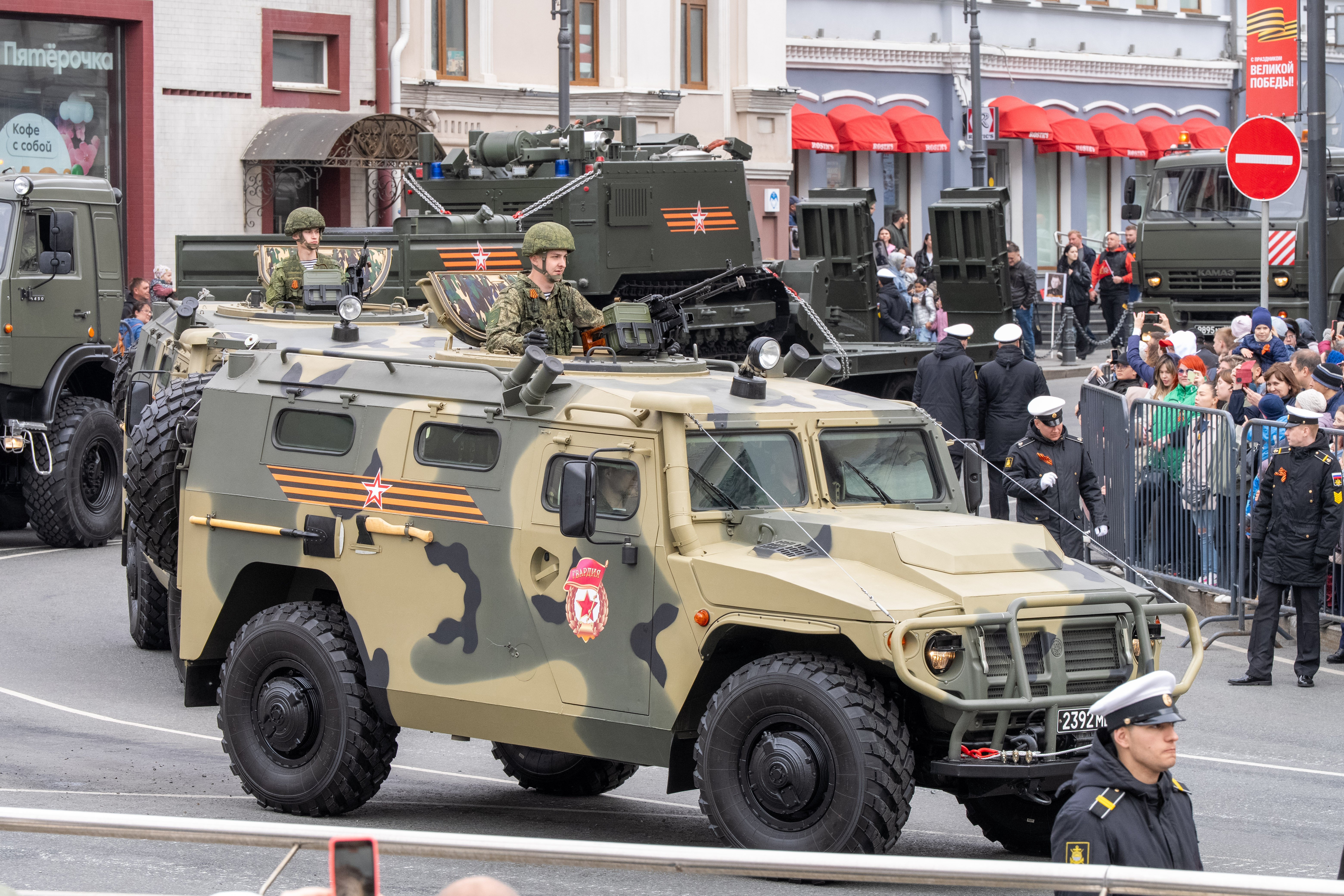
Despite sanctions and corporate withdrawals, Western technologies continue to slip into Russia’s military-industrial complex, fueling weapons production and revealing enforcement gaps.
A new investigation by Trap Aggressor has revealed that Finnish welding equipment manufacturer Kemppi remains linked to Russia’s military supply chain.
Since the start of Russia’s full-scale invasion of Ukraine, nearly $8 million worth of Kemppi products have entered Russia through intermediaries—despite the company’s public announcement in March 2022 that it was leaving the Russian market and its donation of $110,000 in support of Ukraine.
-4c14bcf05599d267050b9396ccd717de.jpg)
The equipment, shipped via Turkey and Serbia under sanctioned HS codes, ultimately reached JSC Asteis, a sanctioned manufacturer of “Patrul” armored vehicles in partnership with KAMAZ and the Russian state defense conglomerate Rostec. At least 13 of these armored cars have been deployed to the battlefield in Ukraine and destroyed in combat.
Documents reveal that a little-known intermediary, TD “SOiR”, with an annual profit of just $3,800, resold Kemppi equipment worth over $430,000 to Asteis between 2022 and 2024. These shipments included goods classified under restricted categories such as integrated circuits, converters, and transistors.
When pressed for comment, Finland’s Customs Board confirmed it was monitoring sanctions evasion but declined to disclose any action regarding Kemppi, citing “commercial secrecy.” Critics say such silence underscores the broader loopholes in EU sanctions enforcement.
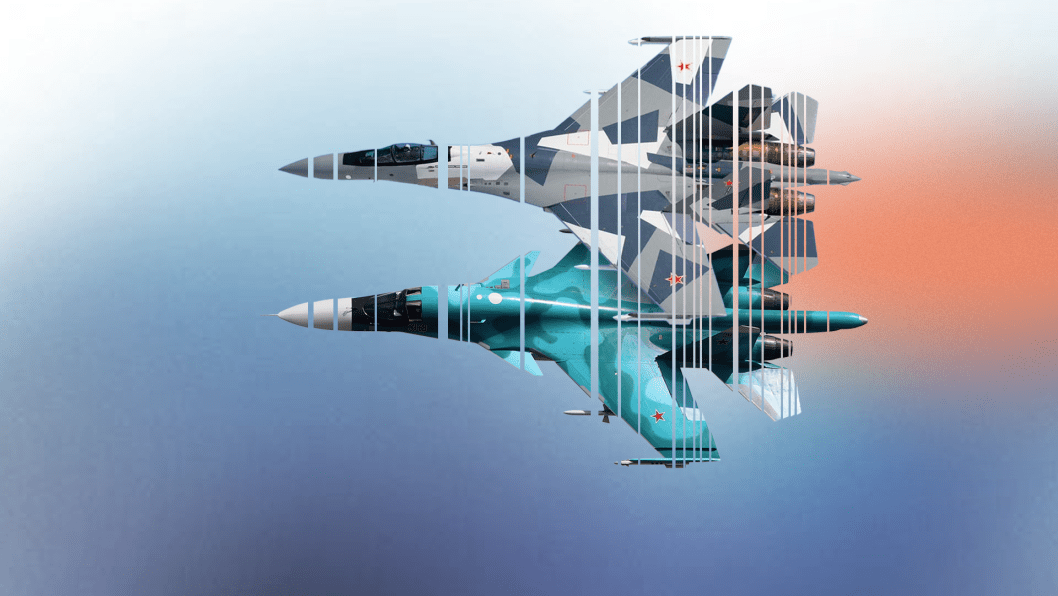
Trap Aggressor also highlight that Russia’s defense sector is under pressure to maintain weapons output. According to Ukraine’s Defence Intelligence (HUR), Russian plants are struggling to manufacture X-59 cruise missiles due to shortages of advanced components—particularly active homing heads.
In some cases, “dummy” parts have been installed just to keep assembly lines moving. Around 40% of companies involved in X-59 production remain unsanctioned.
Meanwhile, Rostec has expanded drone production. The Ural Civil Aviation Plant (UZGA), already behind Forpost-R, Altius, and Korsar UAVs, acquired a new facility in Kazan.
Another Rostec subsidiary, Technodinamika, bought out the bankrupt Simonov Design Bureau—once the base for the Dan’ drone, later converted into the strike UAV Dan’-M, used in attacks on Kyiv and Odesa.
The Kemppi case illustrates how, even amid sanctions, European-made technologies continue to fuel Russia’s military-industrial complex. While Moscow dismantles old engines and munitions to patch production gaps, new supplies still find their way in through weak enforcement and third-country intermediaries.
Previously it was reported that The US Department of State has approved a possible $825 million Foreign Military Sale to Ukraine that includes 3,350 Extended Range Attack Munition missiles.
Discuss this article:


-c439b7bd9030ecf9d5a4287dc361ba31.jpg "Photo of Katherina Popilnichenko")