- Category
- Latest news
Italian Lawmakers Back Fishing Nets Bill to Boost Ukraine’s Roadside Anti-Drone Defense
 Prefer U24 Media on Google
- Authors

-111f0e5095e02c02446ffed57bfb0ab1.jpeg "Photo of Roman Kohanets")
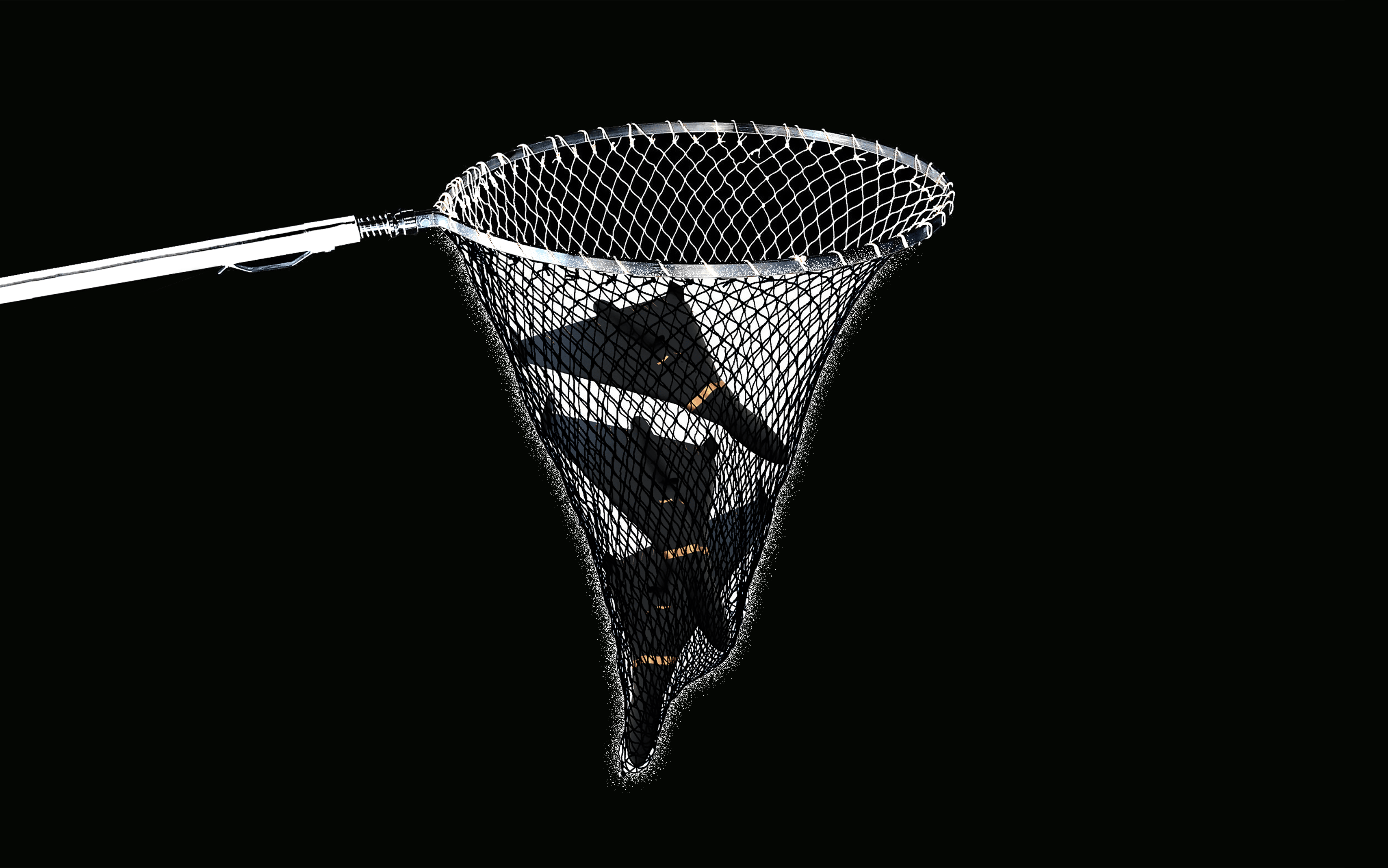
Italian senators have proposed a bill to encourage fishing companies to donate discarded nets for use in Ukraine’s anti-drone defenses, according to Reuters on April 1.
The draft law would exempt Italian fishing companies from disposal costs for nets sent to Ukraine and provide payments based on the weight of the material delivered.
The proposal comes as Ukraine expands the installation of anti-drone nets over roads in frontline areas amid intensified Russian drone attacks on hospitals, infrastructure, and civilian traffic.
We bring you stories from the ground. Your support keeps our team in the field.
“Fishing nets used in the Mediterranean for millennia are an effective countermeasure against a weapon of death,” Senator Ivan Scalfarotto of the centrist Italia Viva party told a news conference.
He added that the material could be paired with more advanced systems, noting that the nets may seem basic but remain effective.
The nets are viewed as a simple but practical defensive tool because they can catch propellers and stop drones before they reach troops, vehicles, or civilians.
🇺🇦👀 It is reported that the 40 km long route from Izyum to Slovyansk has been completely covered with anti-drone nets. pic.twitter.com/bRJgxQAKnI
— MAKS 25 🇺🇦👀 (@Maks_NAFO_FELLA) December 13, 2025
The draft law also notes that charity groups in countries including the Netherlands, Sweden, Denmark, Britain, and France have already sent fishing nets to Ukraine.
Scalfarotto tabled the bill in mid-March and stated he hopes backing from other pro-Ukraine parties will speed its approval.
The bill also feeds into a broader Ukrainian push to make anti-drone netting a standard layer of protection near the front.
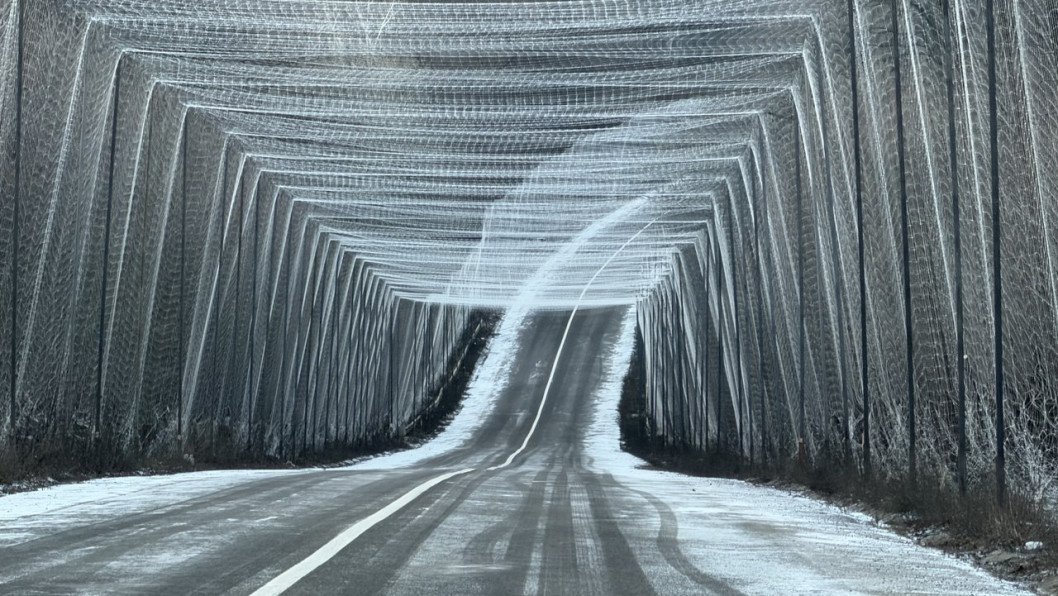
Ukraine’s Defense Ministry reported plans to stretch another 4,000 kilometers of anti-drone netting over roads in frontline and border areas by the end of 2026.
The covered sections are intended to shield military logistics routes as well as everyday traffic in communities near the fighting, where Russian drones increasingly hunt vehicles, medics, and repair crews.
According to the ministry, installation speed rose from roughly five kilometers a day in January to 12 in February, with officials aiming to reach 20 kilometers daily in March.
Kyiv also allocated an additional $37 million for the project while accelerating fortification work in the Kharkiv, Sumy, and Chernihiv regions.
Discuss this article:
-4a56a6b482ec132402c16ef6fcabf9a2.png)





-72b63a4e0c8c475ad81fe3eed3f63729.jpeg "Photo of Cyril Barabaltchouk")