- Category
- Latest news
Last Nuclear Treaty Between the US and Russia Is About to Expire—and the World Is Watching
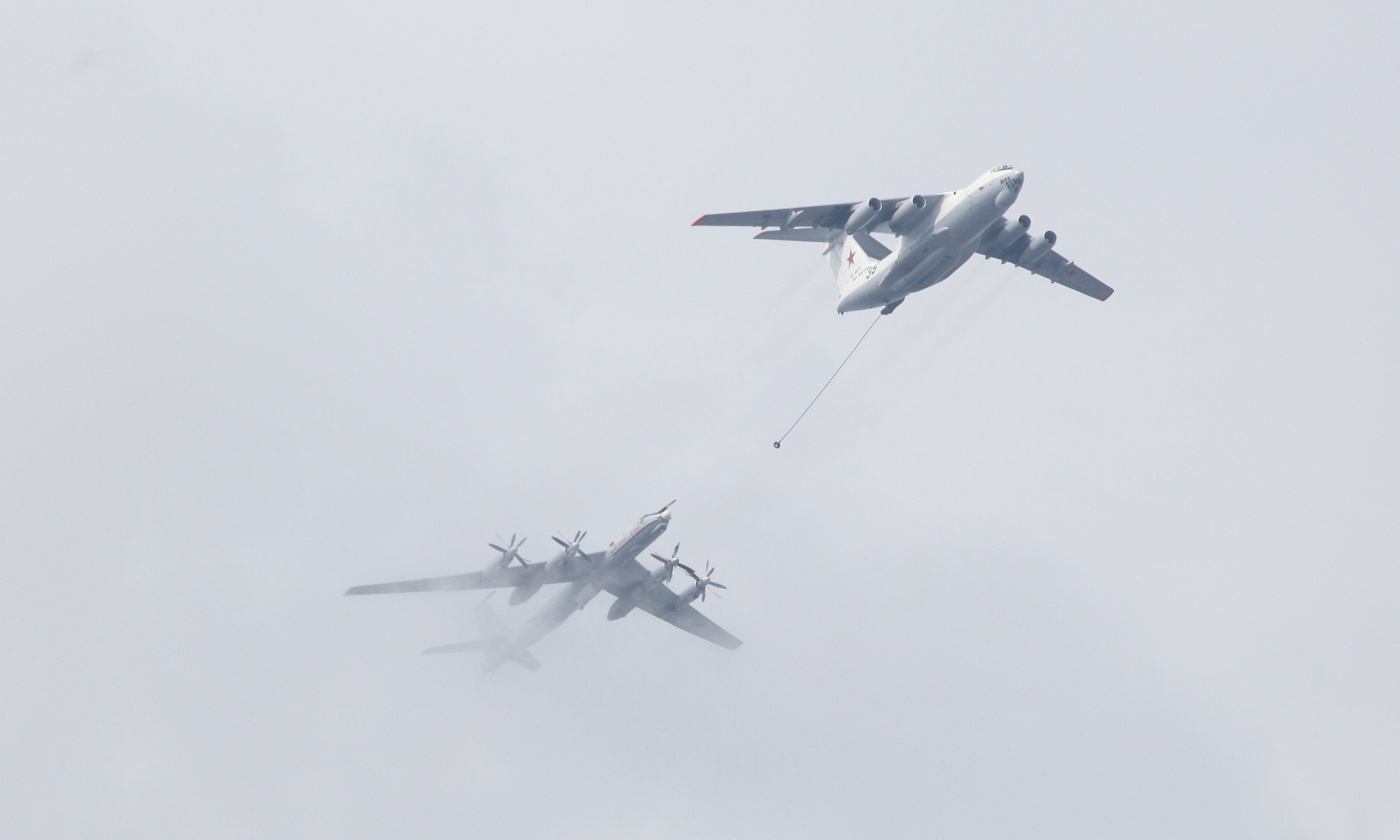
The last remaining nuclear arms control treaty between the United States and Russia is set to expire this week, potentially removing all limits on the world’s two largest nuclear arsenals for the first time since the Cold War.
 Prefer U24 Media on Google
- Authors


The expiration this week of the last remaining nuclear arms control treaty between the United States and Russia could open the door to a global nuclear arms race for the first time since the Cold War, Politico reported on February 3.
We bring you stories from the ground. Your support keeps our team in the field.
The New START treaty, set to expire on Thursday, February 5, was signed in 2010 and capped the number of deployed nuclear warheads, delivery missiles, and strategic bombers that both countries are allowed to maintain.
With no replacement in place, Washington and Moscow would be left without any formal limits on their nuclear arsenals.
Putin is raising the stakes and trying to intimidate the West as much as possible before the US elections and possible negotiations.
— Anton Gerashchenko (@Gerashchenko_en) October 29, 2024
The video shows today's drills of Russia's nuclear forces - the launch of a Yars intercontinental ballistic missile from the Plesetsk Cosmodrome… https://t.co/b9aBCdwyAu pic.twitter.com/UFBNp8BMmn
Why New START is expiring now
Russia floated the idea of extending the agreement as early as September, but the administration of US President Donald Trump never issued an official response, according to two people familiar with the talks, Politico reported.
The treaty’s collapse comes at a moment of heightened global tension. Russia and China are expanding their nuclear forces, and Moscow has repeatedly issued nuclear threats during its war against Ukraine.
According to people briefed on internal discussions, the Pentagon has already held a series of closed-door meetings to prepare for a post–New START environment.
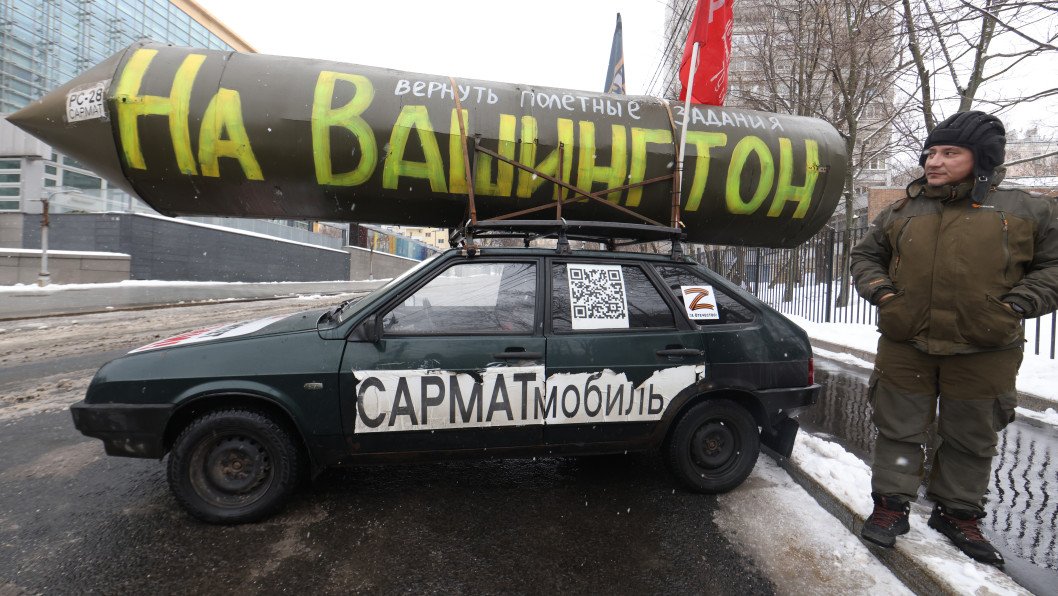
“We’re looking at a very uncertain path ahead,” said Daryl Kimball, executive director of the Arms Control Association. “Unless Trump and Putin reach some sort of understanding soon, it’s not unlikely that Russia and the US will start to upload more warheads on their missiles.”
Over the past decade, Russia has significantly expanded its nuclear-capable forces, including intermediate-range systems such as the Oreshnik ballistic missile, which has already been used in combat against Ukraine.
China, meanwhile, has more than doubled the size of its nuclear arsenal, while the US has scaled back some nuclear platforms.
-fe851b90d8a0ba797c376cd41cd6a9ac.png)
Russia blocks inspections and changes the terms
President Trump has said he would like a new agreement, but only if China is included. Russian leader Vladimir Putin proposed a one-year extension last September, but his offer would have eliminated inspections and verification mechanisms. He also demanded that Britain and France be included in any follow-on treaty—an idea rejected by both countries.
“Now is the time when some form of communication channels and transparency measures would be particularly valuable,” said Heather Williams, director of the Project on Nuclear Issues at the Center for Strategic and International Studies.
“Russia suspended those sorts of activities and China has consistently rejected participation in arms control.”
Trump wants a new deal on new terms
Asked for comment, the Pentagon referred questions to the White House. In a statement, the White House said Trump “will decide the path forward on nuclear arms control, which he will clarify on his own timeline.”
“If we allow New START to lapse without a replacement or an extension, we will be entering a new terrifying world we haven’t seen in decades: a world without limits on the nuclear arsenals of the two largest nuclear powers,” Rep. John Garamendi (D-Calif.) said in a statement.
It turns out that not only putin can scare with a nuclear weapon
— Jürgen Nauditt 🇩🇪🇺🇦 (@jurgen_nauditt) June 5, 2024
The United States has tested the Minuteman III intercontinental ballistic missile, which is capable of reaching any point on the planet in 30 minutes.
American military officials noted that the tests are being… pic.twitter.com/zYfFt899BP
New START’s expiration would mark the first time in nearly 40 years—dating back to the Reagan administration—that the US has no nuclear arms control treaty in force with Russia.
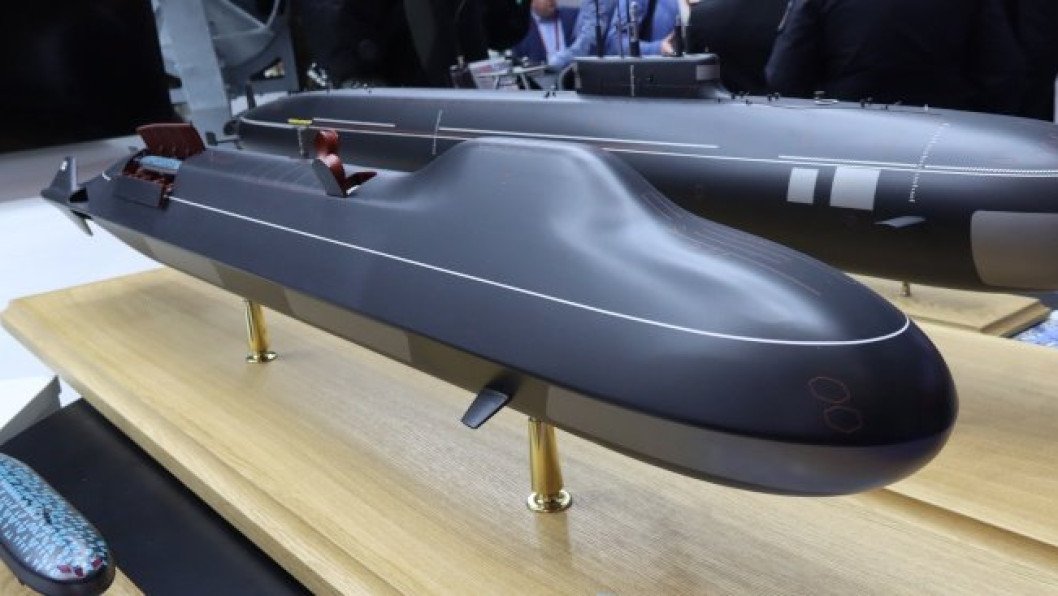
Earlier, reports emerged that Russia was moving closer to sea trials of a submarine built for a single, unprecedented task: deploying the Poseidon nuclear-powered underwater weapon—an autonomous system designed to bypass traditional missile defenses and strike from the depths.
Discuss this article: