- Category
- Latest news
Moscow Moves From DIY to Factory‑Made Drone Bombs, Fueling Long‑Term War Strategy
 Prefer U24 Media on Google
- Authors


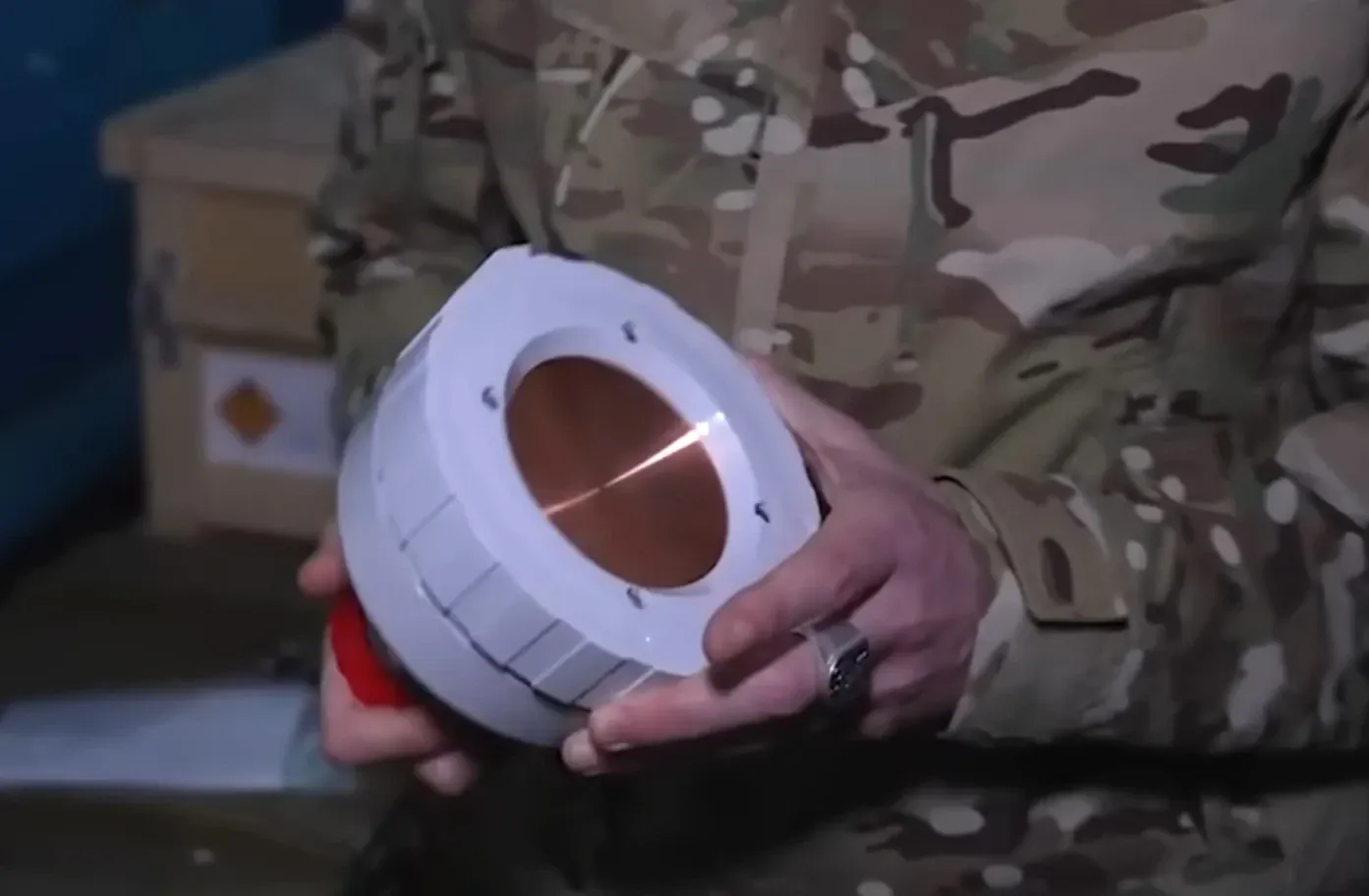
Russia has launched serial production of standardized munitions for FPV drones, marking a shift from improvised explosives to industrial-grade payloads designed for use in large-scale drone warfare.
According to Defence Blog, Russian defense manufacturers have begun producing a new warhead named “Kaplya” (Drop), specifically engineered for FPV drones.
We bring you stories from the ground. Your support keeps our team in the field.
Unlike field-assembled charges, the Kaplya warhead is designed as an Explosively Formed Penetrator (EFP)—a technology that generates a high-speed metal slug capable of piercing armored vehicles from above.
The Kaplya warhead targets the upper hemisphere of armored vehicles, which is typically less protected. The EFP mechanism enables the warhead to penetrate armor without needing direct contact, reducing the effectiveness of counter-drone defenses such as slat armor and mesh screens.
According to Defence Blog, the new munition is not presented as an experimental device but rather as a finished product integrated into Russia’s logistics chain, indicating a deliberate transition from improvised solutions to centrally manufactured drone munitions.
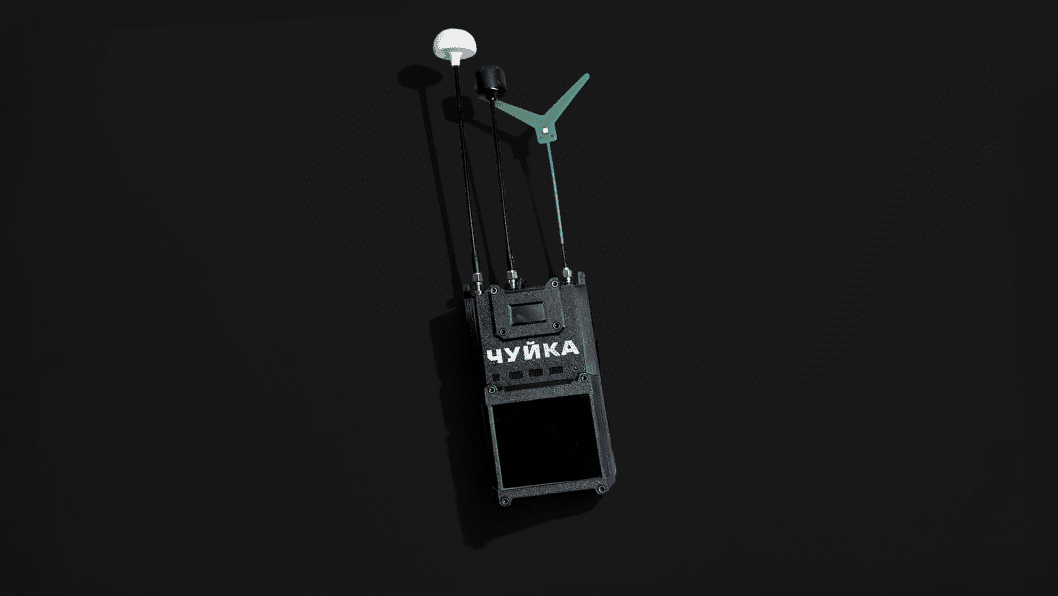
Ukrainian defense analyst Andrii Tarasenko told Defence Blog that a factory-produced EFP warhead with a diameter of approximately 150 mm could penetrate over 100 mm of rolled homogeneous armor, making it capable of disabling most conventional armored vehicles when attacking from above.
In addition to the Kaplya warhead, Russia is also mass-producing other standardized payloads for FPV platforms, including:
fragmentation munitions weighing around 1.7 kilograms;
thermobaric warheads with a reported weight of up to 4 kilograms.
The move toward standardized payloads is expected to simplify operator training, reduce logistical burdens, and streamline repairs and reloading of FPV drones in combat zones.
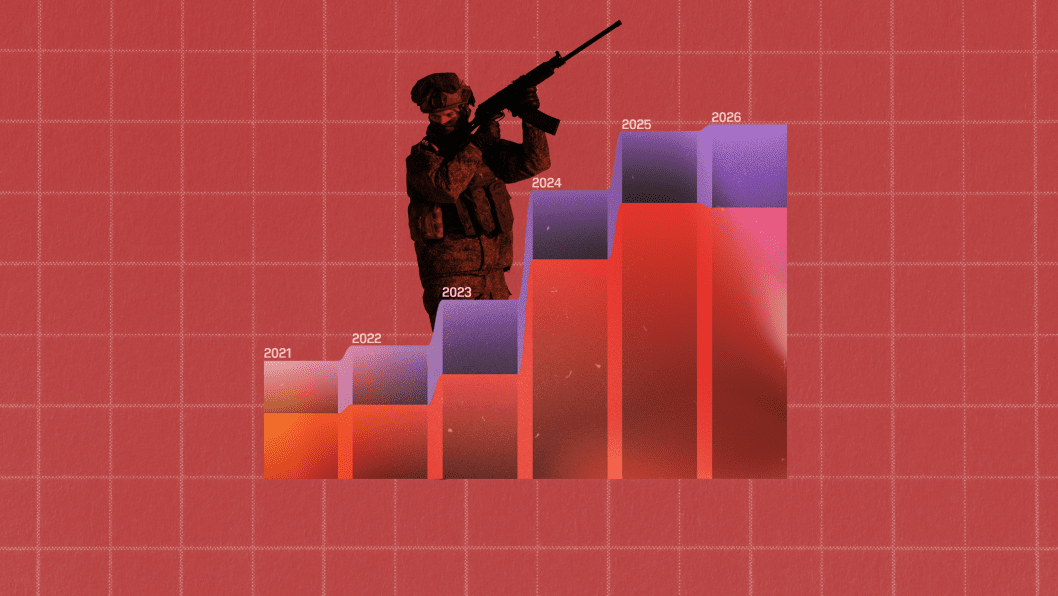
Analysts cited by Defence Blog view this development as a sign that Russia is building a long-term military model centered around large-scale use of unmanned systems. Industrial-scale production could give Russian units more consistent access to pre-assembled, reliable munitions, complicating Ukrainian efforts to counter FPV drone attacks.
Earlier, footage published on February 8 showed a Russian Shahed drone fitted with a backward-mounted R-60 missile, likely aimed at targeting Ukrainian helicopters. According to Ukraine’s Defense Intelligence, the setup includes a Soviet-era launcher, dual cameras, and Russian and Chinese electronics, suggesting an improvised dual-role strike platform.
Discuss this article:
-4a56a6b482ec132402c16ef6fcabf9a2.png)


-c439b7bd9030ecf9d5a4287dc361ba31.jpg "Photo of Katherina Popilnichenko")



-111f0e5095e02c02446ffed57bfb0ab1.jpeg "Photo of Roman Kohanets")