- Category
- Latest news
Poland Launches Military Investigation After Unknown Drone Falls on Army Unit Grounds
 Prefer U24 Media on Google
- Authors


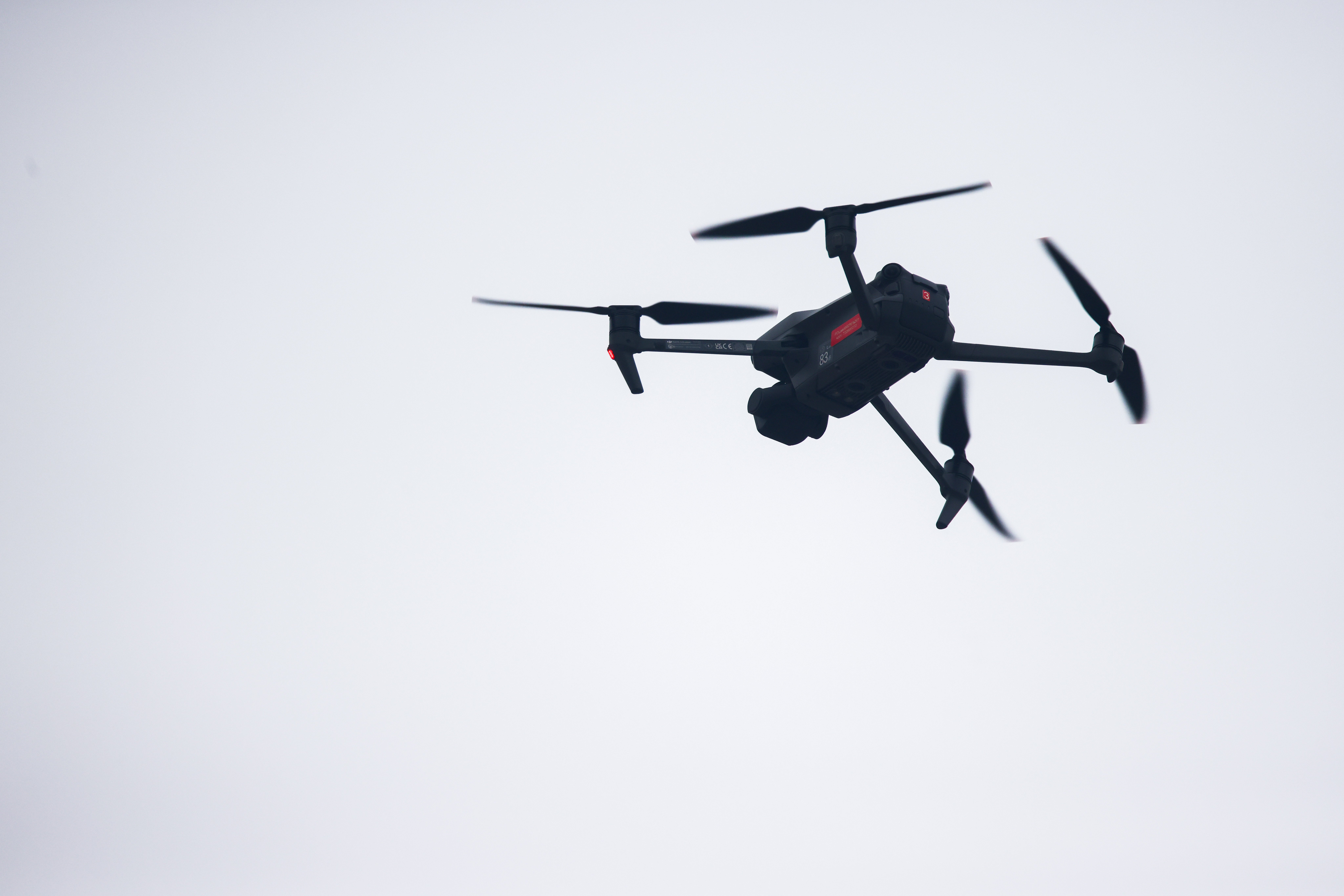
Poland’s Military Gendarmerie has launched an investigation into the fall of an unidentified drone onto the grounds of a Polish military unit in central Poland.
According to a statement published by the Military Gendarmerie on X, the incident occurred on February 6 at the 1st Air Cavalry Battalion in the town of Leźnica Wielka, in the Łódź Voivodeship.
We bring you stories from the ground. Your support keeps our team in the field.
“The Military Gendarmerie Unit in Łódź is conducting an investigation into a small UAV that crashed on February 6 this year onto the grounds of the 1st Air Cavalry Battalion in Leźnica Wielka, without causing any damage. Procedural actions are currently underway at the scene of the incident,” the statement said.
In a separate post, the Military Gendarmerie emphasized that under Poland’s aviation law, flying aircraft over military zones and facilities constitutes a criminal offense and can result in a prison sentence of up to five years.
The incident in Leźnica Wielka was not the only recent drone-related security breach reported in Poland. On January 28, an unmanned aerial vehicle of unknown origin crashed into a military facility in the town of Przasnysz.
The site houses the 2nd Radio-Electronic Center, a specialized intelligence and electronic warfare unit responsible for gathering information and monitoring the radio spectrum in northeastern Poland, including the strategically sensitive Suwałki Gap.
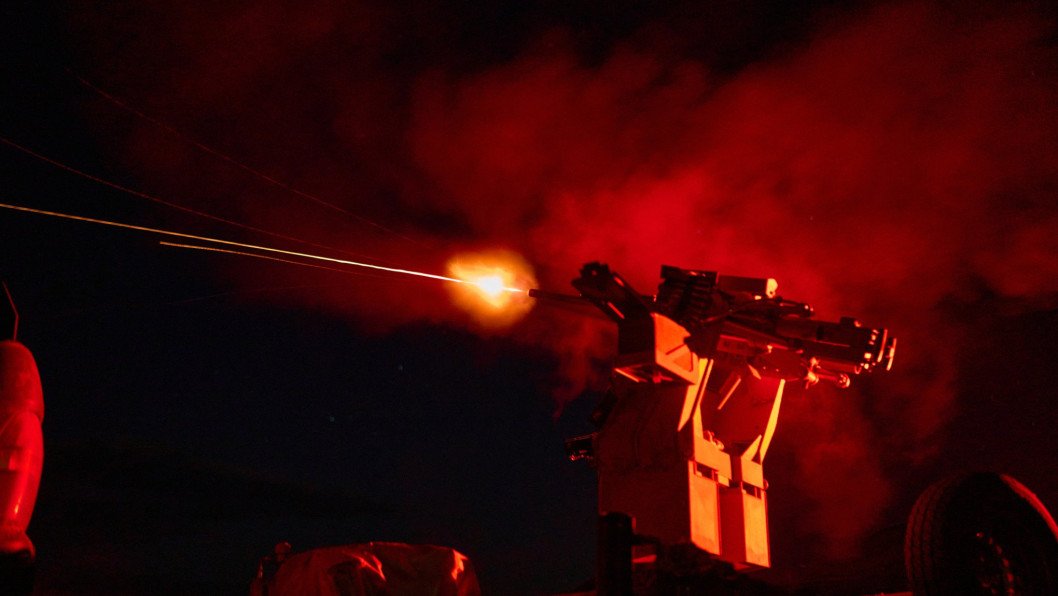
According to Radio ZET, citing its own source, that day the unit’s duty personnel observed a drone flying overhead. The UAV subsequently came down inside the base, landing roughly 70 meters from a weapons storage facility. After an initial inspection, soldiers on duty moved the device into one of the buildings on the base.
“There is a suspicion that it was a reconnaissance drone scanning antenna arrays. The unit’s duty crew was powerless. They observed its flight and could do nothing. Later, after it fell, a mistake was made and it was brought into a building. The drone could still have been operating and collecting data. According to procedure, it should have been covered with a net or tarpaulin and not moved,” a Radio ZET source said.
Earlier, Russia stepped up work to modernize its Shahed drones, relying on clandestine measures that include testing the systems outside its borders and obtaining SIM cards from European mobile providers.
According to leaked documents from the Alabuga Special Economic Zone, Russian developers conducted drone tests in countries including Kazakhstan and Türkiye.
Discuss this article:


-c439b7bd9030ecf9d5a4287dc361ba31.jpg "Photo of Katherina Popilnichenko")