- Category
- Latest news
Pro-Russian Narratives Target Wikipedia, Marking a Dangerous Trend for AI Chatbot Data
 Prefer U24 Media on Google
- Authors


-72b63a4e0c8c475ad81fe3eed3f63729.jpeg "Photo of Cyril Barabaltchouk")

Concerns are rising in Estonia over recent alterations to Wikipedia pages that some believe may be part of a Russian influence operation. The issue has raised concerns about the potential for Wikipedia to be used as a tool in influence campaigns, especially as information from the platform is used to train AI models, including chatbots like ChatGPT, which could inadvertently perpetuate ideological biases, Le Monde reported on January 22.
These changes, particularly to the birthplaces of notable Estonian figures, suggest a push to reframe history by associating Estonia more closely with the Soviet Union.
We bring you stories from the ground. Your support keeps our team in the field.
According to Estonian journalist Ronald Liive, over 600 profiles of figures born between 1940 and 1991, including Prime Minister Kaja Kallas, have been edited on the English Wikipedia. These individuals, previously listed as being born in Estonia, were instead listed as being born in the “Estonian Soviet Socialist Republic.”
The edits, which started with Kallas’s profile, were made by a user operating under the pseudonym “Gigman,” who spent long hours in December 2025 altering these biographies, Le Monde wrote.
Historian Robert Treufeldt explained that while some may be influenced by Soviet-era propaganda, others are actively working to rewrite Estonia’s history.
“This is an attempt to rewrite our history and culture,” Liive said, accusing the user of attempting to remove context about Russia’s actions in the Chechen wars and the invasion of Ukraine.
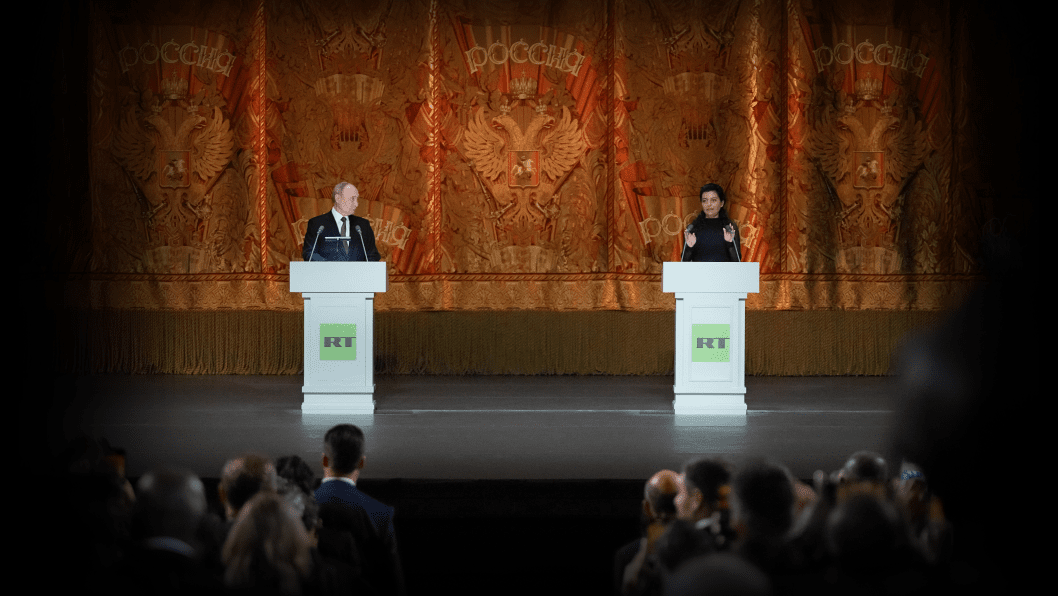
Despite these accusations, the Wikimedia Foundation defended the changes, claiming they were the result of a consensus reached by volunteers over six weeks.
However, the Foundation has been criticized for its inability to effectively monitor or intervene in such alterations, leaving Estonia’s history vulnerable to distortion, according to Le Monde.
Russia itself was previously preparing a new university-level economics textbook that will draw on Soviet leader Joseph Stalin’s writings and challenge what its editor calls “myths” about democracy and protectionism.
Earlier, Estonia’s Internal Security Service (Kapo) has detained blogger Oleg Besedin on suspicion of engaging in activities against Estonia and violating international sanctions.
According to investigators, since at least 2022, Besedin has been cooperating with individuals linked to Russian intelligence services and participating in Russia’s information influence operations.
Discuss this article:

-111f0e5095e02c02446ffed57bfb0ab1.jpeg "Photo of Roman Kohanets")

-7647a088f8ed2b81f52ab779f3a93cd0.png "Equipment and personal gear belonging to Ukrainian troops from the 425th Separate Assault Regiment “Skelya” are transported on a small wagon through an underground gas pipeline near Kupiansk. (Source: 425th Separate Assault Regiment “Skelya”)")