- Category
- Latest news
Russia Harvests TOS-1 Thermobaric Explosives From Missiles to Fuel Drone Attacks
 Prefer U24 Media on Google
- Authors


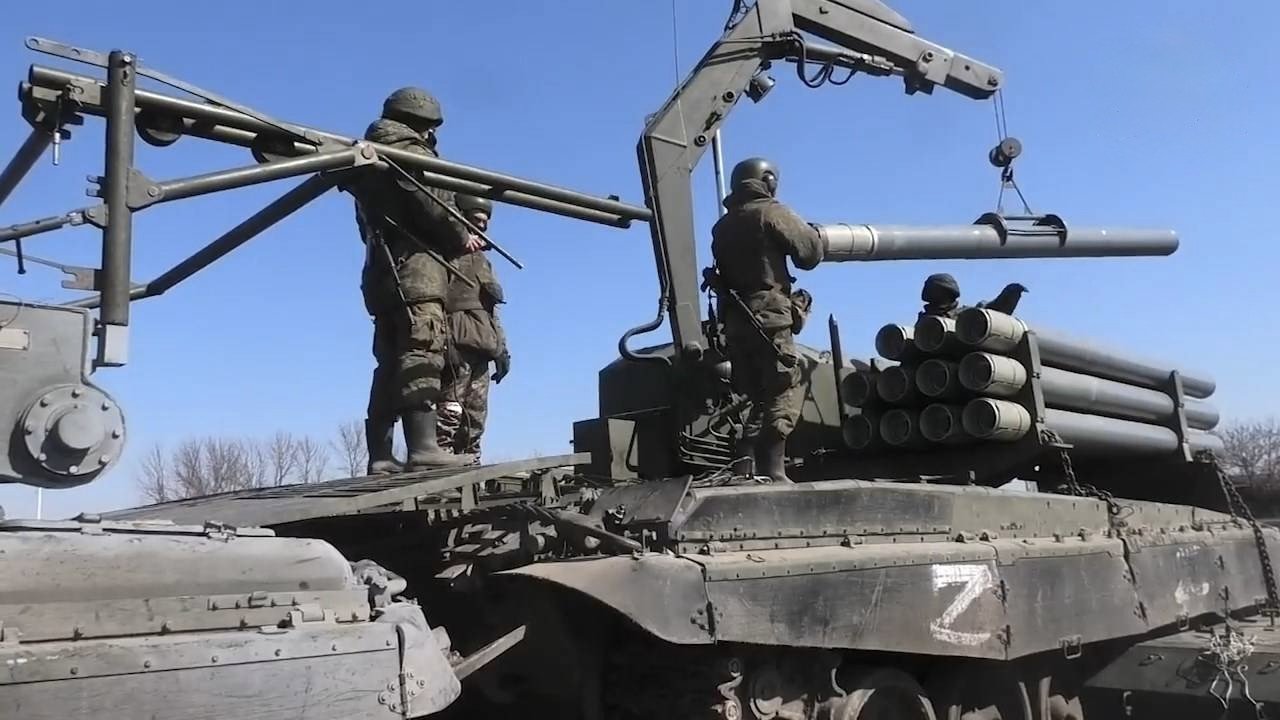
Russian forces have reportedly begun dismantling thermobaric rockets originally designed for the TOS-1 heavy flamethrower system to extract explosive material for use in attack drones, according to open-source intelligence analyst Roy.
The missiles, which contain 220-millimeter thermobaric warheads, are being taken apart to harvest their explosive compound—a mixture that produces extreme heat and overpressure upon detonation.
The Russians disassemble a 220 mm TOS-1 rocket to retrieve its thermobaric compound for use in drone bombs.
— Roy🇨🇦 (@GrandpaRoy2) November 7, 2025
The horrible material oozes out of the rocket as if entering our world from Hell.
1/ https://t.co/UcsqMGkjtw pic.twitter.com/kVn5hUO3iK
Video footage published by the analyst appears to show the liquid explosive mixture leaking from a disassembled rocket casing.
According to Roy, Russian troops also remove the detonating charge from the rocket’s front section and repurpose it for improvised aerial munitions.
The TOS-1 system itself has seen limited use on the front lines due to its short effective range of about ten kilometers, making its launchers vulnerable to Ukrainian FPV drones.
Thermobaric munitions are typically employed to destroy fortified positions and personnel within a wide radius. However, their short range and exposure to Ukrainian countermeasures have reportedly prompted Russian forces to adapt the weapons for drone-based delivery.
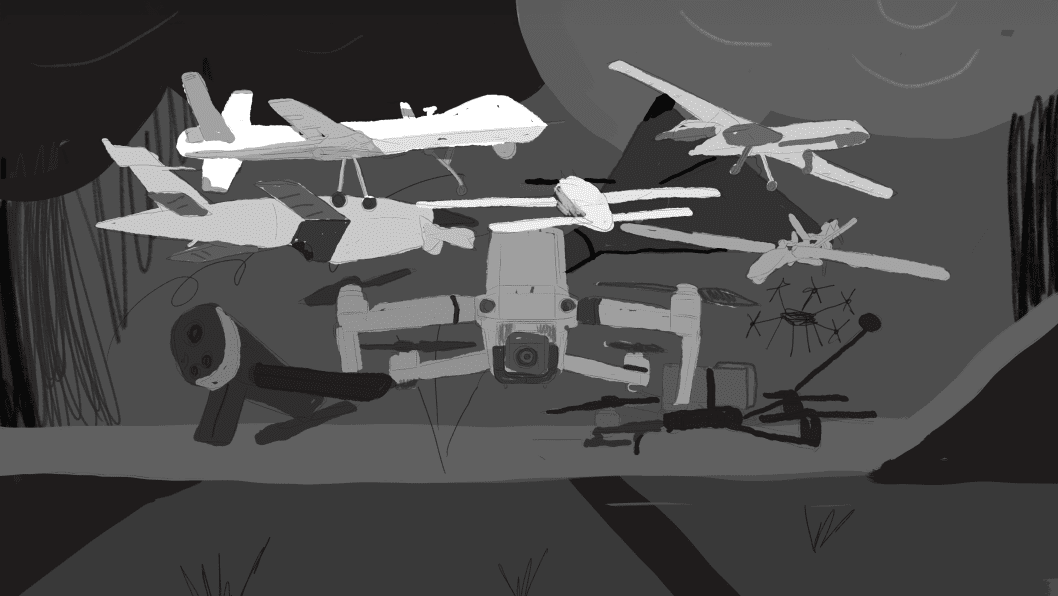
The TOS-1 “Buratino” and its modernized variant “Solntsepyok” are among Russia’s most destructive battlefield systems. Each launch vehicle carries multiple rockets filled with a fuel–air mixture capable of generating high-temperature blasts. Repurposing these rockets for drone warfare could indicate an effort by Russia to offset shortages of conventional precision-guided weapons.
While the use of repurposed thermobaric materials in drones has not been independently verified, open-source analysts note that similar modifications have appeared across multiple Russian units since mid-2024.
Earlier, The Wall Street Journal reported that China had become the main external supplier of drone components for Russia’s war in Ukraine, including millions of motors, navigation systems, and batteries used in FPV and Shahed-type drones.
Discuss this article: