- Category
- Latest news
Russia Now Controls FPV Drones via 4G to Evade Ukraine’s Jamming Systems
 Prefer U24 Media on Google
- Authors


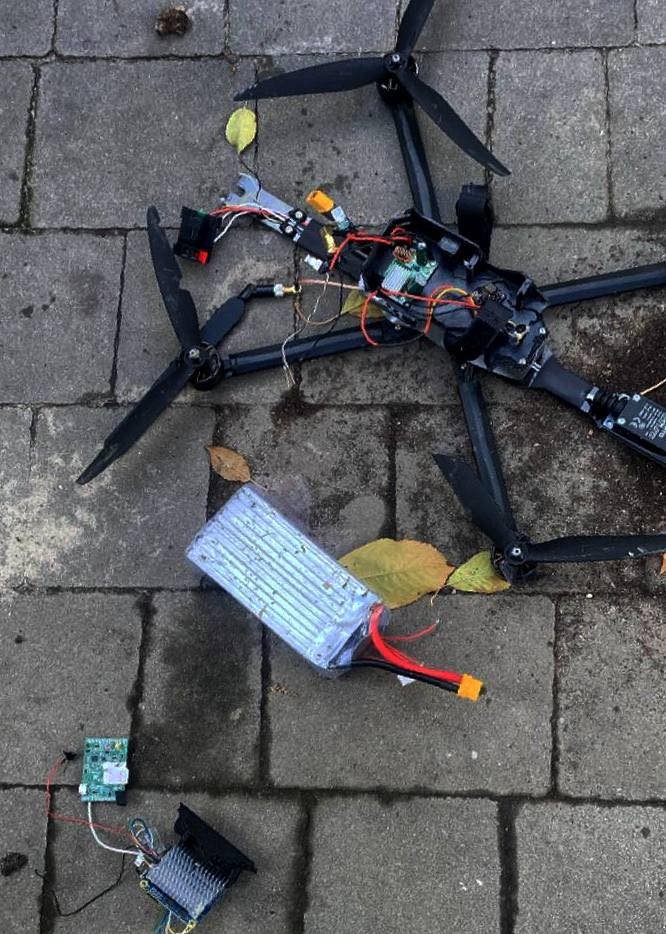
Russian forces have begun deploying FPV drones controlled through mobile LTE networks, marking a shift in their tactics against Ukrainian defense positions.
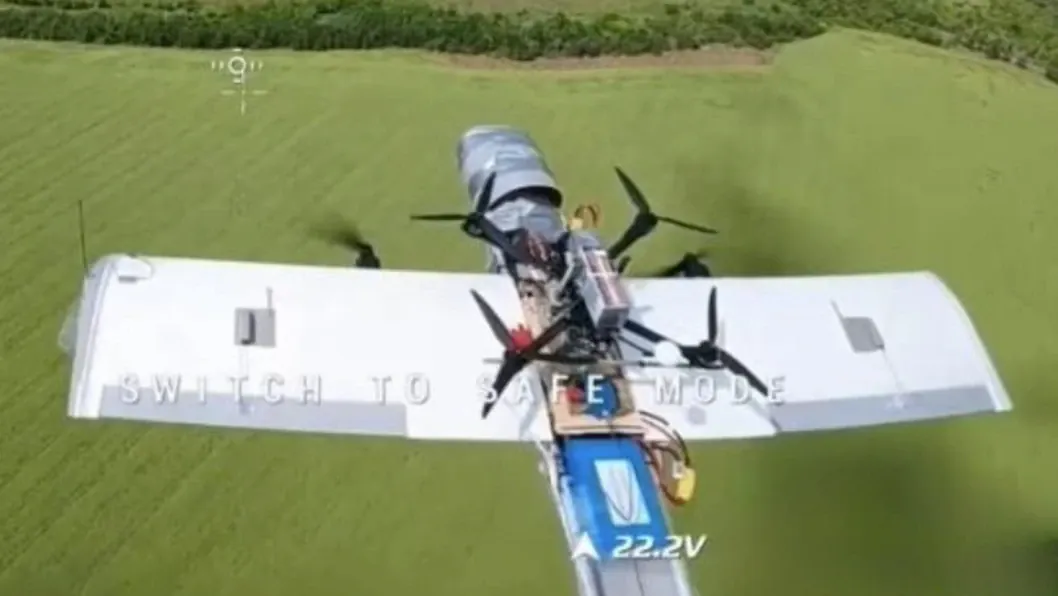
According to Ukrainian electronic warfare specialist Serhii Beskrestnov, also known as “Flash,” Russia is using a modified version of the Molniya unmanned aerial vehicle (UAV) to transport FPV drones into operational zones with stable 4G coverage.
Once the carrier reaches a suitable area, it releases the drones approximately 5–10 kilometers from their targets, where operators assume control via mobile networks.
“We are recording a new tactic,” Beskrestnov said on Telegram. “The Molniya UAV carries two FPV drones—not ordinary ones, but with control through mobile networks. It delivers them to areas with stable LTE coverage and drops them 5–10 kilometers before the target.”
The shift to LTE-based control allows the drones to avoid traditional radio-jamming systems that typically disrupt standard control frequencies. By using civilian mobile infrastructure, Russian operators can maintain contact with their drones even beyond the range of conventional FPV systems.
Beskrestnov noted that the Molniya platform itself is not equipped with a signal relay. Instead, it serves purely as a delivery system, transporting FPV units close enough to zones where Ukrainian mobile networks remain functional.
Unlike radio-controlled FPV drones, LTE-based drones rely on encrypted, high-bandwidth data connections that are more difficult to intercept or jam.
The Molniya UAV, developed by Russia’s ZALA Aero group under Kalashnikov Concern, has been previously used to carry loitering munitions and reconnaissance payloads. Its recent adaptation to deploy FPV drones underscores a growing Russian emphasis on modular, network-integrated unmanned systems.
Earlier, Defense Express reported that Russia is adding machine‑vision to Molniya drones, allowing them to strike targets even without radio contact.
Discuss this article:


-c439b7bd9030ecf9d5a4287dc361ba31.jpg "Photo of Katherina Popilnichenko")