- Category
- Latest news
Russia Quietly Rolls Out Upgraded Vikhr-1 Missiles to Keep Ka-52 Helicopters Relevant
 Prefer U24 Media on Google
- Authors


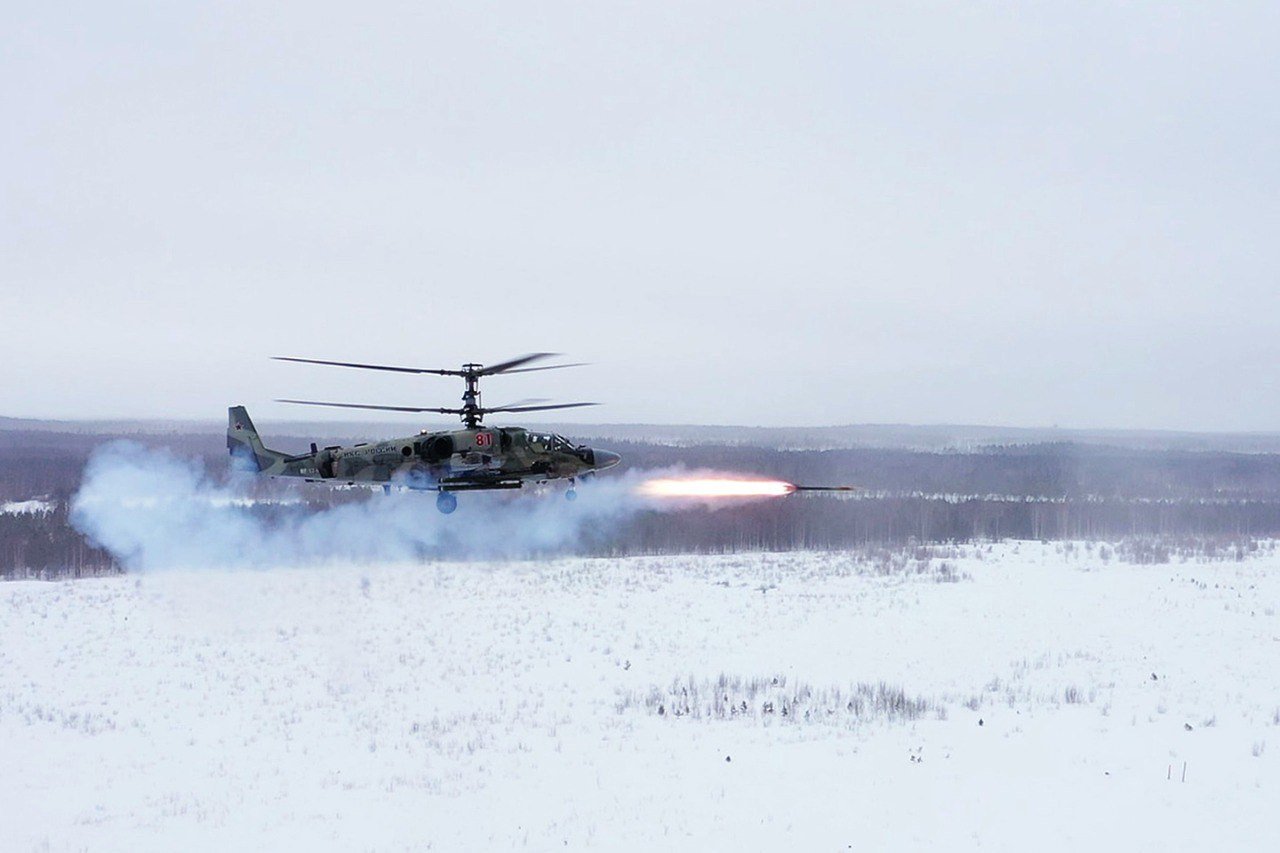
Russia has completed deliveries of upgraded Vikhr-1 guided missiles for its Ka-52 attack helicopters as part of a 2025 state contract, Kalashnikov Concern announced on November 14.
The missiles, originally developed in the Soviet era, have undergone a new modernization phase based on battlefield experience from the war in Ukraine.
According to the official Telegram channel of Kalashnikov Concern, the company has finalized its obligations under the 2025 state order for high-precision Vikhr-1 missiles.
Though no specifics were disclosed, the company noted that the upgrades were informed by feedback from frontline helicopter crews and operational data from Ukraine.
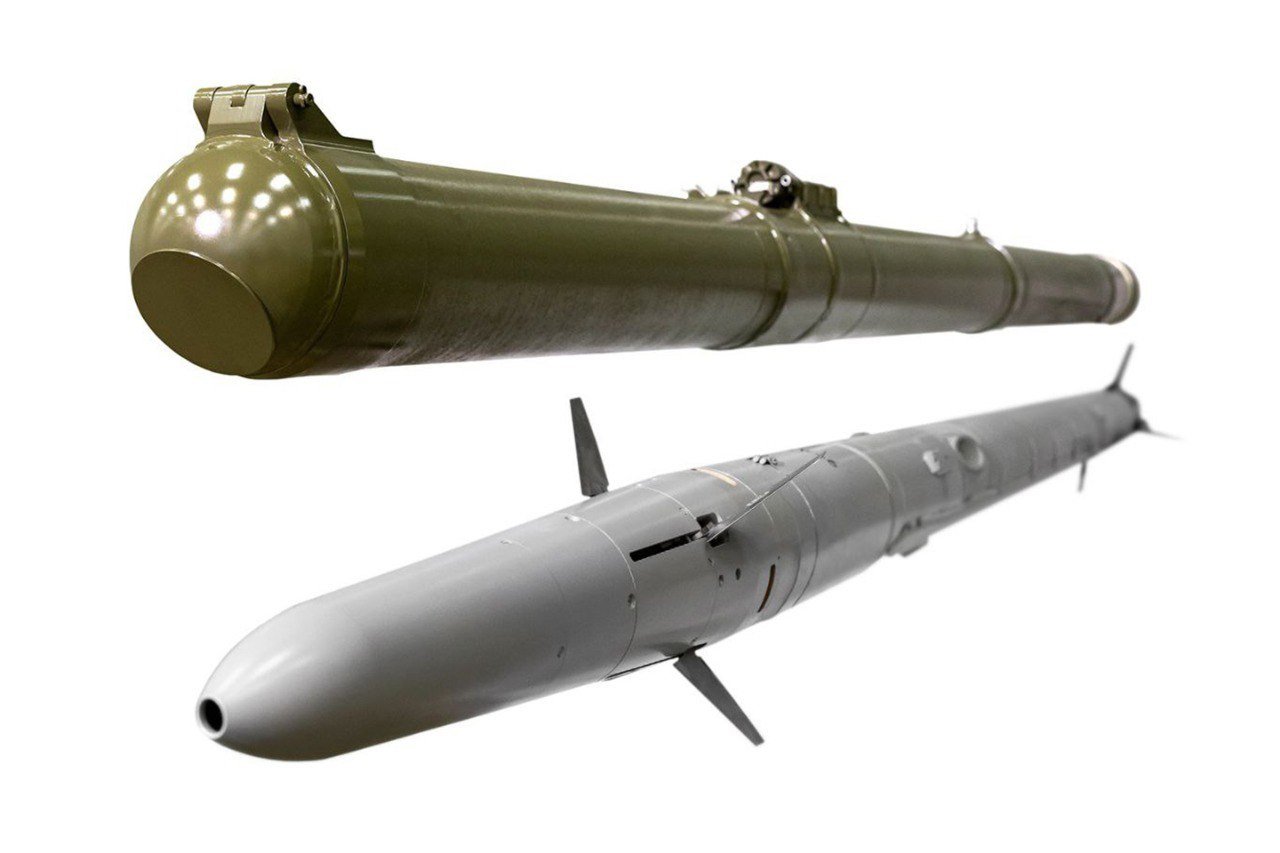
The missiles retain their laser beam-riding guidance, supersonic speed, and ability to operate under moderate weather conditions. With a range of up to 10 kilometers and penetration capacity of up to 800 mm behind explosive reactive armor (ERA), the Vikhr-1 remains one of the primary air-to-ground precision munitions used by Russia’s Ka-52 helicopters.
In addition to domestic use, Kalashnikov Concern confirmed the signing of a new large-scale export contract for Vikhr-1 missiles, scheduled for execution in 2026. Details of the agreement were not made public, but it marks a continued effort by Russia to promote its arms exports despite ongoing international sanctions.
Originally developed as the 9K121 Vikhr system and adopted in the 1990s, the Vikhr-1 was designed to give helicopters longer-range engagement capability than earlier radio-command missiles. Today, it is deployed mainly on Ka-52 Alligator helicopters, with limited integration into Su-25T aircraft.
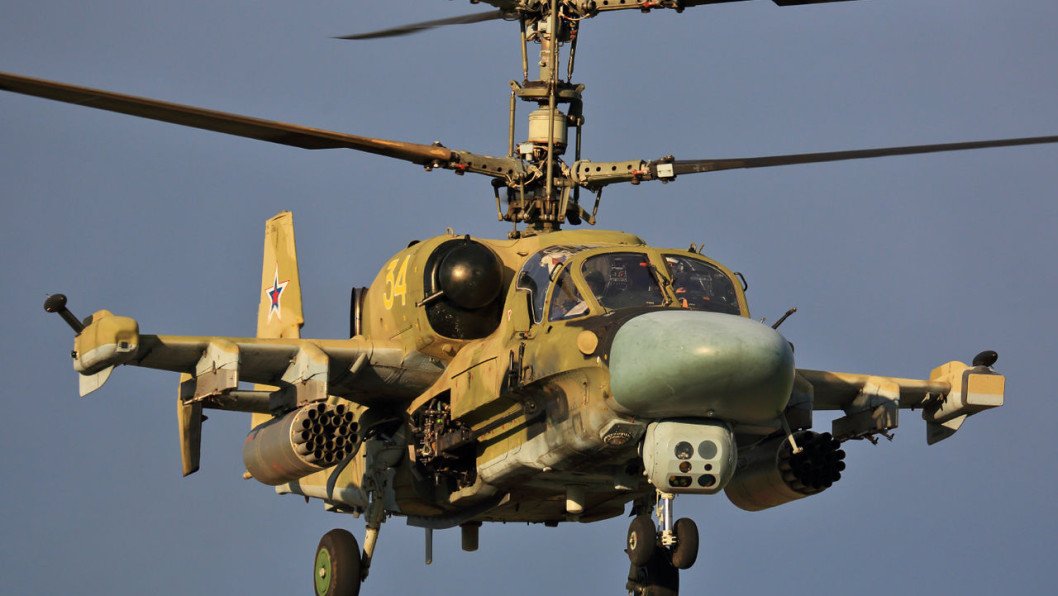
Each Ka-52 can typically carry up to 12 Vikhr missiles, enabling it to deliver rapid salvo fire from stand-off range using its onboard Shkval-type electro-optical sight and laser designator.
Unlike the 9M120 Ataka, which has a shorter range and is more vulnerable to jamming, or the newer LMUR (Izdeliye 305), which is heavier and suited for high-value targets, Vikhr-1 fills the role of a workhorse anti-armor missile system.
Compared to the 9M123 Khrizantema—Russia’s heavier ground-based missile with reported penetration exceeding 1,000 mm—the Vikhr-1 balances lethality with operational flexibility, especially in helicopter deployments. However, its reliance on line-of-sight laser guidance exposes it to countermeasures from modern air defense systems.
Earlier, on October 17, Russia introduced a new electronic warfare system called “Multik,” designed to shield helicopters from Ukrainian FPV drones. Developed by the Gradient Research Institute, it jams drone video signals within 500 meters and provides 360-degree coverage. Images suggest it has been tested on Mi-8 helicopters.
Discuss this article:



-c439b7bd9030ecf9d5a4287dc361ba31.jpg "Photo of Katherina Popilnichenko")