- Category
- Latest news
Russia Talked Apocalypse—Trump Surfaced Subs—Kremlin Hit Reverse
 Prefer U24 Media on Google
- Authors


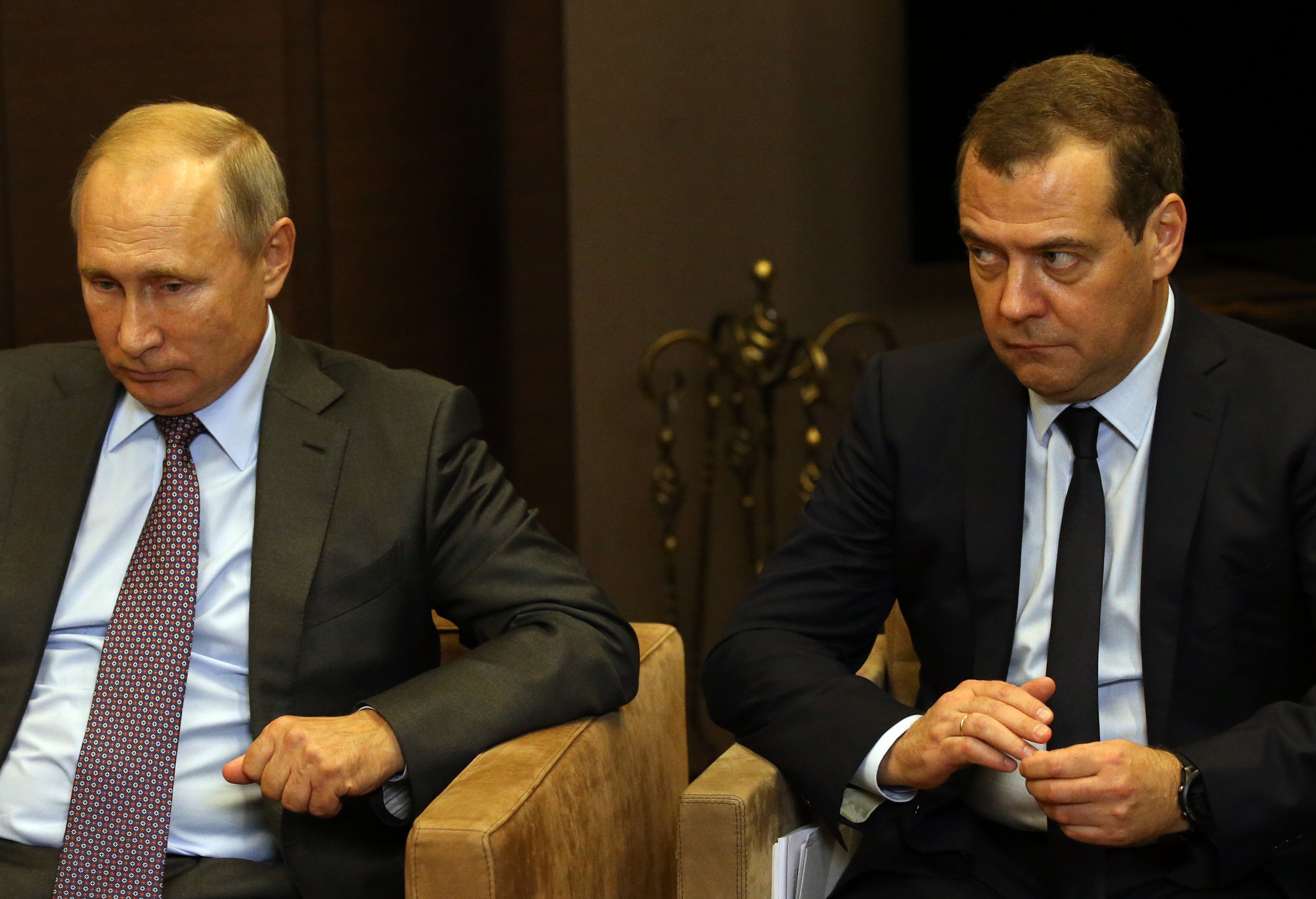
The Kremlin has backed away from public nuclear threats following a social media clash between Russian officials and US President Donald Trump—culminating in the deployment of American nuclear submarines near Russian waters.
Earlier this month, former Russian President Dmitry Medvedev posted a series of provocative statements online, including a reference to Russia’s so-called “Dead Hand” nuclear retaliation system. His threats were accompanied by graphic language about the potential annihilation of the United States.
In response, President Trump ordered two nuclear-powered submarines to move closer to Russia. When pressed by journalists on August 3 about the status of the deployment, Trump replied: “The submarines are already where they’re supposed to be.”
Faced with this escalation, the Kremlin abruptly changed its tone. Spokesperson Dmitry Peskov declined to directly address Trump’s remarks, stating that the presence of US submarines on patrol is “a permanent process” and not something Russia wishes to comment on.
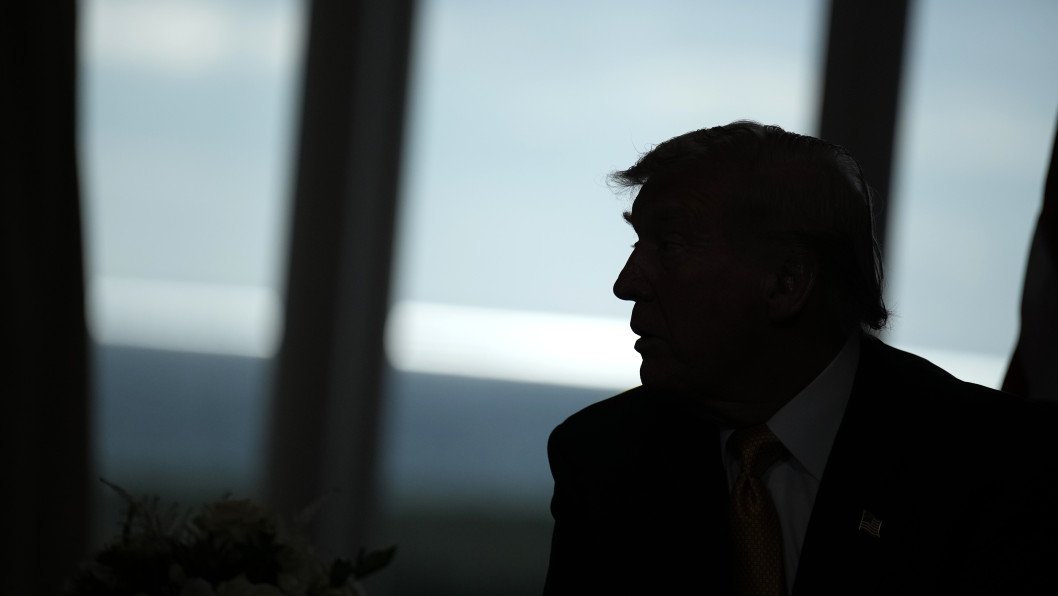
“We don’t want to participate in rhetorical battles like this,” Peskov said during an August 4 briefing. “We approach all statements related to nuclear matters with great caution.”
Peskov also claimed that Russia holds a “responsible position” on nuclear weapons and non-proliferation. He reiterated that Putin’s stance on nuclear issues is “well known” and urged all parties to exercise restraint in nuclear rhetoric.
Despite Medvedev’s earlier statements, the Kremlin now appears unwilling to engage further, offering no rebuttal to the American show of force. The dramatic shift from threats of apocalypse to calls for calm underscores the disparity between online bravado and real-world consequences.
Trump’s submarine deployment—intended as a direct response to nuclear saber-rattling—has left Moscow walking back its own words, replacing Medvedev’s fiery threats with strategic silence.
Discuss this article:

-c439b7bd9030ecf9d5a4287dc361ba31.jpg "Photo of Katherina Popilnichenko")