- Category
- Latest news
Russian Forces Rely on “Meat Assaults” to Hide Battlefield Problems, Ukrainian Officer Says
 Prefer U24 Media on Google
- Authors



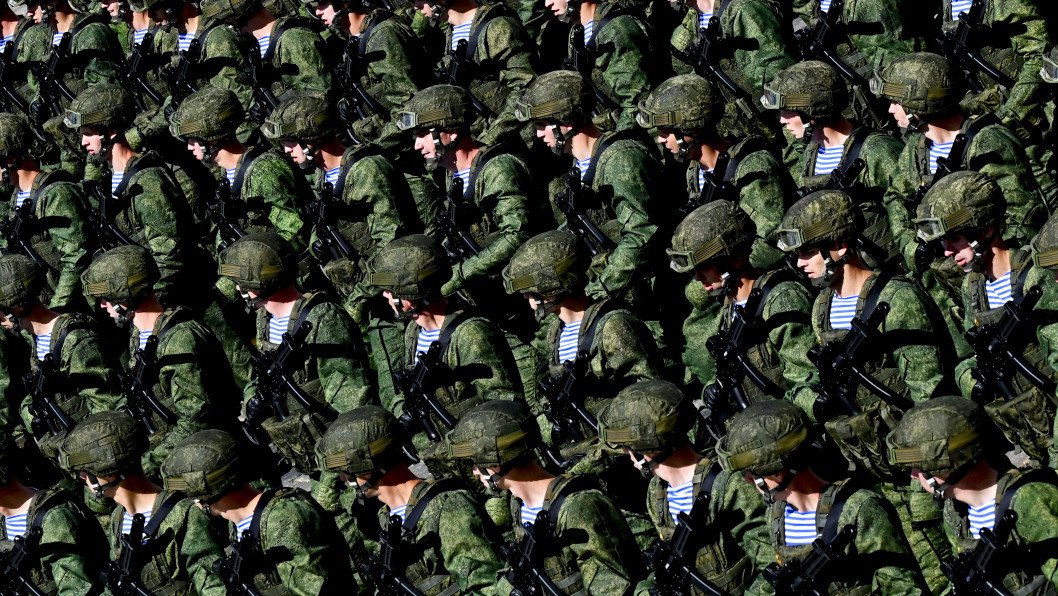
Russian forces are increasingly relying on so-called “meat assaults” in an attempt to conceal battlefield problems from higher command and resolve them at lower levels, a Ukrainian military officer said.
In an interview with Ukrinform on April 6, Lieutenant Colonel Kostiantyn Revutskyi, deputy commander of Ukraine’s 95th Separate Air Assault Polissia Brigade, said such tactics reflect deeper structural issues within Russian units.
We bring you stories from the ground. Your support keeps our team in the field.
“The enemy should not be underestimated. It is also strong and continues to evolve,” Revutskyi said. “When they launch these ‘meat assaults,’ it is often because a lower-level commander does not report that he has a problem and tries to resolve it on his own. When nothing works and everyone is killed, only then do they report to higher command—but by then it is too late. We simply need to unite as much as possible to destroy the enemy more effectively.”
Revutskyi contrasted this with the capabilities of Ukrainian airborne forces, describing them as highly resilient and effective in carrying out combat missions.
According to him, Ukrainian paratroopers are “strong and courageous men with steel character and iron strength,” who successfully complete their tasks and inflict losses on Russian forces.
Addressing broader questions about the duration of the war, Revutskyi emphasized the need for collective involvement.
“When I am asked when the war will end, I usually say: when everyone—including those who ask—joins the Armed Forces of Ukraine,” he said. “When we destroy the enemy as much as possible, then perhaps something will end. But if we simply sit and ask about it, nothing will change.”
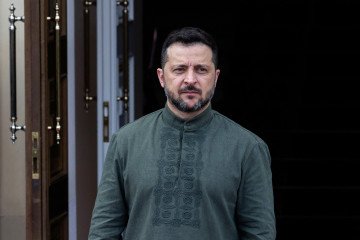
The scale of Russian losses appears to reflect the cost of such tactics. According to Ukrainian President Volodymyr Zelenskyy, Russian forces suffered more than 35,000 casualties in March alone—the highest monthly figure since the start of the full-scale invasion.
Nearly 34,000 of those losses were attributed to Ukrainian drone operations, with an additional 1,300 caused by artillery and other strikes.
-31f13a4e82bbd1b37b5c7162ea78d895.jpg)
Zelenskyy credited several Ukrainian units for their effectiveness, including special operations forces, drone units, and airborne brigades, noting their precision in targeting Russian positions.
Ukrainian officials also reported the destruction of 274 Russian air defense systems during the same period, alongside continued efforts to disrupt supply lines and military logistics.
British Defense Secretary John Healey also noted that Russia is increasingly relying on foreign fighters to sustain its war effort in Ukraine, as battlefield losses continue to outpace its ability to replenish personnel.
Healey added that thousands of individuals from countries including India, Pakistan, Nepal, Cuba, Nigeria, and Senegal have been drawn into the war, often through deceptive recruitment practices.
Discuss this article:
-9a7b3a98ed5c506e0b77a6663f5727c5.png)

-80134f2dc17b4a887d01513a1c7bc929.png "Illustration of Russian military infrastructure targeted by Ukrainian strikes in temporarily occupied eastern Ukraine. (Source: General Staff of the Armed Forces of Ukraine)")