- Category
- Latest news
Russian Intelligence Plotted Fake Attack on Orbán to Sway Election Campaign
 Prefer U24 Media on Google
- Authors

-111f0e5095e02c02446ffed57bfb0ab1.jpeg "Photo of Roman Kohanets")
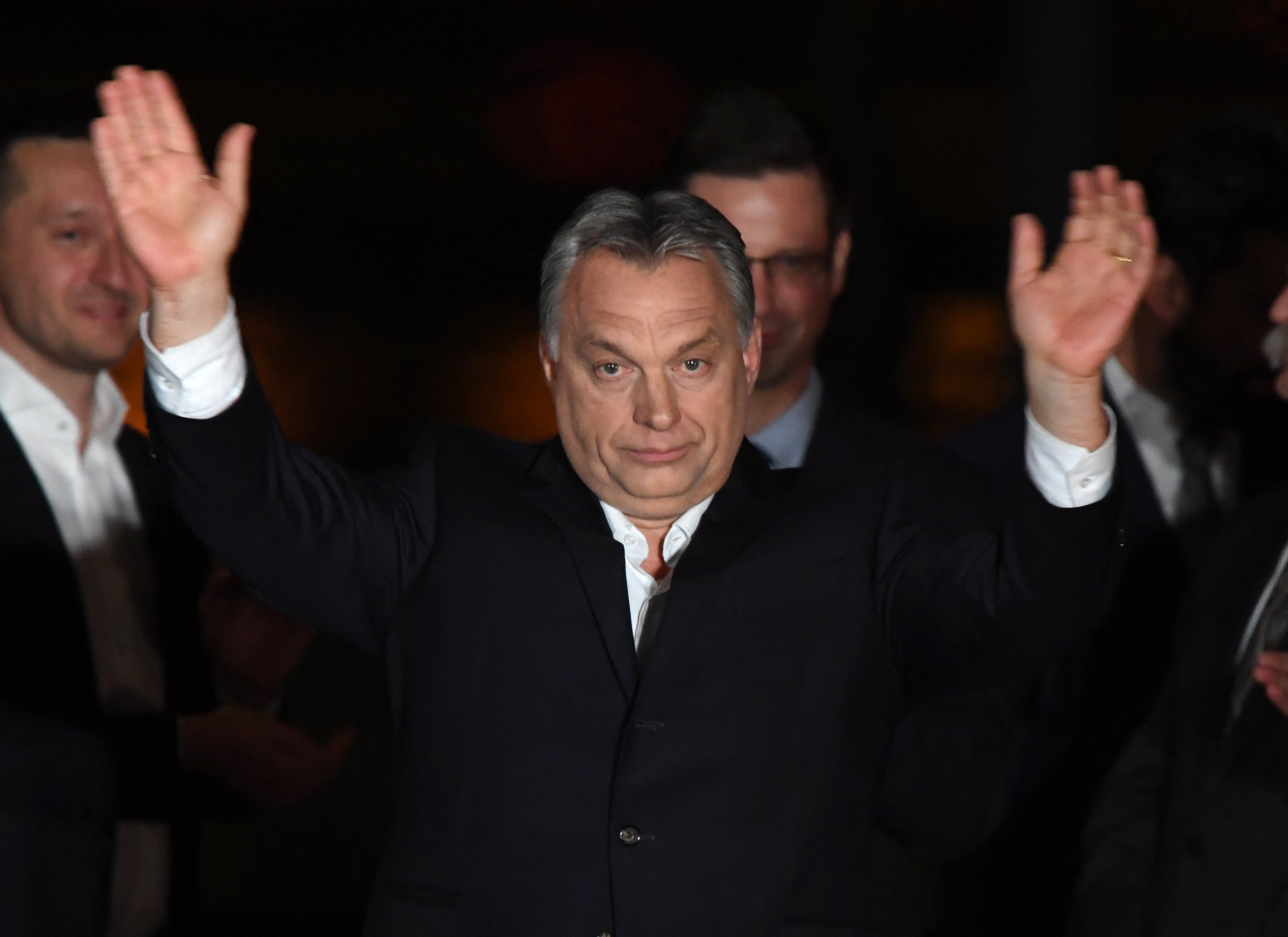
Russian intelligence operatives proposed staging an assassination attempt on Hungarian Prime Minister Viktor Orbán to reshape the country’s election campaign, according to The Washington Post on March 21.
The newspaper reported that the proposal appeared in an internal document from Russia’s foreign intelligence service, the SVR, which was obtained and authenticated by a European intelligence service.
We bring you stories from the ground. Your support keeps our team in the field.
The plan, described as “the Gamechanger,” was aimed at lifting Orbán as he enters the final stretch before Hungary’s April 12 parliamentary election under pressure from a weak economy and slipping public support.
The document reportedly argued that a staged attack could “fundamentally alter the entire paradigm of the election campaign” by shifting attention away from voter frustration and toward security fears.
The report noted that Orbán is trailing challenger Péter Magyar, a former Fidesz insider now running as a conservative anti-corruption reformer, and that Russian officials viewed the race as a high-stakes contest for Moscow’s influence inside both NATO and the European Union.
-278ccb44f31eada82b3fb30301b152e6.jpg)
The Washington Post quoted the Russian officers as writing that “the majority (52.3%) are dissatisfied with the state of affairs in the country,” adding that discontent had spread even into rural areas where Orbán’s Fidesz party has traditionally been strongest.
The Kremlin dismissed questions about the document, with spokesman Dmitry Peskov calling it “another example of disinformation,” while Orbán’s office did not respond to the newspaper’s request for comment.
The reported assassination scenario also appeared alongside broader Kremlin efforts to bolster Orbán’s reelection prospects.
-66a2900a622e096cca7808c9e73e093f.jpg)
That follows an operation centered on a Kremlin-backed plan to reinforce Viktor Orbán’s reelection bid before Hungary’s April 12 vote, according to the Financial Times.
The proposal, linked to the sanctioned Social Design Agency, framed the Hungarian prime minister as a sovereign leader capable of dealing with world powers on equal terms.
It also cast Orbán’s challenger, Péter Magyar, as a “Brussels puppet” and called for information attacks targeting Magyar and his Tisza Party, which the report noted is leading in opinion polls.
Russian-designed memes, videos, infographics, and other content were reportedly tailored for Hungarian audiences and spread through local influencers.
Budapest rejected the allegation as a left-wing fabrication, while Kremlin spokesman Dmitry Peskov dismissed the conclusions as fake.
Discuss this article:
-4a56a6b482ec132402c16ef6fcabf9a2.png)


-c439b7bd9030ecf9d5a4287dc361ba31.jpg "Photo of Katherina Popilnichenko")