- Category
- Latest news
Russia’s War Economy Falters as Civilian Industries Slide Into Deep Decline
 Prefer U24 Media on Google
- Authors

-72b63a4e0c8c475ad81fe3eed3f63729.jpeg "Photo of Cyril Barabaltchouk")
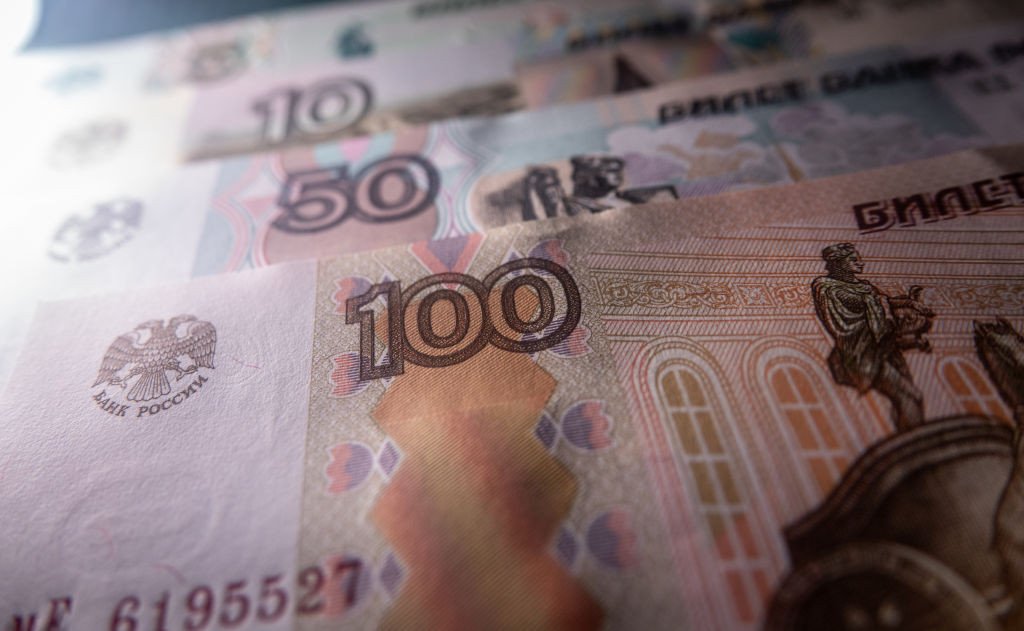
Russia’s industrial output slipped into decline in November, marking a general slowdown in Russian economy and a deepening downturn in civilian manufacturing, according to official data cited by The Moscow Times on December 25.
Rosstat (Federal State Statistics Service of Russia) reported that overall industrial production fell 0.7% year-on-year, while manufacturing output dropped 1%, the first contraction in the sector since February 2023.
We bring you stories from the ground. Your support keeps our team in the field.
The decline was driven largely by non-resource industries, even as mining rose 0.7%, underscoring a widening gap between the raw materials sector and the rest of the economy.
Several civilian industries posted sharp losses. Food production fell 0.8%, the first annual decline in 15 years, while output of wood products dropped 9.1% and chemicals fell 1.7%.
Production of clothing declined 2.4% over the first 11 months of the year, furniture fell 7.5%, and automotive manufacturing slid 34.1%, returning to lows last seen in 2022, Rosstat data showed, according to The Moscow Times.
Some segments experienced what analysts described as a collapse. Tractor production plunged 61.6%, bulldozers fell 53.7%, elevators dropped 37.2%, and passenger railcar output was cut in half.
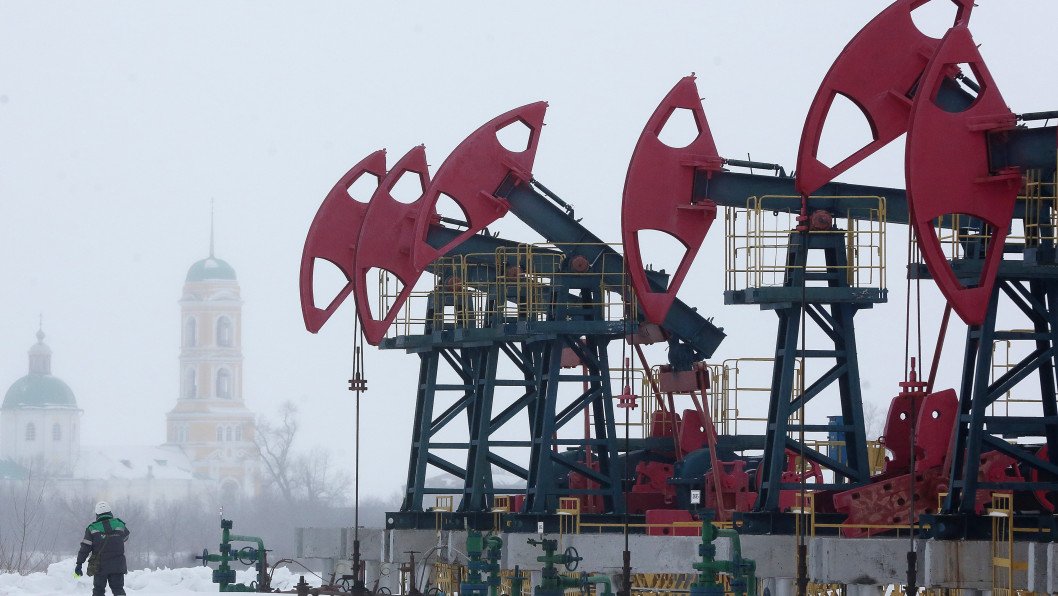
Even defense-related manufacturing showed signs of strain. Output of “fabricated metal products,” a category that includes military equipment, unexpectedly fell 1.6% in November after surging more than 30% last year, while production of tanks and armored vehicles slowed sharply, rising just 6.4% compared with a 41% increase in October, The Moscow Times reported.
Economists warn that Russia is increasingly facing a “guns versus butter” dilemma. Elina Ribakova of the Peterson Institute for International Economics said the economy can no longer sustain growth in both the military-industrial complex and the civilian sector simultaneously.
Other analysts cited tight monetary policy, labor shortages, weaker exports, and a strong ruble as key drags on growth.
The Russian government has repeatedly downgraded its growth outlook, cutting its forecast for this year from 2.3% to about 1%. While officials predict a modest pickup in 2026, international institutions are far less optimistic.
The World Bank expects Russia’s economy to stagnate through at least 2028, while independent economists forecast a decade-long period of near-zero growth, The Moscow Times reported.
German economist Janis Kluge of the Institute for International and Security Affairs said Russia is now in its weakest economic position since the start of the war, as earlier tailwinds such as high commodity prices and consumer spending have faded, according to The Moscow Times.
Previously, it was reported that, as Russia’s war on Ukraine enters its fourth winter, the effects on daily life in Russia are becoming more pronounced. According to Bloomberg, several regions, especially in central and southern Russia, are feeling the war’s proximity, with drones and missiles striking energy facilities and residential buildings.
Discuss this article: