- Category
- War in Ukraine
Ukraine Ramps Up Ground Robot Production to 50,000 Units to Protect Frontline Troops
 Prefer U24 Media on Google
- Authors

-72b63a4e0c8c475ad81fe3eed3f63729.jpeg "Photo of Cyril Barabaltchouk")
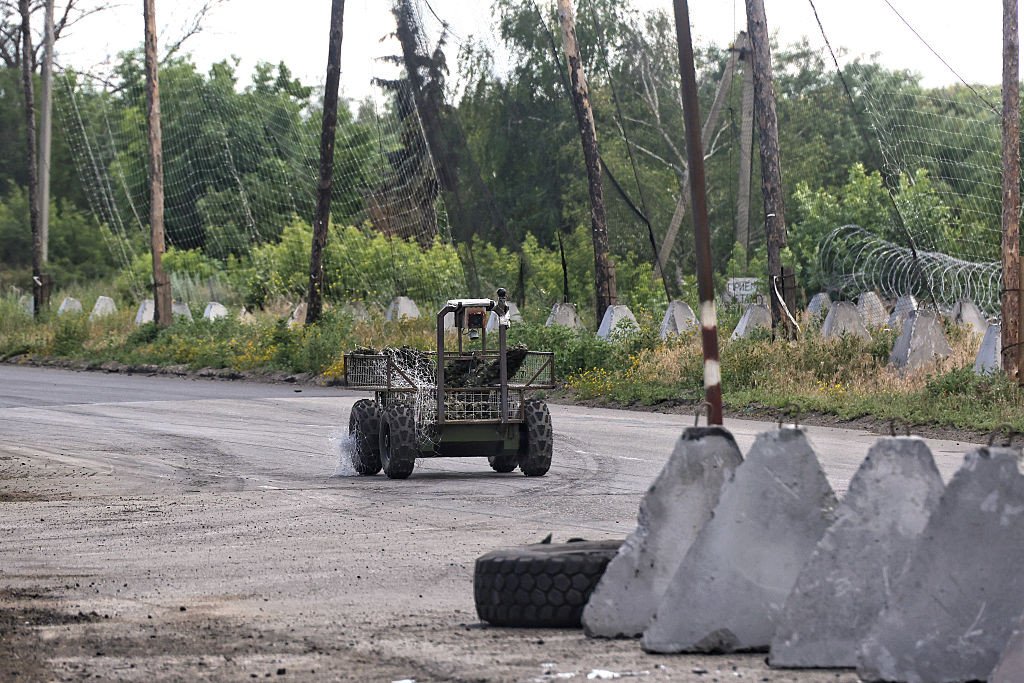
Ukraine is expanding its fleet of unmanned ground vehicles, aiming to produce at least 50,000 combat and logistics robots this year to reinforce infantry units and bridge manpower shortages along the frontline, Bloomberg reported on August 4.
The push follows a series of successful battlefield deployments where robotic systems performed complex assault missions.
We bring you stories from the ground. Your support keeps our team in the field.
Ukraine’s drive to deploy drones and unmanned ground vehicles is aimed at replacing frontline manpower with robotic systems to preserve soldiers' lives, Ukraine’s former Defense Minister Mykhailo Fedorov told The New York Times on July 31.
On the Dobropillia axis in eastern Donetsk region, Ukraine’s 93rd Separate Mechanised Brigade deployed a battle robot equipped with a flamethrower to burn out Russian positions along a tree line, enabling machine-gun crews to clear surviving troops, Bloomberg detailed.
In another operation on the Kinburn Spit in July, the 123rd Separate Territorial Defense Brigade landed a remote-controlled “Wolly 7.62” robot armed with a machine gun via marine drone to strike Russian positions along the coast before self-destructing.
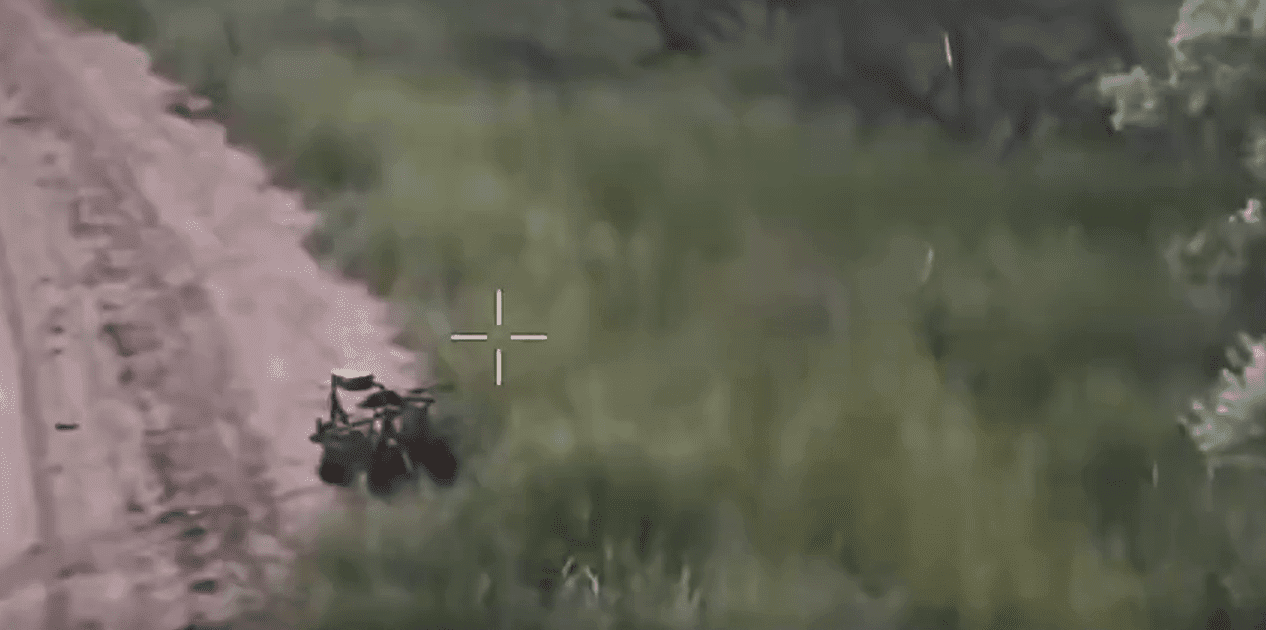
The integration of ground robots is designed to mitigate risks in high-hazard combat zones where heavy drone activity creates a dangerous “kill zone” extending up to 25 kilometers from the line of contact. Ukrainian President Volodymyr Zelenskyy emphasized that UGVs are expanding into logistics, wounded evacuations, and direct combat, stating that it is “already impossible to imagine defense without drones, and the same applies to UGVs,” according to Bloomberg.
Unmanned Systems Forces Commander Robert Brovdi noted that replacing human personnel with robotic platforms significantly reduces casualties during dangerous frontline resupply and assault operations.
-b1a4898f663ddef79cace63841158c87.jpg)
The technological expansion comes as Kyiv faces challenges in replenishing its army, prompting military leadership to lean heavily on asymmetric technological solutions. Newly appointed Armed Forces Commander-in-Chief Mykhailo Drapatyi has championed the integration of battlefield robotics to counter numerical disparities, Bloomberg reported.
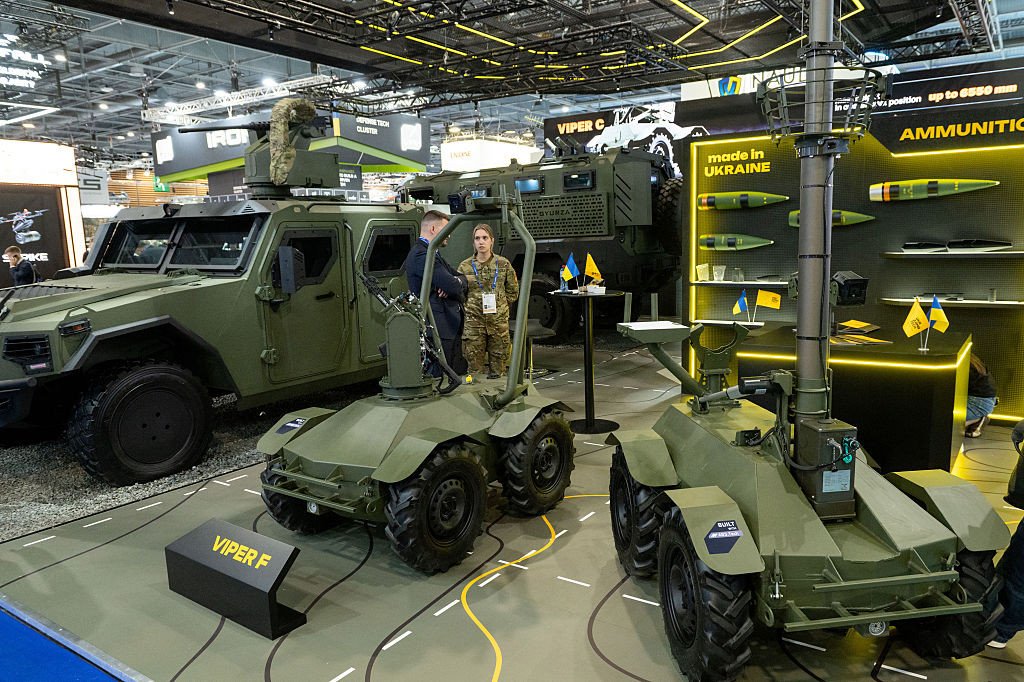
The strategy has already yielded unprecedented tactics, including an April operation where Ukrainian forces captured a Russian frontline position and forced surrenders using exclusively ground robots and aerial drones.
Ukraine’s adoption of battlefield robotics is attracting significant interest from Western allies looking to modernize their own forces. US Army Secretary Dan Driscoll lauded Ukraine’s integrated operating system, which unifies sensors, drones, and firing platforms into a single network, as an advance beyond current Western capabilities, according to Bloomberg.

While defense manufacturers caution that robots cannot entirely replace infantry, domestic suppliers like Ratel Robotics and Tencore are rapidly scaling production from small-batch prototypes to thousands of units capable of delivering heavy supply payloads and laying extensive minefields along active sectors.
An effort for domestic manufacturing coincides with international expansion, as German firms DEUTZ and ARX Robotics recently announced industrial-scale production of the Gereon unmanned ground system to deliver new platforms to Ukraine.
Discuss this article:





-efa69d4733b5af9f7cd0a642f85424a6.jpeg "Thick black smoke rises from the heavily damaged Proton-Electrotex plant in Orel, Russia, following a reported strike. (Source: Exilenova+)")