- Category
- War in Ukraine
“Sort This Out With Putin.” Zelenskyy Reveals Russia’s Response in Ceasefire Talks
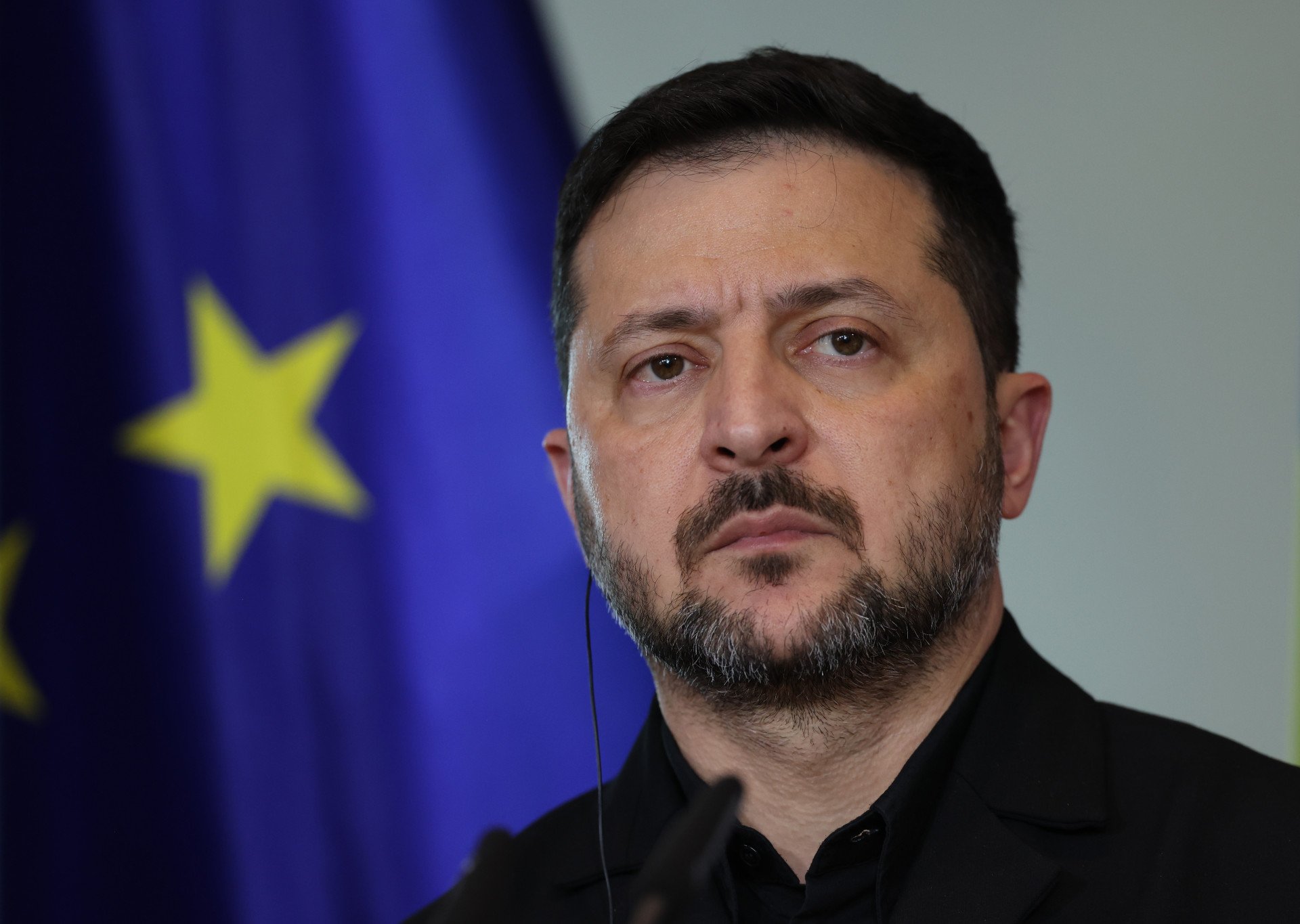
The Abu Dhabi talks set up what would be the war’s largest prisoner swap. But when Ukraine raised the issue of a truce on strikes against energy infrastructure, Russia’s delegation told Kyiv it didn’t even have a mandate to decide.
 Prefer U24 Media on Google
- Authors


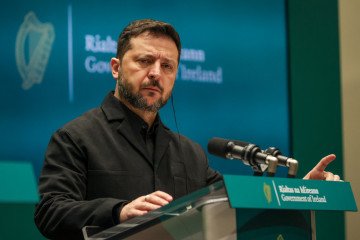
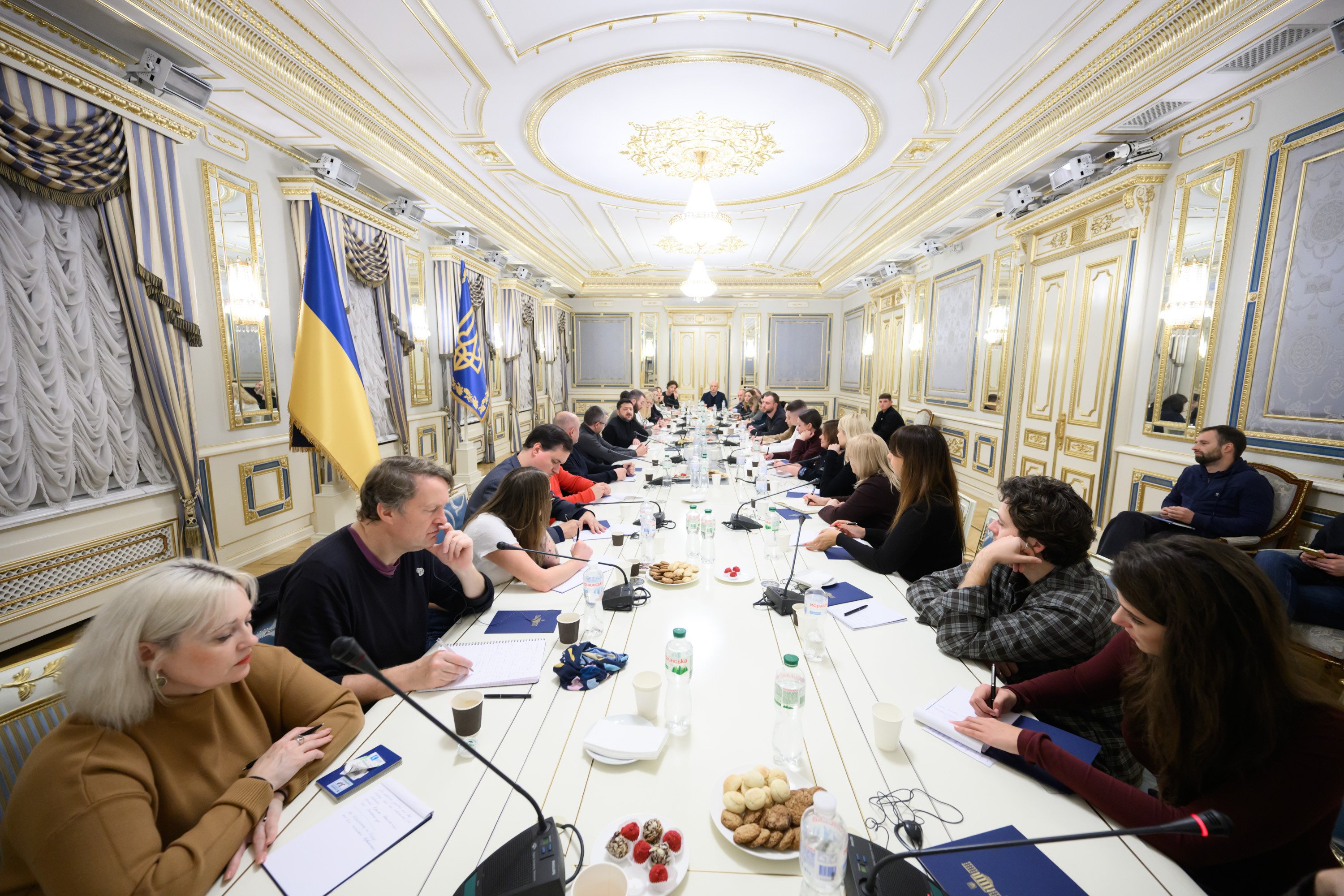
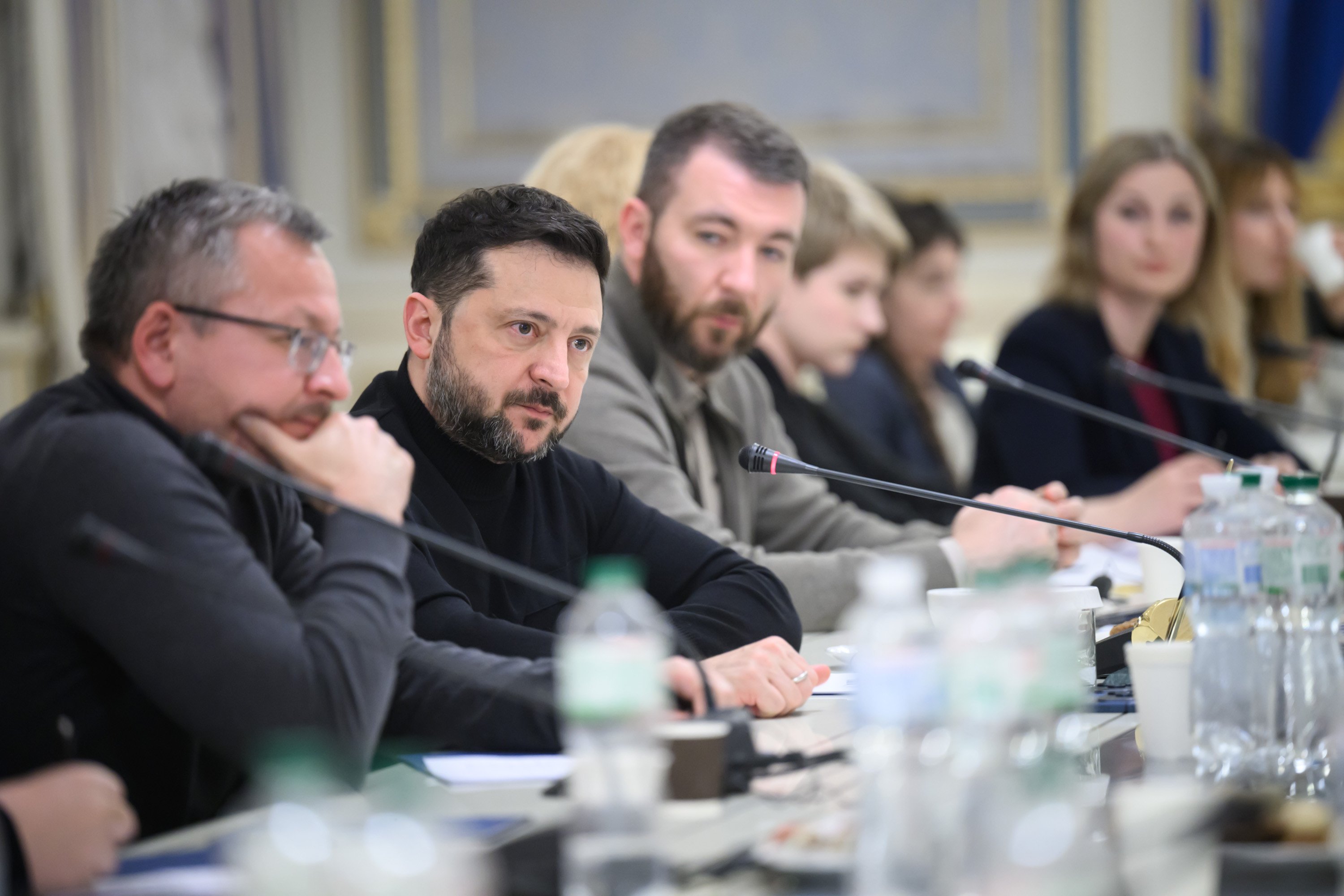
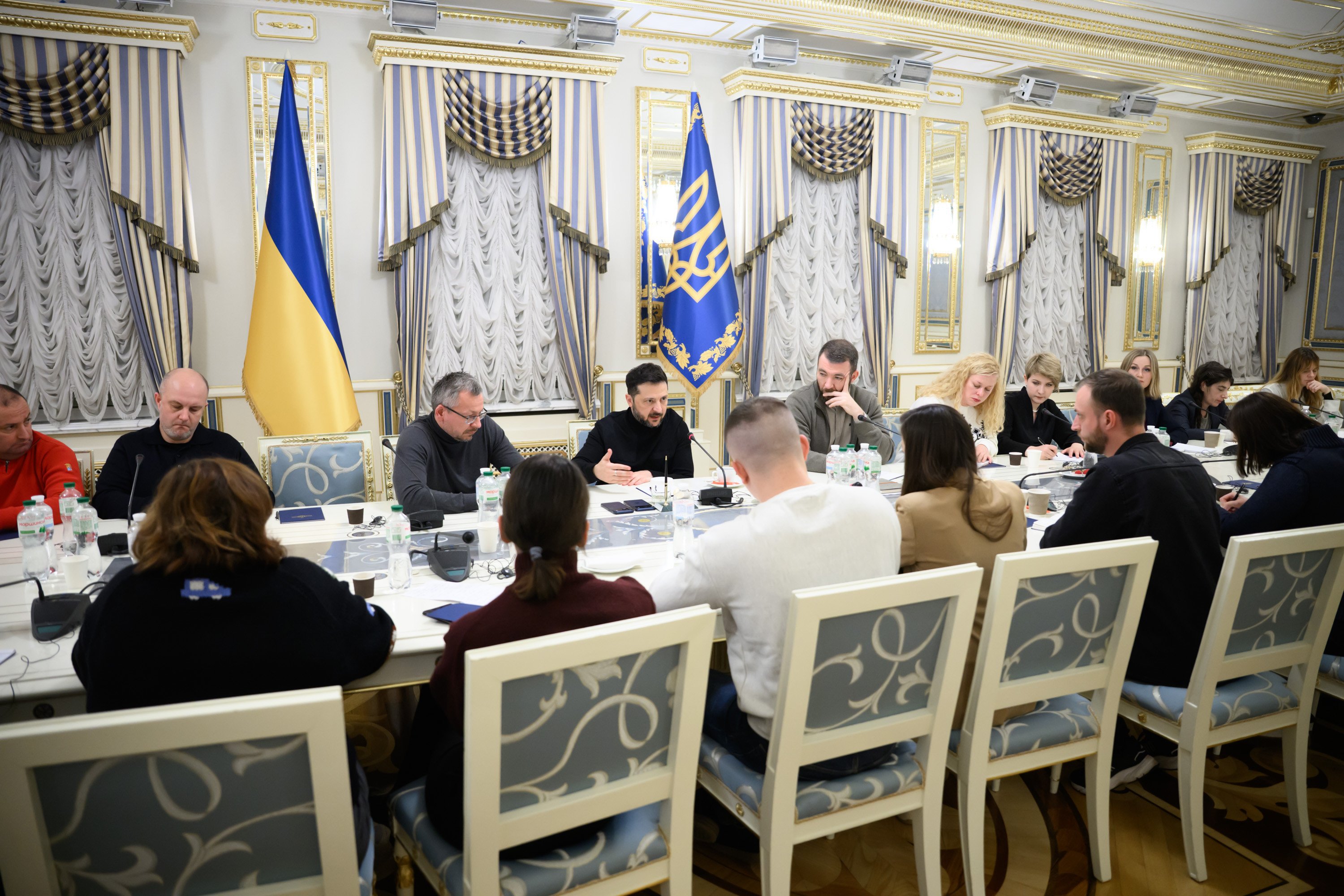
Ukrainian President Volodymyr Zelenskyy met with Ukrainian and foreign media to discuss the results of negotiations held around the world over the past week.
“For us, the critical issues in these negotiations were first and foremost an energy ceasefire, unblocking the Black Sea, and the humanitarian issue, еhe release of prisoners—as well as preparations for a meeting of the leaders to truly end this war,” said Zelenskyy. “On some of these issues, the Russians said they had no mandate.”
One of the main achievements in Abu Dhabi was an agreement on a large-scale prisoner exchange. The goal was ambitious: an all-for-all exchange, or at least the release of a large number of people. Ultimately, after the Americans went to Moscow, the sides agreed on what would be the largest exchange yet, involving more than a thousand prisoners from each side. The figure is roughly 1,200 to 1,300 people per side.
While the Russian delegation said it had no mandate to decide on the proposed truce on energy strikes, no other ceasefire was discussed in detail either, because the Russian side said, “Sort this out with Putin.” Zelenskyy said the Ukrainian negotiating team saw little appetite for such a ceasefire.
“To that, our team replied: 'That's exactly why we proposed it: if Putin is the one who makes all the decisions, then let's have a meeting of the leaders,'" Zelenskyy said. "In the end, it was agreed that the American team would fly to meet Putin and discuss this with him. Putin personally does not support a ceasefire."
Ukraine views Putin’s proposal for a so-called humanitarian mission in Kostiantynivka as a crude ploy.
"He has no way of taking this city," Zelenskyy said. "Putin simply wants us to leave Kostiantynivka so that they can move in and occupy the entire city that way."
Zelenskyy pointed out that Russian forces are the ones killing civilians in Kostiantynivka and that they were also the ones who trapped civilians in Oleshky.
"The Russians blockaded the people and laid mines there (in Oleshky—Ed.)," Zelenskyy said. "The people were left without food. I asked our guys to use drones to deliver food, water, and other essentials to them—and the people there were receiving food and water. Then, through the American team, Melania Trump proposed this idea from the bottom of her heart, genuinely wanting to save these people. It is wonderful that we managed to lift the blockade and evacuate them from there. But if you look at the satellite images, you will see that the Russians brought a lot of different weapons there and strengthened their positions in Oleshky. And what would happen to Kostiantynivka then?"
Kostiantynivka is a major Ukrainian military stronghold in the Donetsk region and part of a larger fortified area that includes Kostiantynivka, Druzhkivka, Sloviansk, and Kramatorsk. Russia has been unable to capture the city for a year and a half and is looking for other ways to take it, including by proposing so-called humanitarian missions.

“If they cared about the lives of civilians, they could have proposed similar operations in villages near Oleshky," said Zelenskyy. "I was given a list of seven or eight such villages. We passed the list on to the American side. But Russia did not propose a single one of those villages. And what did they propose? Kostiantynivka. Why? Because after Kostiantynivka come Kramatorsk and Sloviansk. They want to destroy these cities and kill all our people. That is their idea."
Europe is also expected to participate fully in the next rounds of talks. Ukraine wants several people to represent Europe and wants to avoid a dispute over representation that could divide the continent.
“All these countries want to understand what is happening in the negotiation process because they support us. Some more, some less, but there is support. Some support us militarily, some on the humanitarian front, and some politically. We all have to be on the same team,” Zelenskyy said, adding that he had asked Europe to decide by the end of November. He said three to five people would most likely represent Europe as a whole.
The question of territory
During this round of talks, the US side raised a question for the first time. “What if Ukraine joins NATO? Would Ukraine withdraw from the Donbas?”
"We are discussing with our partners a comprehensive security package that could be offered to us in the negotiations: specific security guarantees from NATO and the EU; a strong Ukrainian army—meaning an adequate number of troops, weapons, and financial support for a specified period of time; and a Prosperity Plan, or Recovery Plan, backed by funding with clearly identified sources," Zelenskyy said. "If the American side confirms precisely this to us, together with other NATO partners, then I will ask our Ukrainian society what it thinks: do we accept it or not? I have no right to make that decision on my own. But we need specifics, and we don't have them yet. All of this is still under discussion."
Ukraine sees NATO as a guarantee backed by the collective responsibility of its members. At a minimum, Ukraine is demanding security guarantees modeled on NATO’s Article 5. Other proposals offering guarantees “similar to Article 5” raise a number of questions.
"My question to the American side is: 'If you give us this 'something similar' to NATO, will American soldiers be on our soil?' Their answer is: 'No.'" said Zelenskyy. "Then I ask: what does 'Article 5-like' mean, and what does 'NATO-like' mean? They say these are bilateral security guarantees, similar to what Israel has. Some other countries have them too."
The Middle East comparison still raises many questions, given that the US has naval forces, aircraft, bases, and air defense systems in the region. Ukraine wants explicit terms spelling out exactly what each security guarantee would entail.
"I'm not sure Putin would be ready to go to war against NATO with Ukraine as a member. It would certainly be even more difficult for him than it is now, and when he understands that, it serves as a deterrent against him. Whatever anyone says, NATO territory is territory without war. When it comes to Russia's borders, the ones it has no problems with are its borders with NATO," Zelenskyy said, explaining why joining the alliance matters to Ukraine.
The alliance would also grow stronger through long-term, sustained cooperation that draws on Ukraine’s military capabilities.
Security guarantees for Ukraine and Europe
The question of security guarantees is broader. Russia is currently interested in revising the security architecture in Europe, at a minimum.
"Putin will bring up Finland and Sweden," said Zelenskyy. "I'm sure he will raise the issue of Hungary and the presence of American troops in the Baltic countries. If the Americans really want this kind of dialogue, supporting the Russians' initiative to discuss the security framework in Europe, then this is for all European countries that are members of NATO to decide, not for anyone individually. And this should be decided only after the war is over, so that we are not caught in a bind—so that we are not left stretched thin because of this war and all the related challenges and threats."
In his view, it is important for Russia to hear how Europe’s security architecture would change if Ukraine joined NATO. He said the world should recognize that Putin wants to redraw Europe’s borders and that such moves could lead to escalation.

“First, Russia certainly cannot make decisions on behalf of all the societies that are members of NATO," Zelenskyy said. "Second, if Russia wants to remove the forces deployed for defense, why?"
In his view, the EU and NATO are the foundation of European security today, and no other alliances protect the continent. "What changes does Putin want when he talks about changing the security framework in Europe?" Zelenskyy added.
The US Congress could push the Kremlin to make greater concessions in the talks by passing a strong support package for Ukraine. Such a package would need to include both sanctions and weapons.
"Because if Ukraine grows stronger, it is better to try diplomacy rather than test that strength," said Zelenskyy. "That is the kind of motivation Putin needs to take on board."
Starshield restrictions in Ukraine
Starshield remains subject to a speed limit of 161 km/h in temporarily occupied areas of Ukraine.
"If they have gone back to the decision that there are no restrictions anywhere in Ukraine, but that restrictions remain in place in the temporarily occupied territories, then this decision of theirs is very dangerous, because it already has political implications," Zelenskyy said.
Ukraine's Defense Ministry also spoke with SpaceX, which said it had imposed no restrictions and cited technical problems. The restriction has been in effect for five consecutive days.
"When there were various restrictions before, I spoke with Marco Rubio," said Zelenskyy. "I don’t know whether it was a coincidence or not—I want to believe it wasn't—but after that conversation with him, we had no problems with early warnings of ballistic missile strikes, intelligence sharing, or restrictions on Starlink and Starshield. Why am I bringing this up now? Because during our conversation, Rubio said that Starshield was more under the control of the US government than of SpaceX. The current Starshield restrictions suggest that SpaceX imposed them. That’s what our team is telling me. This doesn't quite line up with what we heard earlier. That’s why we need to get to the bottom of all this."
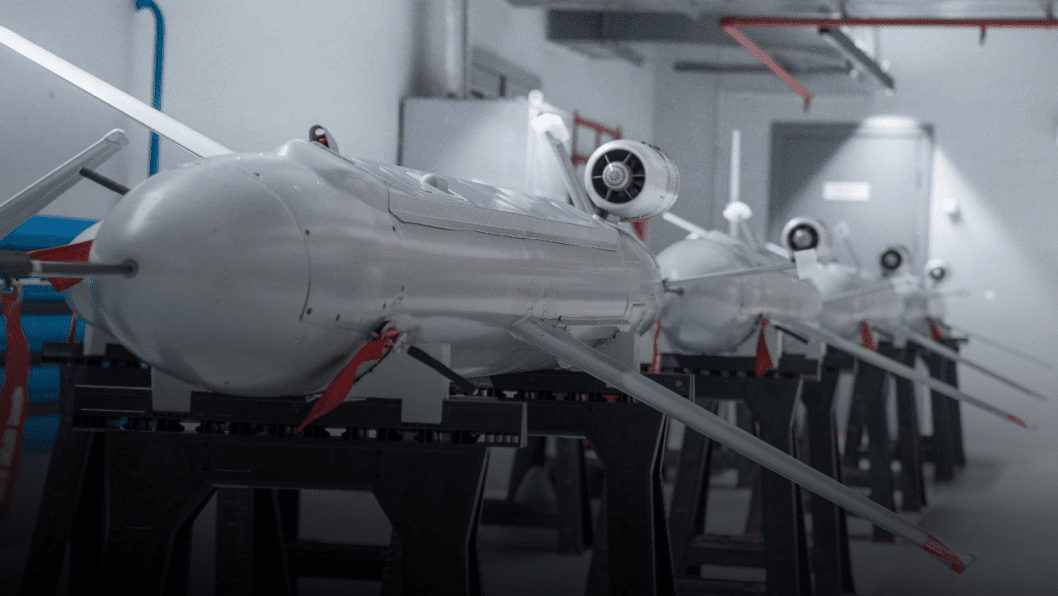
The Starshield restrictions are critical to Ukraine’s security. Russia's jet-powered Shahed drones approach from the east and are intercepted over temporarily occupied territory. Otherwise, they enter Ukrainian-controlled airspace and have to be intercepted there. Without Starshield, Ukraine has been unable to shoot them down over temporarily occupied territory, giving Russia more scope to carry out attacks.
Ukraine has also raised the issue of satellite communications with other partners and is testing several options from France, Norway, Denmark and Germany. The process will take time.
Discuss this article: