- Category
- War in Ukraine
War Fatigue and Economic Pressure Weigh on Russians as Anxiety Rises, Poll Shows
 Prefer U24 Media on Google
- Authors


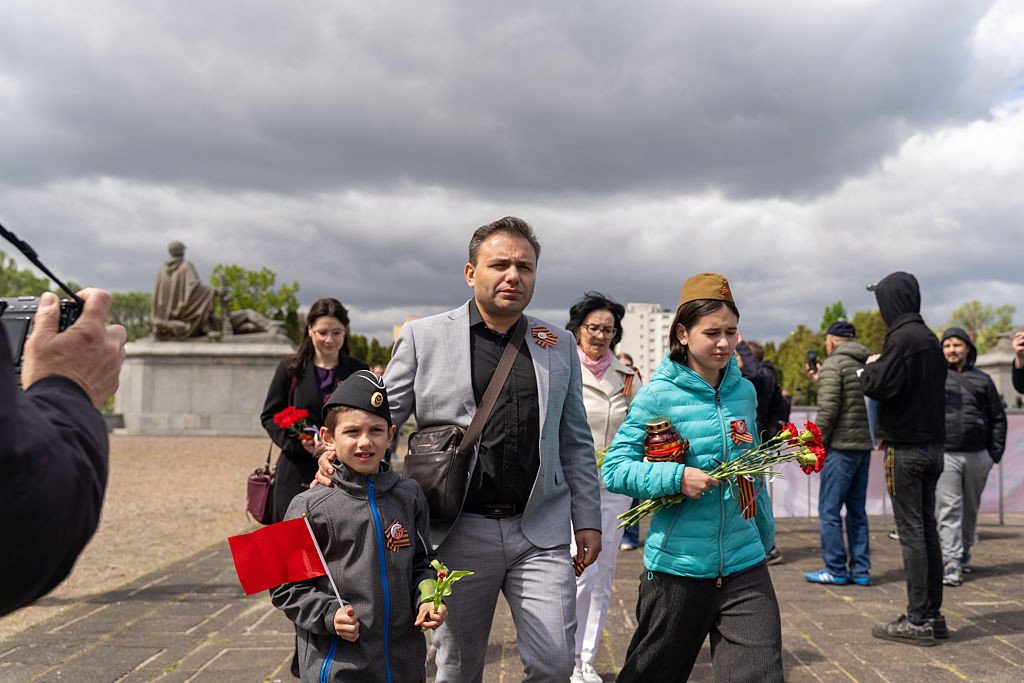
More than half of Russians now view their personal future and the country’s future with anxiety, with pessimism outweighing confidence for the first time since 2022, The Moscow Times reported on November 13.
The shift is based on a Levada Center poll in which 52% of respondents described their outlook as marked by concern or fear. Since 2022, respondents had more often selected answers indicating calm or confidence.
We bring you stories from the ground. Your support keeps our team in the field.
Public Sociology Laboratory co-founder Oleg Zhuravlev linked the change to growing fatigue with the war.
“Fatigue and irritation are growing very strongly. The war has exhausted everyone,” Zhuravlev stated.
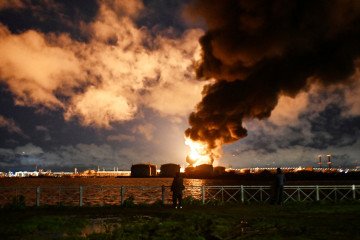
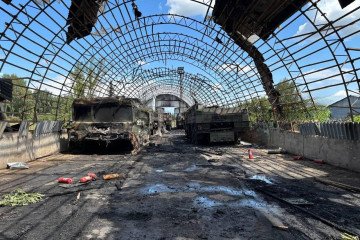
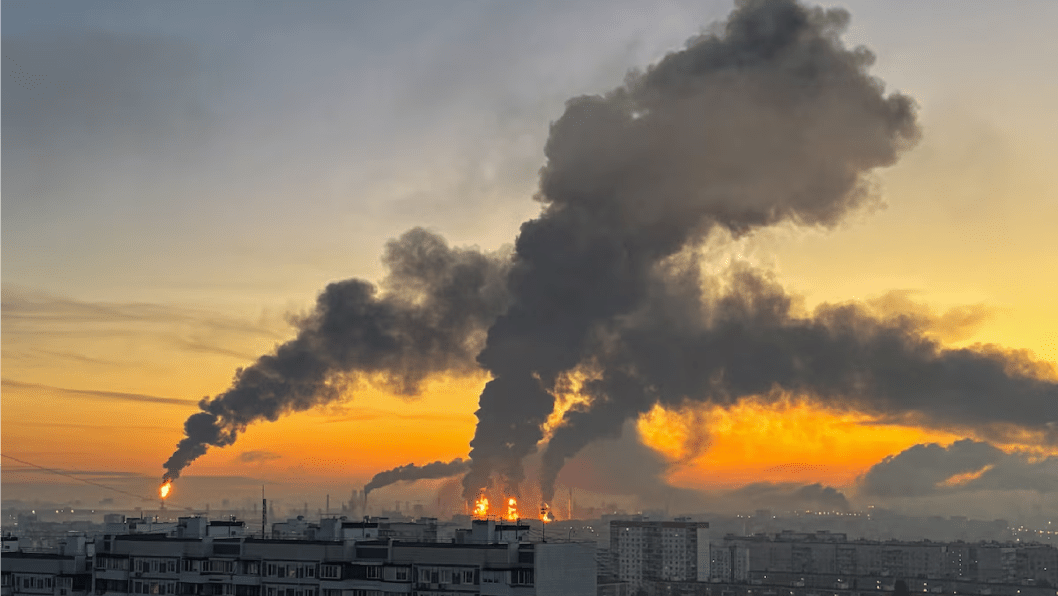
The Moscow Times reported that the war has also become harder for Russians to ignore as Ukrainian drone strikes increasingly affect infrastructure inside Russia.
The report pointed to attacks on oil refineries that contributed to fuel shortages, followed by strikes on major marketplace warehouses and data centers that disrupted deliveries and popular services.
Weekly polling by the Public Opinion Foundation has shown anxiety matching or exceeding calm sentiment since April, when strikes on Russian refineries intensified. The last comparable period of sustained anxiety followed Russia’s mobilization campaign.
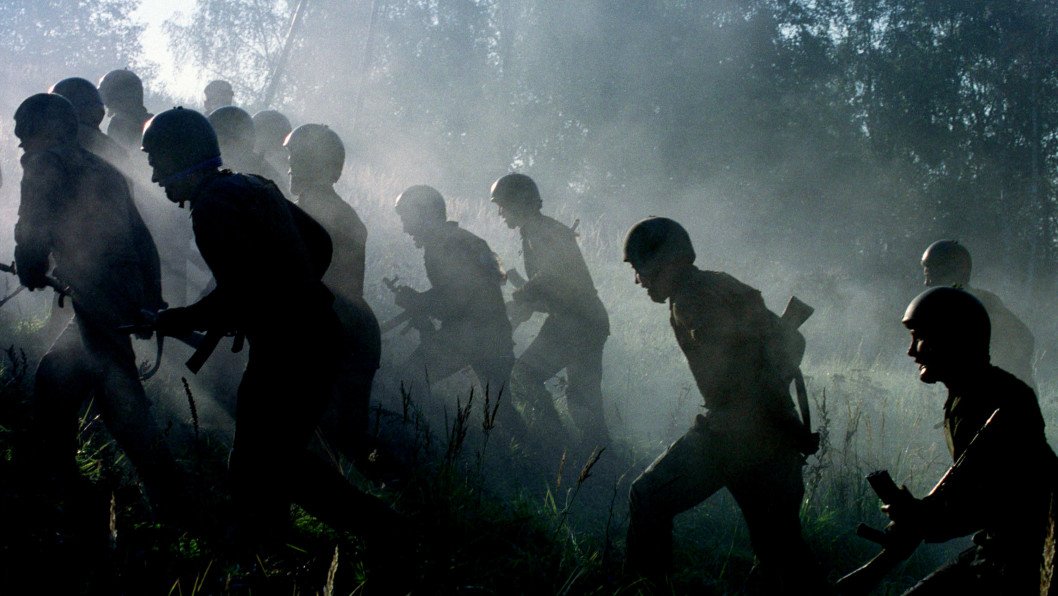
Support for peace negotiations between Ukraine and Russia has also grown. A separate Levada Center poll conducted in October found that 65% of Russians favored beginning peace talks, including 35% who were firmly in favor and 30% who leaned toward negotiations.
Economic pressure has further weighed on public sentiment, The Moscow Times noted. Russia’s real disposable incomes increased by 3% in January through September, down from 8.3% growth a year earlier.
The report noted that household finances are also under strain. In October, 30% of respondents surveyed by the Public Opinion Foundation reported that their income over the previous year had been lower than their expenses.
Some Russians are also drawing down savings. According to Russia’s Deposit Insurance Agency, deposits worth less than one million rubles fell by 8.1% in January through September, while the number of account holders remained almost unchanged, according to The Moscow Times
The worsening mood comes as Russians face both the economic consequences of the war and growing disruption from attacks inside the country. Levada Center scientific director Lev Gudkov noted that many people no longer understand how long the war will continue, while Zhuravlev argued that much of the population does not clearly understand its goals or political causes.
The shift in public mood had already begun affecting Russia’s domestic politics. In September, officials and political strategists described the State Duma campaign as unusually subdued, citing fuel shortages, drone strikes, economic pressure, and growing public disengagement as factors making traditional campaigning increasingly difficult.
Discuss this article: