- Category
- Latest news
S-300PMU-2 Didn’t Fire Once. So What Happened to Russia’s Air Defense in Iran?
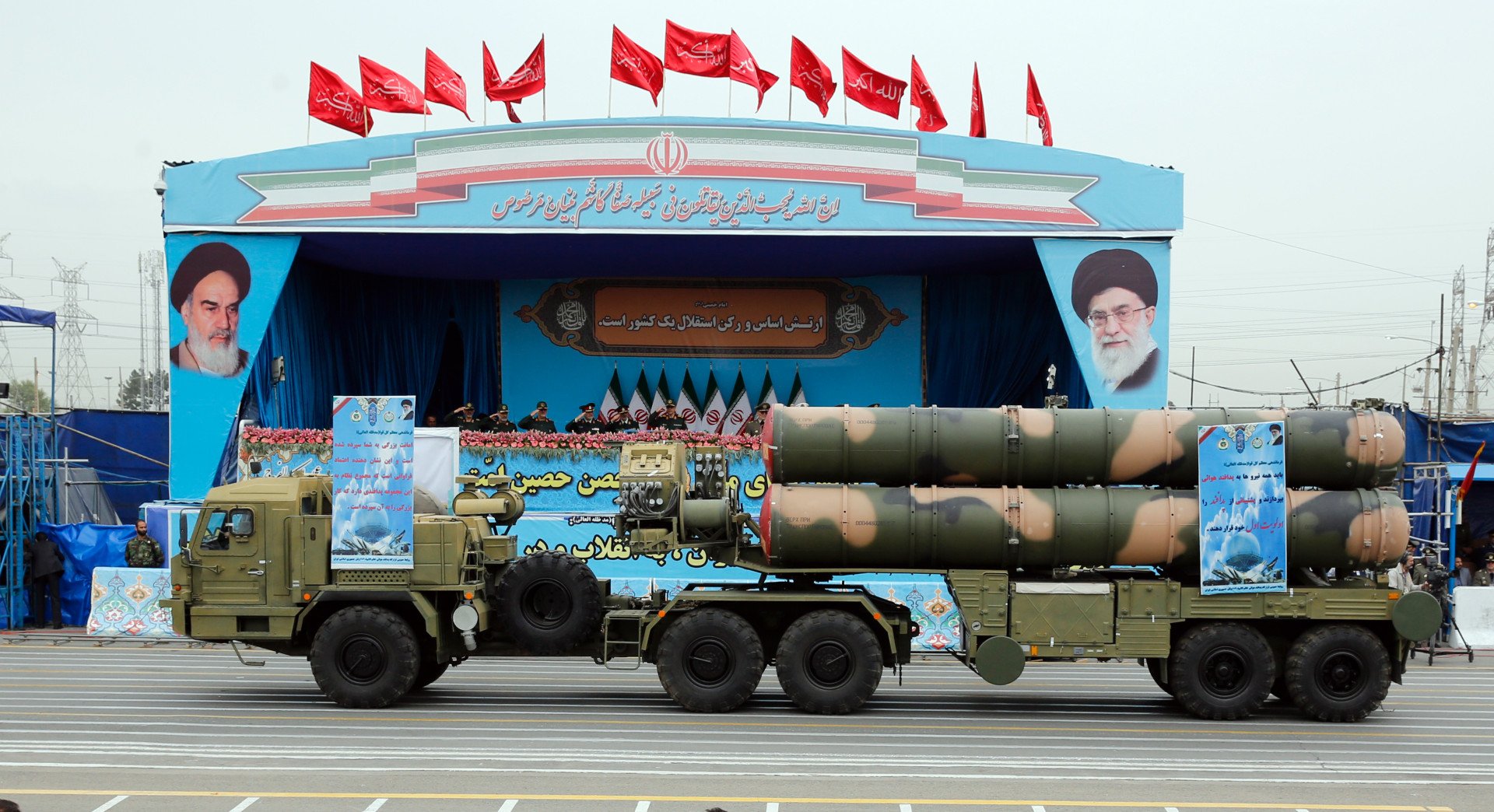
Russia’s S-300PMU-2 air defense system in Iran may have failed to respond to US and Israeli air operations, raising fresh questions about the real-world effectiveness of one of Moscow’s flagship export systems.
 Prefer U24 Media on Google
- Authors


Questions are mounting over the performance of Russia’s S-300PMU-2 air defense systems in Iran after new footage suggested the platform may have been effectively neutralized during recent US and Israeli operations, according to Defense Express on April 8.
Newly released video showing strikes on Iranian military assets appears to include the destruction of a launcher belonging to the Russian-made S-300PMU-2 “Favorit” system.
We bring you stories from the ground. Your support keeps our team in the field.
The footage, published by the Israel Defense Forces, highlights multiple precision strikes, with one target standing out as a surface-to-air missile launcher.
The system was identified as part of Iran’s S-300PMU-2 inventory, acquired from Russia in 2007, with deliveries completed in the second half of the 2010s. The destroyed launcher was reportedly positioned on the outskirts of Tehran.
Satellite imagery indicates that S-300PMU-2 units have been deployed at that location since at least 2019. High-resolution images dated February 20—just days before the start of active hostilities—show the launcher still positioned at the exact same site.
🎥✈️WATCH: How the IAF strikes Iranian terror regime air defense systems. pic.twitter.com/zO8zn0uB5c
— Israel Defense Forces (@IDF) April 7, 2026
Jets flew over Tehran unchallenged
Despite the presence of one of Russia’s most advanced export air defense systems near the Iranian capital, it appeared unable to disrupt US and Israeli air operations.
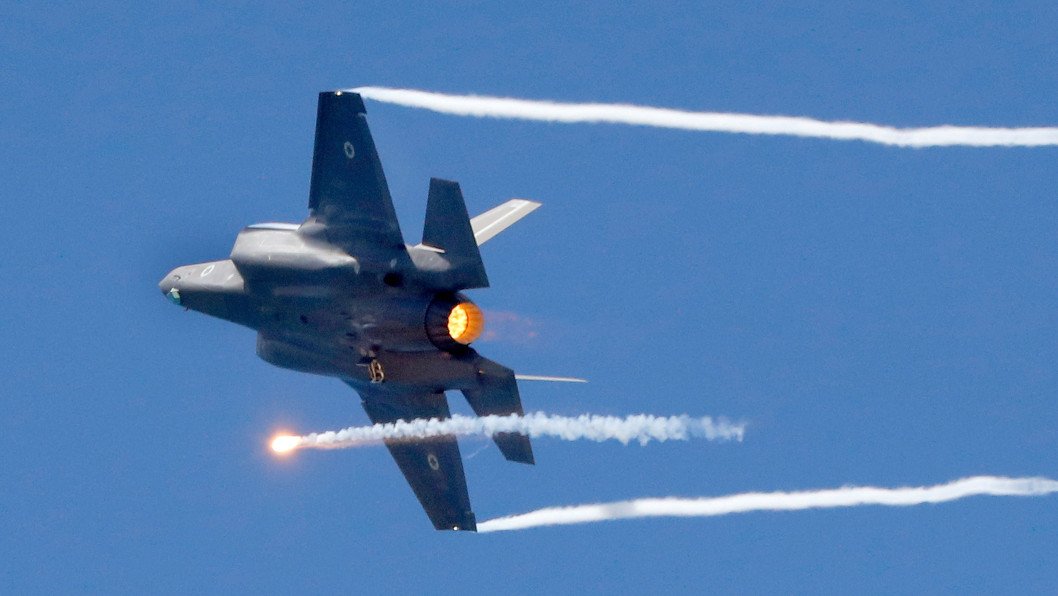
Aircraft reportedly operated over Tehran without attempting to fly at low altitude to evade detection. In one case, an Israeli F-35 shot down an Iranian Yak-130 trainer aircraft over the city, marking its first recorded air-to-air kill.
High-resolution satellite imagery shows air defense sites in Tehran and Isfahan. 5P85TE2 transporter-erector-launchers (TELs) from the S-300PMU-2 appear to have been integrated with the domestic Bavar-373, after Iran lost its 30N6E2 engagement and fire-control radar.
— OSINTWarfare (@OSINTWarfare) February 21, 2026
In Isfahan,… pic.twitter.com/tx4YyBuwag
It remains possible that the system had already been disabled early in the campaign, potentially through the destruction of its radar component. However, available satellite imagery does not show clear signs of explosions or fire at the site.
This raises the possibility that the system remained physically intact but operationally ineffective for an extended period. For more than a month, the S-300PMU-2 appears to have stayed deployed without successfully engaging any targets, even as airstrikes continued.
Electronic warfare may have blinded the system
Analysts suggest that intensive electronic warfare activity—both from dedicated aircraft and onboard systems carried by fighter jets—may have suppressed or blinded the system’s radar, effectively rendering it useless.
Throughout the campaign, there have been reports of US aircraft being targeted primarily by man-portable air defense systems and possibly the Iranian Raad system, which has design similarities to Russia’s Buk-M2. However, there have been no confirmed instances of the S-300PMU-2 being used.

Decoy, disabled, or something else?
At the same time, the situation raises additional questions. The system’s location had reportedly remained unchanged for years and was visible via open-source satellite imagery, yet it was not targeted earlier in the conflict.
One possibility is that the destroyed launcher was a decoy, while the real system had been relocated prior to the strikes or neutralized earlier. Without official confirmation, the exact circumstances remain unclear.
Earlier, US B-2 Spirit bombers carried out a strike on an underground Islamic Revolutionary Guard Corps (IRGC) facility near Tehran using GBU-57 Massive Ordnance Penetrator bombs during a broader operation that included the rescue of downed American personnel.
Discuss this article:



-c439b7bd9030ecf9d5a4287dc361ba31.jpg "Photo of Katherina Popilnichenko")