- Category
- Latest news
Satellite Photos Reveal Ukrainian Flamingo Missile Strike Blasting FSB Base in Crimea
 Prefer U24 Media on Google
- Authors


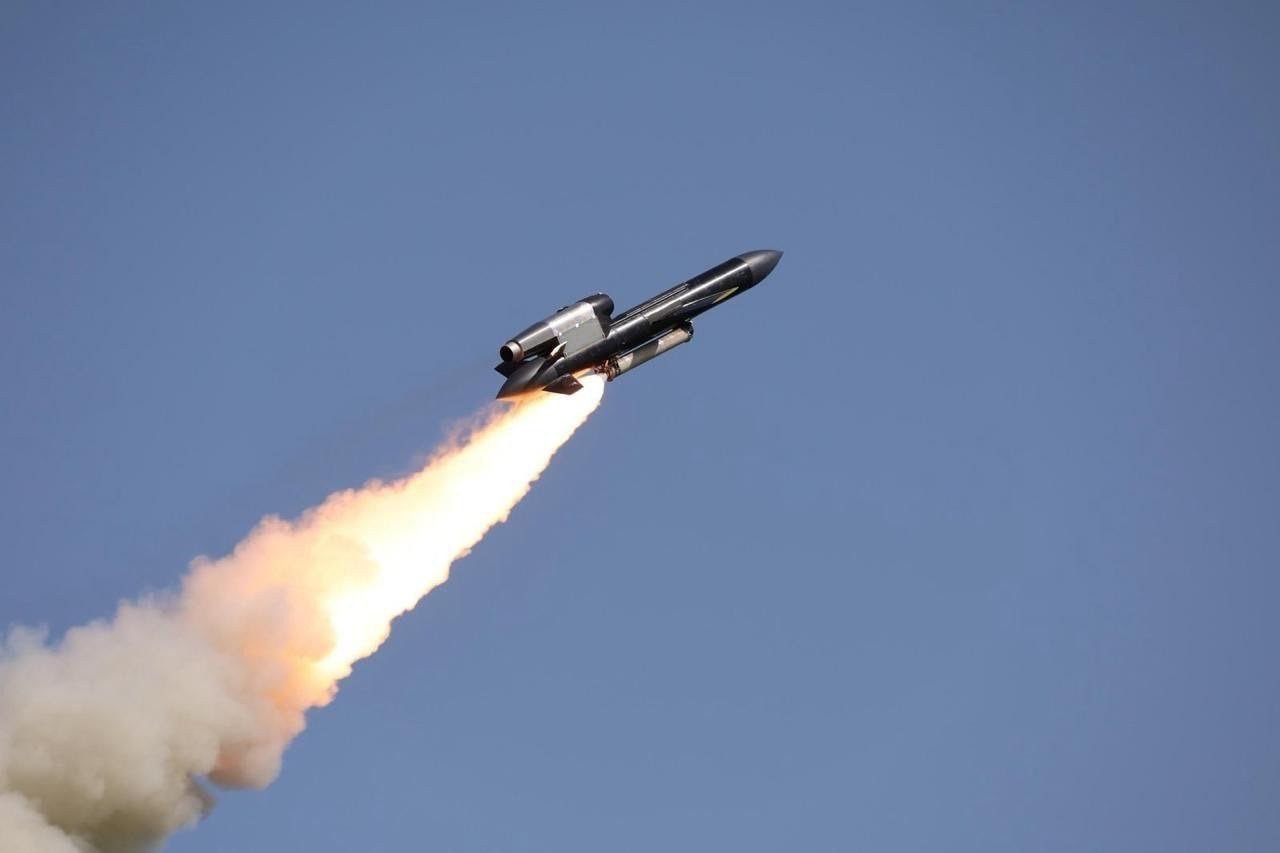
New satellite imagery has revealed what appears to be the aftermath of a Ukrainian Flamingo strategic cruise missile strike on an FSB facility in the northern Crimean city of Armyansk. The images, showing two confirmed impact points, were published by the Telegram channel Exilenova+ on September 3.
One strike appears to have hit directly on the FSB compound, while another landed nearby. Along the shoreline, satellite photos captured a giant crater—likely caused by the detonation of the missile’s more than one-ton warhead.
🦩🚀 The probable result of Flamingo missile strike on m FSB facility in Crimea, the crater was about 13 meters in diameter, — Osint channels.
— MAKS 25 🇺🇦👀 (@Maks_NAFO_FELLA) September 3, 2025
🤔 It seems that there are problems with accuracy, because the FSB facility was destroyed by drones, not a missile. pic.twitter.com/9U5Yk57I4L
Militarnyi analysts noted a possible third impact inside the complex but said image quality makes confirmation uncertain.
The strike occurred early on August 30, targeting an FSB border outpost and its patrol hovercraft. However, the Ukrainian officials did not confirm the strike.
Russian outlet Astra first attributed the attack to Ukraine’s Neptune missiles but later acknowledged it was carried out with the new Flamingo. The outlet reported that six patrol hovercraft were damaged and at least one Russian serviceman was killed.
⚡️ Politico showed footage of Ukraine’s new “Flamingo” cruise missile, capable of striking up to 3,000 km with a warhead over a ton. It’s already in mass production at 200 a month. pic.twitter.com/Tp0hYhR24v
— UNITED24 Media (@United24media) August 22, 2025
It remains unclear which exact vessels were struck, but border units in northern Crimea typically operate Khivus A-8 hovercraft, capable of carrying up to eight troops, as well as A25PS models, which can transport 30 to 50 personnel.
The Flamingo was only revealed publicly two weeks earlier, on August 17, when Associated Press photographer Yefrem Lukatsky posted the first images online. Despite its newness, it has already demonstrated performance on par with—or exceeding—many Western systems.
Available data indicate the missile carries a 1,150 kg warhead, has a range exceeding 3,000 km, and reaches speeds of up to 950 km/h. Built with a fiberglass-composite body, the Flamingo is designed to resist Russian electronic warfare systems.
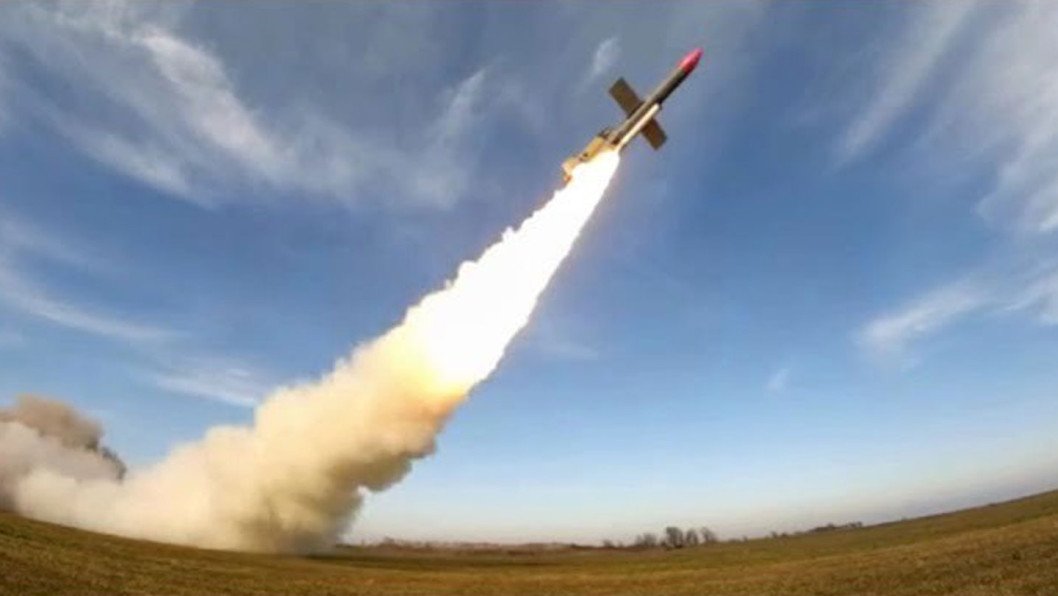
According to Ukrainian industry officials, factories are already turning out one Flamingo per day, with production expected to scale up. Despite its long range and heavy payload, the missile’s cost is reportedly under $1 million—a fraction of what Western cruise missiles typically cost.
Earlier, reports emerged that Ukrainian defense company Fire Point, best known for developing the Flamingo cruise missile, was preparing to open a production line for solid rocket fuel in Denmark.
Discuss this article:



-c439b7bd9030ecf9d5a4287dc361ba31.jpg "Photo of Katherina Popilnichenko")