- Category
- Latest news
South Korea Bypasses Blockaded Hormuz Strait as First Tanker Navigates Red Sea Route
 Prefer U24 Media on Google
- Authors

-c439b7bd9030ecf9d5a4287dc361ba31.jpg "Photo of Katherina Popilnichenko")
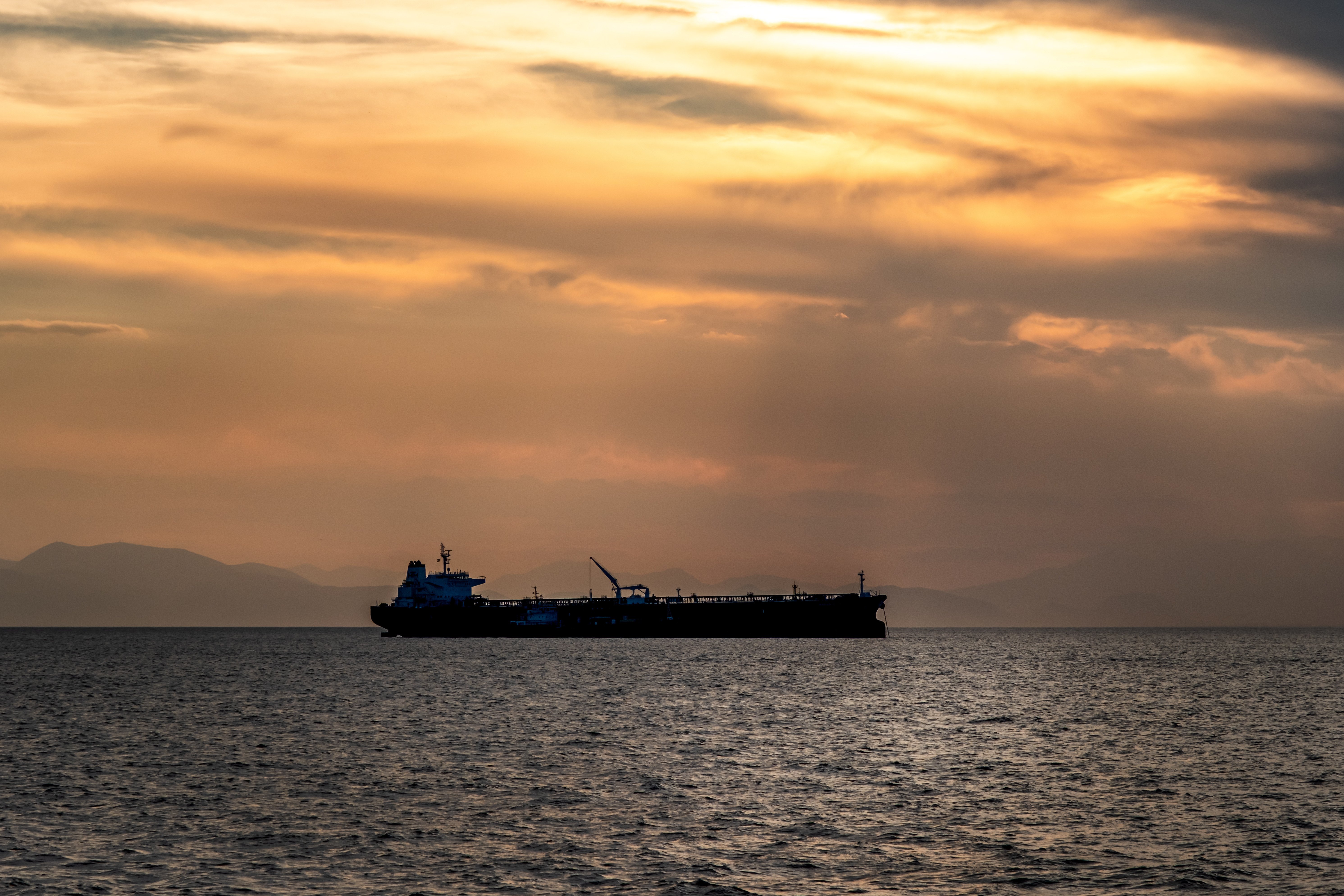
A South Korean crude oil tanker has successfully completed a journey from a Saudi Arabian port using an alternative route through the Red Sea, bypassing the Hormuz Strait for the first time.
The Ministry of Oceans and Fisheries of South Korea confirmed that the vessel reached its destination safely, according to Korea JoongAng Daily on April 17.
We bring you stories from the ground. Your support keeps our team in the field.
This marks the first successful use of a bypass route since the Hormuz Strait became effectively blocked. The ship loaded its cargo at Yanbu, a Saudi port on the Red Sea that serves as the terminal for the East-West Crude Oil Pipeline, also known as Petroline.
The South Korean government stated that it is monitoring the situation in real time to ensure the safety of its vessels. Authorities have been providing security information and maintaining constant communication channels with the crew.
Officials view this successful transit as a major step in stabilizing the country’s crude oil supply from the Middle East during the period of uncertainty caused by the war with Iran.
"We will continue to do our best so that the supply of crude oil to South Korea by our vessels can be carried out without interruption in the Middle East, keeping in mind the safety of our vessels and crews," said Minister of Oceans and Fisheries Hwang Jong-woo.
While the Red Sea serves as an alternative to the Hormuz Strait, the waterway still faces threats from Yemeni Houthi rebels. The Saudi East-West Pipeline spans approximately 1,200 kilometers, linking Persian Gulf oil fields to the Yanbu port.
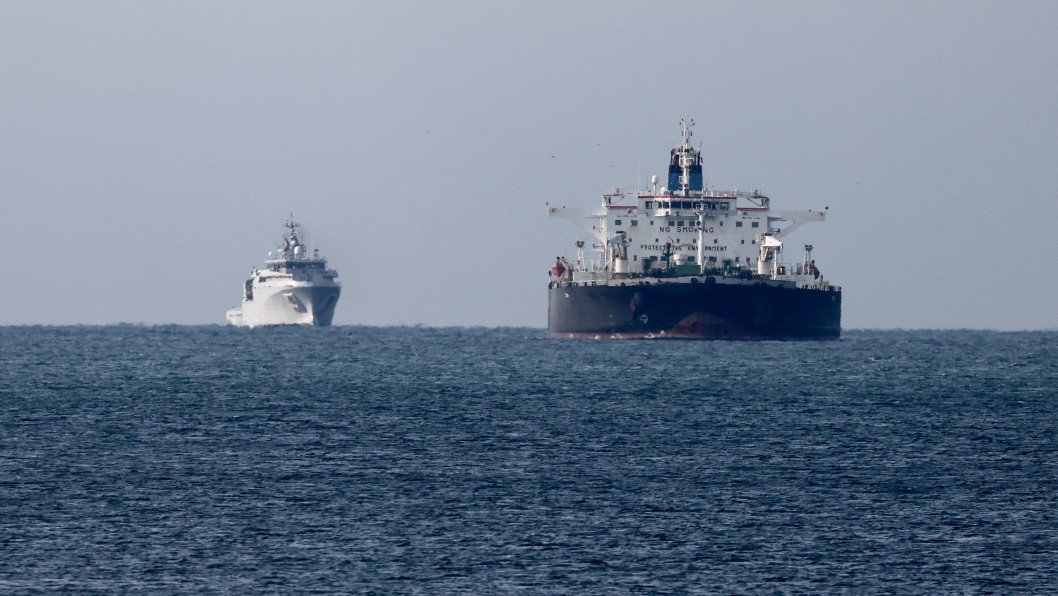
In 2026, due to the threat of a blockade at the Hormuz Strait, its capacity reached a record high of over 7 million barrels per day.
This makes the pipeline the primary export route for Saudi Arabia while the strait remains closed. On April 12, Saudi Arabia announced that the pipeline was operating at full capacity.
On March 9, the G7 finance ministers and the International Energy Agency discussed a coordinated release of up to 400 million barrels of emergency oil reserves to stabilize global markets.
This potential release, representing about a quarter of total strategic stockpiles, aimed to counter the sharp rise in crude prices caused by the war in the Gulf.
The surge in energy costs had sparked significant fears of a new inflation spike that threatened the economic growth of major importers, including South Korea and several European nations.
Discuss this article: