- Category
- Latest news
Trench Disease Returns: WWI-Era Gas Gangrene Reappears Among Wounded Soldiers
 Prefer U24 Media on Google
- Authors




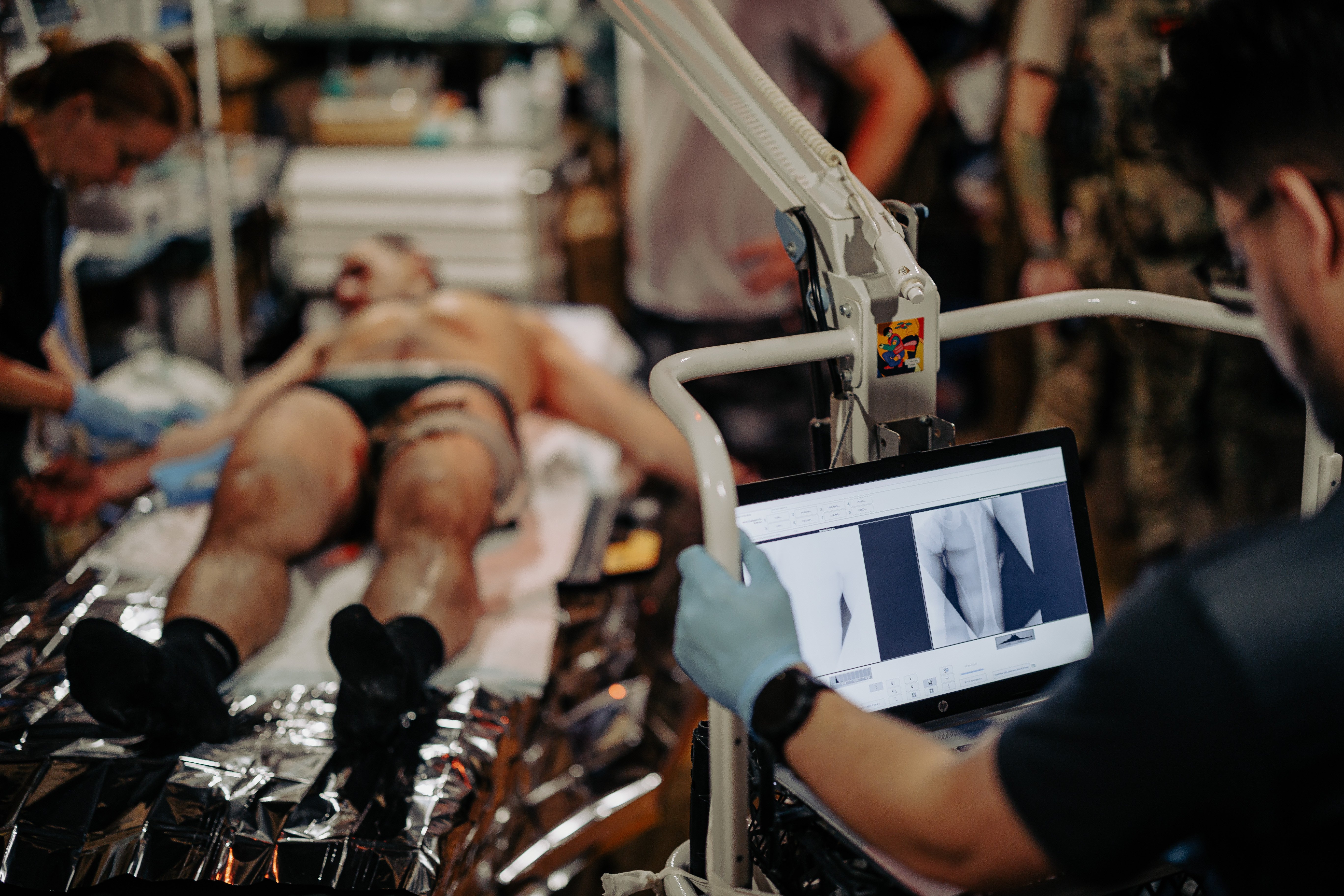
Ukrainian medics have begun documenting cases of gas gangrene, a severe bacterial infection once associated with the trenches of World War I, according to The Telegraph on November 11.
Doctors say the condition has reappeared due to delays in evacuating wounded soldiers from front-line areas under constant Russian drone attacks.
According to The Telegraph, volunteer medics working in eastern Ukraine report an increasing number of patients showing symptoms that “no living doctor has ever seen in wartime.”
The infection, caused by Clostridium bacteria, spreads rapidly through damaged muscle tissue deprived of oxygen, often after deep gunshot or blast wounds.
“We are seeing complications of injuries that no one alive has ever seen in war,” one foreign volunteer medic working in Zaporizhzhia region told The Telegraph. “Such delays in evacuation have not occurred for at least 50 years—probably since World War II, or even earlier.”
-61e3383fc39a961c714bb3b330eab5d9.png)
Gas gangrene typically arises when Clostridium bacteria infect wounds that cannot be treated promptly. The bacteria produce toxins and gas bubbles under the skin, leading to severe pain, tissue swelling, and discoloration. Movement of trapped gas causes a distinct crackling sound under the skin—a hallmark symptom of the disease.
Unlike ordinary gangrene, which develops slowly due to poor blood flow, gas gangrene advances rapidly and can be fatal if not treated immediately. “Patients sit with these wounds and cannot get proper care—they simply cannot be quickly transported back to a hospital,” the medic said.
According to The Telegraph, modern warfare conditions—particularly the widespread use of drones and ongoing bombardments—have made medical evacuations increasingly dangerous.
-70378377d29140edc85373204674f1cf.jpg)
Many wounded soldiers remain in underground shelters or stabilization points for days or even weeks before reaching hospitals. These delays, combined with limited access to sterile facilities and antibiotics, create conditions similar to those that caused massive casualties a century ago.
Dr. Lindsay Edwards, a senior lecturer in microbiology at King’s College London, told The Telegraph that treatment for gas gangrene “is extremely difficult and not always successful, even in the best hospitals.”
She said it usually involves surgical removal of dead tissue and intravenous administration of powerful antibiotics. Without treatment, mortality approaches 100%.
Historically, gas gangrene was one of the most feared infections during World War I, when soldiers fought in muddy trenches contaminated with manure—ideal conditions for Clostridium bacteria.

The introduction of antibiotics during World War II largely eradicated the disease from modern battlefields. However, The Telegraph notes that the logistical challenges of Ukraine’s prolonged positional warfare have created circumstances in which this long-forgotten infection is once again appearing.
Ukrainian doctors warn that as long as battlefield evacuations remain slow and medical access limited, the risk of gas gangrene and other severe infections will continue to rise.
Earlier, Reuters reported that Germany is preparing to treat up to 1,000 wounded soldiers per day in the event of a NATO–Russia conflict, with plans to expand medical evacuation capabilities and civilian hospital support.
Discuss this article: