- Category
- Latest news
Trump Administration Extends Sanctions Exemption for Russian Seaborne Oil
 Prefer U24 Media on Google
- Authors

-72b63a4e0c8c475ad81fe3eed3f63729.jpeg "Photo of Cyril Barabaltchouk")
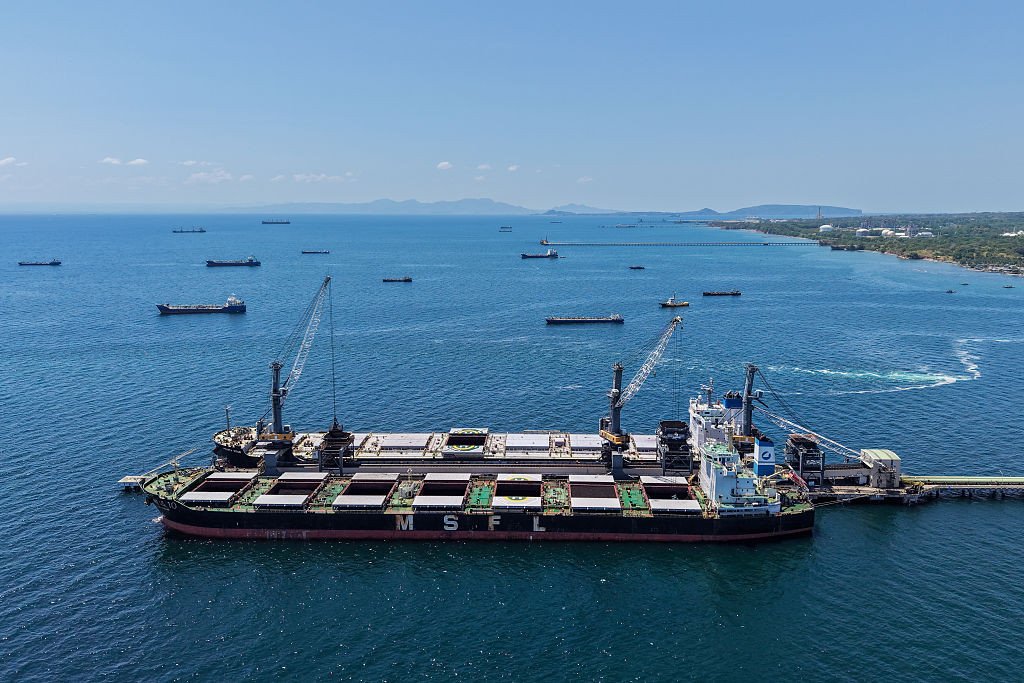
The US President Donald Trump’s administration has officially renewed a waiver allowing international partners to purchase sanctioned Russian oil at sea for approximately another month, Reuters reported on April 18.
This controversial move is driven by the severe global energy shocks stemming from the ongoing US-Israeli war with Iran. The US Treasury Department’s waiver, which replaces a previous 30-day exemption that expired on April 11, permits countries to buy Russian oil and petroleum products loaded on vessels through May 16. It strictly excludes any transactions involving Iran, Cuba, and North Korea.
We bring you stories from the ground. Your support keeps our team in the field.
The renewal marks a reversal for the administration. Just two days prior to the announcement, Treasury Secretary Scott Bessent explicitly stated that Washington would not renew the exemptions for either Russian or Iranian oil. However, the administration faced immense pressure from Asian partners—including India’s Prime Minister Narendra Modi—who lobbied Washington on the sidelines of the G20, World Bank, and IMF meetings to allow alternative supplies to reach the market, according to Reuters.
“As negotiations [with Iran] accelerate, Treasury wants to ensure oil is available to those who need it,” a Treasury Department spokesperson explained.
The geopolitical chaos in the Middle East has created what the International Energy Agency describes as the worst global energy supply disruption in history. Entering its eighth week, the conflict has damaged more than 80 oil and gas facilities. While global oil prices temporarily tumbled 9% to about $90 a barrel on April 17 after Iran briefly reopened the critical Strait of Hormuz, Tehran has threatened to seal the chokepoint again if the US Navy’s blockade of Iranian ports continues.
High fuel prices pose a significant political threat to Republicans ahead of November’s midterm elections, Reuters wrote.
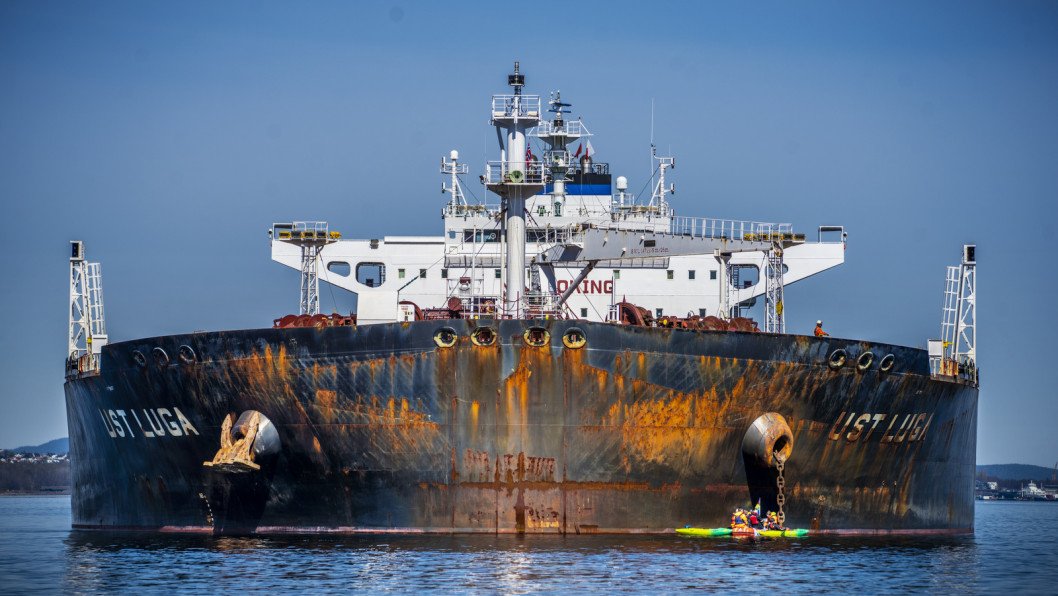
The decision has sparked immediate, fierce bipartisan backlash from US lawmakers, who argue the waivers actively bolster the economies of both Russia and Iran while they are engaged in respective wars against Ukraine and the US. European Commission President Ursula von der Leyen echoed these sentiments, stating firmly that now is not the time to relax sanctions against Moscow.
Meanwhile, Russian leader Vladimir Putin’s special envoy, Kirill Dmitriev, noted on Telegram that the extension faced “active political opposition,” but confirmed it will secure the transit of another 100 million barrels of Russian oil.
Brett Erickson, a sanctions expert at Obsidian Risk Advisors, warned that this likely won’t be the final extension. “The conflict has done lasting damage to global energy markets, and the tools available to stabilize them are nearly exhausted,” he said, Reuters reported.
The US decision to extend the sanctions waiver for Russian seaborne oil arrives at the exact moment Moscow is heavily relying on these maritime routes to fund its war machine. According to the International Energy Agency (IEA), Russian oil revenues nearly doubled to $19 billion in March as global prices surged due to the exact same conflict with Iran. With the Druzhba pipeline oil to Hungary and Slovakia remaining offline following attacks earlier this year, Russia has pushed its seaborne crude exports to 4.6 million barrels per day to compensate.
While Washington’s waiver provides a critical, 100-million-barrel financial lifeline for these maritime shipments, the IEA notes that Moscow will struggle to expand its operational capacity much further. Relentless Ukrainian drone strikes have inflicted severe damage on key Russian port facilities and refineries across the Baltic and Black Sea regions, actively capping the Kremlin’s ability to fully exploit the global energy shock.
Discuss this article:


-c439b7bd9030ecf9d5a4287dc361ba31.jpg "Photo of Katherina Popilnichenko")