- Category
- Latest news
Ukraine Once Held 1,900 Nuclear Warheads. Today Marks 31 Years Since the Guarantees Failed
 Prefer U24 Media on Google
- Authors




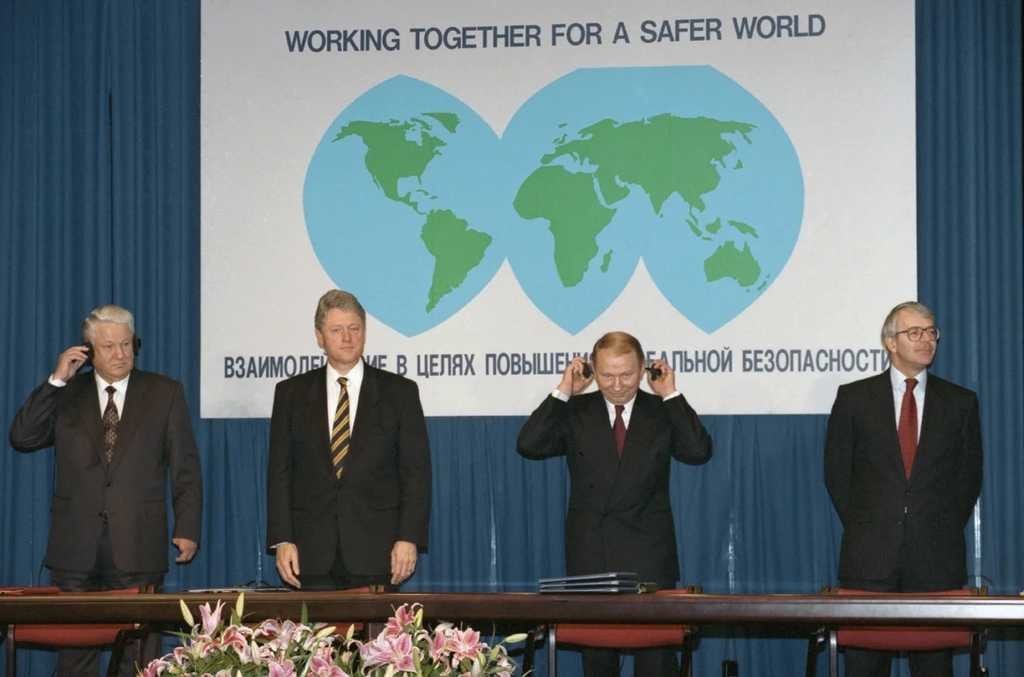
Ukraine marks 31 years since signing the Budapest Memorandum—an agreement under which the country surrendered the world’s third-largest nuclear arsenal in exchange for security assurances from the US, the UK, and Russia.
Signed on December 5, 1994, the memorandum was intended to anchor Ukraine’s sovereignty and territorial integrity after the collapse of the Soviet Union.
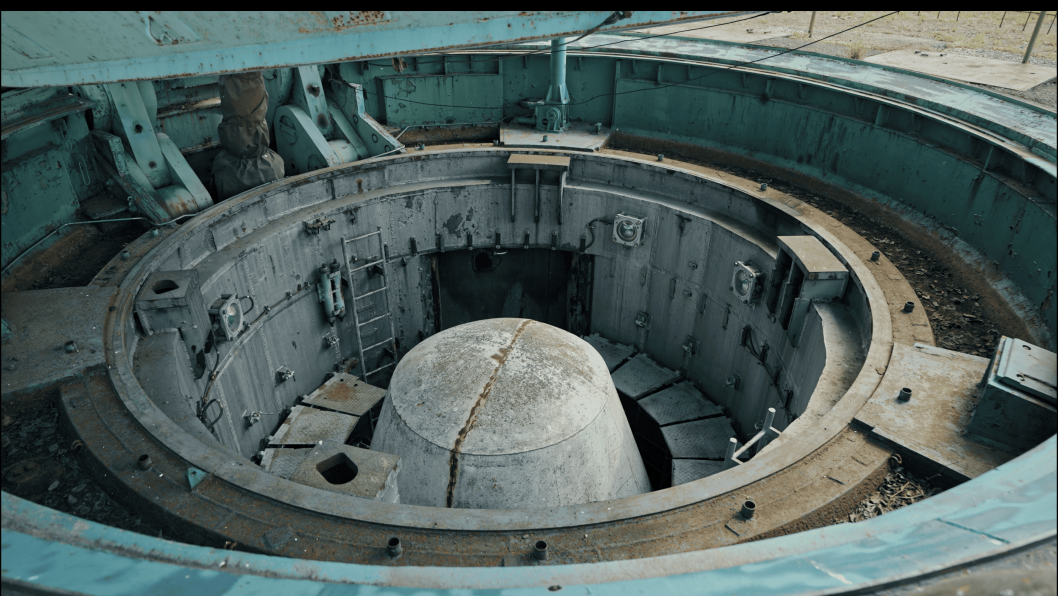
According to historical records from Ukrainian government sources and international monitoring bodies, Ukraine inherited some 1,900 nuclear warheads, 176 intercontinental ballistic missiles in hardened silos, 44 strategic bombers, and up to 4,000 tactical nuclear munitions.
At the time, only the US and Russia possessed more nuclear weapons. Ukraine, however, did not have operational control over the arsenal—launch codes remained in Moscow—and maintaining nuclear forces would have required infrastructure and annual costs exceeding $1 billion.
-cf7ea83264cff80a19cf65962cdd61f9.png)
The denuclearization process unfolded over nearly a decade. In 1992, Ukraine joined the Lisbon Protocol, which obliged Kyiv, Minsk, and Astana to transfer Soviet-era nuclear weapons to Russia and accede to the Nuclear Non-Proliferation Treaty as non-nuclear weapon states.
By 1996, Ukraine had transferred all nuclear warheads to Russia, and by 2001, the last strategic delivery systems were dismantled under the Strategic Arms Reduction Treaty.
The United States contributed more than $300 million in technical and financial assistance to remove missiles, demolish silos, and decommission aircraft.
The Budapest Memorandum formalized security assurances from Washington, London, and Moscow, including commitments to respect Ukraine’s borders and refrain from the use or threat of force. The agreement was reaffirmed in a joint US–Russia statement in 2009, confirming that its security provisions would remain valid beyond the expiration of START.
However, the guarantees proved ineffective. Russia, a signatory to the memorandum, violated its commitments by annexing Crimea in 2014 and launching a full-scale invasion in 2022.
As analysts note, the war has underscored the structural weakness of non-binding security assurances and reignited debates about the global risks of nuclear disarmament when commitments are not enforced.
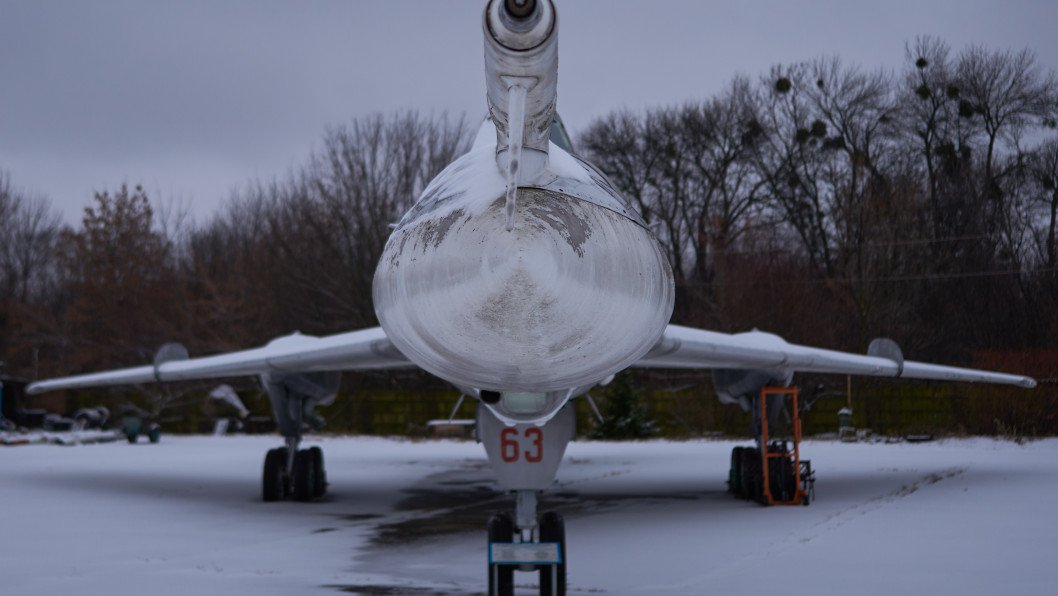
Today, Ukraine’s experience is viewed as a defining case in international security: a country that dismantled a massive nuclear arsenal to integrate into a rules-based international system—and was later attacked by one of the states that pledged to protect it.
Earlier, Ukrainian Foreign Minister Andrii Sybiha called the Budapest Memorandum a failed document that served only as a “grim reminder” of how not to resolve security issues. Marking its anniversary at NATO headquarters, he argued that Ukraine’s disarmament was exploited, while the promised guarantees collapsed.
Sybiha urged the West to abandon appeasement, embrace Ukraine’s full NATO membership, and adopt a “peace through strength” strategy to ensure European security.
Discuss this article:

-c439b7bd9030ecf9d5a4287dc361ba31.jpg "Photo of Katherina Popilnichenko")