- Category
- Latest news
Ukraine Slams NYT Journalist for Reporting From Russia’s Kursk Region With Chechen Troops
 Prefer U24 Media on Google
- Authors


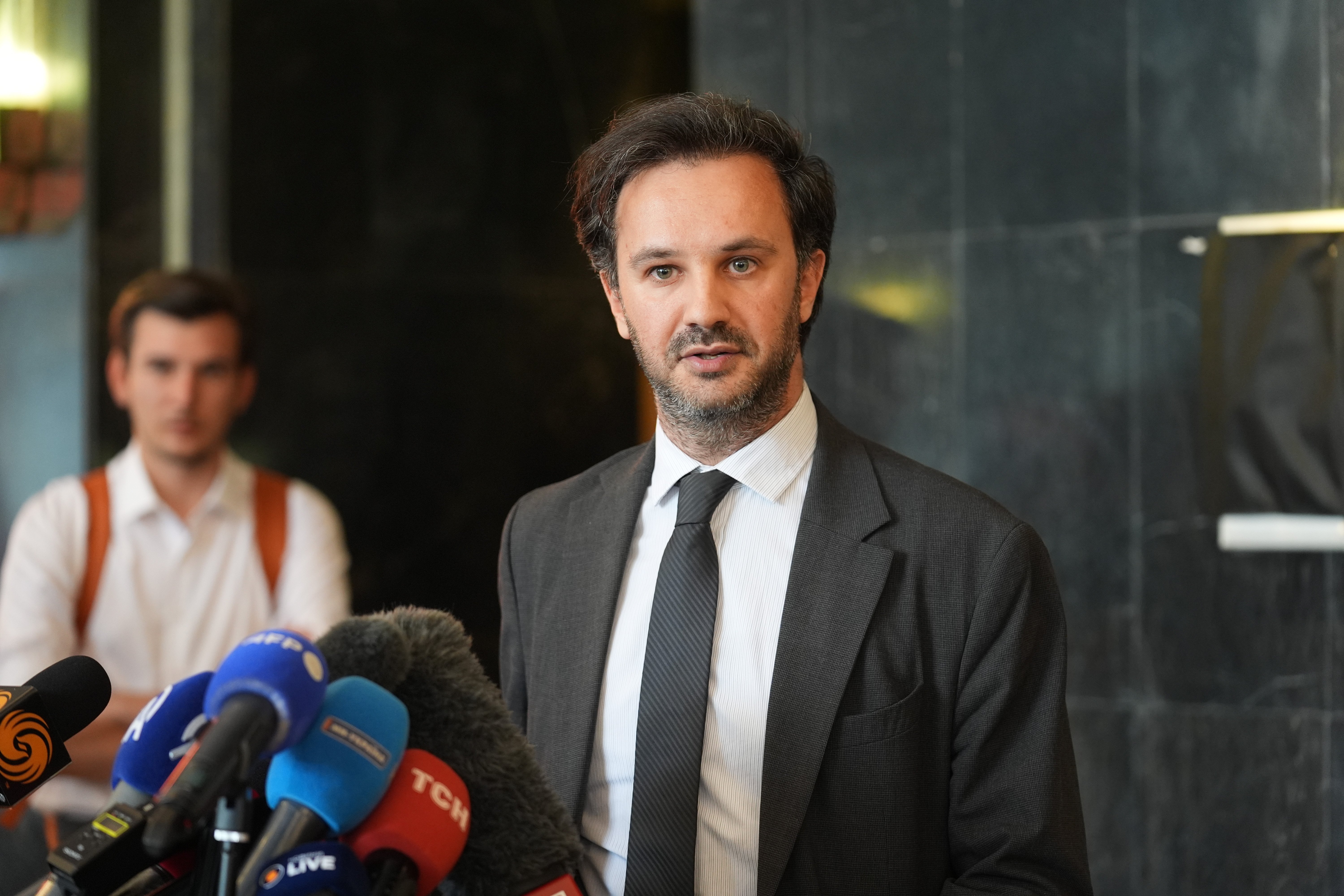
Ukrainian Foreign Affairs Ministry criticized The New York Times journalist Nanna Heitmann after publishing a July 12 article titled “A Landscape of Death: What’s Left Where Ukraine Invaded Russia,” Ukrainian Foreign Ministry spokesman Georgii Tykhyi wrote on July 12.
UPD. Editor’s note. The New York Times reached out to UNITED24 Media with an official response:
“I saw your coverage of the Ukrainian Foreign Ministry’s criticism of The New York Times reporting on Kursk and wanted to make sure you had our response to this criticism for inclusion in your reporting. The following statement can be attributed to spokesperson for The New York Times:
Our work documenting Russia during its invasion of Ukraine has offered a vital window into a country where reporting has become increasingly dangerous. It’s not propaganda to document the Ukrainian incursions into Kursk, or how the fighting between Ukrainian and Russian forces devastated a community. This story shows the experience of civilians and the consequences they face in war. Our role is to bear witness to the human toll of war and pursue the truth no matter where it leads.”
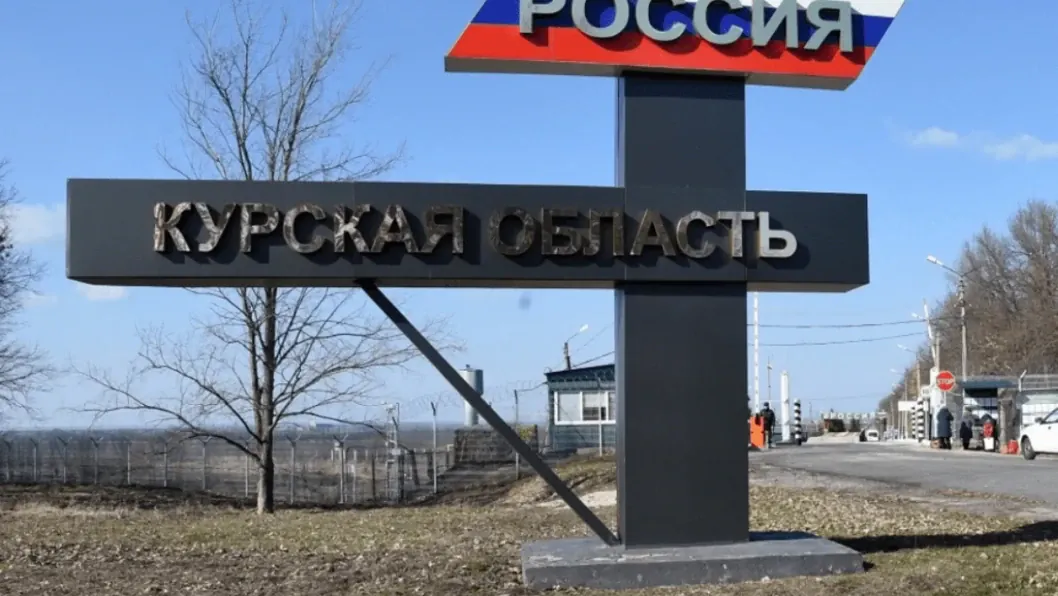
The article documents her six-day journey through Russia’s Kursk region alongside fighters from the notorious Chechen Akhmat special forces unit.
The piece begins by describing Ukraine’s “unexpected incursion into western Russia last summer” but does not explain the context or strategic motivations behind the limited cross-border raids. Only later does Heitmann note that vast areas of Ukrainian territory remain under Russian occupation.
Whoever at @nytimes thought it was smart to report alongside Russian war criminals made the dumbest decision. This isn’t balance or "the other side of the story." This is simply letting Russian propaganda mislead the audience. Sad to see Duranty-level manipulation return to NYT. https://t.co/YlIU0j2HH1
— Heorhii Tykhyi (@SpoxUkraineMFA) July 12, 2025
Much of the article centers on local life in the Russian town of Sudzha and the attitudes of residents toward the war.
Several quoted individuals repeat familiar Kremlin talking points, claiming NATO expansion sparked the war and suggesting Ukraine attacked Russian border towns out of frustration at being unable to strike Moscow.
The Ukrainian government sharply criticized the article. Tykhyi compared the piece to the discredited reporting of Walter Duranty, the NYT correspondent who infamously denied the Holodomor—the Soviet-engineered famine that killed millions of Ukrainians in the 1930s.
-b6013e0451ca4c734e6776477f8efb15.png)
“Whoever at The New York Times thought it was smart to report alongside Russian war criminals made the dumbest decision. This isn’t balance or ‘the other side of the story.’ This is simply letting Russian propaganda mislead the audience. Sad to see Duranty-level manipulation return to NYT,” Tykhyi wrote.
The Akhmat unit, whose members escorted Heitmann through the area, has been widely accused of war crimes and propaganda operations, often posting staged videos from Ukraine’s front lines. Critics say that embedding with such forces risks amplifying disinformation, especially when lacking proper context about the war’s origins and the scale of Russian aggression in Ukraine.
Earlier, a Ukrainian resistance agent from the Atesh movement reportedly destroyed a vehicle belonging to Russia’s Akhmat battalion during a nighttime sabotage operation in occupied Mariupol.
Discuss this article:


-c439b7bd9030ecf9d5a4287dc361ba31.jpg "Photo of Katherina Popilnichenko")