- Category
- Latest news
Ukraine’s Drone Blitz Plunges Russia Into Worst-Ever Fuel Crisis, Knock Out 38% of Refining Capacity
 Prefer U24 Media on Google
- Authors


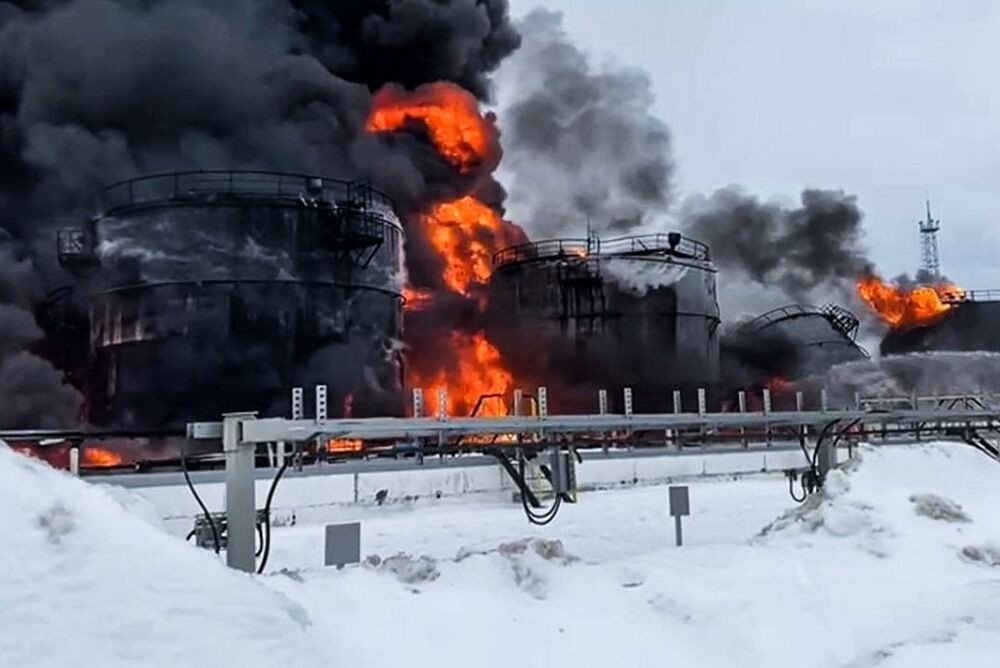
Ukrainian drones have struck at the heart of Russia’s energy sector, knocking nearly 40% of its oil refining capacity offline and forcing Moscow to confront its worst fuel crisis in decades.
Ukrainian drone strikes have crippled Russia’s oil refining industry, forcing an unprecedented wave of refinery shutdowns and triggering a nationwide fuel crunch, The Moscow Times reported on September 30.
By late September, nearly 38% of Russia’s oil refining capacity—around 338,000 tons of crude per day—was offline, according to data from the analytics firm Ciala.
Output of gasoline and diesel plunged by 6% in August and another 18% in September, with downtime at refineries hitting levels “without historical precedent.” The disruptions eclipsed the previous record set just a month earlier, when 23% of refining capacity was knocked offline. The latest figures also surpass earlier peaks in May 2022 and May 2020.
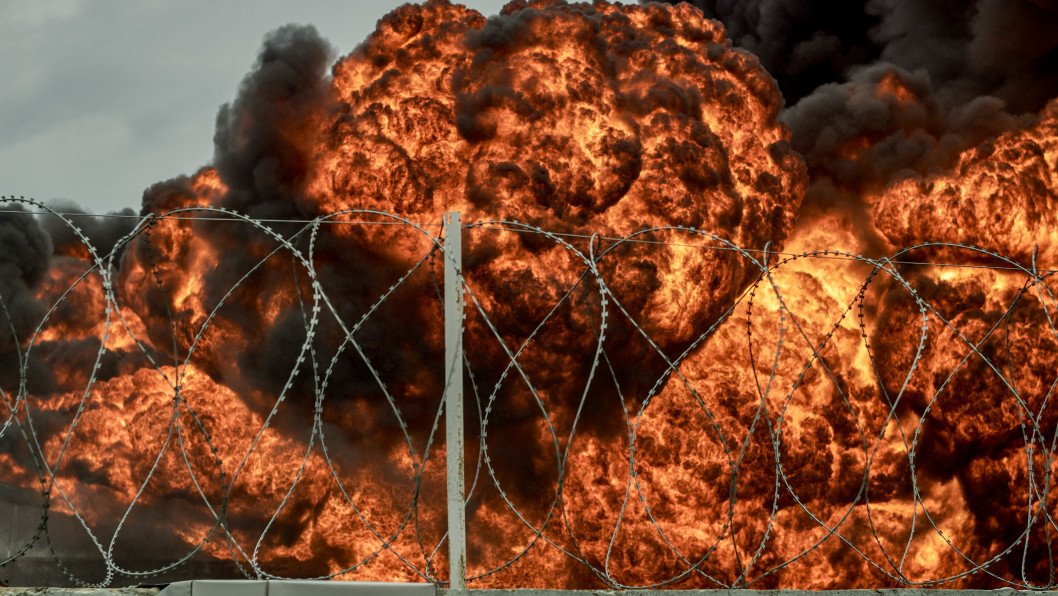
Ciala estimates that around 70% of the outages stem directly from drone strikes, which by the end of September had knocked out roughly one-quarter of Russia’s total refining capacity—about 236,000 tons per day.
In September alone, four major refineries were forced to halt operations after drone attacks, including the Kirishi “Kinef” plant in Leningrad region—the second-largest in Russia—and Rosneft’s Ryazan refinery, which ranks among the country’s top five.
The Kinef plant went offline on September 14, while the Ryazan facility was hit on September 5. Novokuibyshevsk refinery stopped processing on September 20, followed two days later by Gazprom’s Astrakhan gas processing plant.
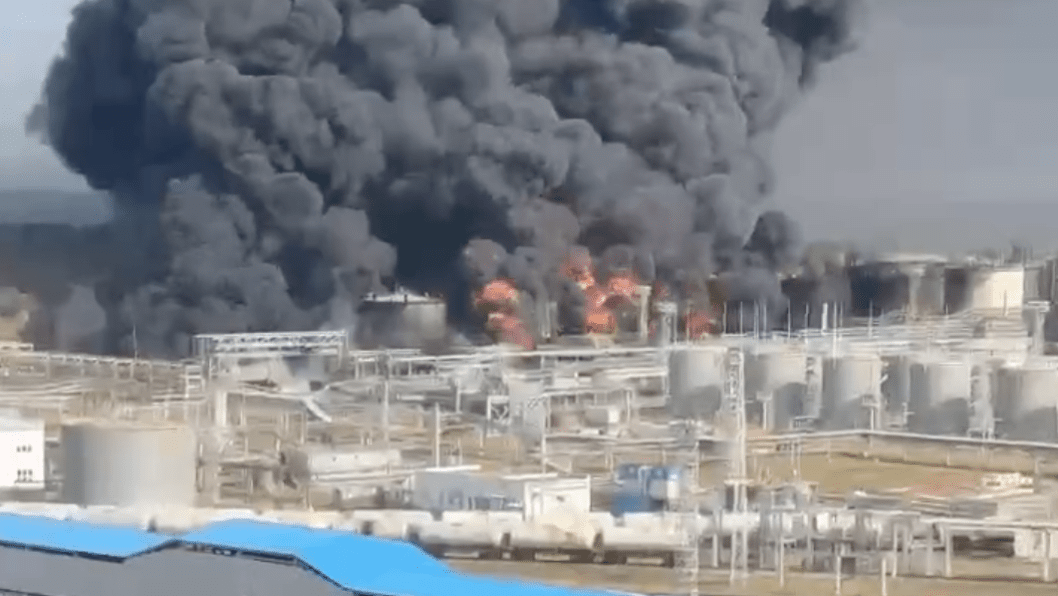
The impact on Russia’s domestic fuel market has been severe. Gasoline output dropped by 1 million tons in September, while shortages grew to cover as much as 20% of national consumption.
The hardest-hit regions are the Far East and occupied Crimea, where fuel stations this week limited sales to no more than 30 liters per customer. In total, more than 20 regions across Russia, from Sakhalin to Nizhny Novgorod, are now facing shortages.
Russian oil companies have little ability to stabilize the situation, economist Vladislav Inozemtsev noted. Repairs could take months, especially under sanctions that block access to Western equipment used to modernize refineries during the 2010s. “Chinese substitutes cannot easily replace this technology,” Inozemtsev said.
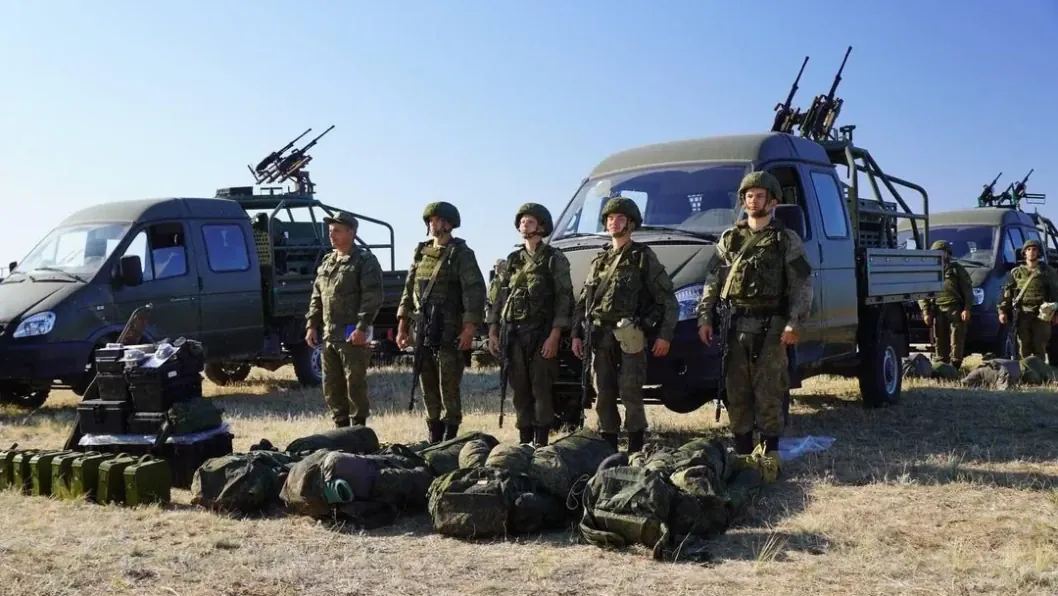
To contain the crisis, Moscow banned gasoline exports and moved to secure emergency imports, temporarily scrapping import duties on gasoline, diesel, and jet fuel within the Eurasian Economic Union. Authorities may even lower environmental standards to allow domestic refineries to produce more fuel.
The fuel crunch is already feeding inflationary pressures, warned Vladimir Chernov, an analyst with Freedom Finance Global. Wholesale fuel prices have surged more than 40% since January, while retail prices are climbing at 11–12% annually—the sharpest rise in seven years.
“The rising cost of fuel inevitably drives up expenses in agriculture, transportation, and logistics, translating into higher prices for food and essential goods,” Chernov explained.
Earlier, another major fire was reported at an oil refinery in Feodosia, located in Russian-occupied Crimea.
Discuss this article:



-c439b7bd9030ecf9d5a4287dc361ba31.jpg "Photo of Katherina Popilnichenko")