- Category
- Latest news
Ukraine’s New Ruta Missile Outsmarts GPS Jamming With Spanish Tech
 Prefer U24 Media on Google
- Authors




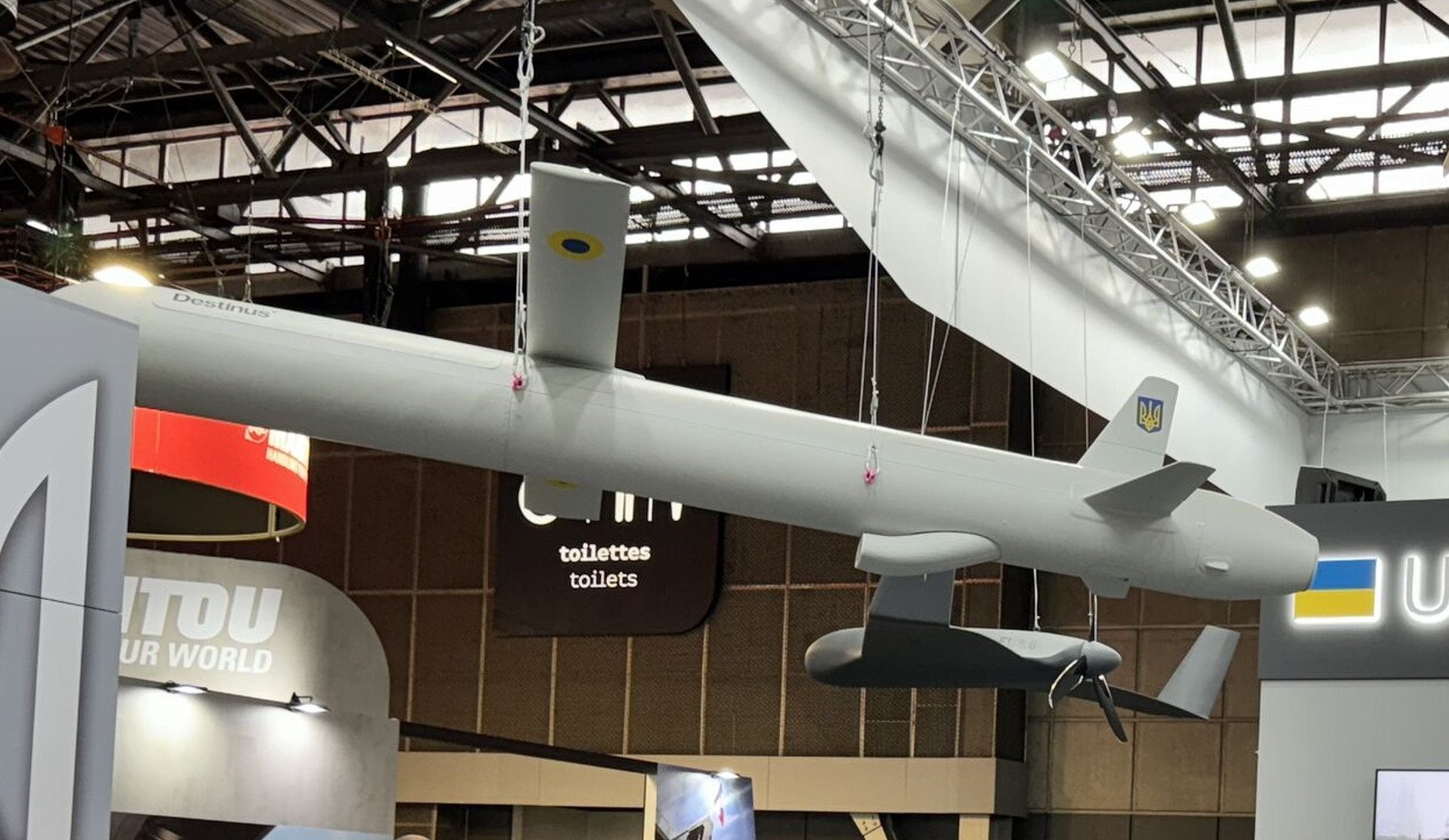
The Ukrainian-developed Ruta cruise missile is equipped with a high-precision guidance system based on Spanish technology, according to Infodefensa on November 1.
The system is designed to maintain accuracy even under conditions of signal jamming and spoofing.
According to Infodefensa, the navigation system integrated into the Ruta missile was developed by UAV Navigation, a subsidiary of the Spanish defense technology group Grupo Oesía.
The company is responsible for the design, integration, and testing of the CNG (compass, navigation, and guidance) system used in the missile.
The Ruta missile has demonstrated its performance in real-world combat scenarios, including operations in environments with disrupted satellite signals.
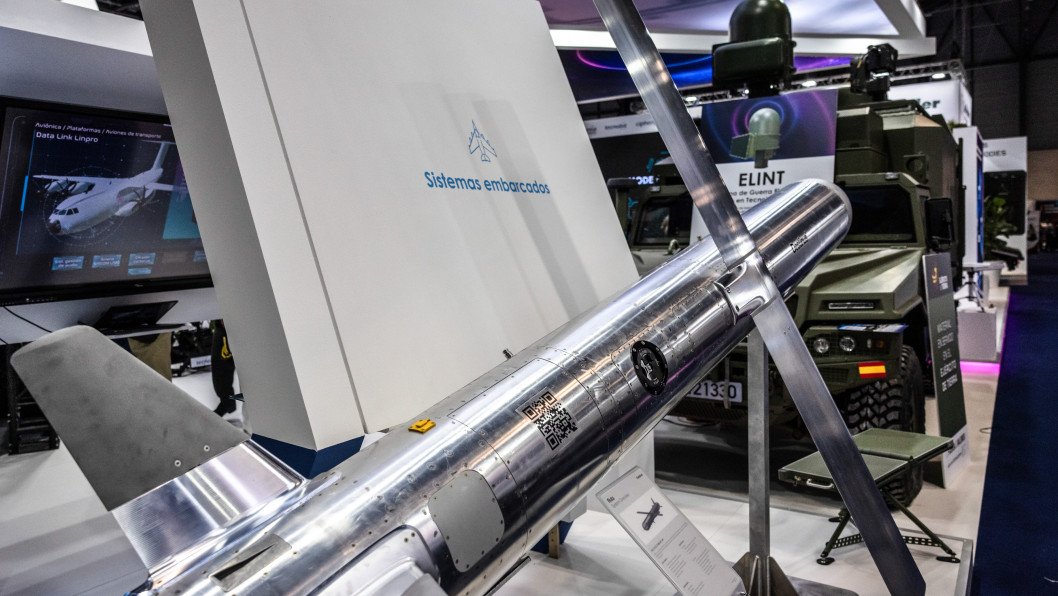
The Spanish-developed CNG system enables the missile to operate autonomously, carry out target acquisition, and perform terminal optical guidance in GNSS-denied zones.
The missile is also capable of participating in coordinated swarm operations—allowing multiple units to carry out synchronized maneuvers to bypass enemy air defenses. According to the manufacturer, Ruta can adapt to changing battlefield conditions and integrate with existing Ukrainian command platforms.
Ruta is a cruise missile developed by Destinus, a European aerospace company with facilities in Spain and Switzerland.
Known for its work in hypersonic research, Destinus presented the missile at the Eurosatory 2024 defense exhibition in France, where it was displayed with Ukrainian national symbols.
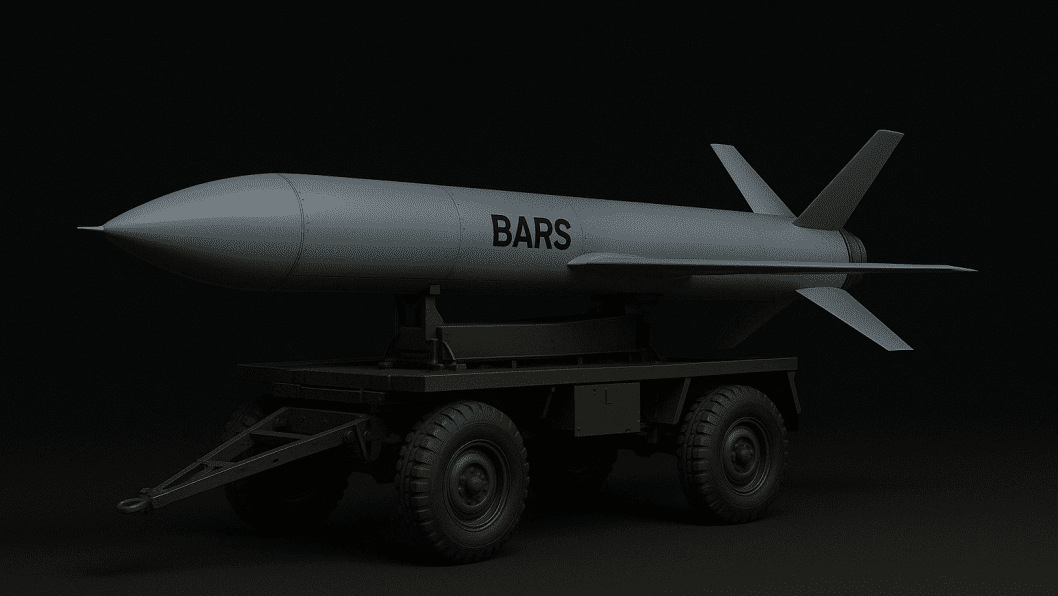
Unlike traditional long-range weapons, Ruta blends characteristics of a drone and a missile. It features an internal combustion engine for long-range propulsion and is believed to have stealth elements that reduce its radar cross-section. The missile can navigate complex flight paths at low altitude, making it suitable for contested environments.
While detailed specifications remain classified, open-source analysis suggests Ruta has a modular architecture and may support various payloads, including anti-ship and land-attack configurations.
Earlier, Ukraine’s Naval Forces confirmed that R-360 Neptune missiles were used to strike Russian energy facilities in Bryansk and Oryol, disabling infrastructure linked to military logistics and defense production. Originally developed as an anti-ship weapon, the Neptune has since been adapted for land-attack missions deep inside Russian territory.
Discuss this article:




-80134f2dc17b4a887d01513a1c7bc929.png "Illustration of Russian military infrastructure targeted by Ukrainian strikes in temporarily occupied eastern Ukraine. (Source: General Staff of the Armed Forces of Ukraine)")