- Category
- Latest news
US Army to Build a Million Drones: Lessons From Ukraine, Competition With China
 Prefer U24 Media on Google
- Authors




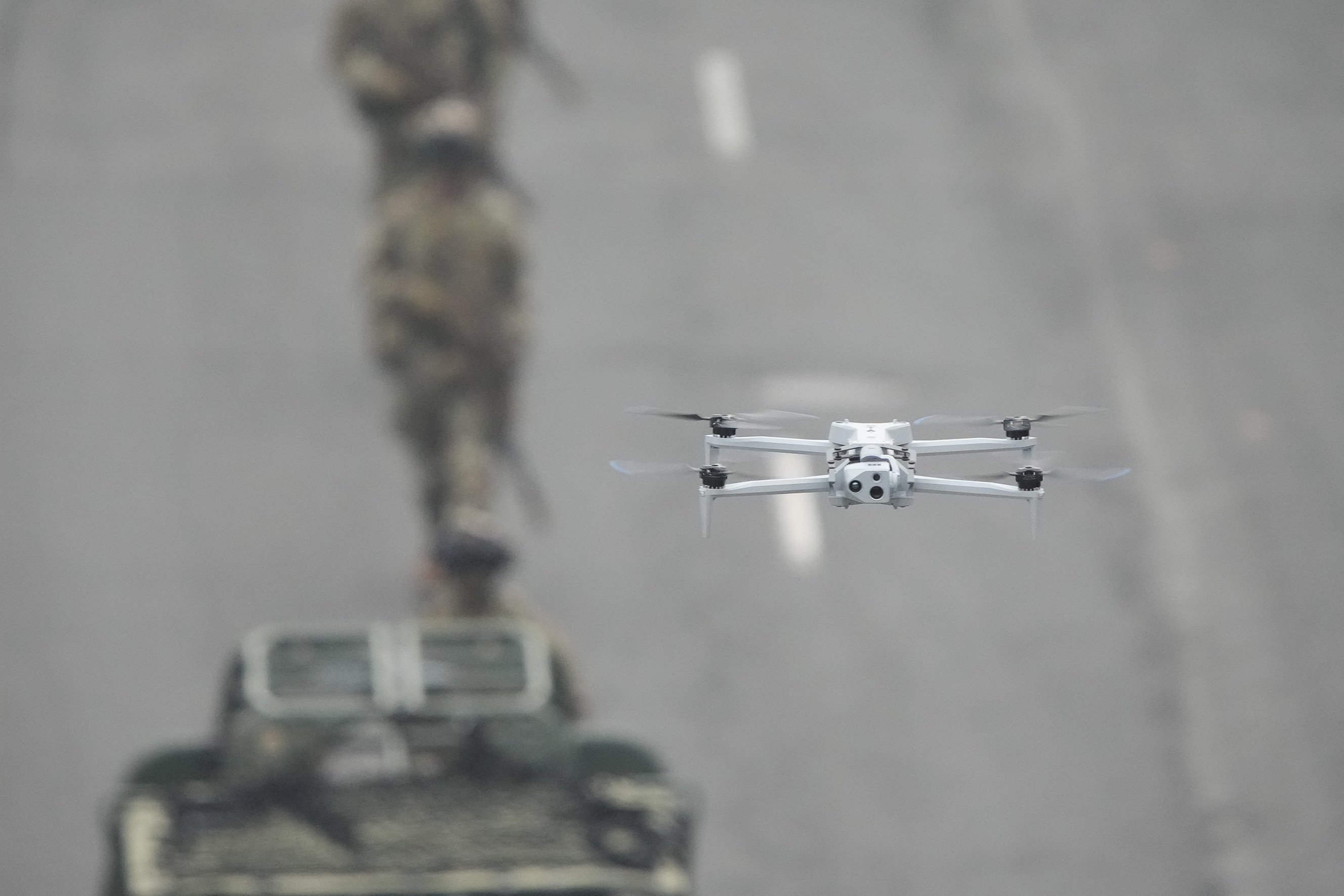
The US Army plans a major expansion of its drone force: Secretary of the Army Daniel Driscoll said the service aims “to purchase at least a million drones within the next two to three years” and could buy anywhere from a half-million to multiple millions annually thereafter. The shift frames drones as expendable assets, drawing on lessons from Ukraine and the speed of China’s production, while emphasizing domestic manufacturing and rapid deployment.
In an interview to Reuters, Driscoll outlined the dramatic ramp-up needed—noting the Army currently acquires only about 50,000 drones a year—and acknowledged the difficulty of the task. “It is a big lift. But it is a lift we're very capable of doing,” he said.
Speaking by phone while visiting Picatinny Arsenal, Driscoll described observing experiments with “net rounds,” defenses that capture drones in nets, along with new explosives and electromagnetic tools being integrated into weapon systems. He and Picatinny’s commander, Major General John Reim, told Reuters the United States is drawing lessons from Russia’s war in Ukraine, which has featured drone deployments on an unprecedented scale.
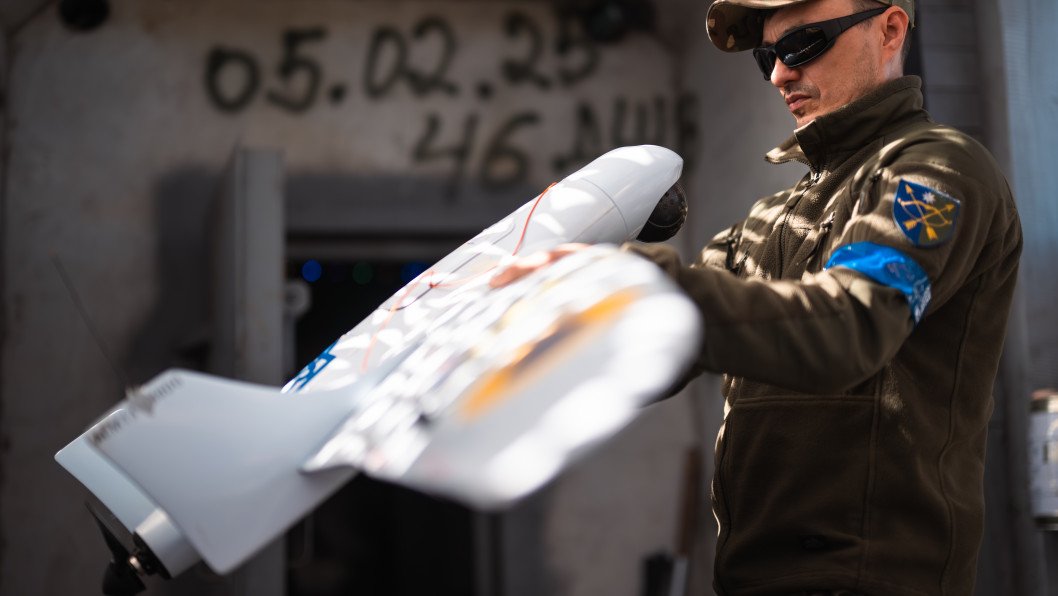
Small, inexpensive drones have become one of the most potent weapons in the war, where conventional warplanes are relatively rare because front lines are saturated with anti-aircraft systems. Driscoll said Ukraine and Russia each produce roughly 4 million drones a year, while China can likely produce more than double that number.
Driscoll’s priority is to ensure the United States can manufacture enough drones for any future conflict—stimulating domestic production of components from brushless motors and sensors to batteries and circuit boards, many of which are currently manufactured in China.
He said the Army wants to be able to activate a deep, robust supply chain quickly.
“And we expect that at the end of one or two years from today, we will know that in a moment of conflict, we will be able to activate a supply chain that is robust enough and deep enough that we could activate to manufacture however many drones we would need.”
Driscoll also wants to shift how the Army thinks about drones—treating many as expendable ammunition rather than as an “exquisite” piece of equipment.
The Pentagon has faced challenges scaling up drone production, Reuters noted. In 2023, it launched the Replicator initiative to field thousands of autonomous drones by August 2025, though no recent updates have been released. In July, Defense Secretary Pete Hegseth said he was “rescinding restrictive policies” that had limited production, and Reuters reported that the Pentagon’s DOGE unit is now leading efforts to overhaul the drone program and procure tens of thousands of low-cost drones in the coming months.
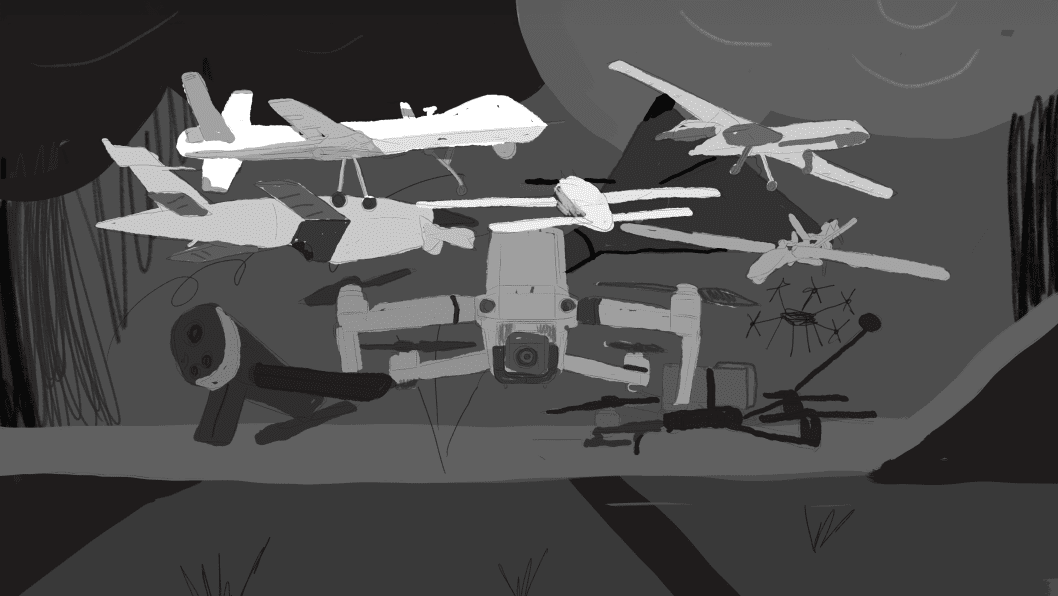
Some lawmakers have proposed legislation directing the Pentagon to build a Texas facility capable of producing up to 1 million drones per year. Driscoll, however, said he prefers to spread funding across multiple producers rather than rely on a single factory.
Rather than partnering only with large defense contractors, the Army wants to work with companies building drones for commercial uses as well. “We want to partner with other drone manufacturers who are using them for Amazon deliveries and all the different use cases,” he said.
Chinese imports currently account for the bulk of US commercial drone sales, with more than half coming from DJI, the world’s largest drone maker. Driscoll said he is confident the Army can secure the funding needed for the buildup and noted the service has already begun divesting some older weapons systems—a sensitive process that often requires buy-in from lawmakers reluctant to cut programs that benefit their districts.
“Drones are the future of warfare, and we've got to invest in both the offensive and defense capabilities against them,” Driscoll said.
Previously, Ukrainian long-range drones hit one of Russia’s largest oil refineries overnight on November 11, igniting a fire at the Rosneft-owned Saratov refinery, according to Andrii Kovalenko, head of Ukraine’s Center for Countering Disinformation.
Discuss this article:
-8321e853b95979ae8ceee7f07e47d845.png)


-c439b7bd9030ecf9d5a4287dc361ba31.jpg "Photo of Katherina Popilnichenko")