- Category
- Latest news
Why Poland Is Looking at Super Tucano After Russian Drones Breached Its Airspace
 Prefer U24 Media on Google
- Authors




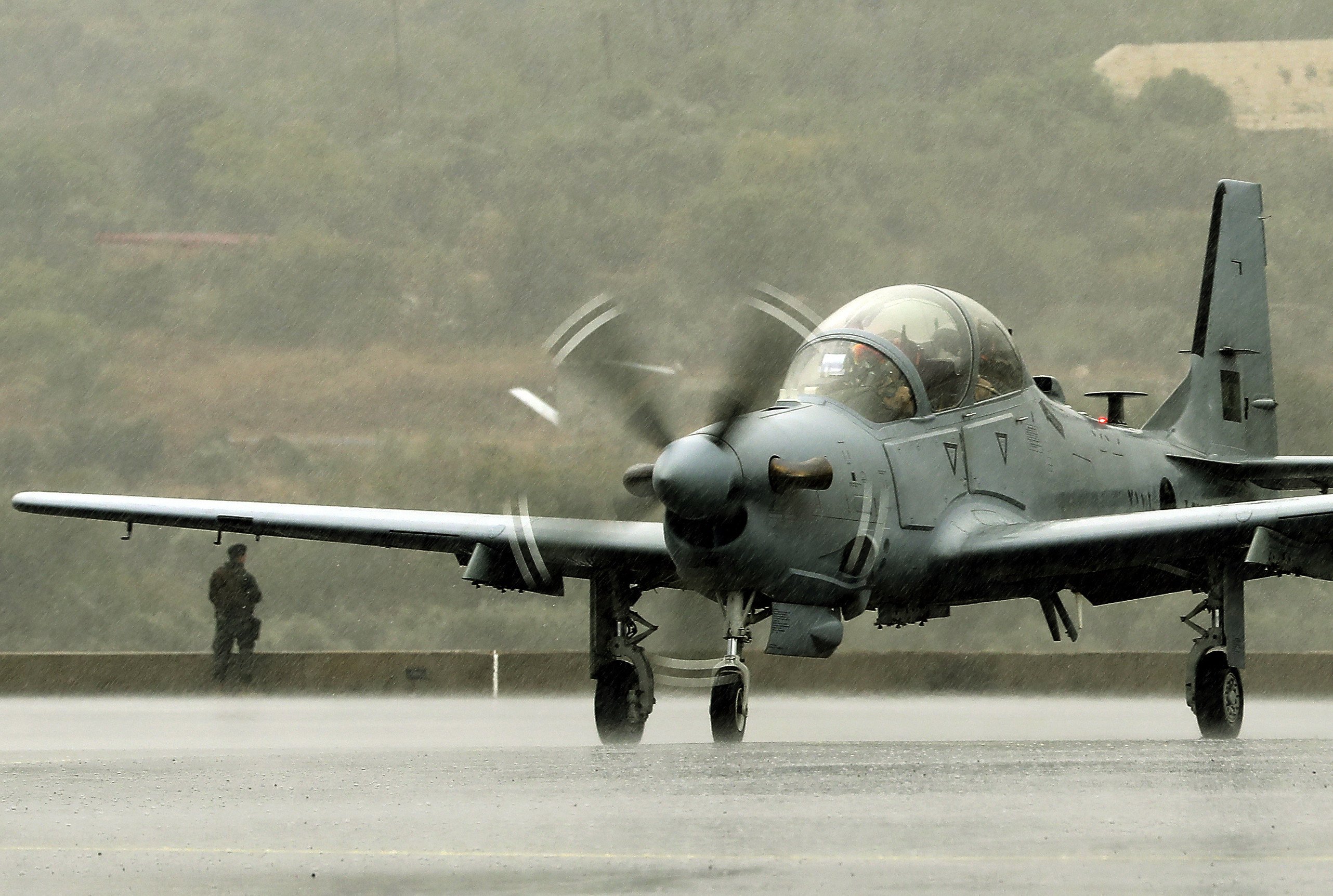
Poland is weighing new airborne options to counter Shahed-type attack drones, a move that comes amid growing concern over unmanned threats following a recent Russian drone violation of Polish airspace, according to Polish outlet Defence24 on January 26.
Polish military officials have evaluated Brazil’s A-29 Super Tucano light attack aircraft and the C/KC-390 Millennium transport plane as potential assets for the Polish Armed Forces.
We bring you stories from the ground. Your support keeps our team in the field.
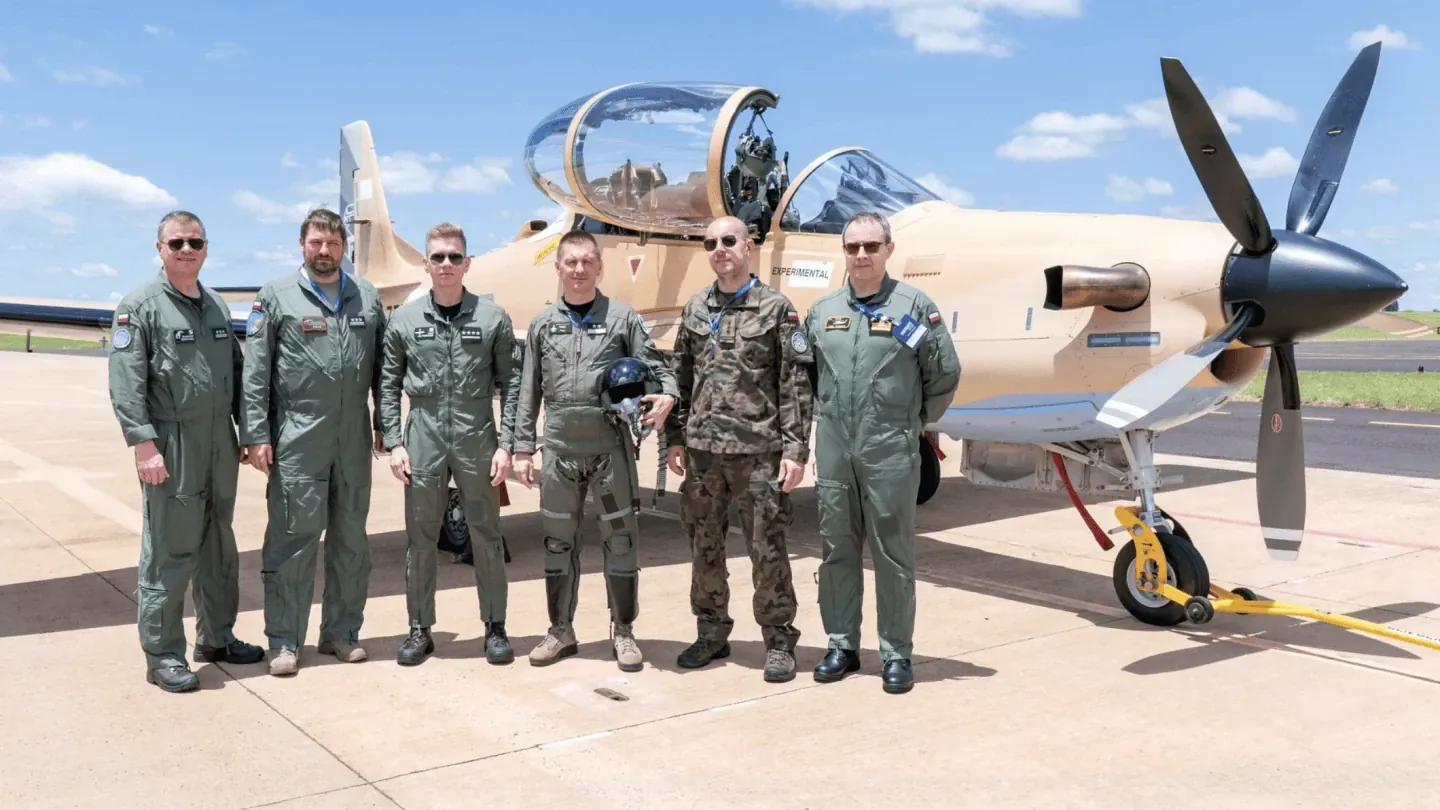
The assessment followed a mid-January visit by a Polish delegation to facilities operated by Embraer Defense & Security in Brazil. The group included Polish Air Force officers and was led by Deputy General Commander Major General Ireneusz Nowak.
During the visit, Polish personnel conducted familiarization flights on both the Super Tucano and the KC-390, reviewed production lines, and received detailed briefings on performance, configuration options, pricing, and operating costs.
Today, Embraer delivered the first five A-29N Super Tucanos to the Portuguese Air Force and signed a Letter of Intent for potential establishment of an A-29N assembly line in Portugal, the first country to operate the NATO’s A-29 configured aircraft. Watch now to learn more. pic.twitter.com/PCV9tVmkN7
— Embraer (@embraer) December 17, 2025
While the KC-390 was assessed primarily for airlift needs, the Super Tucano drew attention for a different reason: its potential role in countering slow, low-flying one-way attack drones, a category that includes Shahed systems widely used by Russia.
The Super Tucano has historically been associated with counterinsurgency missions and had not been a priority for Warsaw. For similar reasons, Poland previously declined to develop an armed variant of its PZL-130 Orlik trainer, Ukrainian outlet Militarniy noted.
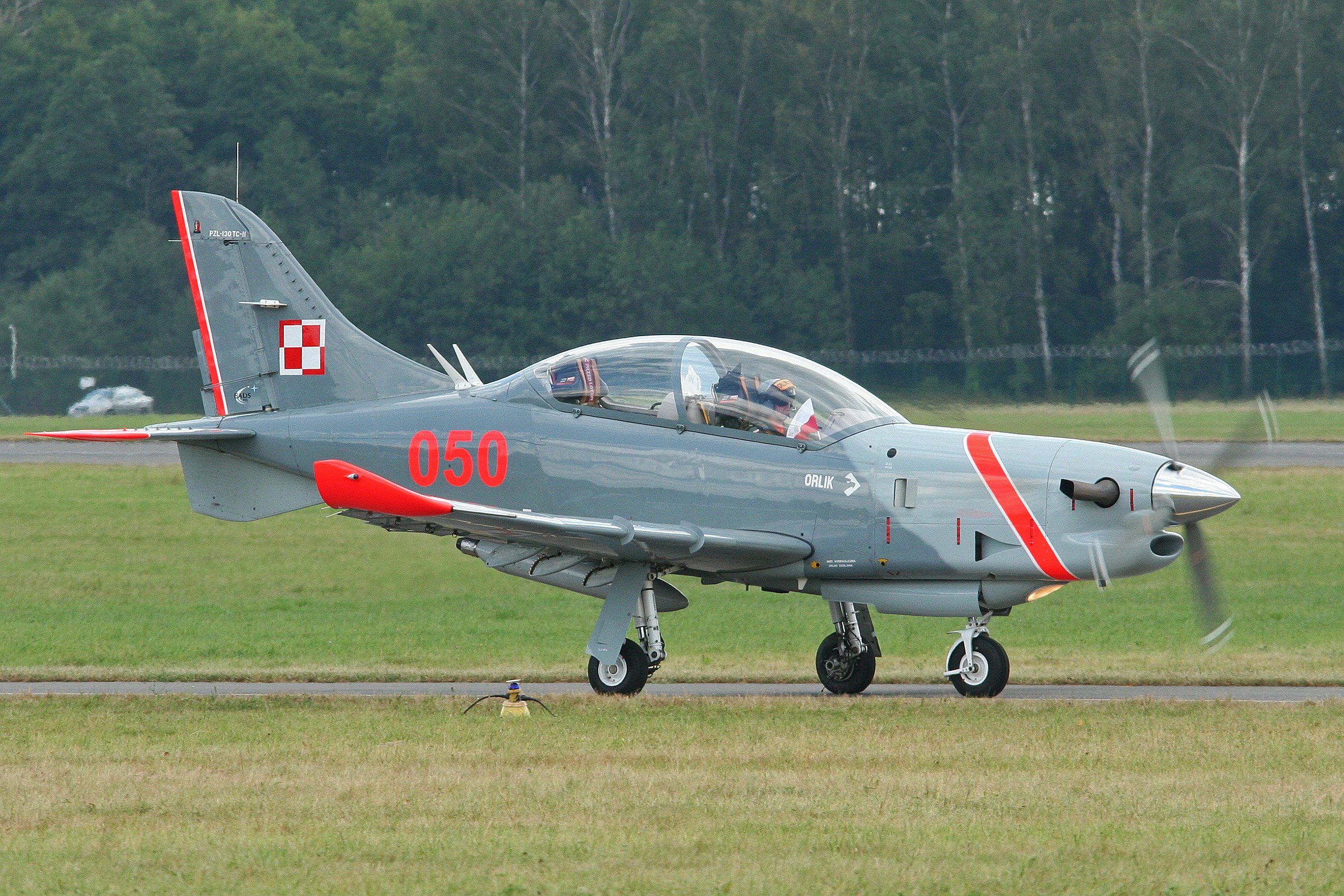
That calculus is changing. Embraer is now promoting the Super Tucano as a cost-effective counter-drone platform, capable of detecting, tracking, and engaging large suicide drones using onboard sensors and conventional weapons—at a fraction of the cost of fighter aircraft or surface-based interceptors.
This pitch aligns with Poland’s evolving air defense priorities, shaped by lessons from Ukraine and reinforced by recent incidents involving Russian drones approaching or briefly entering NATO airspace.
The Embraer military multi-mission aircraft KC-390 Millennium is at static display at the @DubaiAirshow 2025. Showcasing its remarkable new livery, this tactical transport aircraft is an unbeatable combination of high productivity and flexible operation. pic.twitter.com/uDHpkn8EwH
— Embraer (@embraer) November 18, 2025
Separately, Poland is evaluating the KC-390 Millennium in the medium transport category, where it is being compared with the C-130J-30. The Brazilian aircraft uses engines derived from the Airbus A320 family, a factor cited for potential maintenance and logistics advantages. Its estimated unit cost is around $85 million.
As part of the visit, Polish officials also met with representatives of the Portuguese Air Force, one of the key European operators of the KC-390. Portugal has ordered six aircraft and acts as a reseller of the platform.
No procurement decision has been announced. Still, the evaluation signals a notable shift in Polish thinking: Shahed-type drones are no longer viewed as a distant battlefield problem, but as a direct airspace and homeland defense challenge.
As Russia’s use of long-range attack drones continues—and as NATO states face spillover risks—the search for flexible, affordable counter-drone solutions is increasingly shaping air force modernization plans in Eastern Europe.
Previously, Poland’s military said it had wrapped up air operations after eight Russian drones entered the country’s airspace overnight, triggering a joint response with NATO allies. Poland’s military thanked NATO Air Command and the Royal Netherlands Air Force, whose F-35 fighters helped patrol Polish skies during the incident.
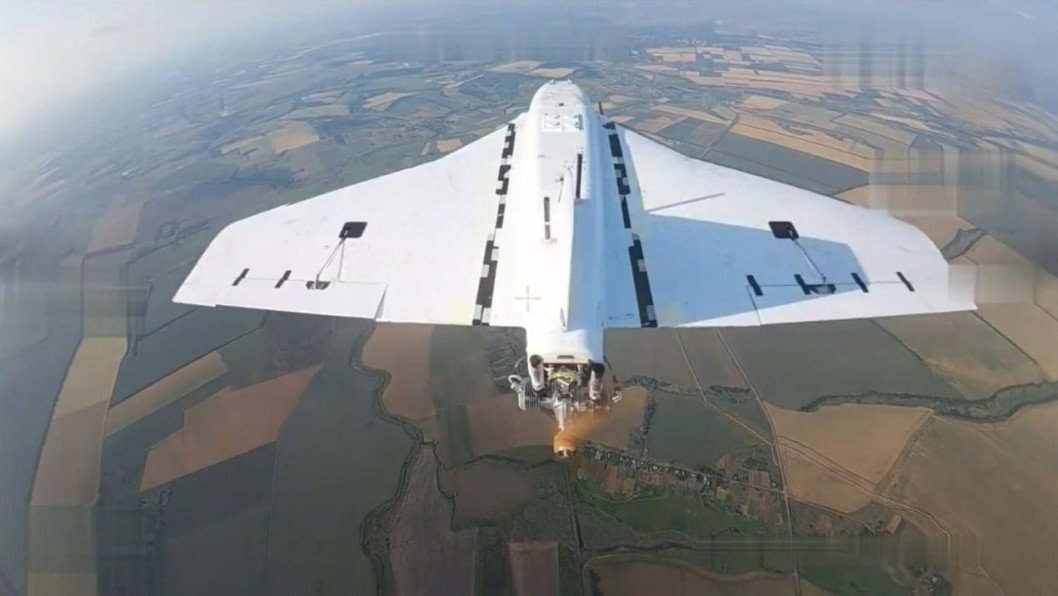
Commenting on the incident, Ukrainian President Volodymyr Zelenskyy said, “Today there was another step of escalation–Russian-Iranian ‘shaheds’ operated in the airspace of Poland, in NATO airspace. It was not just one ‘shahed’ that could be called an accident, but at least eight strike drones aimed toward Poland.”
Earlier, reports emerged that Romania will soon bring the US-made Merops counter-drone system into operational service for airspace defense, becoming the second NATO member known to have procured the pickup-truck-launched interceptor after Poland.
Discuss this article:



-c439b7bd9030ecf9d5a4287dc361ba31.jpg "Photo of Katherina Popilnichenko")