- Category
- Latest news
Why Ukraine’s F-16 Pilots Abandoned NATO Playbooks Near the Front Line
 Prefer U24 Media on Google
- Authors


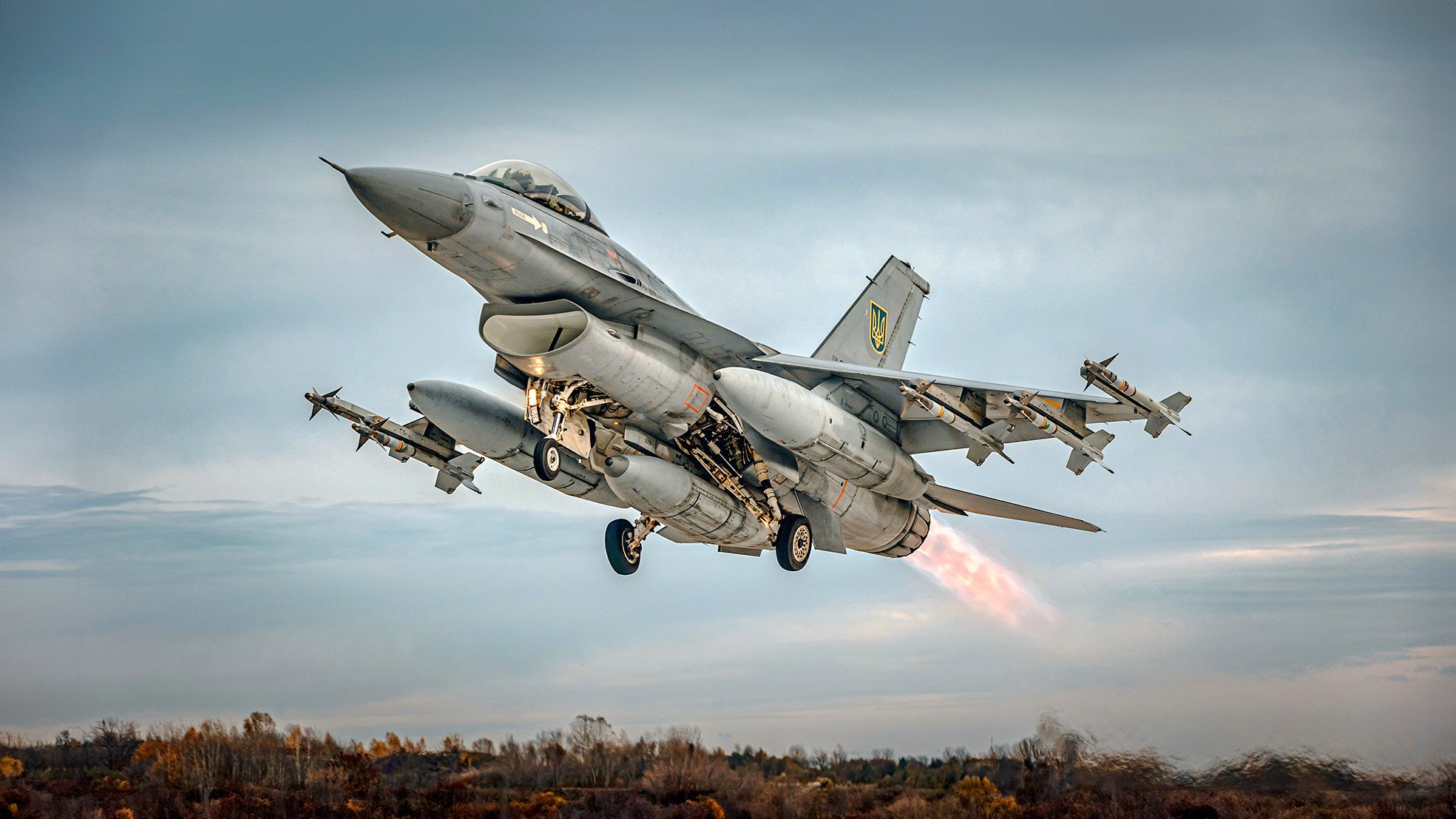
The air combat tactics Ukrainian pilots were taught during F-16 training abroad proved poorly suited to the realities of the war against Russia, forcing aircrews to independently develop new approaches once they returned home.
One Ukrainian F-16 pilot described the challenge in a recent video released by the Ukrainian Air Force on January 5.
We bring you stories from the ground. Your support keeps our team in the field.
“When we came back home from training, we faced reality: the tactics we were taught abroad were not entirely suitable for the war we are fighting,” the pilot said. “Because those tactics are based on wars our partners fought in the past. And this war is fundamentally different.”
As Ukrainian defense outlet Militarnyi notes, most pilots in the first F-16 groups were already combat-experienced aviators. Even so, they found that established Western doctrines did not fully translate to an environment saturated with Russian air defenses and fighter patrols.
Upon returning to Ukraine, pilots were forced to rethink how to operate near the front line—how to intercept cruise missiles and attack drones, and how to survive contested airspace close to active combat zones.
“We had to sit down and rethink how we would operate—how we would destroy cruise missiles, attack drones, and how we would fight the enemy near the line of contact,” the pilot explained.
✈️ Under the Wings of the F-16: Ukrainian Air Force crews keep the Fighting Falcon mission-ready on frontline airstrips.
— Ukrainian Air Force (@KpsZSU) November 18, 2025
🇺🇦 Together to Victory! pic.twitter.com/ilNjnB6gE7
According to the pilot, the front line is densely covered by Russian surface-to-air missile systems and combat aviation. The most serious threats come from Russian fighters such as the Su-35, Su-57, and MiG-31. Nearly every sortie toward the front involves hostile missile launches against Ukrainian aircraft, most often air-to-air missiles.
“They can remain on combat air patrol, waiting for our strike groups to approach at higher altitudes,” he said. “Unfortunately, we don’t have that luxury. That’s why we’re forced to fly lower to reduce the threat from surface-to-air missile systems.”
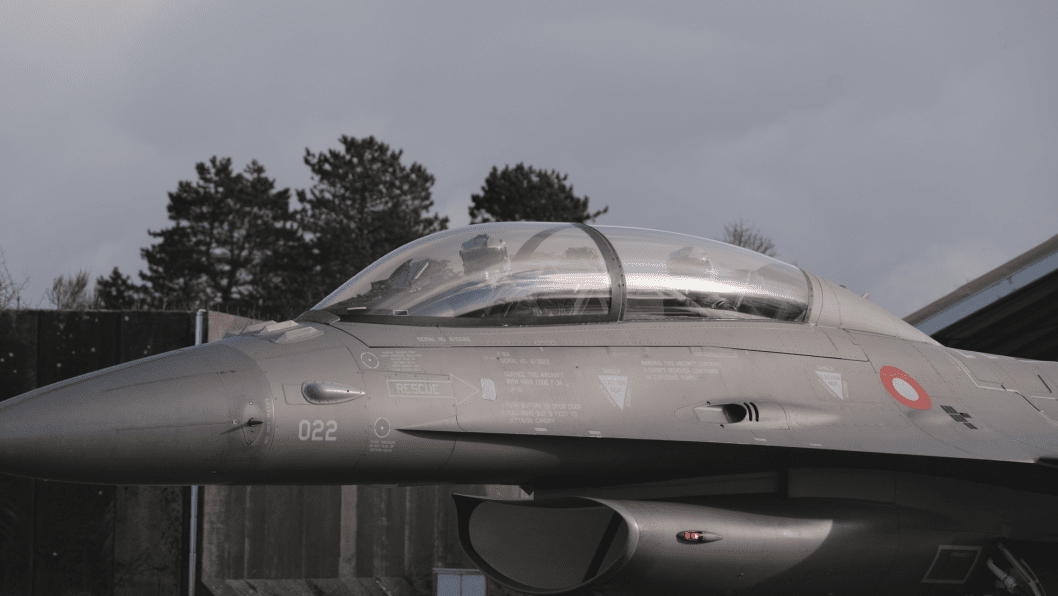
As Militarnyi emphasizes, this has pushed Ukrainian pilots toward low-altitude, highly maneuverable flight profiles. Flying close to the ground complicates target acquisition for enemy radars and missile seekers, which struggle to track aircraft against terrain clutter and background noise.
In some cases, F-16 pilots assigned to escort missions deliberately expose themselves to enemy aircraft to draw fire, forcing Russian fighters to expend missiles and creating a window for strike aircraft carrying precision-guided bombs to reach their targets.
“But the main limiting factor for us was the air threat—it prevented us from approaching the target,” the pilot recalled.
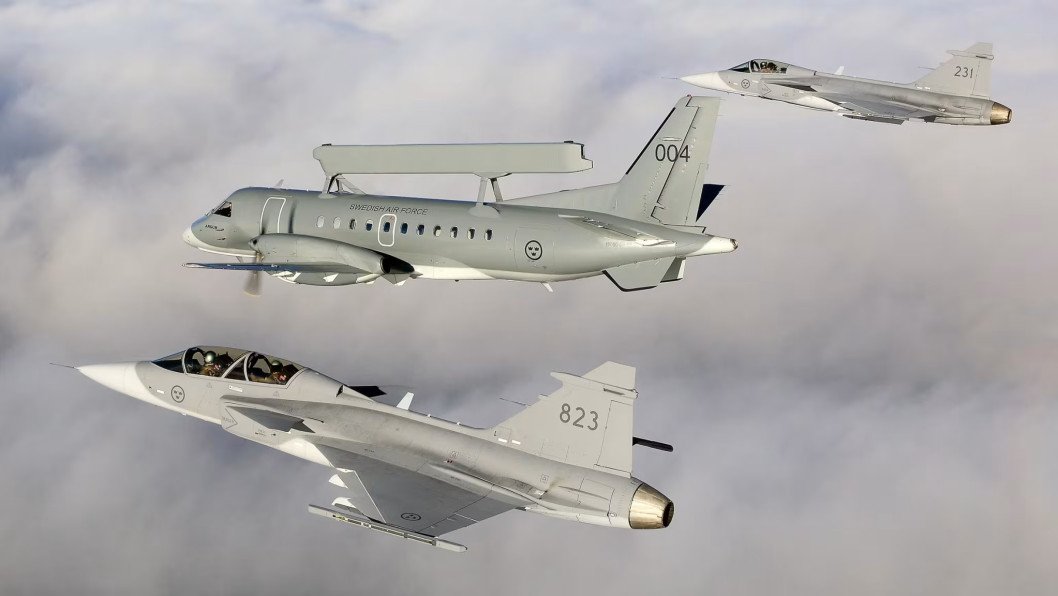
“We operated as a three-ship formation and forced the enemy to launch two missiles from different directions. As a result, we enabled our strike aircraft to destroy the target, and the entire group returned safely to base—to our families, to our squadron,” he added.
Defense analysts from Militarnyi say these accounts highlight how Ukraine’s air war has diverged sharply from the conflicts that shaped NATO doctrine.
Rather than relying on established playbooks, Ukrainian pilots are adapting in real time—developing tactics shaped by constant missile threats, dense air defenses, and an enemy that contests every kilometer of airspace near the front.
Earlier, reports emerged that F-16 Fighting Falcon fighters supplied to Ukraine as part of Western military aid were flying roughly 80% of the Ukrainian Air Force’s combat sorties.
Discuss this article:

-c439b7bd9030ecf9d5a4287dc361ba31.jpg "Photo of Katherina Popilnichenko")