- Category
- Life in Ukraine
And Then Russia Invaded: Christmas In Ukrainian Cities Before the Full-Scale War
“What was once a place of happiness became a site of tragedy,” says Daryna, a Mariupol native. For thousands of Ukrainian families, 2022 was the last time they celebrated winter holidays at home. Soon after, Russia launched its full-scale war, and those homes were occupied or destroyed—sometimes both.
 Prefer U24 Media on Google
- Authors

-73e9c0fd8873a094288a7552f3ac2ab4.jpg "Photo of Olena Blizniakova")
Traditionally, Christmas and the New Year holidays are considered a time for family—for entire generations to gather in their homes and share joy, laughter, and gifts. But for many Ukrainian families, the winter of 2022 became a dividing line between before and after. Here, they recall the last holidays they spent in their hometowns, places they are currently unable to return to.
Daryna Fedenko and the Theater square where the lights went out
“‘Today I’m at my mom’s place. Ania is at work. We’re playing board games with the kids. In the evening, I’ll go visit my godmother.’ I found this old message in my chat with my husband. It was January 5, 2022. The next day, we would all gather around the Christmas table.
It would be my last Christmas at home. The last time I was with the people I love [all of Daryna’s family has now moved from Mariupol—ed.]. The last time I enjoyed the taste of home and my native city.
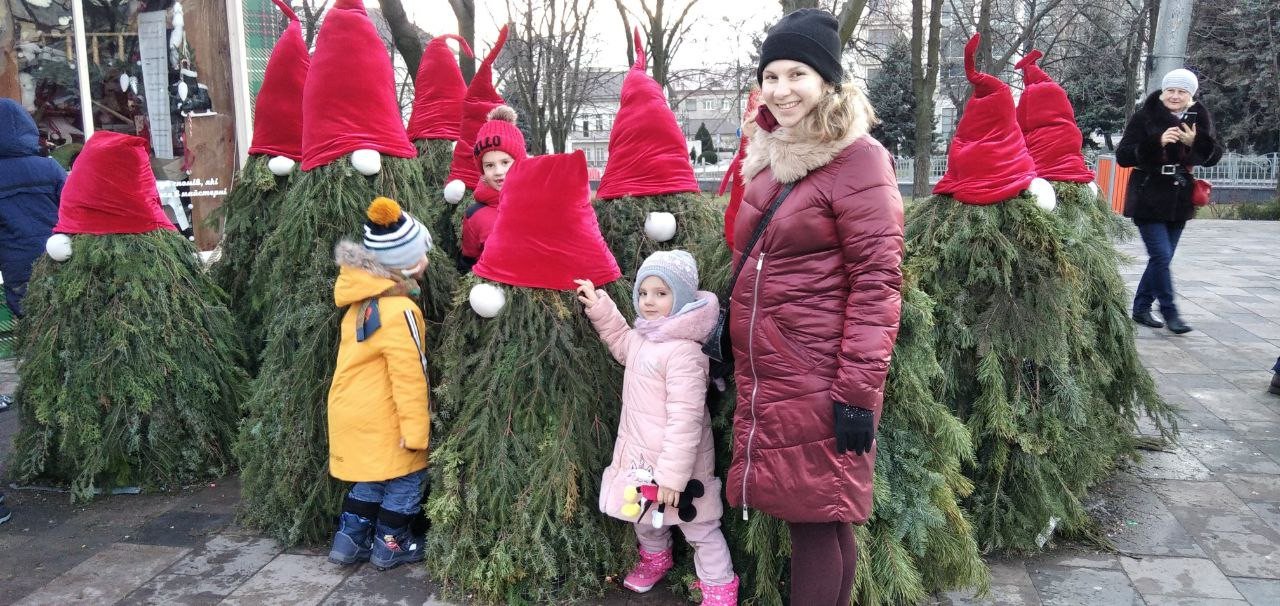
In January 2022, I was five months pregnant. I traveled home to Mariupol from Kyiv. It was a happy trip. I saw friends and relatives, played with my nieces and nephews. On Christmas Eve, we gathered with my godchildren and sang Shchedryk . My mom prepared the twelve traditional dishes. The next day, we took a walk through the city center.
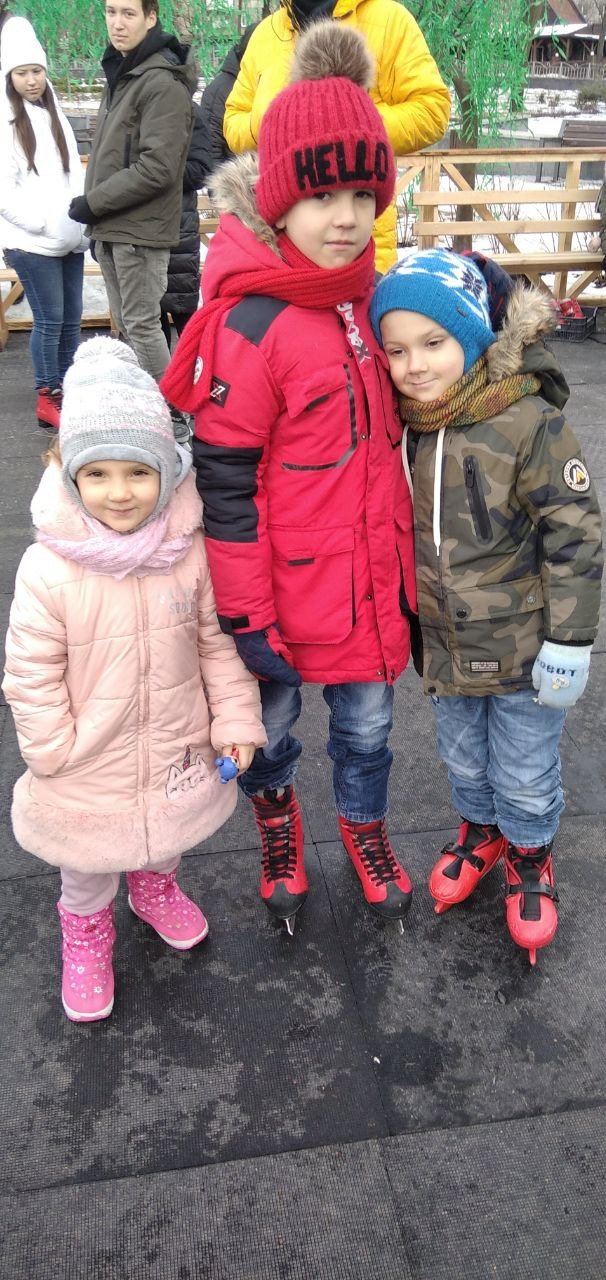
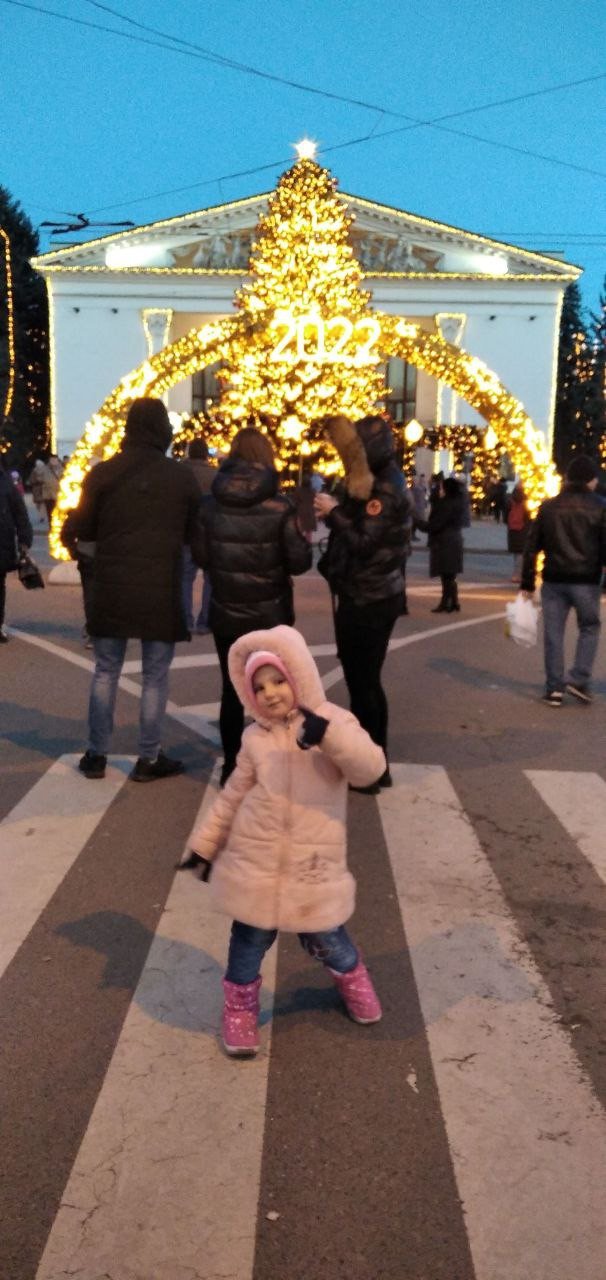
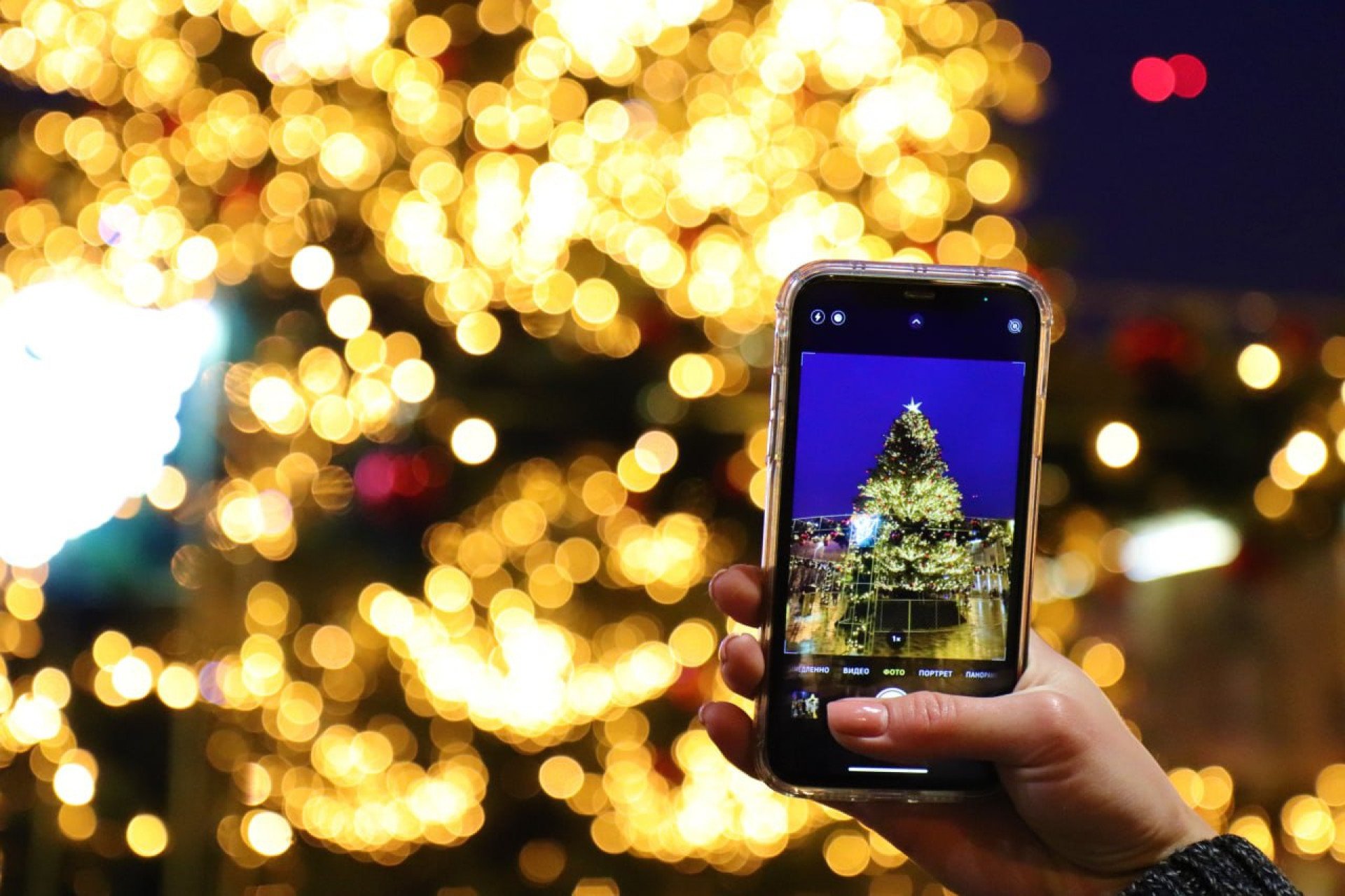
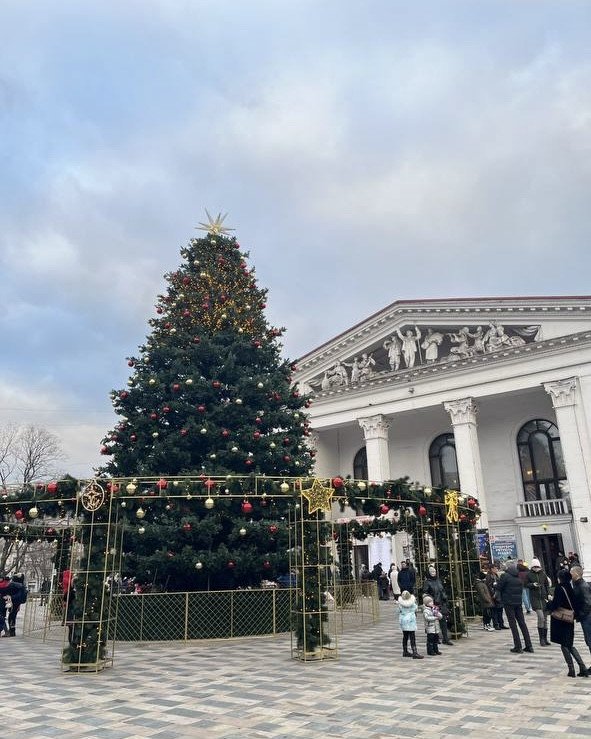
There were festive lights, reindeer figures, an ice rink, and the Drama Theater was all dressed up. You could feel the holiday atmosphere in Mariupol right in the heart of the city. Theater Square was always beautifully decorated. It was a place for meeting friends, taking photos, relaxing, and having a good time. In recent years, the ice rink was free of charge—it was where my nephews first learned to skate. My niece never got the chance. She would have been old enough for the rink by Christmas 2023, but she never got the chance.”
What was once a place of happiness became a site of tragedy when the Russian forces dropped a bomb on the Drama Theater, where civilians had been sheltering.
Daryna Fedenko
Violetta Khankevich and the photographs her grandmother left behind
“For the eight years before the full-scale invasion, I lived in Kyiv, where I studied at university and later worked. Yet in all those years, I never celebrated a single holiday in the capital—not one Christmas, not one New Year. When I left Mariupol, I had enrolled in Donetsk National University in 2013, but one year later, I was forced to leave and continue my studies in Kyiv. As far as I could tell, it seemed that many people started moving to Mariupol from 2014—and the city truly flourished. Back then, Mariupol began to actively develop. It was deeply moving for me to watch the city change.
I would look at my friends, look at the city, and think: why did I even move away?
Violetta Khankevich
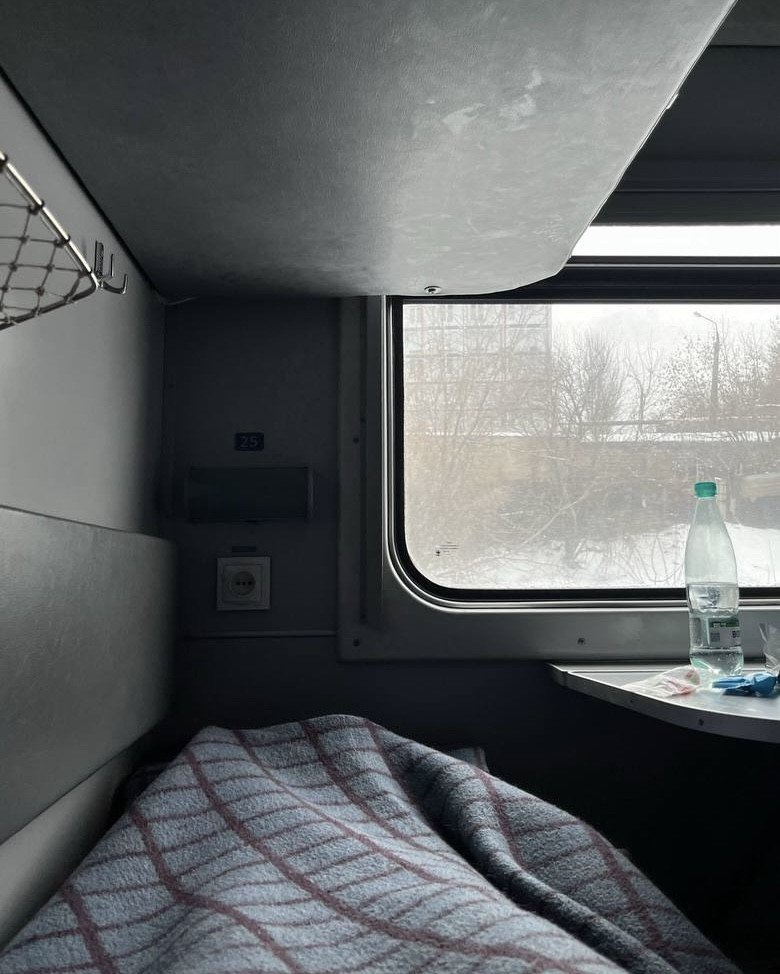
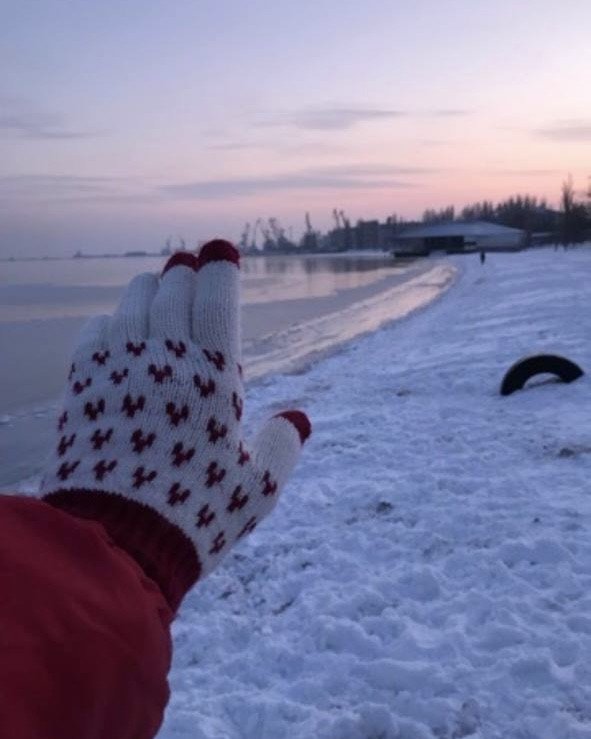
Our family tradition was to go to Theater Square just after midnight—to that now infamous theater. We usually celebrated New Year's at my mother’s house, while Christmas was always at my grandmother’s. We would bring kutia , and my grandmother would make it herself—it was incredibly delicious. On Christmas, we loved looking through old photographs: me as a child, my mother during her university years, my grandmother when she was young. It was a tradition we kept for many years.
The most painful thing for me is that when my grandmother was evacuated in March 2022—when the city was already under occupation—she didn’t take any photographs with her. In fact, she took almost nothing.
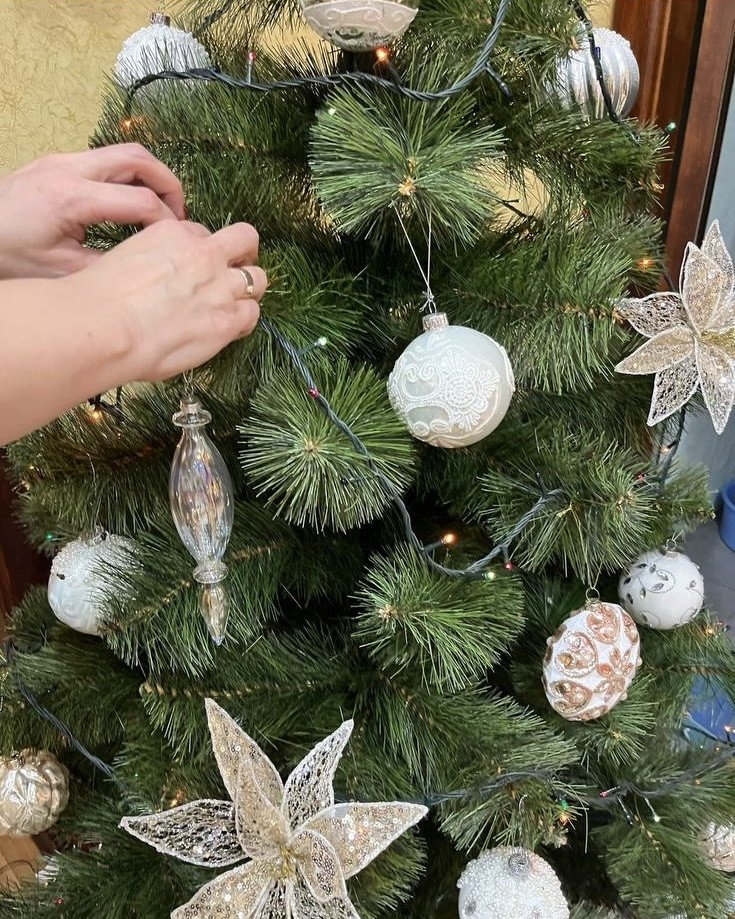
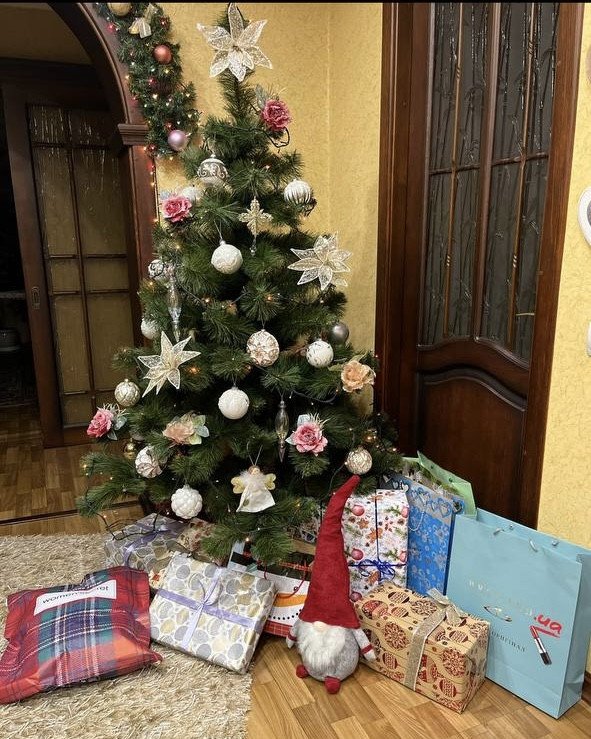
I also spent what would be my last New Year in Mariupol in 2022, celebrating with friends at a restaurant. From looking at the people there, you wouldn’t have guessed that their lives were about to change, that war was coming.
On January 2, 2022, I told my mom that we should start a new tradition. We’d gone to the theater together for a festive New Year’s performance for children. The hall was full, and it was wonderful. My mom and I agreed that, from then on, we would go to the theater every year on January 2nd. But it was not meant to be.
Wherever I was, I always returned to Mariupol in my thoughts. I knew there was one city, one street, and a few houses where I could always return to and be myself. Now, however, that possibility is gone entirely. It truly hurts to know I will never be able to go back there — not because I don’t believe Mariupol will be Ukrainian again, I do, but because our family homes no longer exist. They were destroyed by bombing.”
Natalia Novosel and the happiness she hasn’t felt since
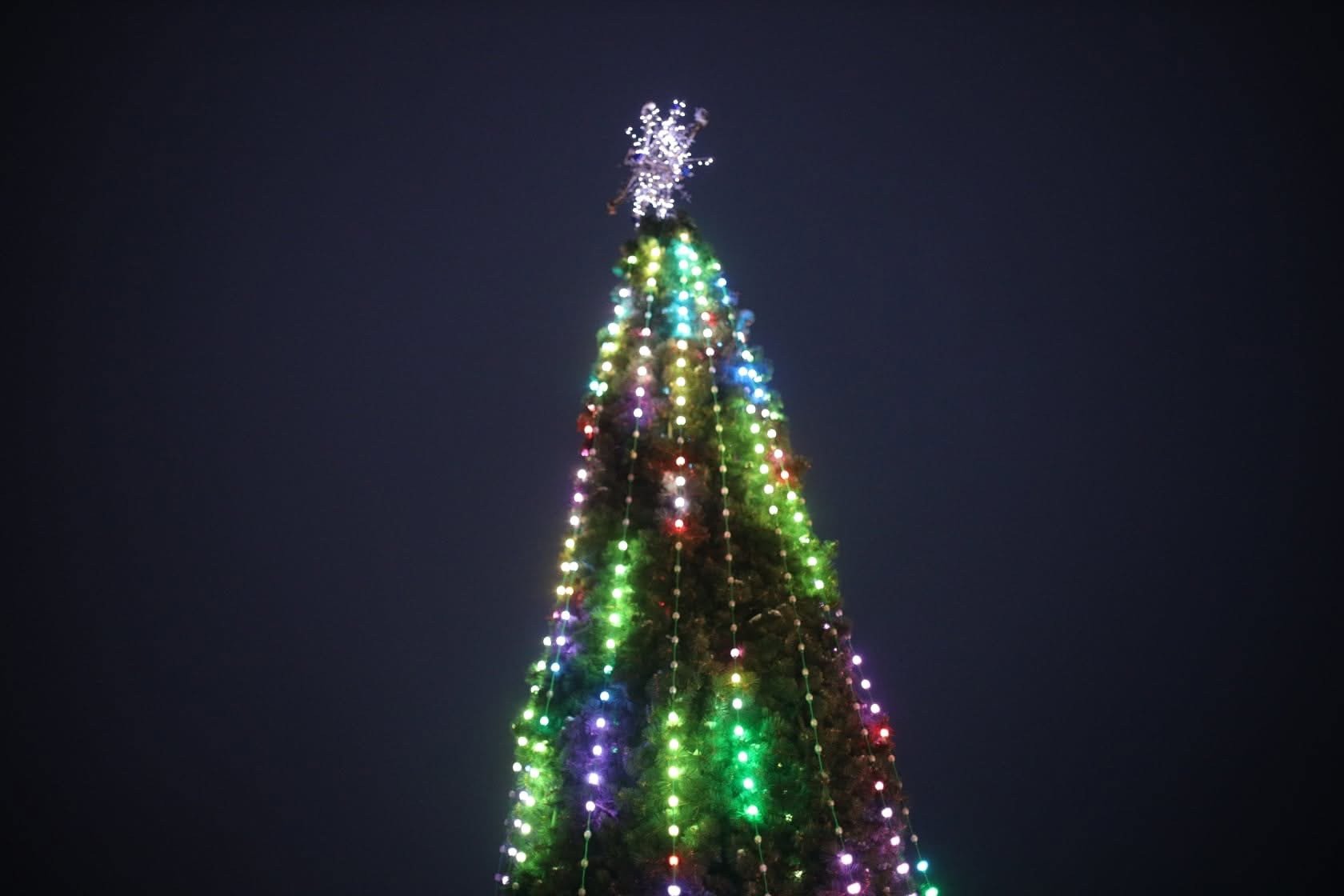
“I lived in Lysychansk but studied at a school in Siverskodonetsk, so I’ll talk about both places. In the city centre, they always decorated the area with the glow of garlands and the main Christmas tree. At home, we even had two trees: one inside the house and one outside.
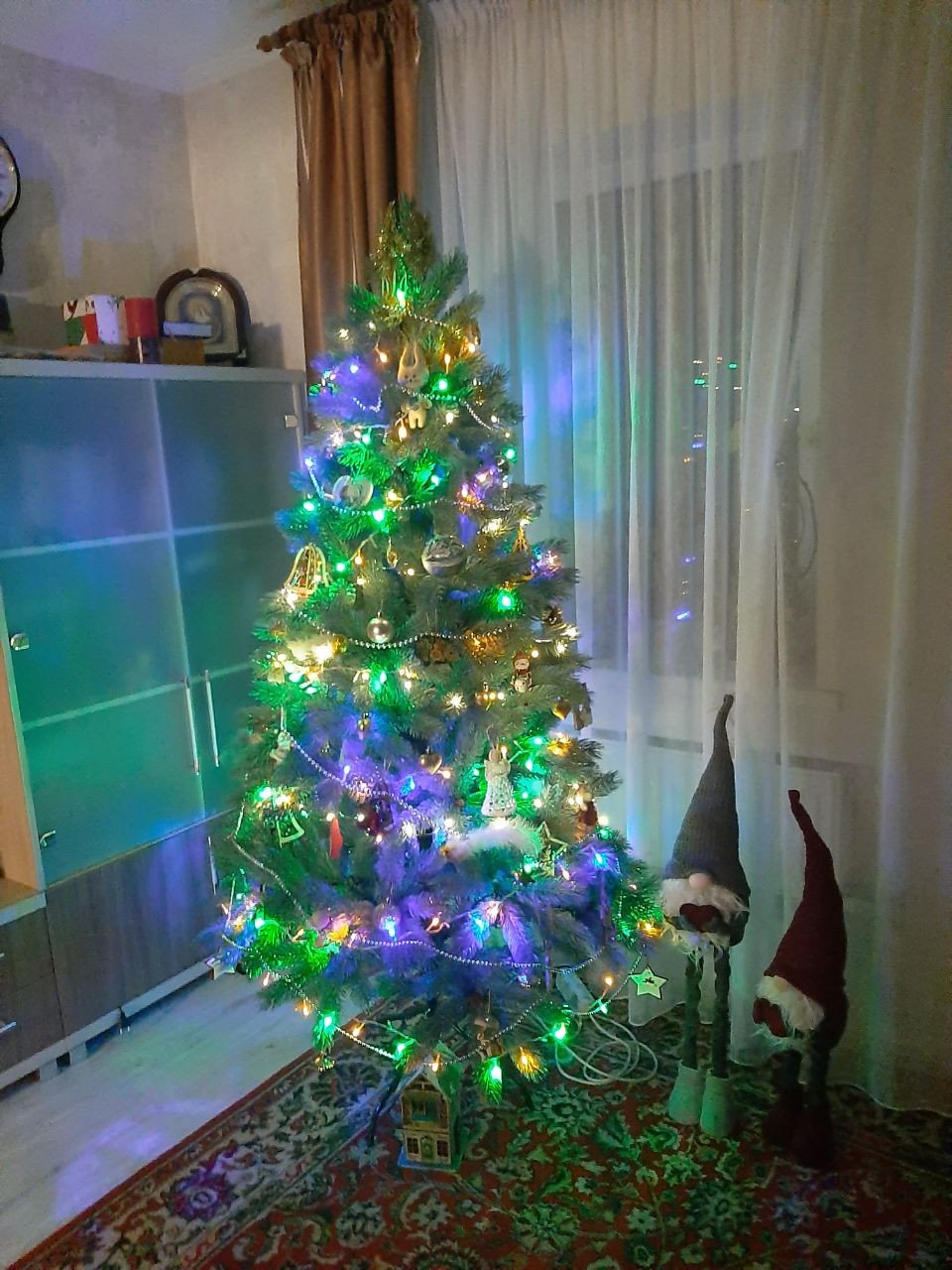
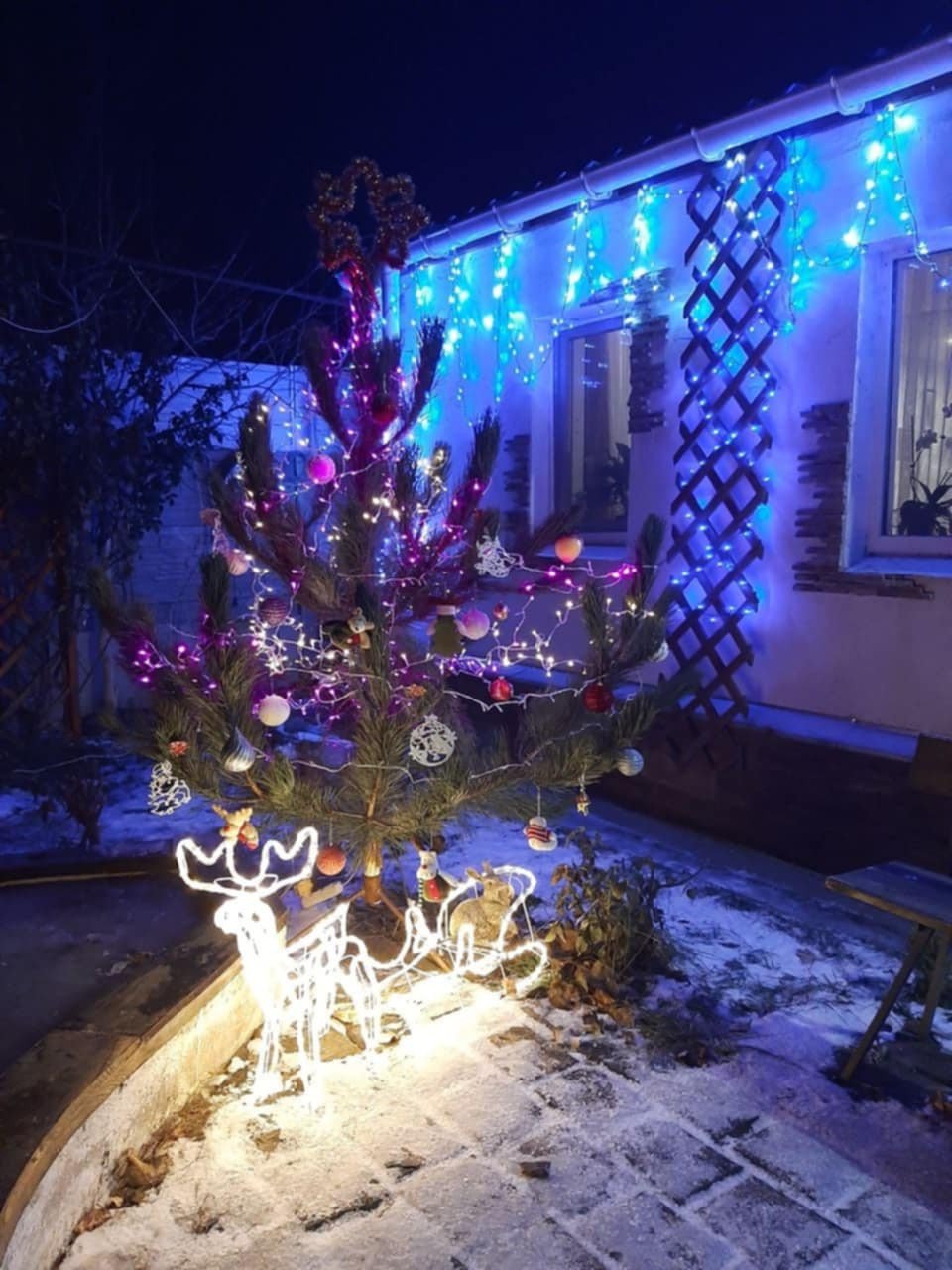
While at school, there was a tradition of celebrating the New Year with my classmates and our teacher. Even after graduation, in the beginning of January 2022, we gathered together. It was a fun celebration. At home, I loved making my own decorations, like Christmas wreaths. We also baked gingerbread cookies and decorated them.
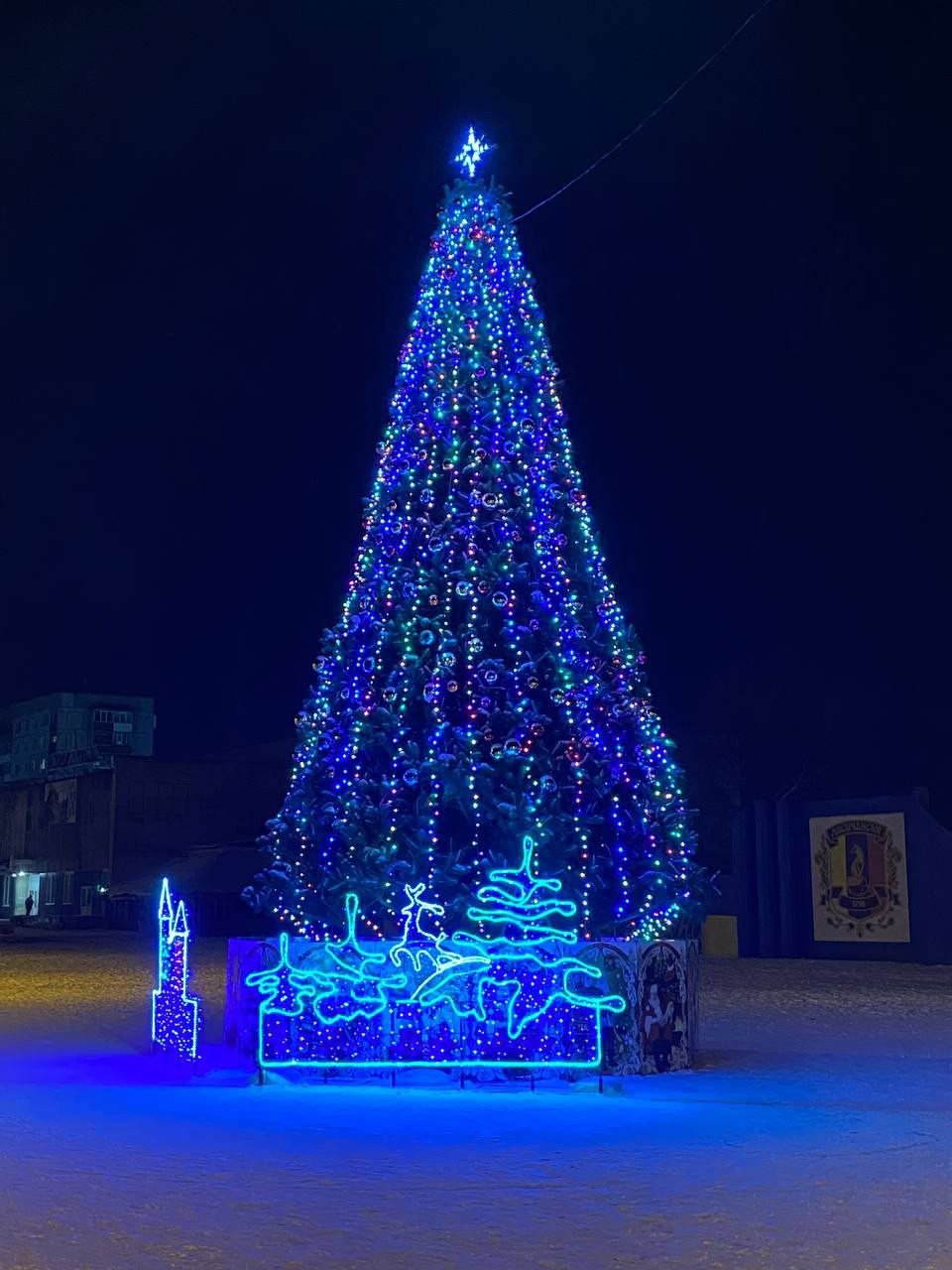
It was nice to see the tradition of nativity plays being revived in the years before the full-scale invasion. I remember going with my parents to a supermarket in Lysychansk and there happened to be a performance. In Siverskodonetsk, the Plast scouts also put on a vertep . There were a lot of carol singers.
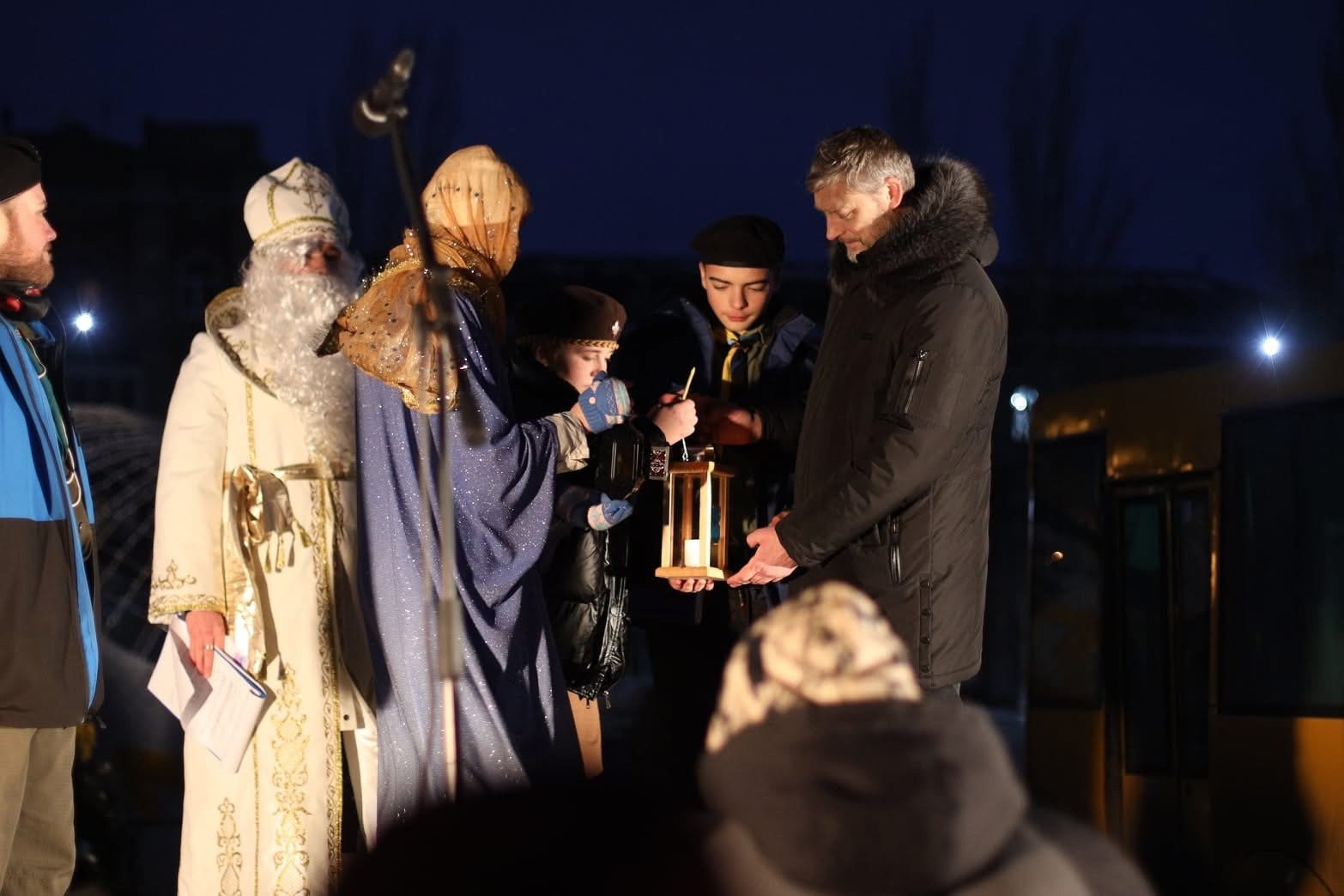
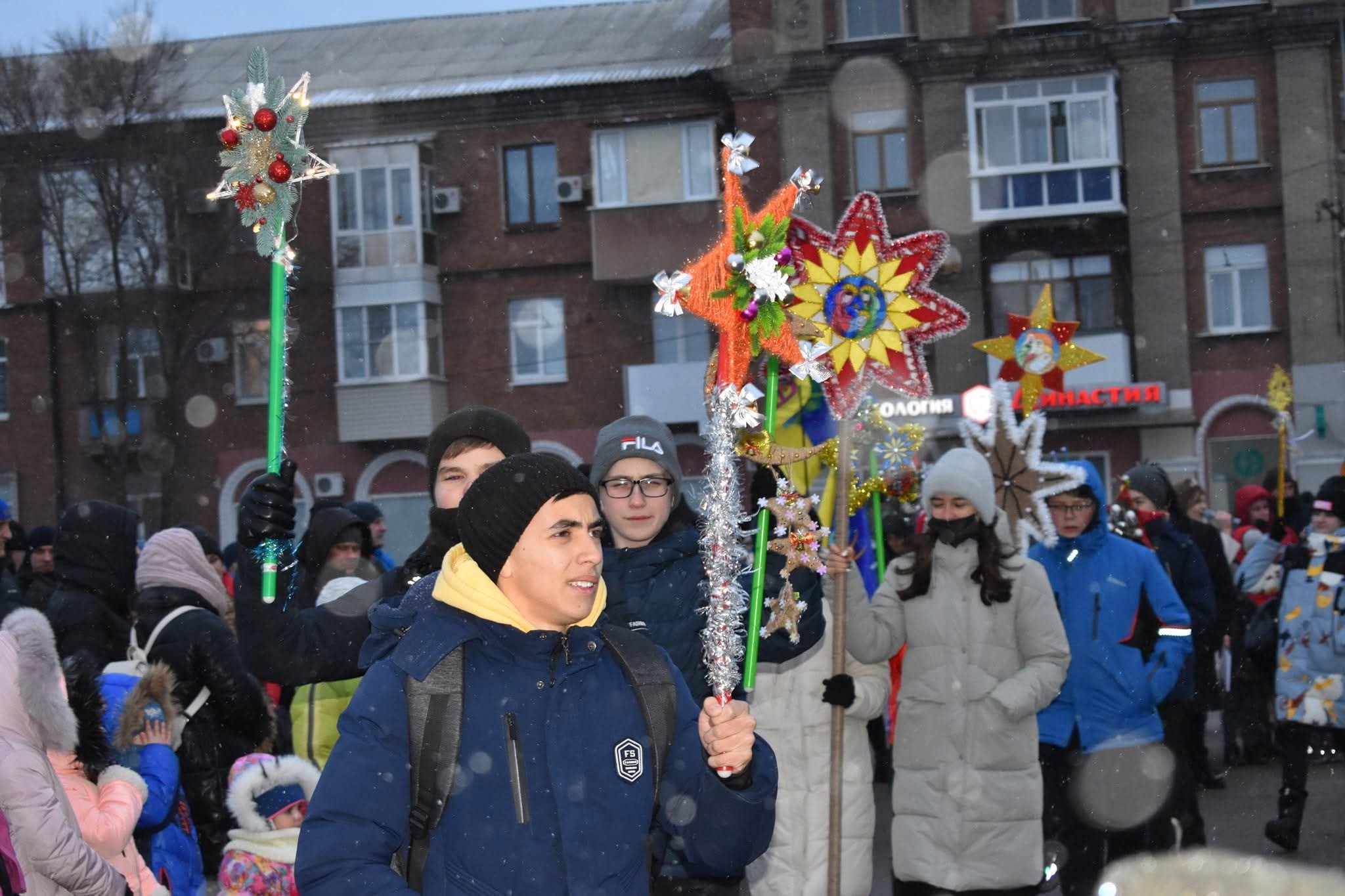
My most vivid memory is when we celebrated Christmas with the whole family: we prepared twelve traditional dishes, placed coins in the corners of the table for good luck, and put a clove of garlic as a protective charm while going caroling as children. Kutia was my favorite dish.
In 2021, I celebrated Christmas and New Year with my parents. We wore traditional vyshyvankas —my mom embroidered shirts for everyone in the family, and we spent hours around the table talking, after seeing each other for a long time. By that point, I had lived in Kyiv for about six months, studying history at Taras Shevchenko National University.
I regret not taking more photos of home, of my friends, and my parents back then, because it seemed like it would always be there.
Natalia Novosel
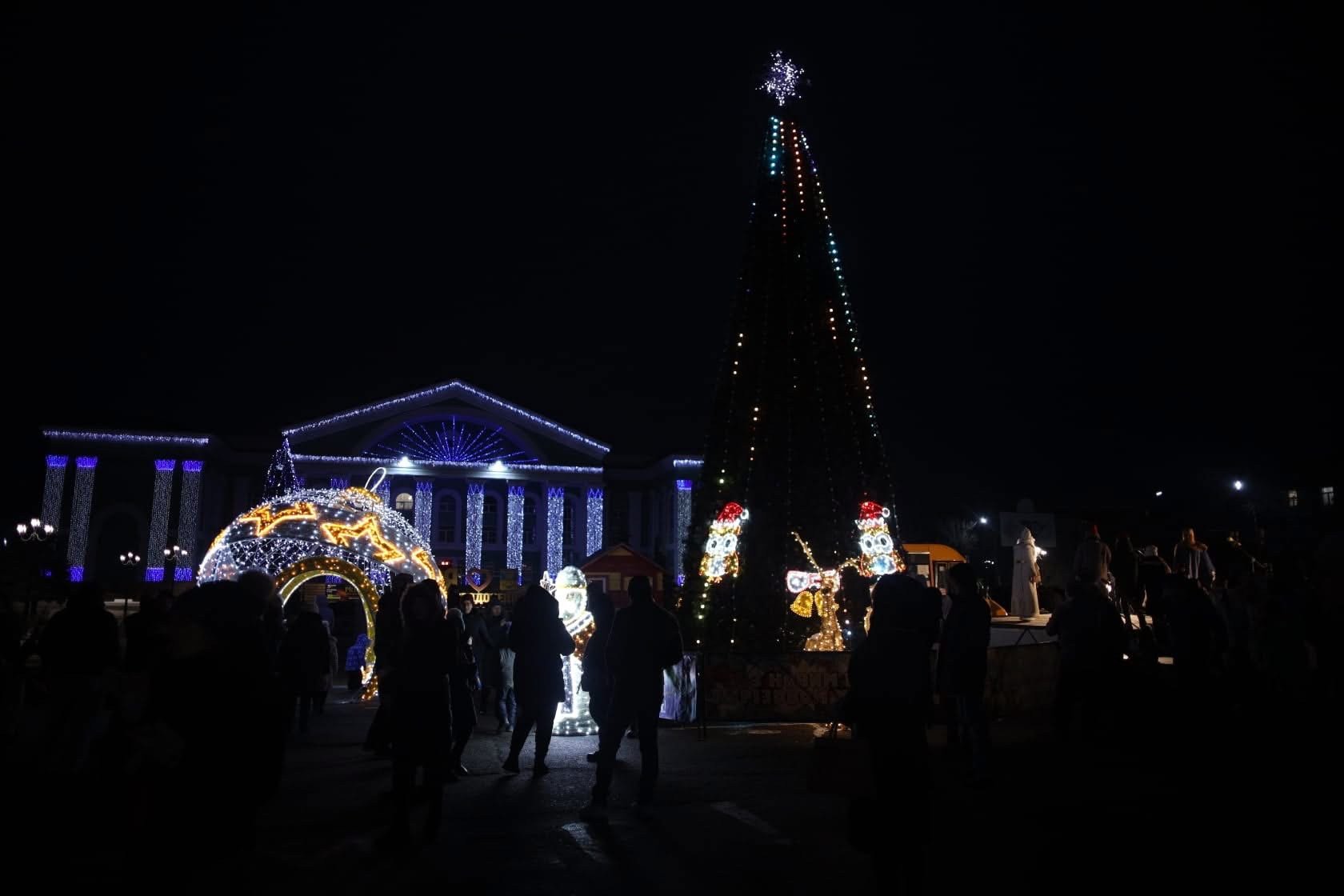
Now it’s rare for all of us to gather together, as we’re all in different cities. My father’s now serving in the Armed Forces of Ukraine, and we are all eagerly awaiting the day we can celebrate Christmas and New Year together again as a family. I remember those days as happy ones, and I haven’t felt that way since.”
Yuliia Slabinska and the Christmas tree that was always the same
“Leading up to the New Year holidays, Volnovakha [Donetsk region—ed.] was a typical small town, without big public celebrations. People traditionally set up a Christmas tree in the main square; it was very “stable,” the same familiar one, year after year. In recent years, they kept the same setup, adding new decorations and more festive lighting. What stood out for me was that many people who no longer lived in Volnovakha would return to visit their relatives, so you would often run into those you hadn’t seen for a long time.
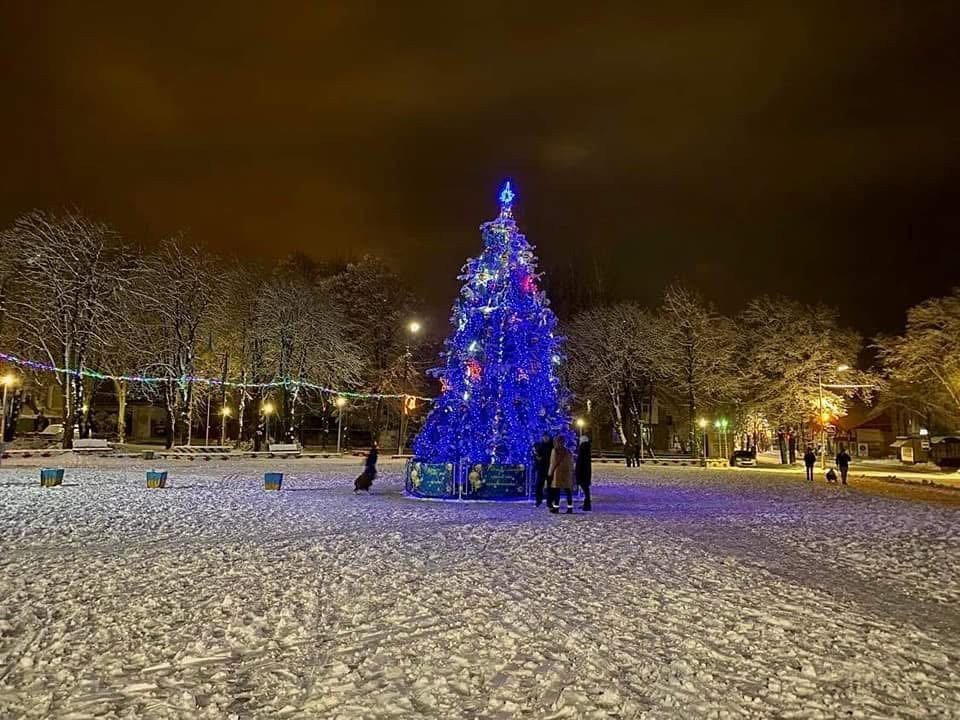
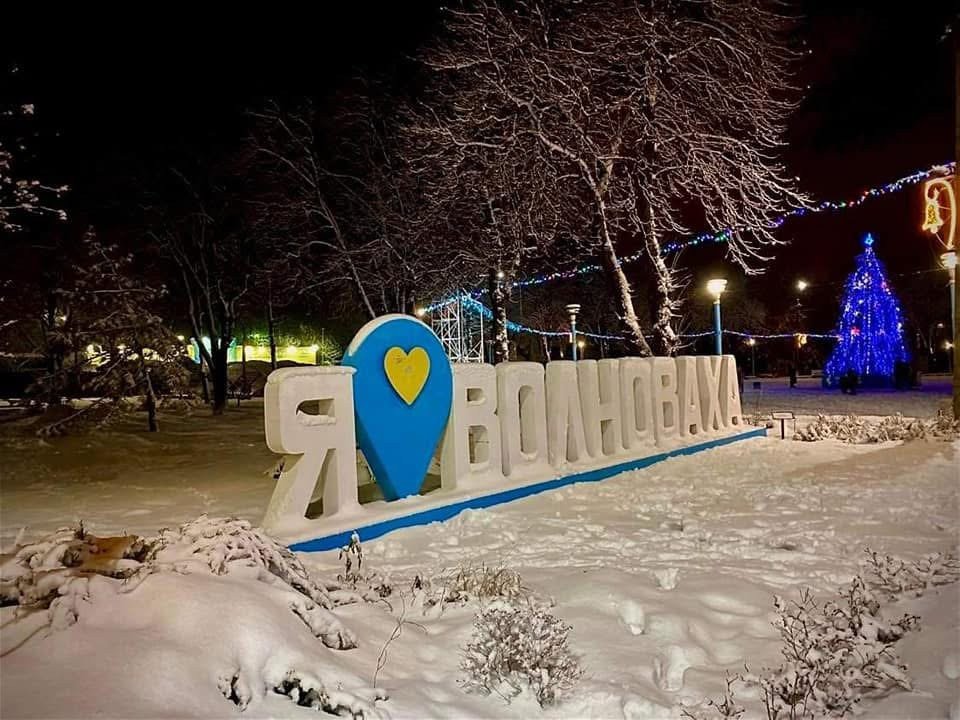
I remember that almost every year, once the New Year arrived, we would go to the main square to the Christmas tree—there were fireworks, music, and everything was organized by local residents. Of course, after 2014, the fireworks stopped. People would gather in their courtyards, greet their neighbors, and exchange holiday wishes under the tree.
We always welcomed the New Year around a big table, watched the President’s televised address, and lit sparklers. Our family also loved to sing karaoke. In the morning, the table would still be full of food, which always tasted better than the night before. We watched Christmas movies and cartoons all day, and if it was snowing, we would definitely go sledding. That was how we always spent January 1.
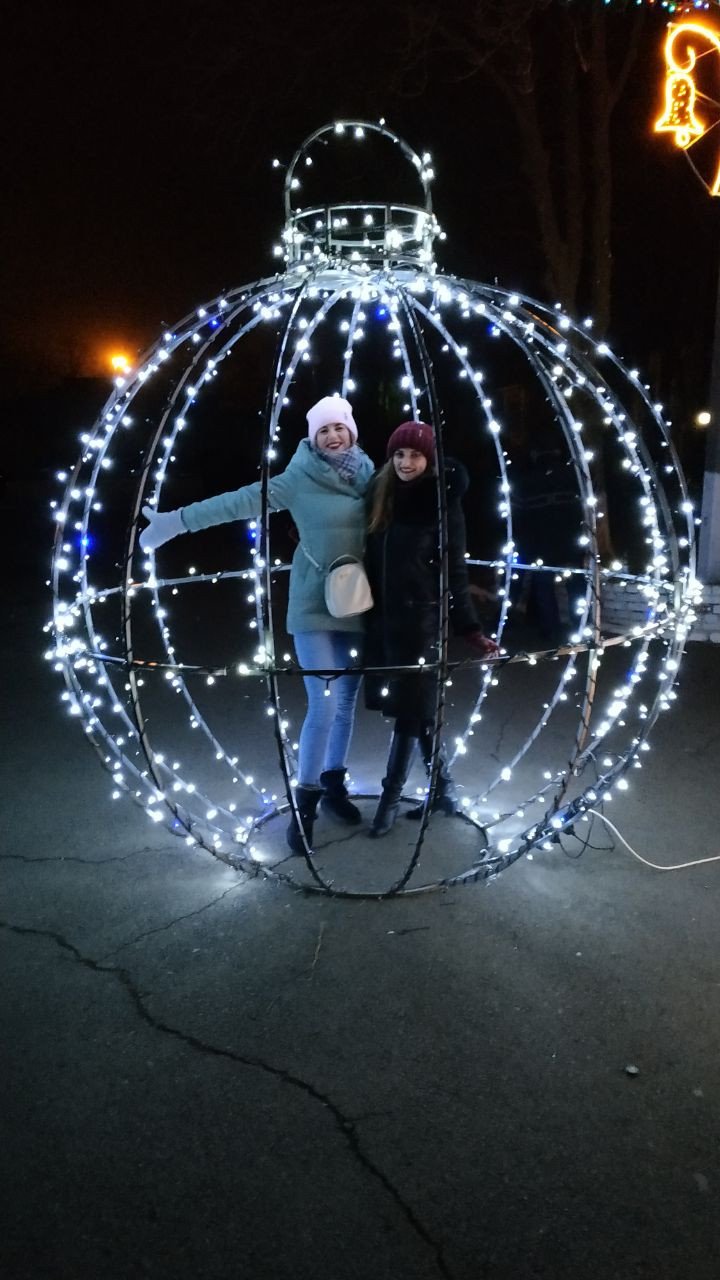
For as long as I can remember, Christmas meant preparing kutia and visiting our godfather. A few years before the full-scale invasion, we began celebrating two Christmases, including December 25th. Now our family has fully switched to celebrating on December 25, and the New Year has lost its special meaning as a holiday. Christmas is now the main celebration.
I always loved this sense of stability in Volnovakha during the holidays—the people, the celebrations, the Christmas tree.
Yuliia Slabinska
I miss the city very much. Even though there were no big festivities, it always felt warm and heartfelt. I never could have imagined speaking about it in the past tense; I still can’t come to terms with it.”
Alina Horhul and the signs that only made sense later
“From childhood, I remember Mariupol for its special New Year atmosphere. Preparations began as early as December, and the festive lights were usually switched on for St. Nicholas Day, which at that time was celebrated on December 19. For almost a month, the city lived in anticipation of the holidays and looked truly magical.
In addition to the main Christmas tree in the city center, Mariupol had many festively decorated locations across different districts. On the Left Bank, where I lived, two of them were right next to my house. They were fully decorated, with Christmas trees, lights, and ornaments.
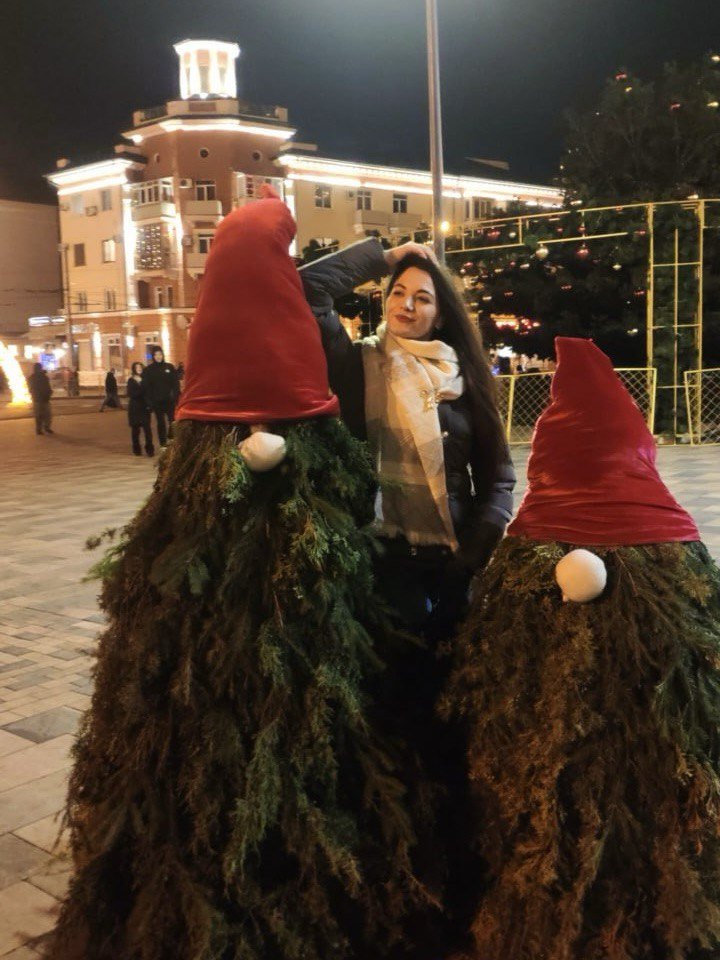
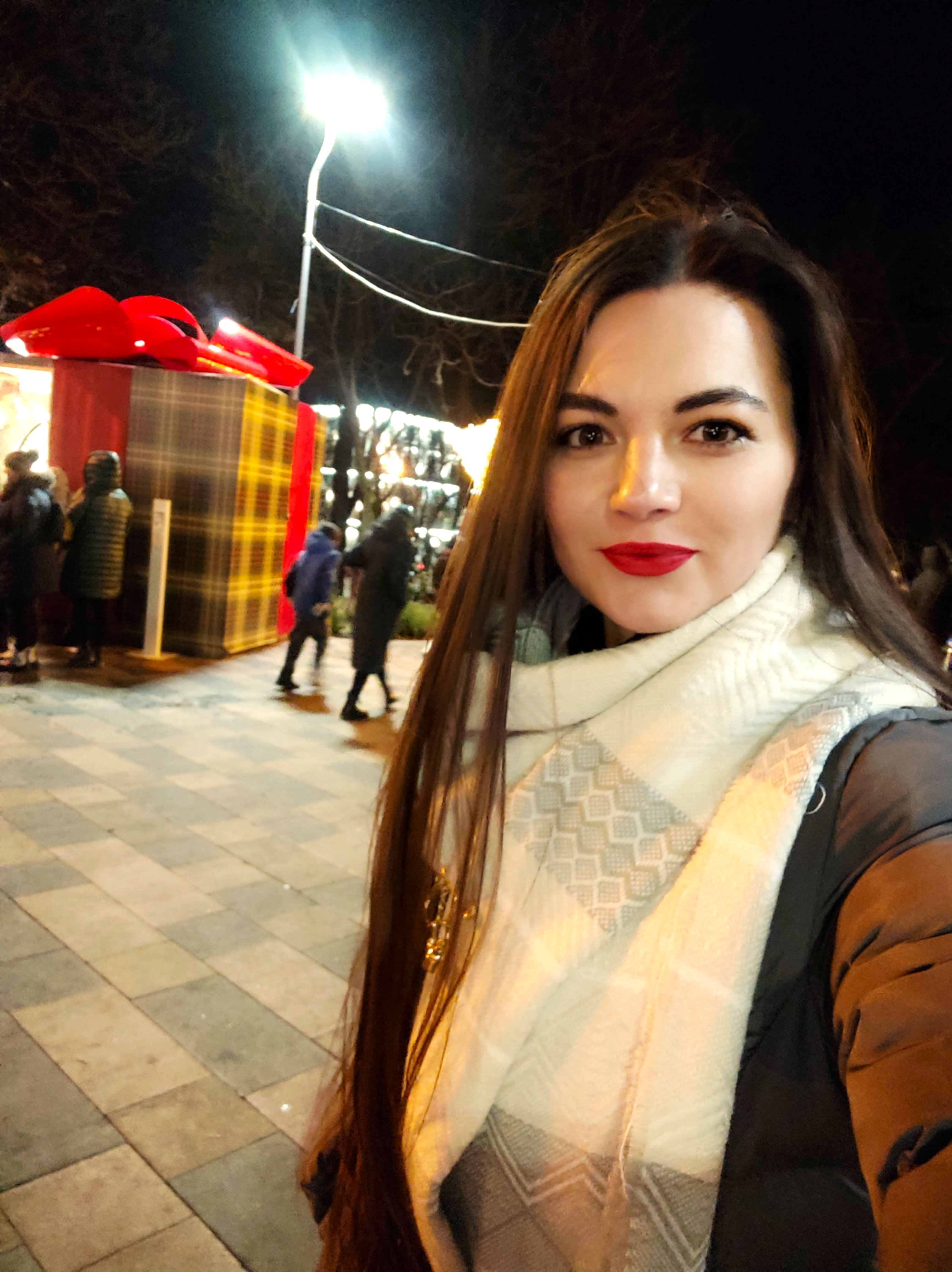
Another very vivid memory was the fireworks that accompanied New Year’s Eve in Mariupol before the outbreak of hostilities in 2014. Seen through a child’s eyes, it felt especially grand and was one of my fondest memories of that time.
The final large Christmas tree, set up near the Drama Theater, stood out as particularly striking and modern. It even brought out people who rarely took part in public celebrations and reflected the city’s desire to create its own unique style. On the day of its opening, strong winds caused it to collapse—a moment the entire city would later recall when the full-scale war began. In hindsight, it became a sign of something we did not yet understand.
That winter, I felt a strong desire to travel. I spent December in Mariupol, enjoying the city as it was dressed for the holidays. I celebrated New Year’s Eve in Lviv, and Christmas—which at the time was still often marked on January 7—I spent in Kyiv. After these trips, I returned to Mariupol and managed to spend a few more days there as the festive atmosphere gradually faded.
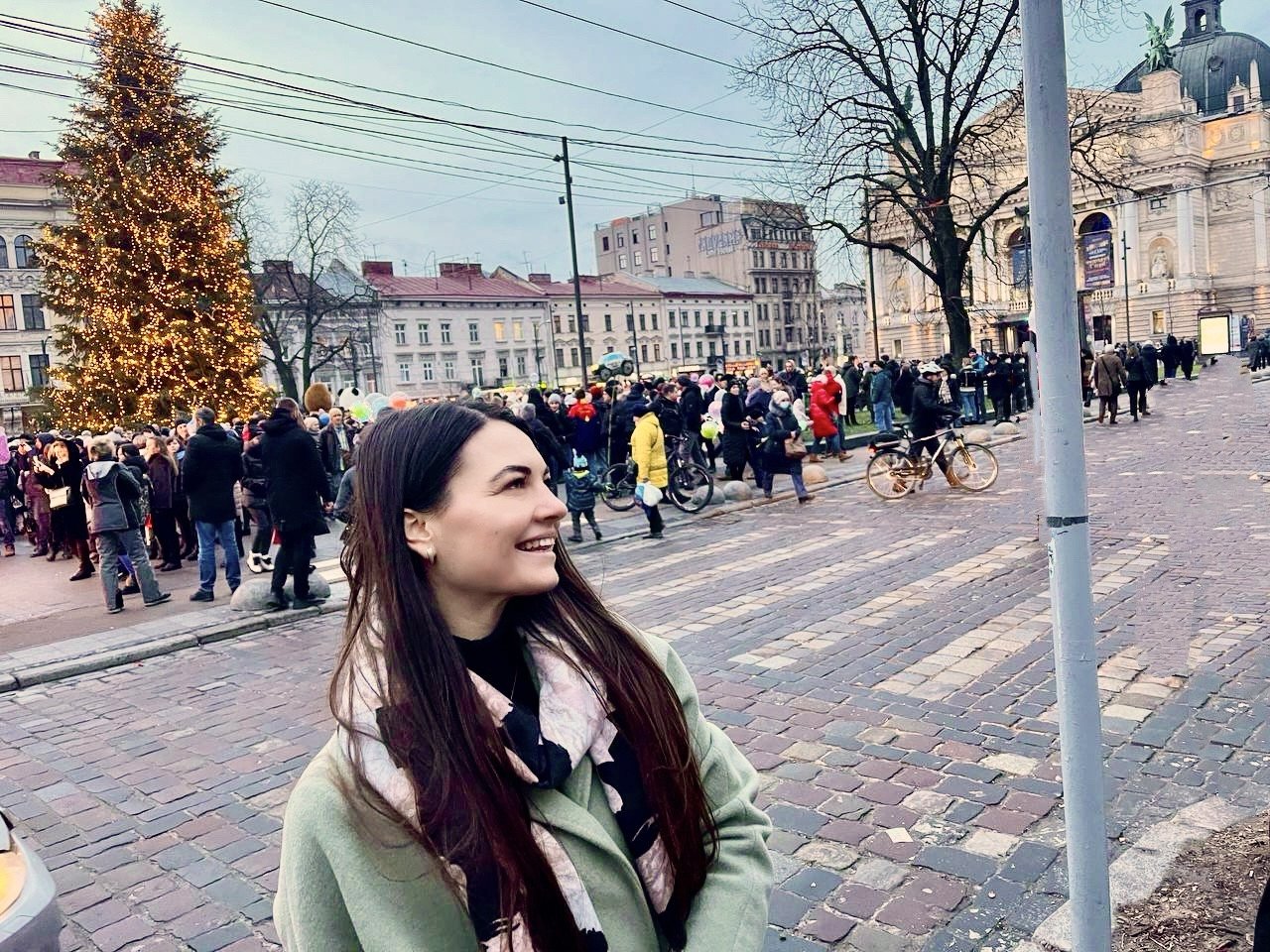
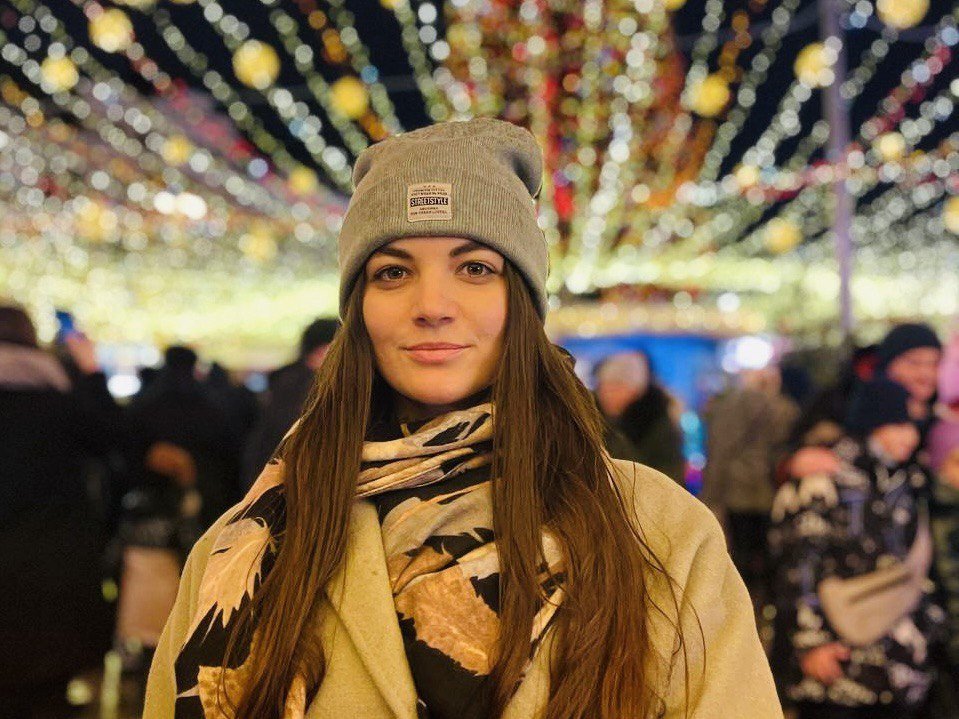
When the full-scale invasion began, I did not yet realize this would be the last peaceful New Year in my hometown. That understanding came at the end of 2022: the park that had once been festively decorated was gone, the Drama Theater no longer existed, and the square where friends used to gather had disappeared.
Looking back, a thought arises that if there had been even the slightest chance to know what lay ahead, I would not have left the city.
Alina Horhul
I would have walked through the different parks, squares, and alleys, visited installations and cafés, taken as many photographs as possible—not for aesthetics, but to preserve the feeling of the city, its energy and calm at the same time. I wish I had spent more time with friends, family, and acquaintances. Today, most of them are scattered across different countries. I have not seen many of them since the beginning of the full-scale invasion, and some I will never see again.”
Discuss this article:
-4a56a6b482ec132402c16ef6fcabf9a2.png)

-24deccd511006ba79cfc4d798c6c2ef5.jpeg "Photo of Louis Beaudemont")
-554f0711f15a880af68b2550a739eee4.jpg "Photo of Lucile Brizard")
-4c422f6574674b417eac2384290103ac.jpg "Russia Left This Ukrainian Village 90% Mined. Here’s What Life There Looks Like Now")